Health Best in category 3 results Wearables AI Tool

Popular AI tools in the Wearables field of Health include WHOOP、Luna Smart Ring、aabo, etc., helping you quickly improve efficiency.

Luna Smart Ring

Luna Smart Ring

The Luna Smart Ring is an AI-powered health and sleep tracker that provides personalized insights without any subscription …

177.4K
WHOOP

WHOOP

WHOOP is a 24/7 wearable health and fitness coach that provides personalized insights into your sleep, strain, stress, …

6.2M
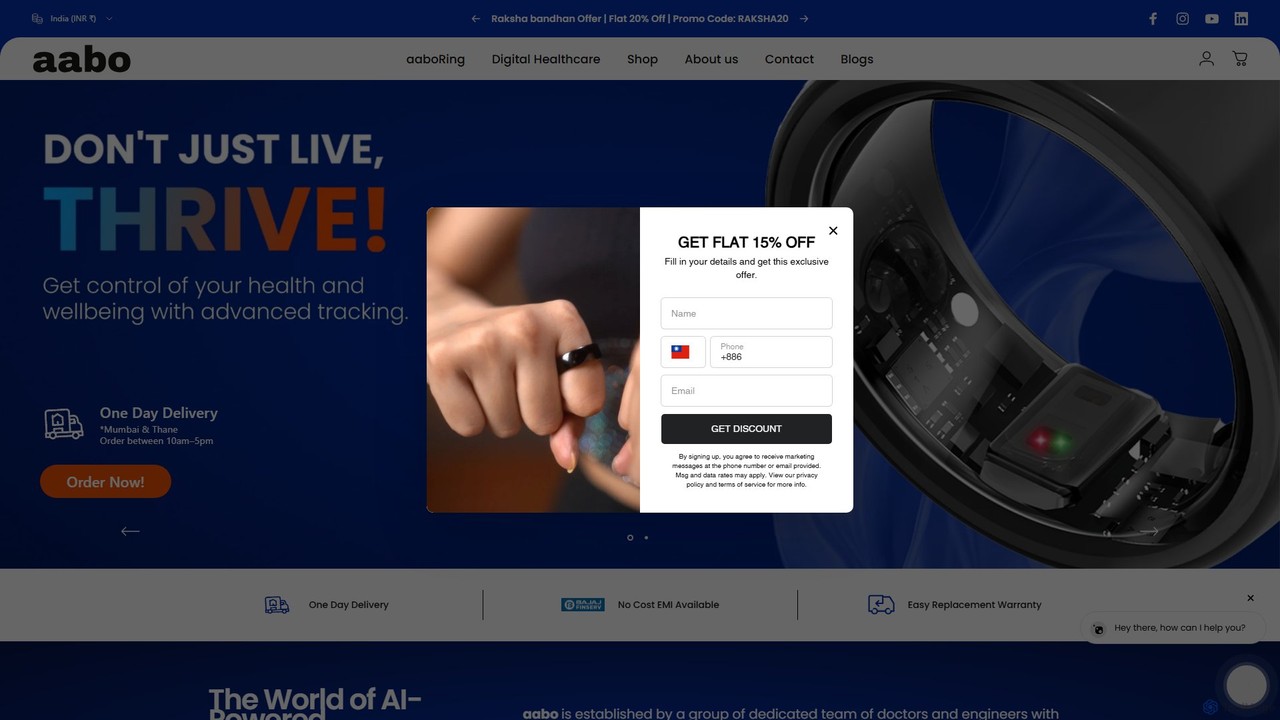
aabo

aabo

aabo is an AI-powered health-tech company offering the aaboRing, a smart ring for real-time health monitoring. It tracks …

12.6K

About Wearables

Wearables are AI-powered devices designed to be worn on the body, continuously collecting and analyzing physiological and environmental data. These tools leverage advanced AI algorithms to transform raw data into personalized health insights, offering real-time feedback and predictive analytics. They empower users to proactively manage their fitness, monitor vital signs, and detect potential health anomalies, significantly contributing to personal well-being within the broader health tech landscape.

Core Features

  • Continuous Health Monitoring: Tracks vital signs like heart rate, sleep patterns, blood oxygen, and activity levels throughout the day.
  • Personalized Insights & Coaching: AI analyzes data to provide tailored recommendations for fitness, sleep improvement, and stress management.
  • Anomaly Detection: Identifies unusual patterns in health data that might indicate potential health issues, prompting early intervention.
  • Activity & Fitness Tracking: Accurately measures steps, calories burned, distance, and recognizes various exercise types.
  • Stress & Recovery Analysis: Monitors physiological markers to assess stress levels and guide recovery strategies.

Use Cases

Individuals seeking to optimize their fitness routines can use AI wearables for detailed workout analysis and recovery guidance. For those managing chronic conditions, these devices offer continuous monitoring of key health indicators, providing valuable data for healthcare providers. Additionally, busy professionals can leverage wearables for stress management and sleep optimization, ensuring better overall health.

How to Choose

When selecting an AI wearable, consider the specific health metrics you need to track, such as heart rate variability or blood oxygen. Evaluate the accuracy and reliability of its sensors and AI algorithms, as well as its battery life and comfort for continuous wear. Compatibility with your existing health apps and the level of personalized insights offered are also crucial for maximizing its utility.

WearablesUse Cases

1

Optimizing Athletic Training and Recovery

Athletes and fitness enthusiasts utilize AI wearables to gain deep insights into their physical performance and recovery. These devices continuously monitor heart rate zones, VO2 max, running dynamics, and sleep quality, providing AI-driven analysis to identify overtraining risks and optimize workout intensity. By receiving personalized recovery recommendations and performance metrics, users can fine-tune their training regimens, prevent injuries, and achieve peak physical condition more effectively.

2

Proactive Chronic Disease Management

Individuals managing chronic conditions such as diabetes or hypertension benefit significantly from AI wearables. These devices offer continuous, non-invasive monitoring of key health indicators like blood glucose levels (via integrated sensors or compatible devices) or blood pressure. AI algorithms analyze these trends, alert users to significant deviations, and provide data logs that can be shared with healthcare providers, enabling more informed and proactive management of their health conditions.

3

Enhancing Sleep Quality and Analysis

Users leverage AI wearables to gain comprehensive insights into their sleep patterns and quality. These devices track sleep stages (light, deep, REM), duration, disturbances, and even blood oxygen saturation during sleep. The integrated AI analyzes this data to identify potential issues like sleep apnea indicators or poor sleep hygiene, offering personalized recommendations for improving sleep environment, habits, and overall restorative rest, leading to better daytime energy and focus.

4

Stress Management and Mental Well-being

Professionals and individuals facing high stress levels can use AI wearables for proactive stress management. These devices monitor physiological indicators such as heart rate variability (HRV) and skin conductance, which are linked to stress responses. AI algorithms interpret these metrics to provide real-time stress level assessments, offer guided breathing exercises, mindfulness prompts, or suggest breaks, helping users to recognize and mitigate stress before it escalates, thereby supporting overall mental well-being.

5

Elderly Care and Fall Detection

For seniors living independently or with limited mobility, AI wearables offer enhanced safety and peace of mind. Devices equipped with advanced accelerometers and gyroscopes can detect sudden movements indicative of a fall. AI algorithms analyze these patterns to differentiate between normal activities and actual falls, automatically triggering emergency alerts to caregivers or emergency services, along with location data. This capability significantly reduces response times in critical situations, providing vital support for elderly care.

6

Workplace Wellness Programs

Companies are increasingly integrating AI wearables into their workplace wellness programs to promote employee health and productivity. These devices can track activity levels, sleep quality, and stress indicators across a workforce (with individual consent and data privacy). AI-driven platforms can then offer personalized wellness challenges, provide insights into collective health trends, and suggest interventions to improve overall employee well-being, potentially reducing healthcare costs and absenteeism while fostering a healthier work environment.

WearablesFrequently Asked Questions