ToolMage
Sign in

Best 9 Journaling AI tools for Lifestyle

Popular Journaling AI tools in Lifestyle include Rosebud, mykin, Zenora, Psyfy, Relive AI, AI Journaler, Pagefelt, Solid Apps, and Scrawly, helping you work more efficiently.

Rosebud
Freemium

Rosebud

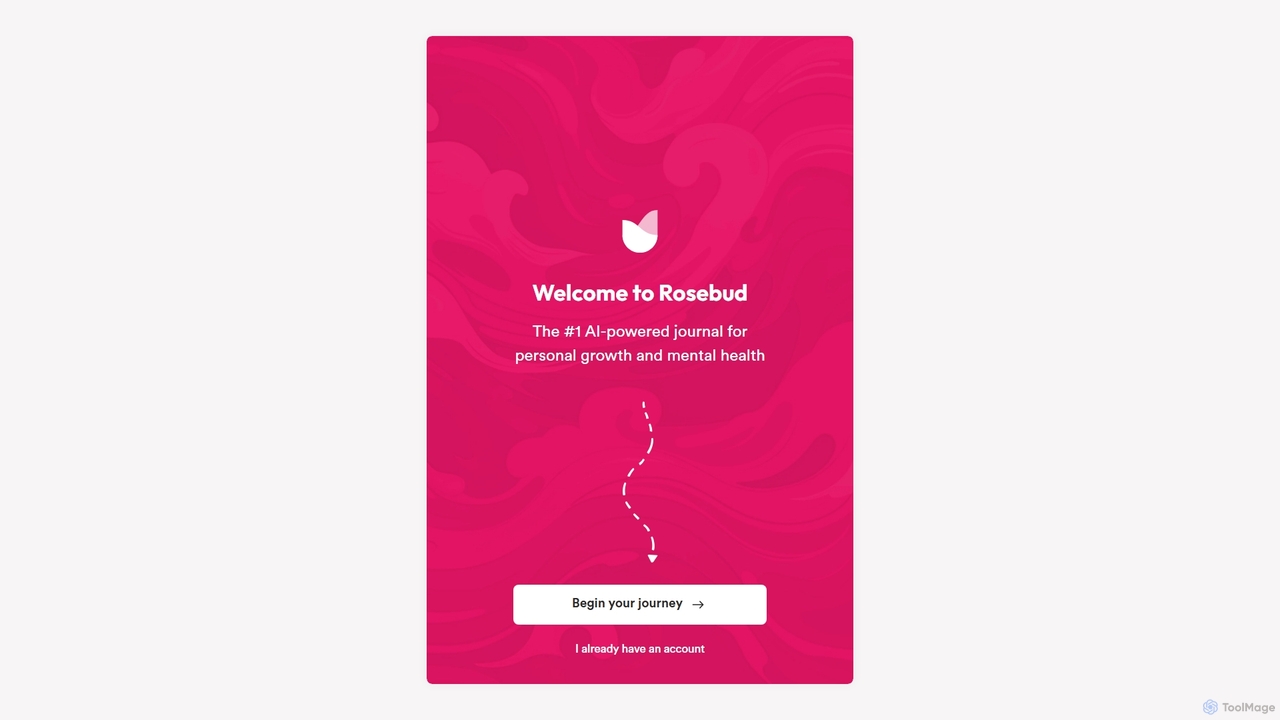
Rosebud is the #1 AI-powered journal for personal growth and mental health. It acts as a compassionate companion, guiding you through self-reflection with intelligent prompts and providing deep insights into your emotional patterns. Track your mood, set goals, and embark on a transformative journey towards a healthier, more self-aware you. It's a private and secure space to understand your mind better.

Mental Health
Visits 77.4KFavorites 116Likes 114
Psyfy
Freemium

Psyfy

Psyfy is an AI-powered mental wellness coach designed to provide personalized emotional support. It offers psychological tests, CBT-based conversations, mood journaling, and a resource library to help users reduce stress, improve relationships, and better understand their emotions in a safe and private environment.

Mental Health
Visits 7.9KFavorites 108Likes 123
Zenora
Freemium

Zenora

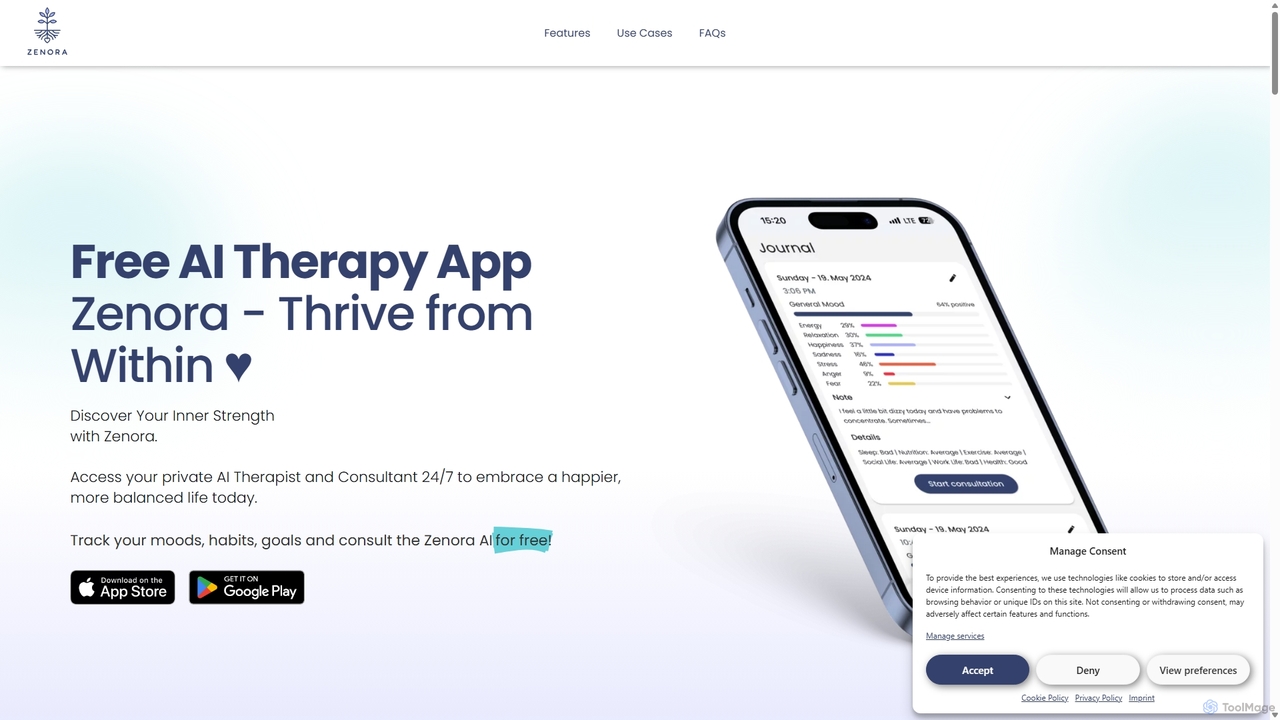
Zenora is an AI-powered mental wellness app designed to be your private therapist and consultant, available 24/7. Developed by clinical psychologists, it helps you track moods and habits, engage in guided therapeutic sessions, set personal goals, and visualize your emotional progress. Zenora offers personalized, unbiased support to help you manage stress, enhance your mood, and lead a more balanced life.

Mental Wellness
Visits 8.6KFavorites 109Likes 108
Solid Apps
Paid

Solid Apps

Solid Apps is a suite of AI-enhanced productivity and wellness applications for Apple devices. Featuring minimalist design and a one-time purchase model, it offers specialized tools for fitness (Fit.AI), scheduling (Solid Calendar), journaling (Solid Diary), and goal setting (Ultra Focus). The suite prioritizes user privacy and provides an intuitive, ad-free experience across iPhone, iPad, and Mac, with an all-in-one option called Evo for comprehensive management.

Workout Planning
Visits 4.9KFavorites 122Likes 106
mykin
Freemium

mykin

Kin is a private and emotionally intelligent AI companion designed for self-reflection and personal growth. Through a secure journaling feature and insightful conversations, Kin learns about you to provide personalized support, helping you navigate thoughts, manage anxiety, and understand your emotions in a safe, non-judgmental space.

Mental Health
Visits 29.4KFavorites 133Likes 123
Relive AI
Freemium

Relive AI

Relive AI is an intelligent platform that transforms your scattered photos, videos, and journal entries into vivid digital memories and compelling stories. It helps you automatically organize, rediscover, and creatively re-experience your most cherished moments with the power of artificial intelligence.

Journaling
Visits 5.1KFavorites 159Likes 166
AI Journaler
Free

AI Journaler

AI Journaler is a free, AI-powered journaling application for Windows PC designed to enhance your emotional resilience and well-being. It allows you to analyze thought patterns, chat with your journal entries for deeper insights, and identify emotional challenges with an intelligent, private companion.

Mental Health
Visits 4.9KFavorites 122Likes 118
Pagefelt
Freemium

Pagefelt

Pagefelt is your personal AI life coach and productivity platform, powered by an advanced Emotional AI. It acts as your heart's copilot, providing interactive feedback and personalized guidance to enhance your emotional well-being, manage stress, and boost your productivity in a holistic way.

Mental Health
Visits 4.9KFavorites 131Likes 137
Scrawly
Freemium

Scrawly

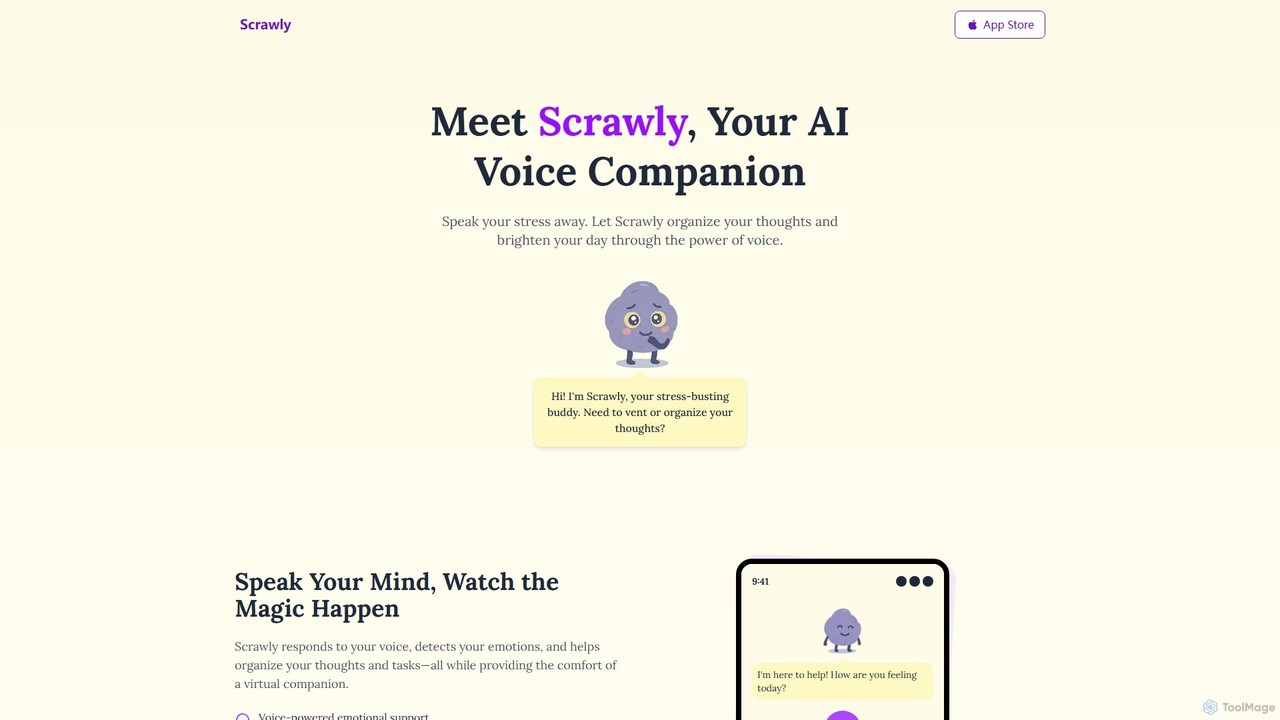
Scrawly is an AI voice companion designed to help you manage stress and organize your thoughts. By analyzing your voice, it detects your emotional state, offers calming exercises, and transforms your spoken words into structured notes and tasks, all while providing a friendly, evolving virtual companion.

Mental Wellness
Visits 4.7KFavorites 173Likes 175

About Journaling

AI Journaling tools are a category of AI-powered applications designed to enhance personal reflection, self-discovery, and mental well-being. These tools leverage artificial intelligence to offer guided prompts, analyze sentiment, organize thoughts, and provide insights into emotional patterns and personal growth. They transform the traditional journaling experience into an interactive and insightful journey, helping users better understand themselves and track their progress over time.

Core Features

  • Intelligent Prompt Generation: AI creates personalized questions and topics to encourage deeper reflection and overcome writer's block.
  • Sentiment Analysis & Mood Tracking: Analyzes journal entries to identify emotional tones, track mood fluctuations, and visualize emotional trends over time.
  • Thought Organization & Summarization: Automatically tags entries, identifies key themes, and generates summaries to help users review their thoughts efficiently.
  • Personalized Insights: Provides data-driven feedback on writing patterns, recurring themes, and emotional states, fostering self-awareness.
  • Multimodal Input: Supports text, voice, and sometimes image input, making journaling flexible and accessible.

Applicable Scenarios

Individuals seeking to improve mental clarity, manage stress, or achieve personal goals find AI journaling invaluable. It's particularly useful for those who struggle with starting a journal, maintaining consistency, or extracting meaningful insights from their entries. From daily gratitude practices to processing complex emotions, these tools offer structured support for a wide range of personal development needs.

How to Choose

When selecting an AI journaling tool, consider its core AI capabilities, such as the quality of prompt generation and the depth of sentiment analysis. Evaluate data privacy and security features, as personal reflections are highly sensitive. Look for user-friendly interfaces, cross-device synchronization, and the ability to export data. Finally, assess customization options for prompts, themes, and reporting to ensure it aligns with your personal journaling style and goals.

Journaling use cases

1

Enhance Daily Reflection and Self-Awareness

Individuals seeking to deepen their understanding of daily experiences can use AI journaling tools. By responding to AI-generated prompts that encourage introspection, users can explore their thoughts and feelings more thoroughly. The AI can then highlight recurring themes or emotional patterns, providing objective insights that foster greater self-awareness and personal growth, helping them identify areas for improvement or celebrate small victories.

2

Manage Stress and Improve Mental Well-being

Individuals experiencing stress or anxiety can utilize AI journaling for emotional regulation. By regularly documenting their feelings, users allow the AI to perform sentiment analysis, identifying shifts in mood and potential triggers. This objective feedback helps users recognize stress patterns, develop coping strategies, and track the effectiveness of interventions, contributing to improved mental well-being and emotional resilience over time.

3

Track Goals and Personal Development

Users focused on achieving specific personal or professional goals can leverage AI journaling for progress tracking. By journaling about their aspirations, challenges, and daily actions, the AI can identify patterns related to productivity, motivation, and obstacles. It provides summaries and insights into goal progression, helping users stay accountable, adjust their strategies, and celebrate milestones, thereby accelerating their personal development journey.

4

Overcome Writer's Block with AI Prompts

For individuals who struggle with starting their journal entries or finding topics to write about, AI journaling tools are highly beneficial. The AI generates personalized prompts based on past entries, current mood, or specific themes, effectively eliminating writer's block. This feature ensures consistent engagement and encourages users to explore diverse aspects of their lives, making the journaling process less daunting and more productive.

5

Gain Deeper Insights from Past Entries

Users who want to extract meaningful insights from years of journaling can use AI tools to analyze their historical data. The AI can identify long-term trends, recurring patterns in behavior or thought, and significant life events that might otherwise be overlooked. This capability allows for a comprehensive review of personal history, revealing growth trajectories, persistent challenges, and the evolution of one's perspective, offering a unique retrospective view.

6

Facilitate Creative Writing and Idea Generation

Creative writers, artists, or innovators can use AI journaling as a brainstorming and idea generation tool. By engaging with AI prompts designed to spark creativity or explore specific themes, users can overcome creative blocks and develop new concepts. The AI can help connect disparate ideas, suggest alternative perspectives, and organize fragmented thoughts, serving as a dynamic partner in the creative process and fostering innovative thinking.

Journaling FAQ

What are AI Journaling tools?

AI Journaling tools are digital applications that use artificial intelligence to enhance the traditional practice of keeping a journal. They go beyond simple text entry by offering features like intelligent prompt generation, sentiment analysis of entries, and automated organization of thoughts. These tools aim to make journaling more engaging, insightful, and beneficial for personal growth and mental well-being.

How do AI Journaling tools work?

AI Journaling tools typically work by processing user input (text, voice, or sometimes images) using natural language processing (NLP) and machine learning algorithms. The AI analyzes the content for sentiment, keywords, and recurring themes. Based on this analysis, it can generate personalized prompts, summarize entries, identify emotional patterns, and provide insights. Some tools also use AI to organize entries, suggest tags, and visualize data for better self-understanding.

What are the benefits of using AI for journaling?

Using AI for journaling offers several key benefits. It helps overcome writer's block with intelligent prompts, provides objective insights into emotional patterns through sentiment analysis, and efficiently organizes vast amounts of personal reflections. AI journaling can foster greater self-awareness, aid in stress management, facilitate goal tracking, and offer a unique retrospective view of personal growth, making the practice more consistent and impactful than traditional methods.

How to choose the right AI Journaling tool?

To choose the right AI Journaling tool, prioritize features that align with your personal goals, such as advanced sentiment analysis for emotional tracking or robust prompt generation for creativity. Evaluate the tool's data privacy and security policies, as your entries are highly personal. Consider user interface design for ease of use, cross-platform availability, and the ability to export your data. Finally, check for customization options and community support to ensure a tailored and sustainable journaling experience.

Is AI journaling private and secure?

The privacy and security of AI journaling depend heavily on the specific tool and its provider. Reputable AI journaling tools employ robust encryption for data at rest and in transit, adhere to strict privacy policies, and often offer options for local data storage or anonymization. Users should always review the privacy policy of any AI journaling app before use, ensuring it aligns with their comfort level regarding data handling and sharing, especially for sensitive personal reflections.

How does AI Journaling differ from traditional digital journaling?

AI Journaling differs from traditional digital journaling primarily through its active use of artificial intelligence. While traditional digital journals merely provide a platform for text entry, AI journaling tools actively engage with the user's content. They offer intelligent prompts, perform sentiment analysis, identify patterns, and provide personalized insights and summaries. This transforms passive recording into an interactive, analytical, and more deeply reflective experience, fostering greater self-understanding and growth.