ToolMage
Sign in

Best 28 Personal Growth AI tools for Lifestyle

Popular Personal Growth AI tools in Lifestyle include venty, Fitbod, Depth, DreamDecoder, MindForest, GitaGPT, Onsen, Elisi, 6000thoughts, and Squad, helping you work more efficiently.

Squad
Freemium

Squad

Squad is a group accountability and atomic habit tracker app designed to help you achieve your goals. By joining small, supportive groups ('squads'), you commit to daily actions, stay motivated through a gamified credit system, and receive support from an AI personal coach, Quazilla. Available for iOS and Android.

Mindfulness
Visits 6.9KFavorites 124Likes 118

Journalizr
Freemium

Journalizr

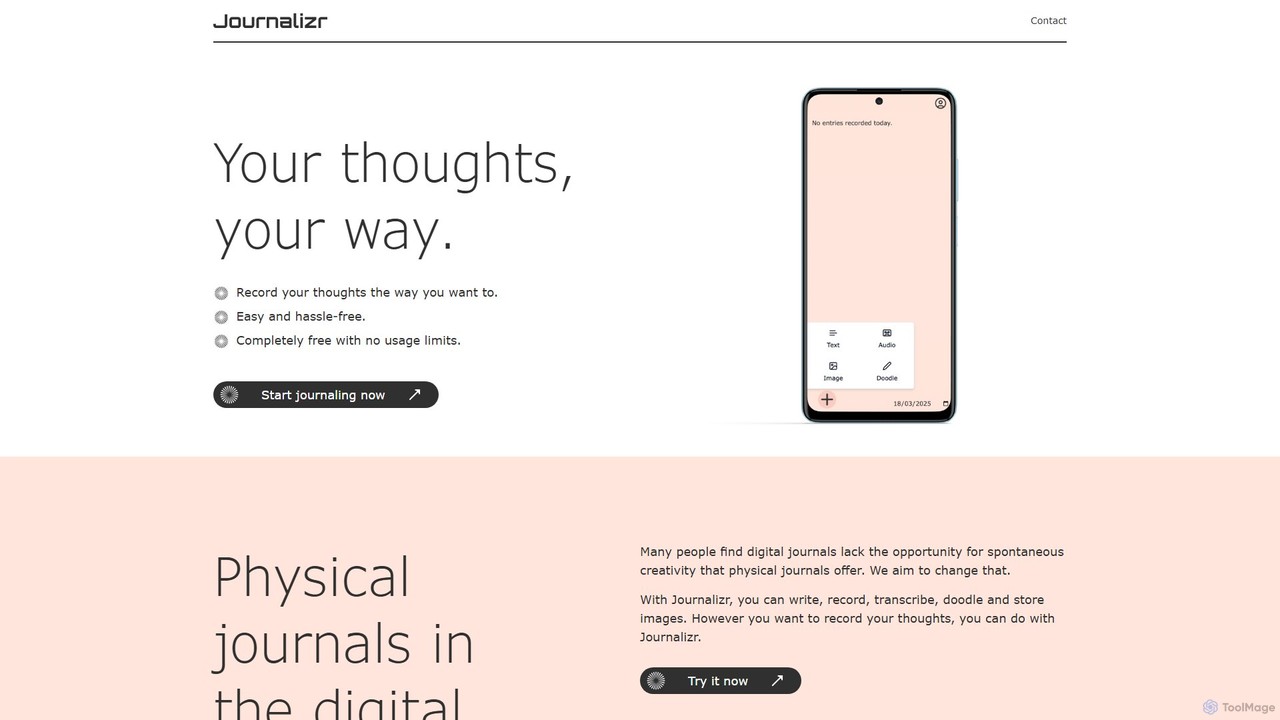
Journalizr is a versatile digital journaling platform that blends the creative freedom of physical journals with modern technology. Capture your thoughts your way through writing, voice recording with AI transcription, doodling, and image uploads. It's designed for spontaneous creativity, making it easy to document ideas, reflections, and memories in a simple, accessible, and secure online space.

Personal Growth
Visits 5.8KFavorites 137Likes 134
Reflectr
Freemium

Reflectr

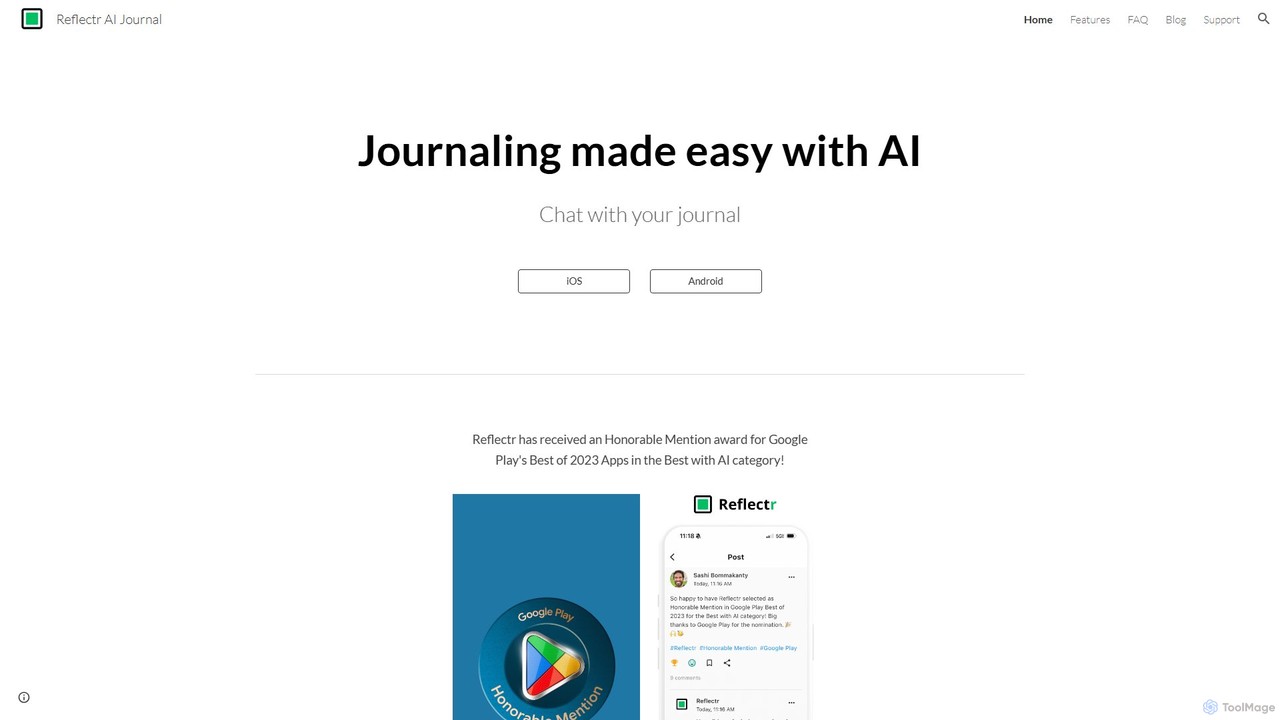
Reflectr is an AI-powered journaling app for iOS and Android that transforms self-reflection into an interactive conversation. It provides insightful feedback, thought-provoking questions, and personalized summaries to help you understand your thoughts and emotions, making journaling an engaging and consistent habit for improved mental well-being.

Mental Health
Visits 6.8KFavorites 106Likes 111
moodset
Freemium

moodset

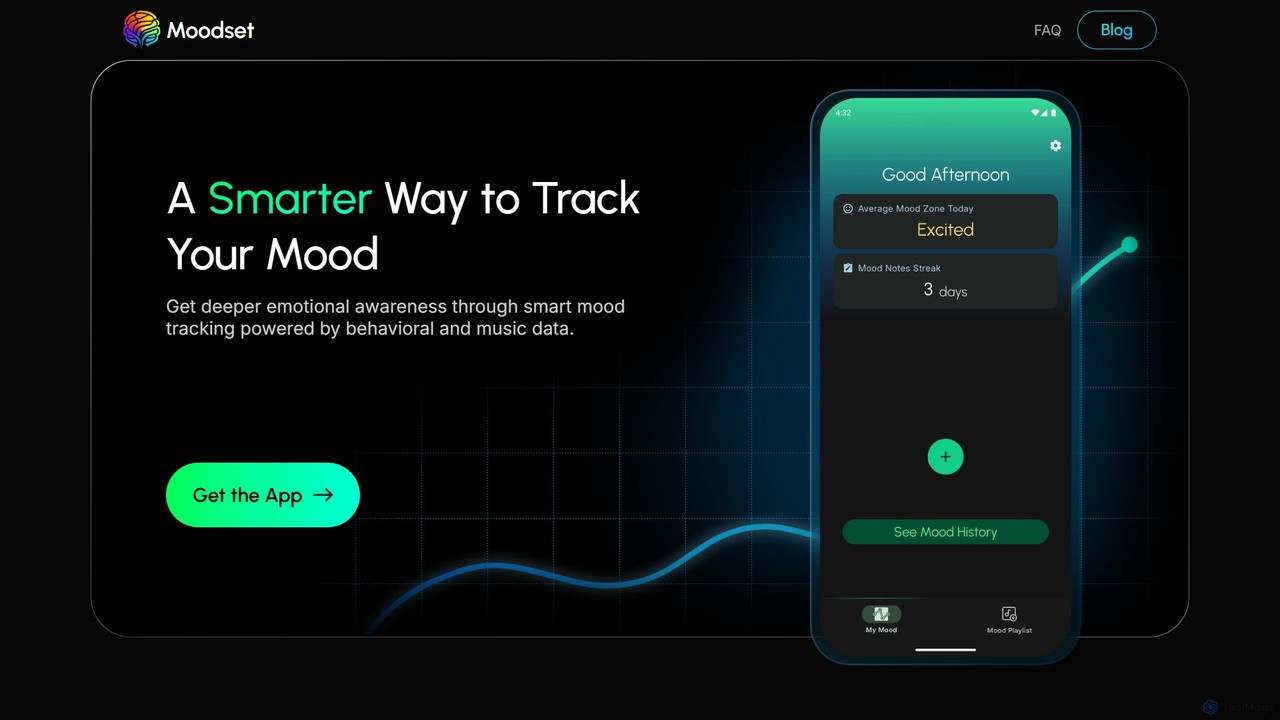
Moodset is an intelligent mood tracking app that provides deeper emotional awareness by integrating manual entries, behavioral data, and music listening habits. It uses a scientifically-backed two-dimensional model (valence and arousal) to map emotions precisely, helping users understand not just how they feel, but why.

Mental Health
Visits 6.2KFavorites 134Likes 141

About Personal Growth

AI Personal Growth tools are applications that leverage artificial intelligence to help individuals achieve personal development goals. These tools use machine learning to analyze user data, providing personalized feedback, customized learning paths, and adaptive coaching. They serve as digital mentors for skill acquisition, habit formation, and mental well-being, making self-improvement more structured and accessible. Unlike general lifestyle apps, they focus specifically on measurable personal advancement.

Core Features

  • Personalized Coaching: Delivers tailored advice and action plans based on individual goals and progress.
  • Habit Tracking & Analysis: Monitors daily routines and uses data to provide insights for building positive habits.
  • Skill Development Paths: Creates structured learning journeys for acquiring new skills, from languages to coding.
  • Mindfulness & Mood Support: Offers guided meditations, mood journaling, and AI-driven cognitive exercises.
  • Performance Feedback: Provides objective feedback on tasks like public speaking or writing to identify areas for improvement.

Use Cases

These tools are widely used by professionals seeking to upskill, students aiming to improve study habits, and individuals focused on enhancing mental wellness. For example, a sales manager might use an AI coach to refine their communication skills, while a freelancer could use a tool to build a more productive daily routine.

How to Choose

When selecting a Personal Growth AI, consider the specific area you want to improve (e.g., skills, habits, mental health). Evaluate the personalization capabilities and the quality of the AI-driven feedback. Also, check its data privacy policy, user interface, and whether its pricing model aligns with your long-term commitment.

Featured tool rankings

Personal Growth use cases

1

Mastering Public Speaking with AI Feedback

A project manager preparing for a major client presentation uses an AI Personal Growth tool to improve their public speaking. They record their speech, and the AI provides instant, detailed feedback on pacing, use of filler words like 'um' and 'ah', tone of voice, and body language. The tool highlights specific sentences that could be more impactful and suggests alternative phrasing. This allows for iterative practice and measurable improvement without the need for a human audience, building confidence and ensuring a polished final delivery.

2

Building a Consistent Fitness Habit

An individual aiming to improve their physical health uses an AI-powered app to establish a regular exercise routine. They set a goal to work out three times a week. The AI creates a personalized workout plan that adapts based on their feedback and performance. It sends intelligent reminders at times they are most likely to be free and uses gamification elements, like streaks and badges, to maintain motivation. The AI also analyzes activity data to prevent plateaus and suggest new challenges, turning a difficult goal into a sustainable habit.

3

Accelerating Language Learning with an AI Tutor

A student learning Spanish uses an AI Personal Growth tool as a conversational partner. The tool engages them in realistic dialogues, correcting their grammar and pronunciation in real-time. Unlike static apps, the AI can discuss a wide range of topics, adapting its vocabulary and complexity to the student's level. It tracks recurring mistakes and generates personalized quizzes and exercises to target these weak areas, significantly speeding up the path to fluency.

4

Managing Daily Stress with AI-Guided Mindfulness

A busy professional experiencing work-related stress turns to an AI wellness coach. The app guides them through short, daily mindfulness and breathing exercises tailored to their reported mood. Users can journal their thoughts, and the AI's natural language processing identifies negative thought patterns, offering gentle, CBT-based reframing suggestions. Over time, the tool provides insights into stress triggers and progress, empowering the user to build mental resilience in a private, accessible way.

5

Creating a Personalized Skill Development Plan

A marketing specialist wants to learn data analytics to advance their career. They use an AI tool that assesses their current knowledge and career goals. Based on this input, the AI generates a customized learning path, curating articles, video tutorials, and interactive projects from across the web. It breaks the complex skill into manageable weekly modules and tracks completion, acting as a personal learning and development manager to keep them on track.

6

Improving Focus and Overcoming Procrastination

A university student struggling with procrastination uses an AI-powered focus tool to manage their study time. The tool helps them break down large assignments into smaller, timed tasks using techniques like the Pomodoro method. The AI learns their work patterns and identifies peak productivity hours, suggesting the best times to tackle challenging subjects. It can also block distracting websites and apps during focus sessions, providing data-driven insights on what triggers their procrastination.

Personal Growth FAQ

What are AI Personal Growth tools?

AI Personal Growth tools are applications that use artificial intelligence to provide personalized guidance for self-improvement. They go beyond simple tracking by analyzing your behavior, goals, and progress to offer tailored advice, create custom learning plans, and simulate coaching experiences. Key areas they cover include skill acquisition, habit formation, mental wellness, and communication skills.

How do I choose the right AI Personal Growth tool?

To choose the right tool, first identify your primary goal (e.g., learning a skill, building a habit, or managing stress). Then, consider these factors:

  • Personalization: Does the tool adapt to your specific needs and progress?
  • Methodology: Is it based on proven principles like cognitive behavioral therapy (CBT) or behavioral science?
  • Feedback Quality: Is the AI feedback specific, actionable, and helpful?
  • Data Privacy: How does the tool handle your personal data?

What's the difference between a Personal Growth AI and a standard productivity app?

The primary difference lies in their focus. Standard productivity apps, like to-do lists or calendars, help you manage tasks and time—they focus on the 'what' and 'when'. AI Personal Growth tools focus on improving the 'who'—you. They aim to develop your skills, mindset, and habits, providing coaching and feedback to foster long-term personal development rather than just task completion.

Can AI tools replace a human coach or therapist?

AI Personal Growth tools are best viewed as powerful supplements, not replacements for human professionals. They offer excellent accessibility, affordability, and 24/7 support for developing skills and habits. However, for complex personal challenges or clinical mental health conditions, the empathy, nuanced understanding, and accountability provided by a qualified human coach or therapist remain crucial. These tools can effectively support, but not substitute, professional human interaction.

What are some key features of AI Personal Growth tools?

Effective AI Personal Growth tools often include a combination of these features:

  • AI-Powered Chatbots: For conversational coaching, feedback, and support.
  • Progress Analytics: Dashboards that visualize your progress and offer data-driven insights.
  • Personalized Content: Learning materials, exercises, or meditations tailored to your needs.
  • Goal Setting and Tracking: Systems to define, break down, and monitor your personal goals.
  • Real-time Feedback: Instant analysis on performance in areas like speaking or writing.