Health & Wellness Best in category 7 results Mindfulness AI Tool

Popular AI tools in the Mindfulness field of Health & Wellness include Squad、askquin、Affirmation-Generator、Emisary、spiritchat、Hadana、Cognitive Echo, etc., helping you quickly improve efficiency.

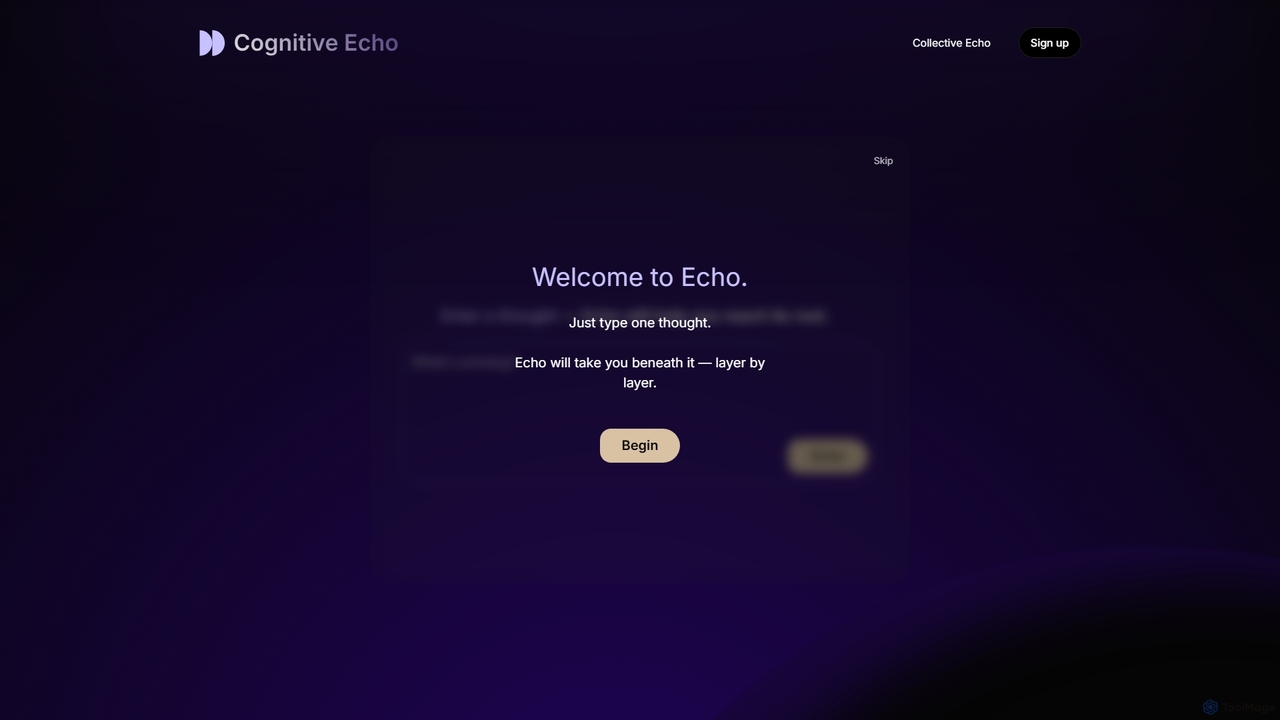
Cognitive Echo

Cognitive Echo

Cognitive Echo is an AI-powered journaling tool designed for deep self-reflection. It guides users to explore their thoughts …

1.8K
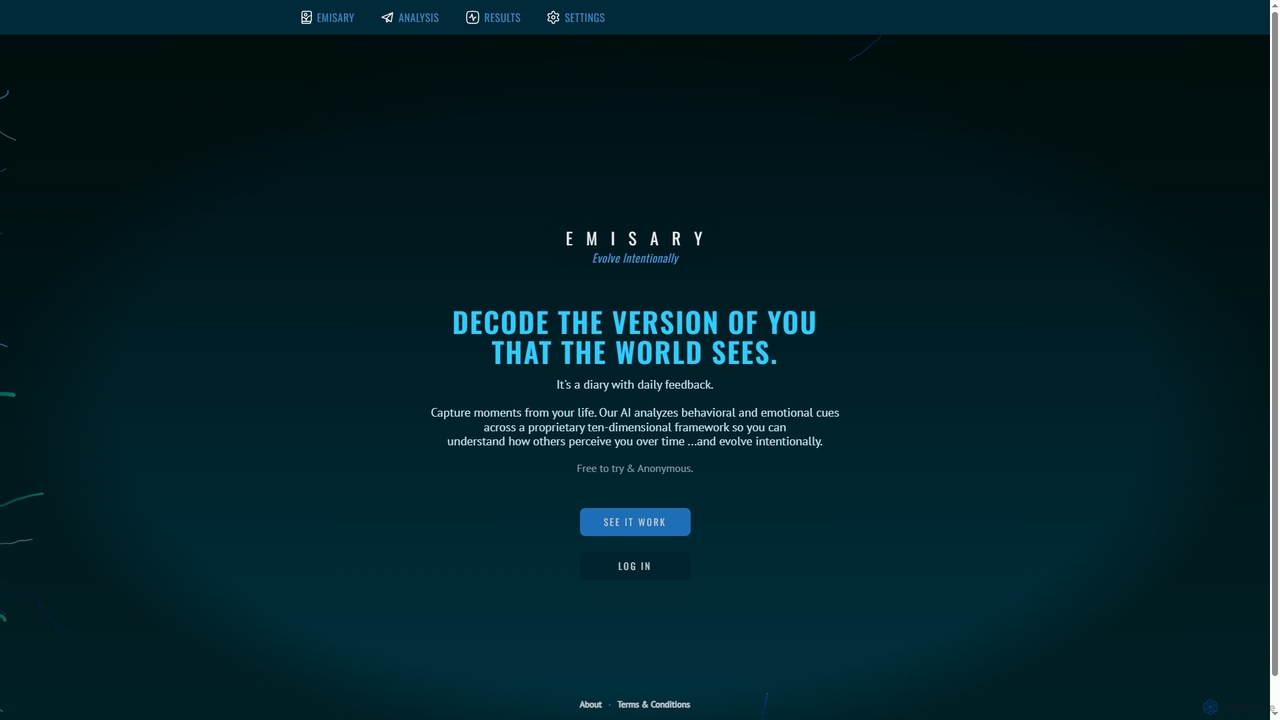
Emisary

Emisary

Emisary is an AI-powered journaling tool that provides daily feedback on how you are perceived by others. By …

1.8K
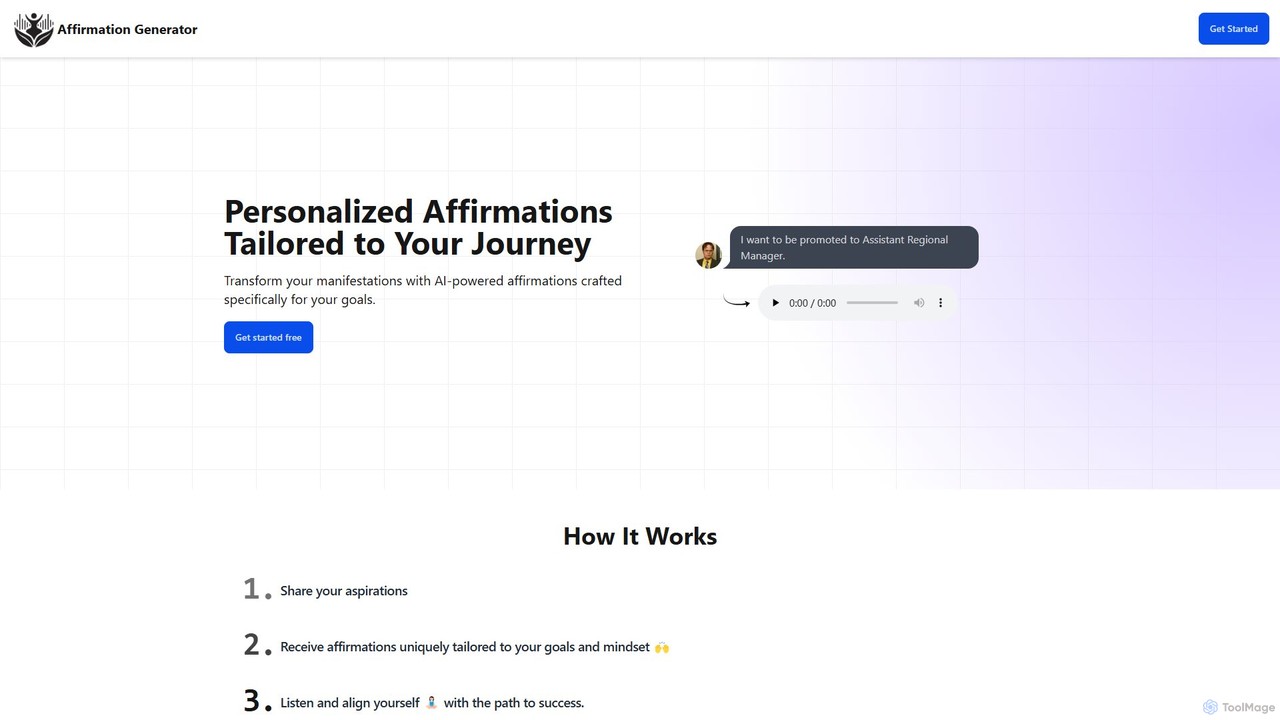
Affirmation-Generator

Affirmation-Generator

Affirmation-Generator is an AI-powered tool that creates personalized affirmation audio tracks tailored to your specific goals. Move beyond …

1.8K
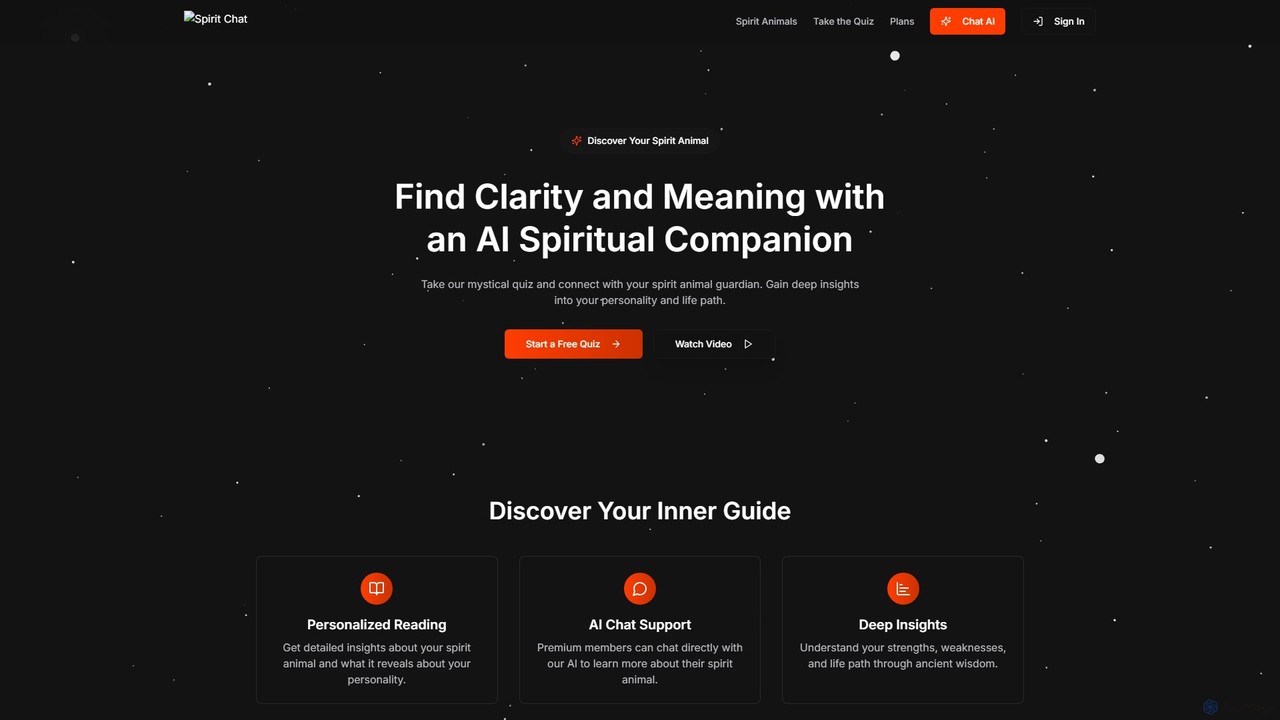
spiritchat

spiritchat

spiritchat is an AI-powered spiritual guide that helps you discover your spirit animal and gain deep insights into …

1.8K
Hadana

Hadana

Hadana is an AI-powered wellness and productivity coach designed to help you achieve a balanced life. It integrates …

1.8K
askquin

askquin

askquin is your personal AI tarot reader, offering precise and empathetic guidance for love, career, and life's challenges. …

3.1K
Squad

Squad

Squad is a group accountability and atomic habit tracker app designed to help you achieve your goals. By …

3.7K

About Mindfulness

Mindfulness AI tools are applications and platforms designed to enhance mental well-being through guided meditation, stress reduction, and emotional regulation. Leveraging artificial intelligence, these tools offer personalized exercises, mood tracking, and cognitive behavioral techniques to foster present moment awareness. They provide accessible pathways for individuals to cultivate inner calm, improve focus, and manage daily stressors effectively, contributing to overall mental resilience within the broader health and wellness landscape.

Core Features

  • Personalized Guided Meditations: AI adapts meditation sessions based on user mood, goals, and progress.
  • Mood & Emotion Tracking: Monitors emotional patterns and provides insights into mental states over time.
  • Stress Reduction Programs: Offers structured exercises and techniques to alleviate anxiety and tension.
  • Biofeedback Integration: Connects with wearables to provide real-time physiological feedback during practice.
  • Mindful Journaling Prompts: AI generates prompts to encourage self-reflection and emotional processing.

Use Cases

Individuals seeking to manage daily stress and anxiety, professionals aiming to improve focus and cognitive performance, or anyone looking to cultivate a more balanced emotional state can benefit. These tools are particularly useful for integrating short, effective mindfulness breaks into busy schedules or for those new to meditation seeking structured guidance.

How to Choose

Evaluate tools based on the variety of guided meditations and programs offered, the depth of personalization through AI, integration capabilities with other health apps or wearables, and the scientific backing of their techniques. Consider user interface, ease of use, and subscription models to find a tool that aligns with personal preferences and long-term wellness goals.

MindfulnessUse Cases

1

Managing Workplace Stress & Burnout

Professionals use mindfulness AI tools to integrate short, guided meditation breaks throughout their workday, reducing stress, improving concentration, and preventing burnout. The AI adapts sessions to fit tight schedules and specific stressors, offering quick mental resets that enhance productivity and well-being without requiring extensive time commitments.

2

Improving Sleep Quality & Relaxation

Individuals struggling with insomnia or restless sleep utilize AI-powered mindfulness apps for pre-sleep meditations, calming soundscapes, and breathing exercises. The tools help quiet the mind, promoting deeper relaxation and a more restorative sleep cycle by guiding users through techniques that reduce mental chatter and physical tension before bedtime.

3

Enhancing Focus & Cognitive Performance

Students and knowledge workers leverage mindfulness AI to train their attention and reduce mental distractions. Personalized exercises, often incorporating biofeedback, help improve sustained focus during study or complex tasks, boosting overall cognitive performance by teaching the mind to stay present and less susceptible to wandering.

4

Emotional Regulation & Anxiety Reduction

Users experiencing anxiety or emotional dysregulation engage with AI tools that offer CBT-informed exercises and mood tracking. The AI provides tailored strategies to identify triggers, reframe negative thoughts, and develop healthier coping mechanisms, empowering individuals to better manage their emotional responses and reduce feelings of overwhelm.

5

Cultivating Daily Gratitude & Positive Mindset

Individuals seeking to foster a more positive outlook use AI-driven journaling prompts and gratitude exercises. The tools encourage daily reflection on positive experiences, helping to shift perspective and build resilience against negative thought patterns by systematically guiding users to acknowledge and appreciate the good in their lives.

6

Supporting Mental Health & Well-being Journeys

Therapists and coaches recommend mindfulness AI tools as supplementary resources for clients. These apps provide accessible, consistent practice between sessions, reinforcing learned techniques and supporting long-term mental wellness goals by offering structured exercises and tracking progress, thereby extending the benefits of professional guidance into daily life.

MindfulnessFrequently Asked Questions