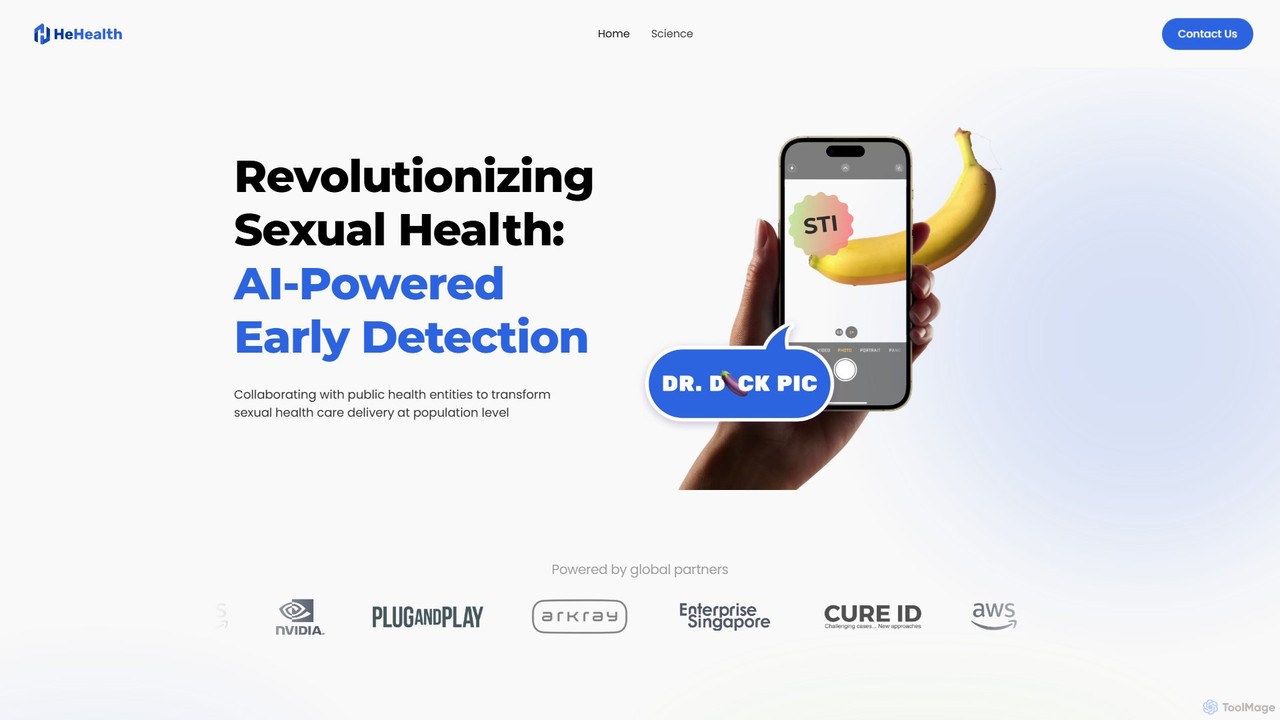
AI Medical Diagnosis tools are a class of advanced software that use artificial intelligence to analyze patient data and assist healthcare professionals in identifying diseases. These tools leverage machine learning algorithms, particularly deep learning and computer vision, to interpret complex medical information such as radiological images, pathology slides, and electronic health records. Their primary value lies in enhancing diagnostic accuracy, accelerating the detection of conditions, and providing quantitative data to support clinical decisions. This technology acts as a powerful aid, helping clinicians to spot subtle patterns that might be missed by the human eye.
Core Features
- Medical Image Analysis: Automatically detects and highlights anomalies in X-rays, CT scans, MRIs, and ultrasounds.
- Predictive Analytics: Forecasts disease risk and progression by analyzing patient history and biomarker data.
- Pathology Interpretation: Analyzes digital pathology slides to identify, count, and classify cells for cancer grading.
- Symptom Analysis: Processes patient-reported symptoms and clinical notes to suggest potential differential diagnoses.
- Genomic Data Analysis: Interprets genetic sequences to identify markers associated with hereditary diseases or treatment responses.
Use Cases
These tools are primarily used in clinical settings such as hospitals, diagnostic laboratories, and specialized clinics. Radiologists, pathologists, oncologists, and other specialists utilize them to improve the efficiency and accuracy of their diagnostic workflows. For instance, a radiologist might use an AI tool to screen hundreds of mammograms for early signs of breast cancer, or a pathologist could use one to automate cell counting in a biopsy sample, leading to faster and more consistent results.
How to Choose
When selecting an AI Medical Diagnosis tool, prioritize solutions with regulatory approvals (e.g., FDA clearance, CE mark). Evaluate the tool's documented clinical performance through peer-reviewed studies and validation data. Assess its ability to integrate seamlessly with existing systems like PACS and Electronic Health Records (EHR). Finally, ensure the provider adheres to strict data security and privacy standards, such as HIPAA or GDPR compliance, to protect sensitive patient information.