
Health & Wellness Best in category 1 results Nutrition AI Tool

Popular AI tools in the Nutrition field of Health & Wellness include Prevess, etc., helping you quickly improve efficiency.

Prevess

Prevess

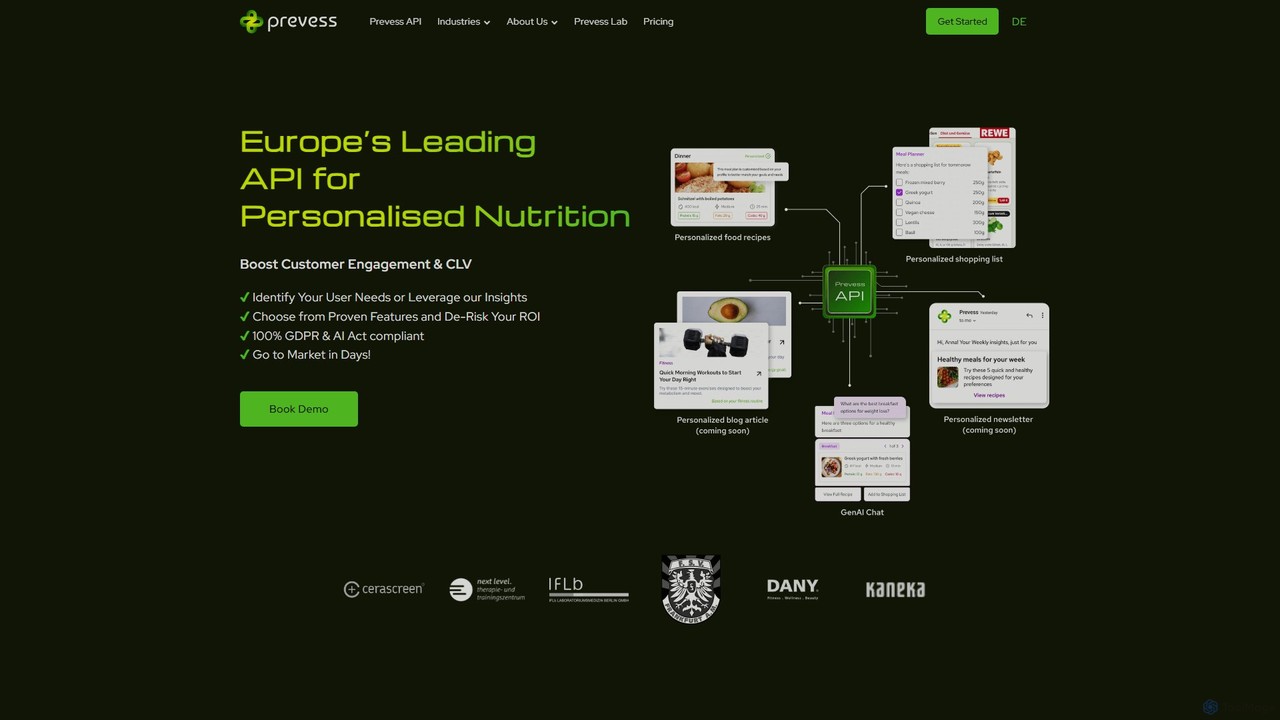
Prevess is a B2B AI-powered API for hyper-personalized nutrition and wellness recommendations. It enables businesses in healthcare, fitness, …

6.7K

About Nutrition

AI Nutrition tools are intelligent applications that use artificial intelligence to deliver personalized dietary guidance and meal planning. These tools analyze a wide range of user data—including dietary preferences, health goals, activity levels, and even biometric information—to generate tailored recommendations. They empower users to track nutrient intake, discover suitable recipes, and make informed food choices to achieve objectives like weight management or muscle building. Unlike static diet plans, AI Nutrition tools adapt dynamically, learning from user feedback and progress to refine their suggestions over time.

Core Features

  • Personalized Meal Planning: Generates daily or weekly meal plans based on individual caloric needs, macronutrient targets, and dietary restrictions.
  • Food Image Recognition: Allows users to log meals by simply taking a photo, with the AI identifying foods and estimating nutritional values.
  • Automated Nutrient Tracking: Accurately calculates calories, proteins, carbohydrates, fats, and micronutrients from logged meals.
  • AI-Powered Coaching & Insights: Provides real-time feedback, identifies nutritional patterns, and offers actionable advice to help users stay on track.

Use Cases

These tools are ideal for individuals focused on weight loss, athletes optimizing their performance diet, and people managing health conditions like diabetes or food allergies. They are also valuable for nutritionists and personal trainers who use the platform's data to monitor and guide their clients more effectively.

How to Choose

When selecting an AI Nutrition tool, consider the accuracy of its food database and image recognition capabilities. Evaluate the depth of personalization—does it account for activity levels, allergies, and specific goals? Also, check for integration with fitness trackers and health apps like Apple Health or Google Fit for a holistic view of your wellness.

NutritionUse Cases

1

Personalized Weight Management Planning

An individual aiming to lose weight uses an AI Nutrition tool to create a sustainable diet plan. After inputting their current weight, height, age, activity level, and weight loss goal, the AI generates a personalized daily calorie target. It then populates a weekly meal plan with breakfast, lunch, and dinner recipes that fit their preferences (e.g., vegetarian, low-carb) and caloric budget. As they log meals, the tool provides real-time feedback on their macronutrient balance and helps them make healthier choices when dining out by analyzing menu items.

2

Optimizing Nutrition for Athletic Performance

A competitive cyclist uses an AI Nutrition app to fuel their training and recovery. The tool syncs with their cycling computer and heart rate monitor to get precise data on calories burned during each session. Based on this data, the AI recommends specific pre-workout snacks to maximize energy and post-workout meals rich in protein and carbohydrates to optimize muscle repair. It helps the athlete periodize their nutrition, aligning higher calorie intake with heavy training days and adjusting for rest days.

3

Managing Chronic Conditions with Diet

A person diagnosed with type 2 diabetes uses an AI Nutrition tool to manage their blood sugar levels. They use the food image recognition feature to quickly log their meals, and the AI automatically calculates the carbohydrate content and estimated glycemic load. The app provides alerts for high-sugar foods and suggests healthier, low-glycemic alternatives. This data can be easily shared with their doctor or dietitian, enabling more effective and collaborative management of their condition.

4

Streamlining Family Meal Planning

A parent is tasked with planning meals for a family with diverse dietary needs: one child is a picky eater, and their partner has a gluten intolerance. They use an AI Nutrition tool to generate a weekly meal plan that satisfies everyone. The AI suggests recipes that can be easily adapted, such as a pasta dish where gluten-free pasta can be substituted. It also generates a consolidated shopping list, saving time and reducing the mental load of accommodating multiple dietary requirements.

5

Instant Nutritional Analysis for Busy Professionals

A busy professional who frequently eats out for business lunches uses an AI Nutrition tool to stay on track with their health goals. Before ordering at a restaurant, they can search for the menu item in the app's extensive database or take a picture of their food upon arrival. The AI provides an instant estimate of the calories, fat, and sodium content, allowing them to make an informed decision that aligns with their dietary targets without tedious manual data entry.

6

Data-Driven Coaching for Nutritionists

A registered dietitian uses an AI-powered platform to manage their clients. Clients log their meals through an easy-to-use app, and the dietitian can view their food diaries in real-time on a professional dashboard. The AI automatically analyzes the data, highlighting trends such as low fiber intake or excessive saturated fats. This allows the dietitian to provide highly personalized, timely, and data-backed advice during consultations, moving beyond generic recommendations.

NutritionFrequently Asked Questions