Lifestyle Best in category 2 results Planning AI Tool

Popular AI tools in the Planning field of Lifestyle include Tatship、SavvyScout, etc., helping you quickly improve efficiency.

Tatship

Tatship

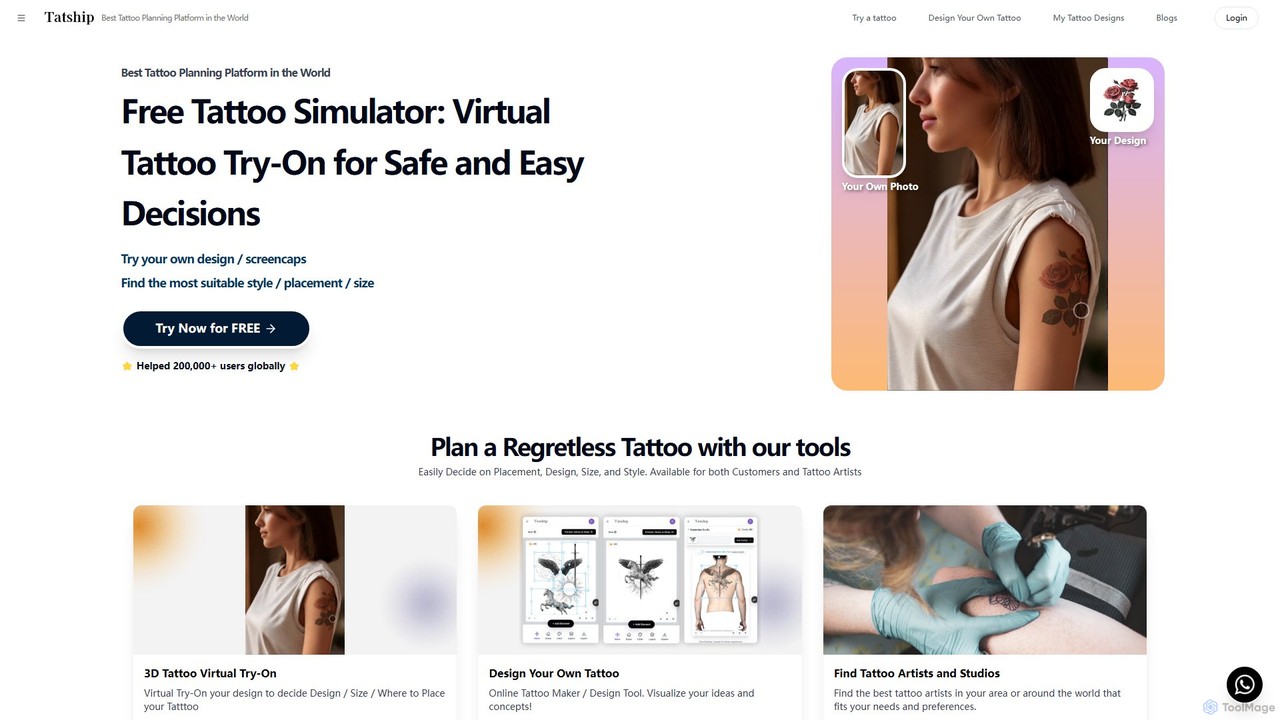
Tatship is an AI-powered tattoo planning platform that allows users to virtually try on tattoo designs on their …

204.3K
SavvyScout

SavvyScout

SavvyScout is an AI-powered flight search engine that simplifies finding the best airfare deals. Users can input their …

2.9K

About Planning

AI Planning tools are intelligent software solutions designed to assist individuals and organizations in structuring tasks, setting goals, and optimizing resource allocation. Leveraging advanced algorithms and machine learning, these tools analyze data to generate actionable plans, schedules, and strategic roadmaps. They empower users to enhance productivity, make informed decisions, and achieve objectives more efficiently within various aspects of lifestyle and work, serving as a key component of modern lifestyle management.

Core Features

  • Goal Setting & Tracking: Define, prioritize, and monitor progress towards personal or professional objectives.
  • Automated Scheduling: Intelligently arrange tasks, appointments, and events based on priorities and availability.
  • Resource Optimization: Allocate time, budget, and personnel effectively to maximize output and minimize waste.
  • Decision Support: Provide data-driven insights and recommendations to aid in complex planning choices.
  • Progress Monitoring & Adaptation: Track plan execution and suggest adjustments based on real-time changes.

Use Cases

AI Planning tools are widely adopted by individuals seeking personal growth, project managers coordinating complex initiatives, and businesses optimizing operational workflows. They are particularly useful in scenarios requiring dynamic adjustments, such as event planning, academic study scheduling, or managing personal finance goals, where traditional methods fall short in adaptability.

How to Choose

When selecting an AI Planning tool, consider its scope (personal, team, or enterprise), integration capabilities with existing calendars and productivity apps, and the level of automation offered. Evaluate the customization options for goal setting and scheduling rules, the clarity of its analytical insights, and its user interface for ease of adoption and ongoing use.

PlanningUse Cases

1

Automating Personal Daily Schedules

For busy professionals or students, AI planning tools can analyze calendar entries, task lists, and personal preferences to automatically generate an optimized daily schedule. This helps prioritize urgent tasks, allocate time for breaks, and ensure all commitments are met, significantly reducing manual scheduling effort and mental load, leading to a more balanced lifestyle.

2

Optimizing Project Timelines for Teams

Project managers can leverage AI planning tools to create and optimize complex project timelines. By inputting task dependencies, resource availability, and deadlines, the AI can identify critical paths, suggest optimal task sequencing, and highlight potential bottlenecks. This ensures projects stay on track, resources are efficiently utilized, and delivery dates are met with higher predictability.

3

Strategic Business Goal Setting

Business leaders and entrepreneurs can use AI planning tools to define and align strategic business goals. The AI can help break down high-level objectives into measurable key results (OKRs), suggest actionable initiatives, and track progress against these goals. This ensures organizational efforts are focused, resources are allocated to high-impact areas, and long-term vision is translated into concrete steps.

4

Managing Personal Finance & Budgeting

Individuals can utilize AI planning tools to manage personal finances and create effective budgets. By integrating with banking data (with user permission), the AI can analyze spending patterns, categorize expenses, and suggest savings opportunities. It can also help set financial goals, such as saving for a down payment or retirement, and provide a personalized plan to achieve them, fostering better financial health.

5

Event Planning & Coordination

Event organizers, whether for personal gatherings or large corporate events, can use AI planning tools to streamline coordination. The AI can assist with guest list management, venue selection, vendor scheduling, and budget tracking. It can also predict potential logistical challenges and suggest alternative solutions, ensuring a smoother event execution and reducing stress for planners.

6

Academic Study & Research Planning

Students and researchers can leverage AI planning tools to organize their academic workload, study schedules, and research projects. The AI can help break down large assignments into manageable steps, suggest optimal study times based on personal learning patterns, and track progress across multiple courses or research phases. This enhances academic efficiency and helps in meeting deadlines consistently.

PlanningFrequently Asked Questions