Lifestyle Best in category 8 results Recommendation Engine AI Tool

Popular AI tools in the Recommendation Engine field of Lifestyle include Taste、Hypelist、MovieWiser、filmfinder、LavieTaste.AI、GPTflix、VastraAI、Streamie, etc., helping you quickly improve efficiency.

VastraAI

VastraAI

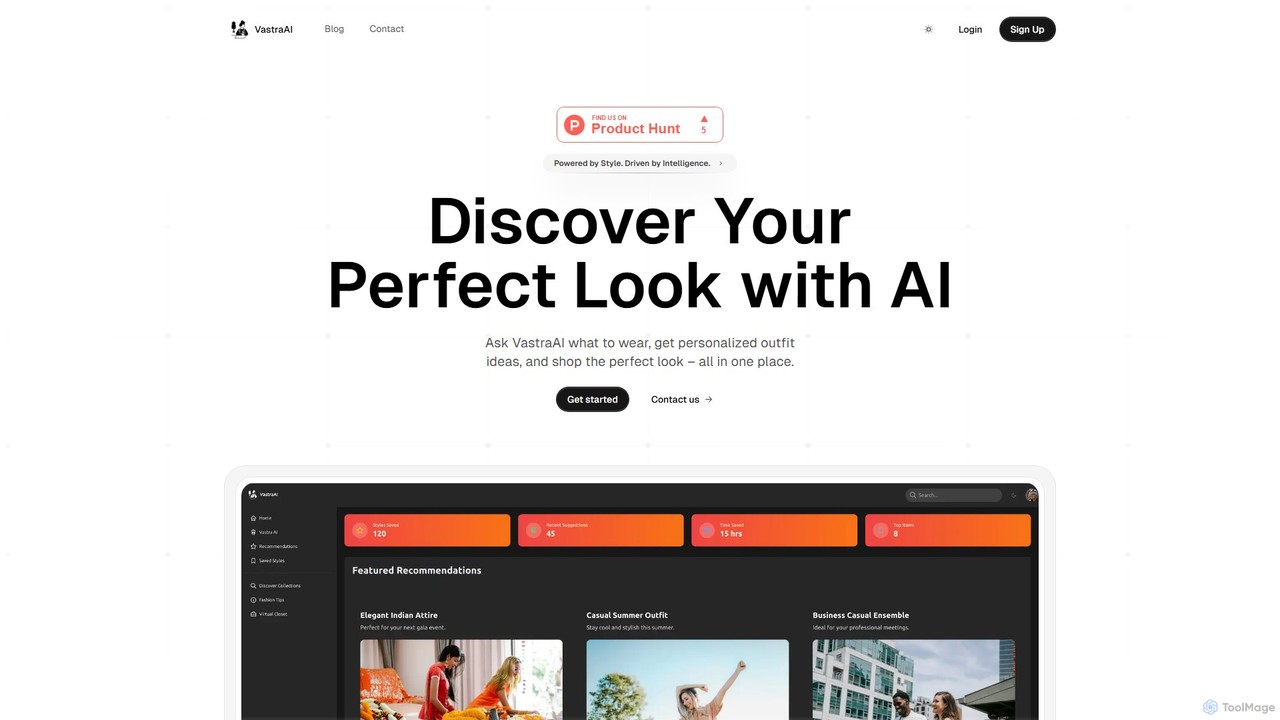
VastraAI is an AI-powered personal stylist that provides instant, personalized fashion recommendations. Through a conversational interface, users can …

3.0K
Taste

Taste

Taste is a personalized recommendation platform for movies and TV shows. It connects you with likeminded people to …

311.2K
MovieWiser

MovieWiser

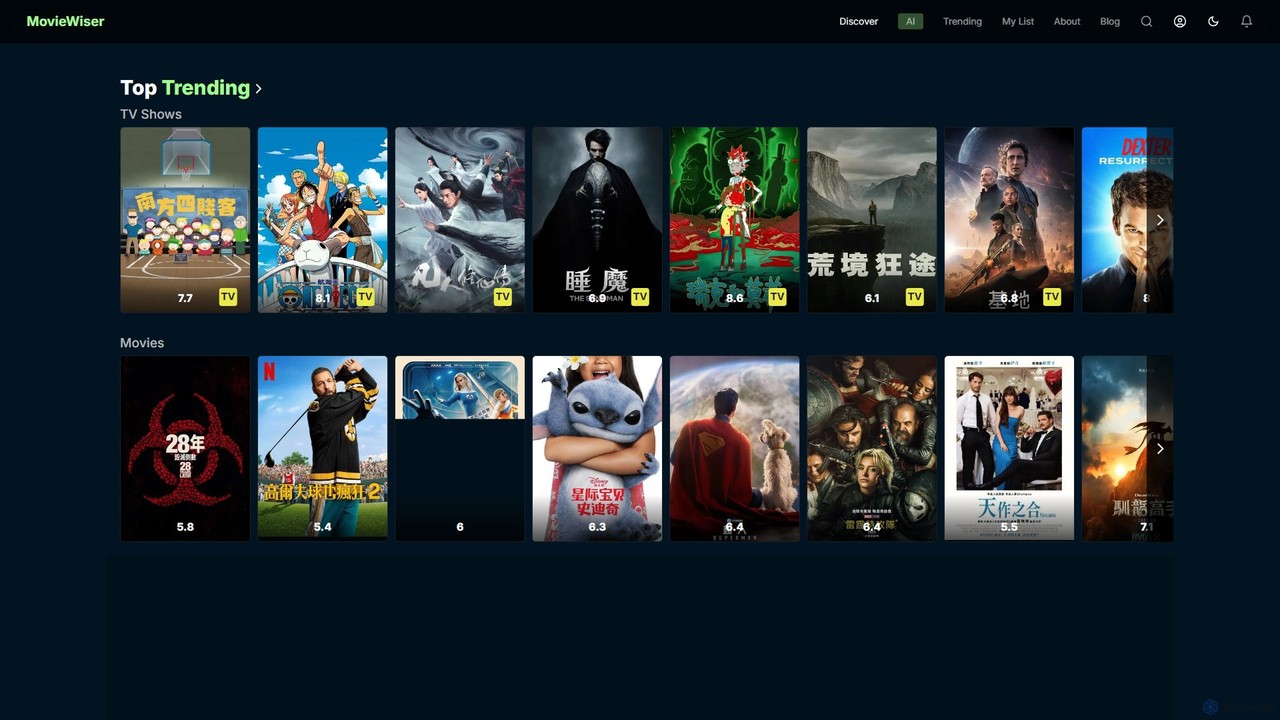
MovieWiser is an AI-powered recommendation engine that helps you discover movies and TV series based on your mood …

48.2K
Free
GPTflix

GPTflix

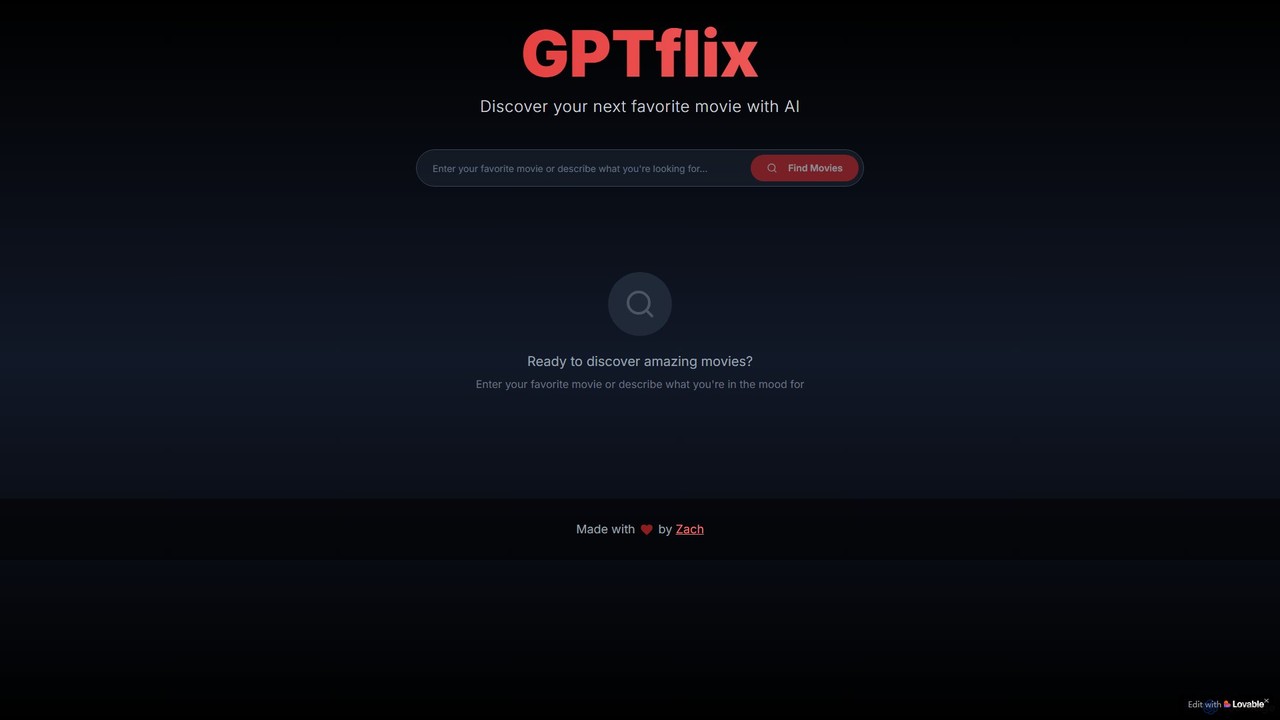
GPTflix is an AI-powered movie recommendation engine that helps you discover your next favorite film. Simply describe your …

3.8K
Free
filmfinder

filmfinder

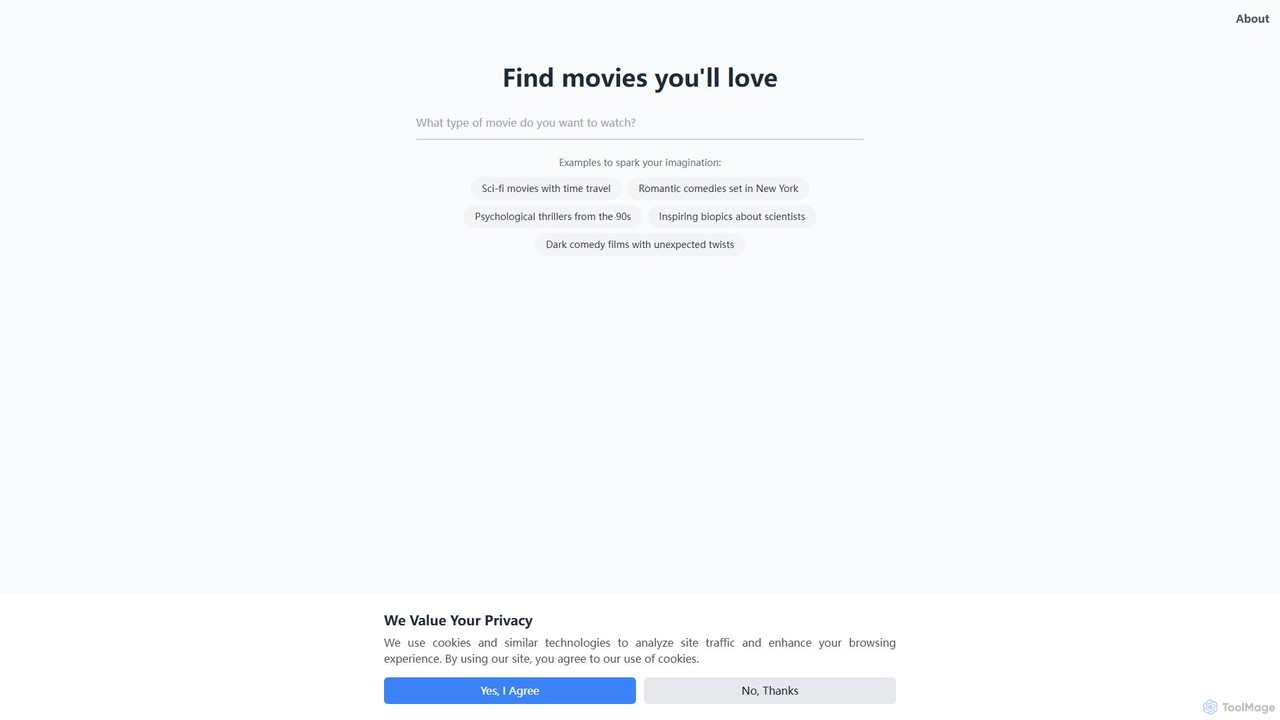
filmfinder is a GenAI-powered movie recommendation engine that helps you discover films you'll love. Simply describe the type …

7.8K
Free
LavieTaste.AI

LavieTaste.AI

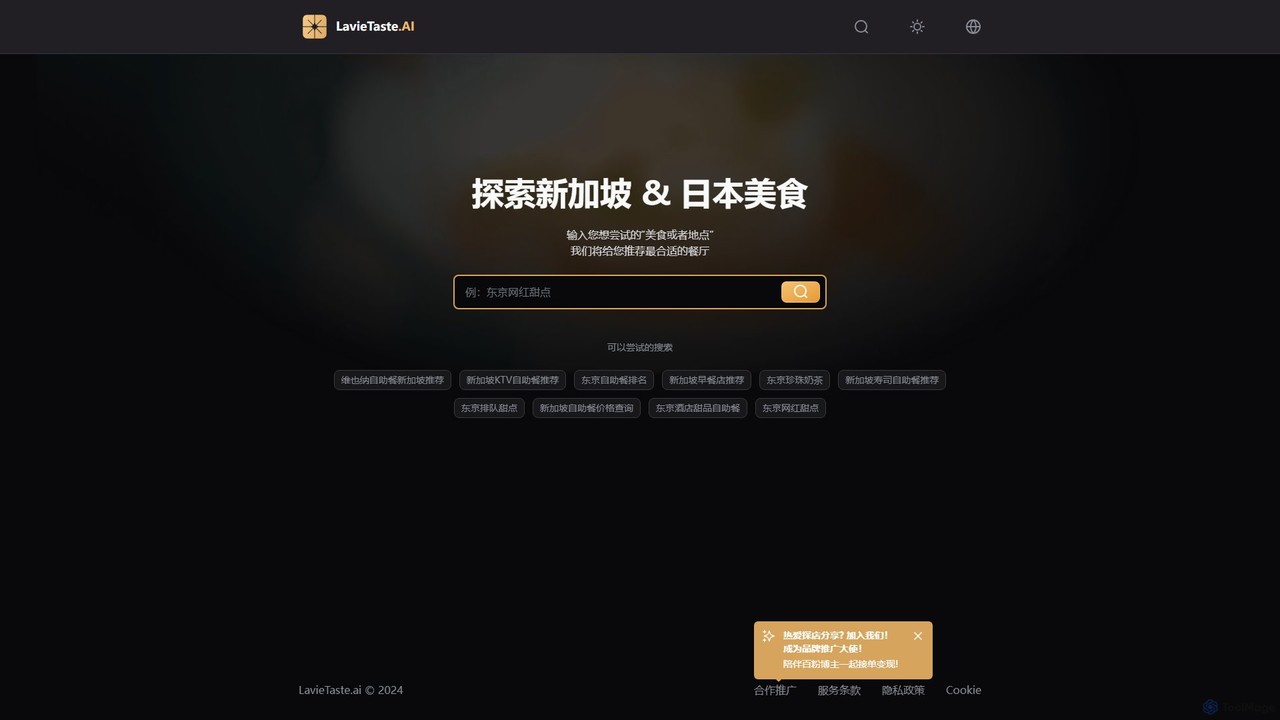
LavieTaste.AI is an AI-powered food discovery platform specializing in restaurant recommendations for Singapore and Japan. Simply enter your …

6.2K
Hypelist

Hypelist

Hypelist is an AI-powered app for creating and organizing lists of everything you love. From movies and books …

84.2K
Streamie

Streamie

Streamie is an AI-powered recommendation engine that helps you discover the perfect movie or TV show. By answering …

3.0K

About Recommendation Engine

A Recommendation Engine is a type of AI system designed to predict user preferences and suggest relevant items, such as products, content, or services. These engines analyze vast amounts of data, including user behavior, item attributes, and contextual information, using machine learning algorithms like collaborative and content-based filtering. Their primary value lies in creating personalized experiences that increase user engagement, drive sales, and improve customer retention. As a key component of the digital Lifestyle, these tools directly shape how users discover and interact with content and products daily.

Core Features

  • Personalized Suggestions: Generates recommendations tailored to an individual's past behavior, ratings, and profile data.
  • Collaborative Filtering: Suggests items based on the preferences and actions of similar users.
  • Content-Based Filtering: Recommends items that share attributes with those a user has previously liked or interacted with.
  • Real-Time Adaptation: Updates suggestions instantly based on the user's current session activity and interactions.
  • Performance Analytics: Provides dashboards to track key metrics like click-through rates, conversion, and recommendation effectiveness.

Use Cases

Recommendation Engines are widely used in e-commerce, media streaming services, news platforms, and social networks. They are essential for roles like product managers aiming to increase user engagement, marketers personalizing campaigns, and developers building dynamic user experiences. For example, an online store might use it to power a "You Might Also Like" section, while a video platform uses it to curate a personalized home feed.

How to Choose

When selecting a Recommendation Engine, consider its scalability to handle your user and item volume. Evaluate the ease of integration with your existing platform via APIs or plugins. Assess the level of algorithm customization available to align with your business goals. Finally, understand its data requirements and ensure you can provide the necessary user interaction data for it to function effectively.

Recommendation EngineUse Cases

1

Enhancing E-commerce Sales with Product Recommendations

E-commerce managers use recommendation engines to display dynamic sections like "Customers Also Bought" or "Top Picks for You." By analyzing a user's browsing history, items in their cart, and past purchases, the engine suggests highly relevant products. This strategy is proven to increase the average order value, improve product discovery, and foster customer loyalty by making the shopping experience more personal and efficient.

2

Personalizing Content Discovery for Streaming Platforms

For media platforms (video, music, podcasts), product managers implement recommendation engines to create personalized homepages and "For You" playlists. The system analyzes viewing/listening history, user ratings, and genre preferences to suggest new content. This keeps users engaged for longer periods, reduces churn by consistently offering fresh and relevant content, and helps smaller creators get discovered by the right audience.

3

Increasing Reader Engagement with Personalized Articles

Digital publishers and news websites use recommendation engines to combat information overload. By tracking the topics, authors, and categories a user engages with, the system can surface related articles or opinion pieces they are likely to find interesting. This not only increases the time spent on the site and the number of articles read per session but also helps build a loyal readership that values the curated content experience.

4

Fostering Connections on Social Media Platforms

Social media platforms leverage recommendation engines to suggest "People You May Know" or "Groups to Join." The engine analyzes a user's existing network, profile information (like school or workplace), and interaction patterns to identify potential new connections. This enhances network growth, increases user activity, and makes the platform feel more relevant and community-oriented for each individual user.

5

Driving Conversions with Personalized Email Marketing

Marketing teams integrate recommendation engines with their email automation tools. This allows them to send highly personalized campaigns featuring products or content specifically recommended for each recipient based on their recent website activity. For example, an email might showcase items related to a product a user recently viewed but didn't purchase. This targeted approach leads to significantly higher open rates, click-through rates, and conversions compared to generic newsletters.

6

Improving User Onboarding with In-App Suggestions

For complex software or mobile apps, developers can use a recommendation engine to guide new users. Based on a user's initial actions and profile setup, the engine can suggest relevant features to explore, tutorials to watch, or next steps to take. This creates a guided, personalized onboarding experience that helps users understand the product's value faster, leading to higher activation rates and long-term retention.

Recommendation EngineFrequently Asked Questions