Lifestyle Best in category 4 results Tourism AI Tool

Popular AI tools in the Tourism field of Lifestyle include WeGoTrip、Copilot2trip、Forgemytrip、WhatDo, etc., helping you quickly improve efficiency.

WeGoTrip

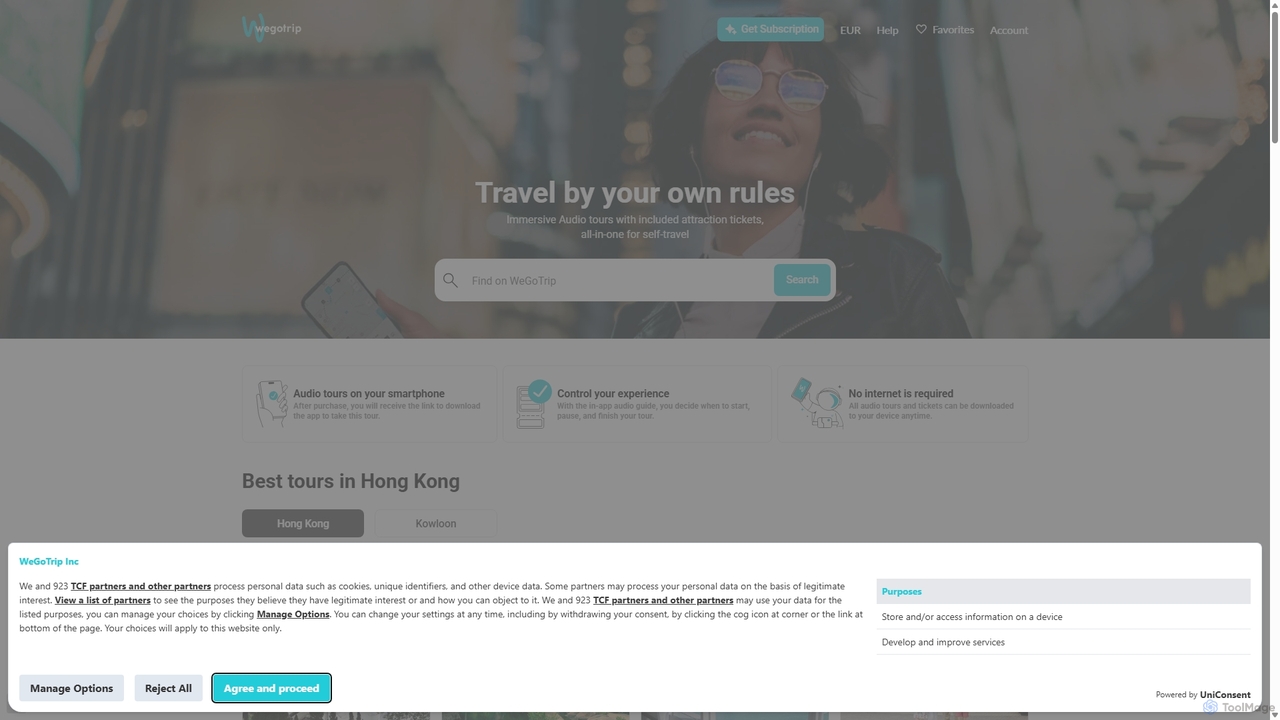
WeGoTrip

WeGoTrip is a travel app that transforms your smartphone into a personal tour guide. It offers a vast …

33.9K
WhatDo

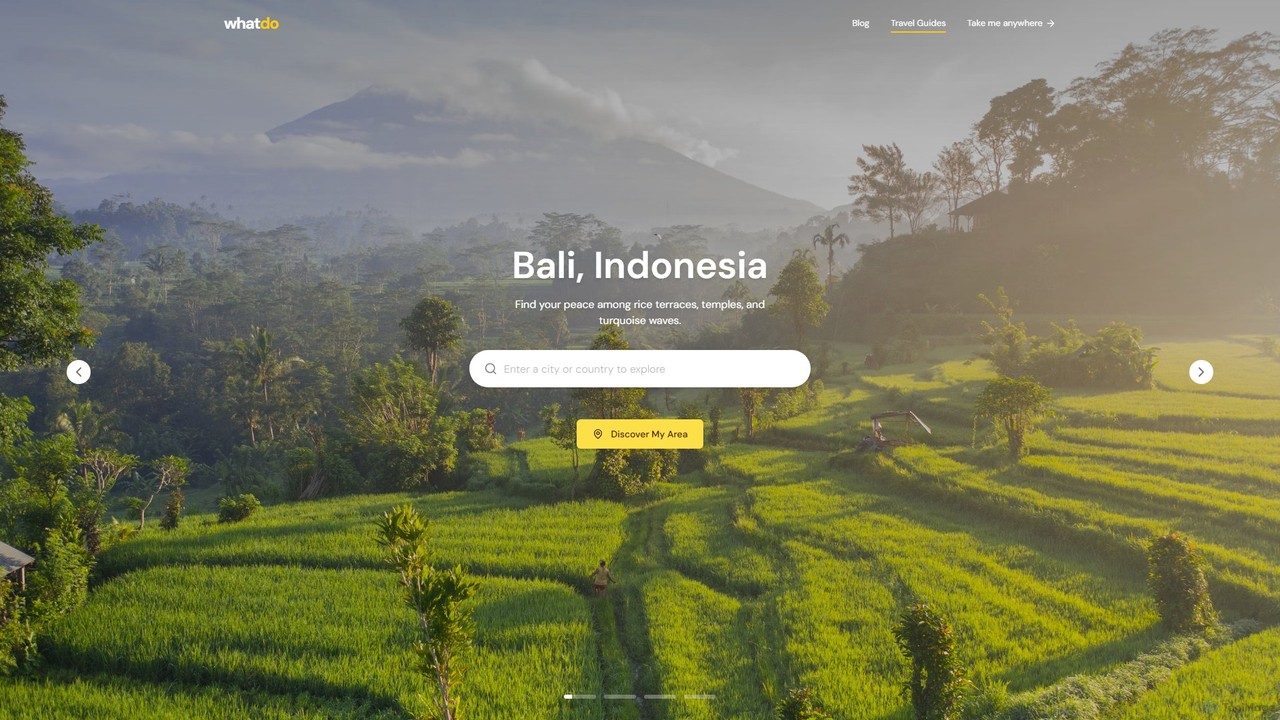
WhatDo

WhatDo is an AI-powered travel planner that creates personalized and comprehensive travel itineraries. Trusted by millions, it covers …

3.2K
Forgemytrip

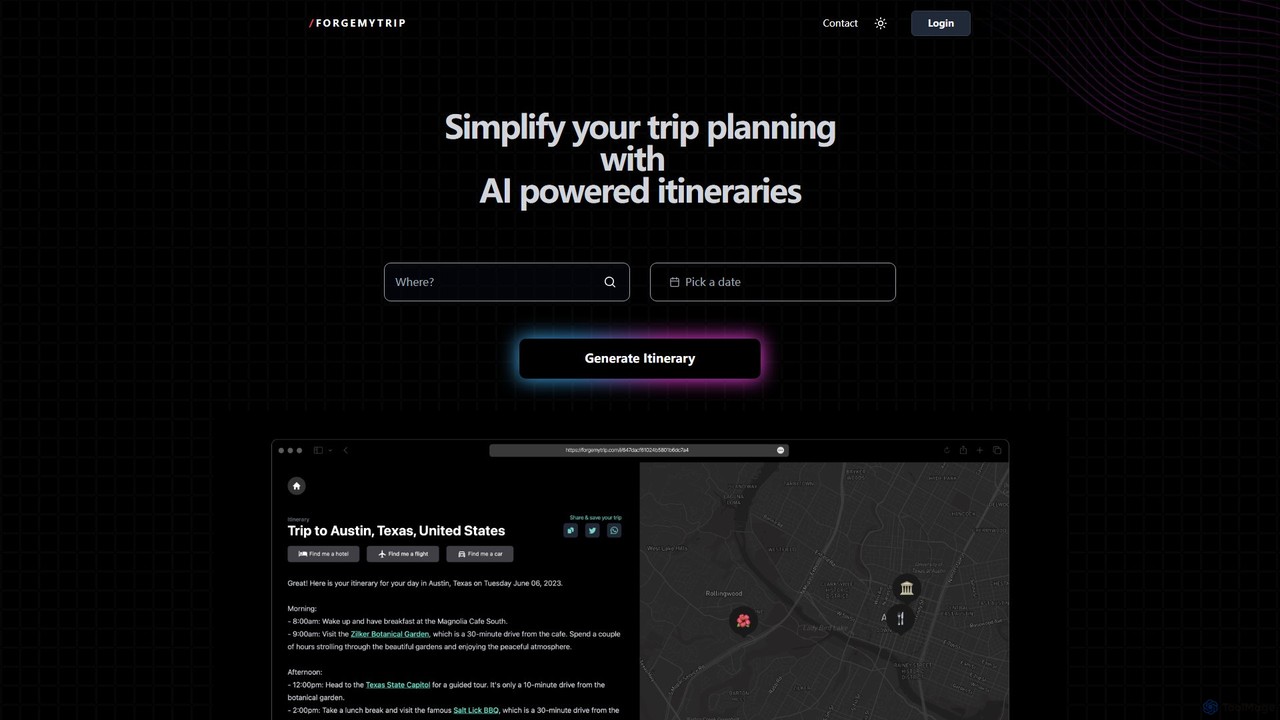
Forgemytrip

Forgemytrip is an AI-powered travel planner that simplifies trip creation. Just enter your destination and dates, and the …

3.7K
Free
Copilot2trip

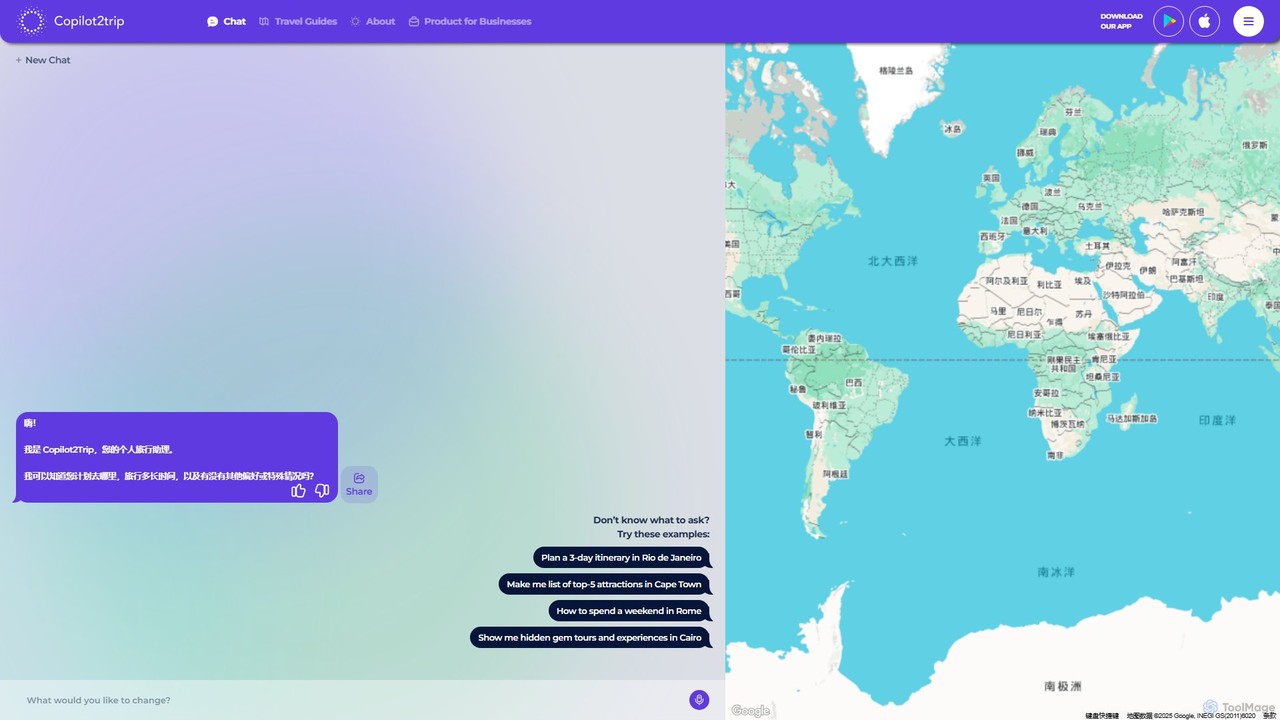
Copilot2trip

Copilot2trip is a free AI-powered travel assistant that creates personalized, detailed travel itineraries through a simple chat interface. …

5.1K

About Tourism

AI Tourism tools are a class of applications that use artificial intelligence to simplify and enhance travel planning and experiences. These platforms analyze vast amounts of data, including user preferences, real-time pricing, and geographical information, to generate personalized itineraries and recommendations. They empower travelers to create optimized trips, discover unique local attractions, and find cost-effective booking options with minimal effort. By automating complex research and logistics, these tools transform how individuals and businesses approach travel.

Core Features

  • Intelligent Itinerary Generation: Automatically creates detailed, day-by-day travel plans based on interests, budget, and pacing preferences.
  • Predictive Price Analysis: Forecasts flight and accommodation price trends to recommend the optimal time to book.
  • Personalized Recommendations: Suggests restaurants, attractions, and hidden gems tailored to individual user tastes and past behavior.
  • Real-Time Trip Assistance: Provides on-the-go support, such as dynamic route adjustments and local event notifications.
  • Travel Content Creation: Assists in generating blog posts, social media captions, or trip summaries about travel experiences.

Applicable Scenarios

These tools are ideal for individual travelers planning complex, multi-destination journeys, families seeking kid-friendly activities, and business travelers needing efficient logistics. Travel agencies also use them to quickly draft customized tour packages for clients, while content creators leverage them to brainstorm and outline travel-related articles and posts.

How to Choose

When selecting an AI Tourism tool, consider the depth of its destination database and the freshness of its data. Evaluate the level of customization allowed in itinerary planning and its ability to integrate with external booking platforms. Also, assess the user interface for ease of use, especially on mobile devices for on-the-go access during a trip.

TourismUse Cases

1

Automated Multi-Week European Itinerary Planning

A solo traveler planning a three-week backpacking trip across Europe uses an AI tourism tool to streamline the process. By inputting their budget, preferred travel pace (e.g., relaxed), and interests like history and hiking, the tool generates a logical, day-by-day itinerary. It suggests a route from Amsterdam to Rome, recommends train travel between cities, finds highly-rated hostels near city centers, and even allocates time for specific museums and trails. This saves dozens of hours of manual research and coordination across multiple booking websites.

2

Creating a Thematic Travel Blog Post

A travel blogger wants to write an article titled "A 7-Day Culinary Journey Through Tokyo." They use an AI tool's content generation feature to get started. The AI provides a structured outline, including daily themes like "Tsukiji Market Breakfast," "Ramen Exploration in Shinjuku," and "Refined Kaiseki Dinner in Ginza." It also suggests specific, highly-rated restaurants for each theme, provides interesting historical facts about Japanese cuisine, and even drafts engaging social media captions to promote the final article, significantly speeding up the content creation workflow.

3

Designing a Custom Honeymoon Package

A travel agent is tasked with creating a unique 10-day honeymoon package for a client couple who loves both adventure and relaxation. The agent inputs the couple's profile—a budget of $8,000, a preference for tropical destinations, and interests in scuba diving and spa treatments. The AI tool proposes a tailored itinerary for Bali, Indonesia. It combines stays at a secluded beachfront villa with a private PADI diving course, schedules couples' massages, and recommends romantic sunset dinner spots, presenting a complete, bookable package in minutes.

4

Real-Time Discovery for Spontaneous Travelers

A tourist arrives in Lisbon with no fixed plans. They use a mobile AI travel assistant to explore the city spontaneously. Based on their current location in the Alfama district and the time of day, the app recommends visiting the nearby São Jorge Castle before the crowds arrive. It then suggests a local Fado restaurant for the evening and provides walking directions. When it starts to rain unexpectedly, the app sends a notification suggesting a visit to the nearby National Tile Museum as an indoor alternative, dynamically adapting to real-time conditions.

5

Optimizing Corporate Travel Logistics

A corporate travel manager needs to arrange a trip for a team of five employees attending a conference in Berlin. Using an AI tourism tool, they input the conference dates, location, and the company's travel policy (e.g., economy flights, 4-star hotels within a specific budget). The AI analyzes hundreds of flight and hotel combinations to find the most cost-effective option that minimizes travel time and keeps all team members in the same hotel. It presents a clear comparison of options, allowing the manager to book the entire trip in a single, efficient process.

6

Planning a Family-Friendly Road Trip

A family with two young children (ages 6 and 9) is planning a road trip along the California coast. They use an AI planner to create an itinerary that caters to everyone's needs. The tool specifically identifies attractions with high family ratings, such as the Monterey Bay Aquarium and Santa Monica Pier. It also plans driving segments to be no longer than three hours at a time and suggests stops at parks or playgrounds along the route. The final plan includes pre-booked family-friendly hotels and restaurant recommendations with kids' menus, ensuring a smoother and more enjoyable trip.

TourismFrequently Asked Questions