Vulse
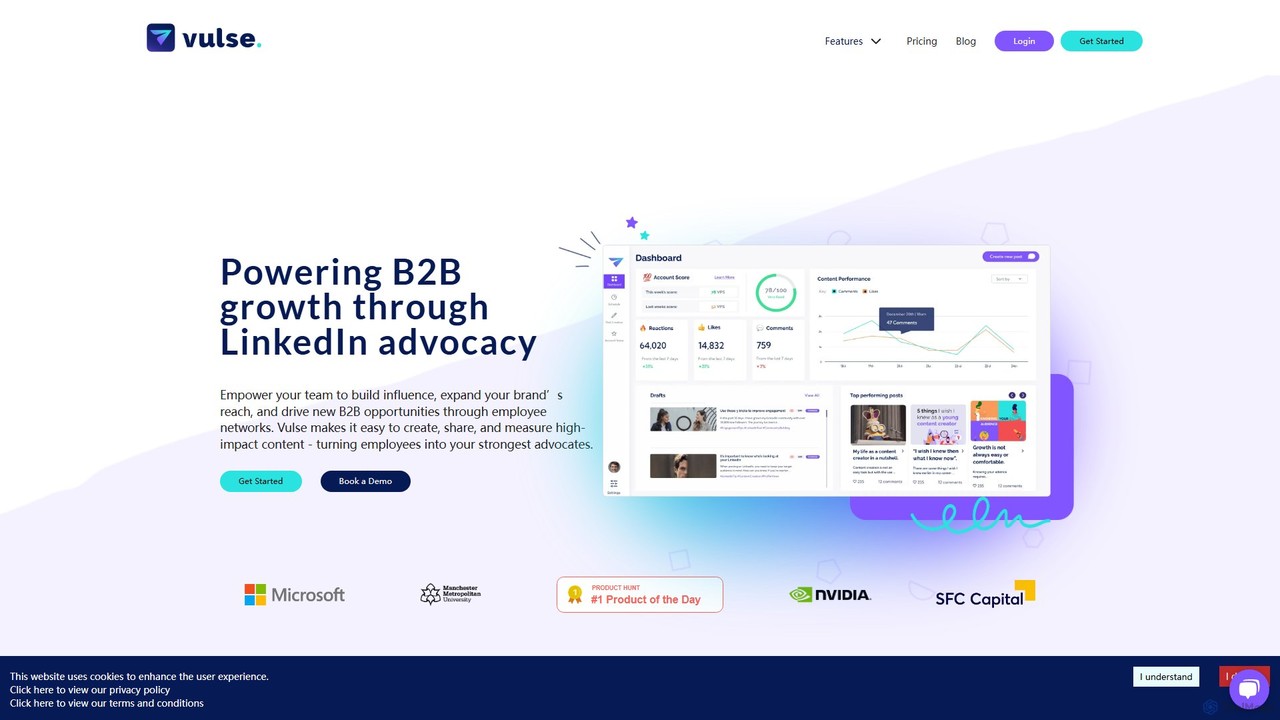
Vulse is an AI-powered B2B platform designed to enhance LinkedIn presence through employee advocacy and content creation. It …
Vulse is an AI-powered B2B platform designed to enhance LinkedIn presence through employee advocacy and content creation. It helps professionals and teams generate high-impact, tone-matched content, schedule posts, and analyze performance. By leveraging LinkedIn's official API, Vulse streamlines content strategy, boosts engagement, and turns employees into powerful brand advocates, driving B2B growth.
FiscalNote
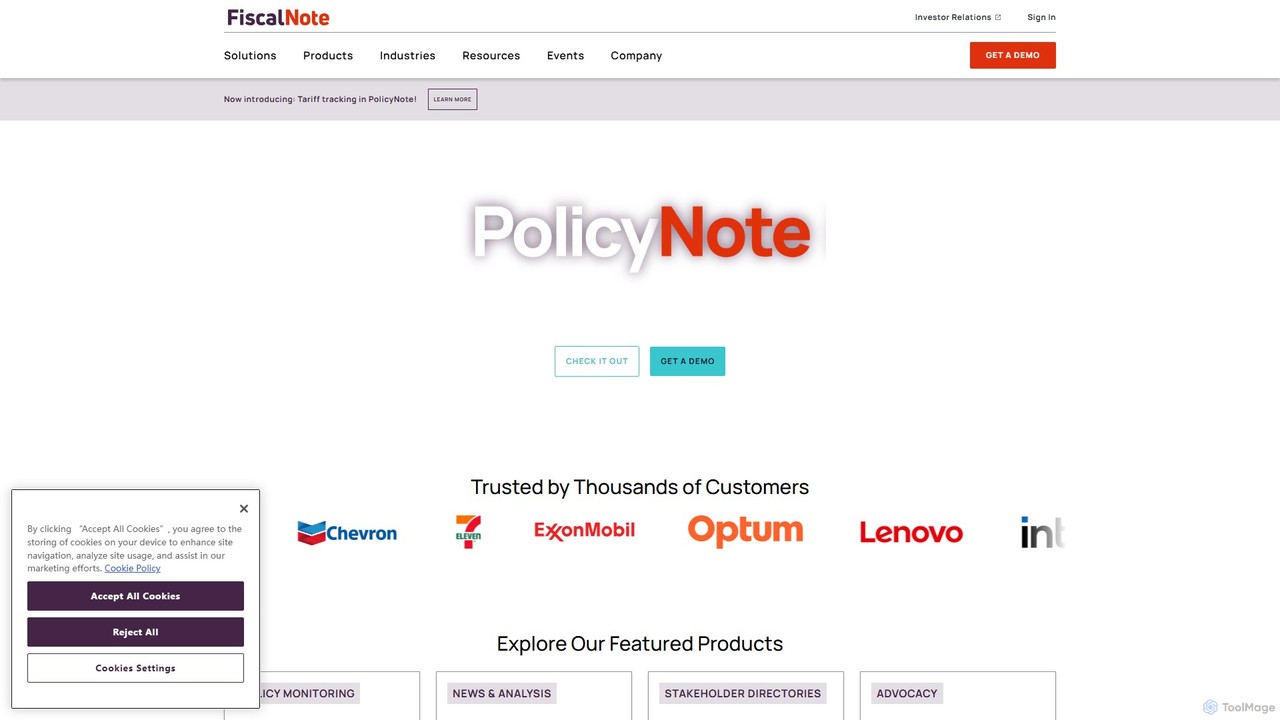
FiscalNote is an AI-powered platform for global policy and market intelligence. It helps organizations understand and act on …
FiscalNote is an AI-powered platform for global policy and market intelligence. It helps organizations understand and act on legislative and regulatory changes by providing real-time data, in-depth analysis, and stakeholder engagement tools. Ideal for government affairs, legal, and risk management professionals.
About Advocacy
AI Advocacy tools are a specialized category within Marketing AI, designed to identify, engage, and empower brand advocates to amplify a company's message. These tools leverage artificial intelligence to analyze customer data, social media interactions, and engagement patterns, enabling businesses to cultivate genuine relationships with their most passionate supporters. By automating the process of finding and nurturing advocates, these platforms help drive organic growth, enhance brand credibility, and generate authentic user-generated content, significantly boosting marketing efforts.
Core Features
- Advocate Identification: AI algorithms analyze customer data and social media to pinpoint individuals with high advocacy potential.
- Personalized Engagement: Deliver tailored content, messages, and calls to action to advocates based on their preferences and past interactions.
- Content Amplification: Provide advocates with easy-to-share brand content and track its distribution across various channels.
- Performance Tracking & Reporting: Monitor advocate activities, measure their impact on brand reach, engagement, and conversions.
- Referral & Reward Management: Automate the setup, tracking, and payout of referral programs and advocate incentives.
Use Cases
AI Advocacy tools are invaluable for marketing managers, community managers, and PR professionals seeking to harness the power of word-of-mouth marketing. They are used to transform satisfied customers into active promoters, manage employee advocacy initiatives, and scale referral programs, turning authentic support into measurable marketing results.
How to Choose
When selecting an AI Advocacy tool, consider its integration capabilities with existing CRM and marketing automation platforms, the sophistication of its AI for advocate identification and personalization, the breadth of its engagement features, and its reporting and analytics dashboards. Evaluate also the ease of use for both administrators and advocates, and the scalability to grow with your advocacy programs.
AdvocacyUse Cases
Identifying High-Potential Brand Ambassadors
A marketing manager uses AI advocacy tools to scan customer databases and social media for individuals who frequently engage with the brand, leave positive reviews, or mention the brand organically. The AI identifies top candidates based on influence, engagement, and sentiment, allowing the manager to invite them into an exclusive ambassador program, fostering deeper loyalty and organic promotion.
Automating Personalized Advocate Outreach
A community manager leverages AI to send personalized messages and content suggestions to a large base of brand advocates. The AI analyzes each advocate's past sharing behavior and interests to recommend relevant articles, social media posts, or product updates, ensuring advocates receive content they are most likely to share, thus maximizing content amplification.
Streamlining User-Generated Content Collection
A content creator for an e-commerce brand utilizes AI advocacy tools to encourage customers to submit photos and videos of themselves using products. The AI prompts satisfied customers at optimal times, provides easy submission pathways, and even helps curate the best submissions, significantly increasing the volume of authentic, high-quality user-generated content for marketing campaigns.
Managing Employee Advocacy Programs
An HR and internal communications team implements an AI advocacy platform to empower employees to share company news, achievements, and job openings on their personal social networks. The tool provides a curated content library, tracks employee sharing activity, and measures the collective reach and engagement generated, transforming employees into powerful brand voices.
Boosting Product Launches through Referrals
A product marketing team integrates AI advocacy tools into a new product launch strategy. The AI identifies early adopters and loyal customers, automatically enrolling them in a referral program. It tracks successful referrals, automates reward distribution, and provides insights into which advocates are driving the most new customer acquisitions, accelerating initial sales and market penetration.
Tracking and Rewarding Influencer/Advocate Performance
A PR specialist uses AI advocacy tools to monitor the performance of micro-influencers and brand advocates. The platform tracks mentions, shares, engagement rates, and even conversions attributed to each advocate. This data allows the specialist to identify top performers, optimize future campaigns, and ensure fair and timely rewards for their contributions, fostering long-term partnerships.