ToolMage
Sign in

Best 9 Legal AI tools for Business

Popular Legal AI tools in Business include HelloSign, UserWay, boloforms, StampJam, FiscalNote, easyaudit, Alexa Translations, spryngtime, and PalyPDF, helping you work more efficiently.

HelloSign
Freemium

HelloSign

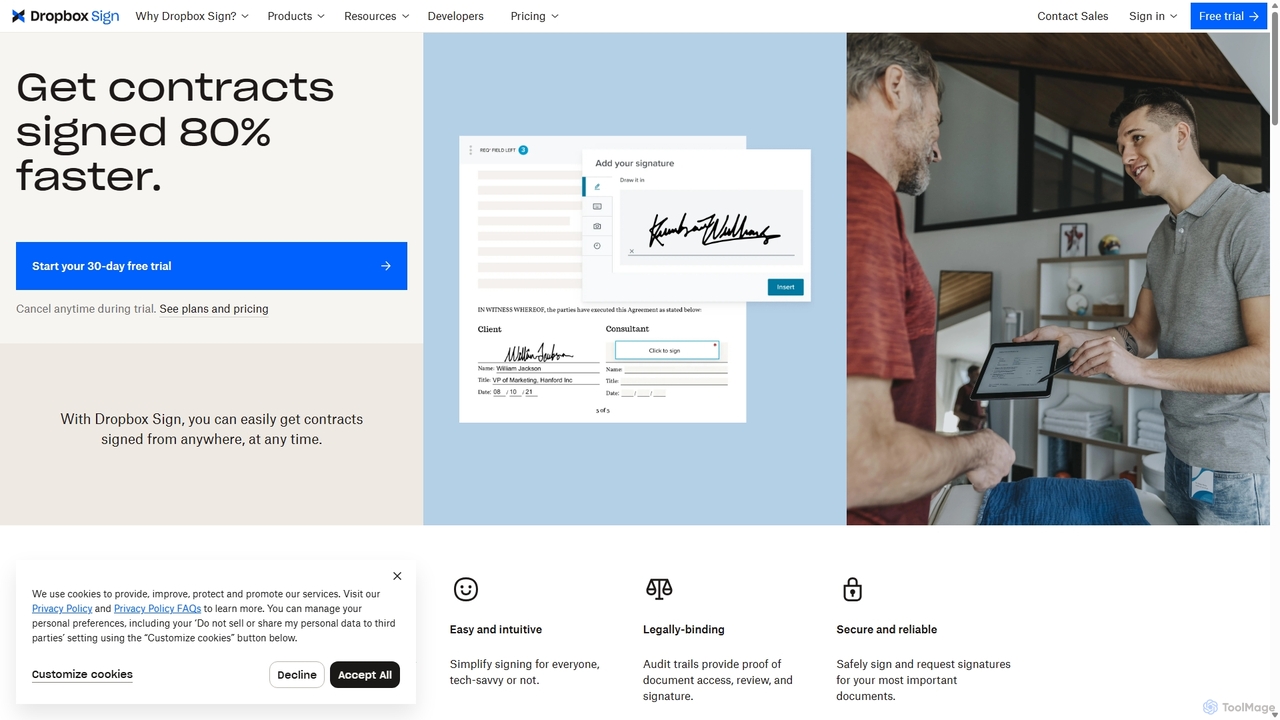
HelloSign (now Dropbox Sign) is a leading e-signature solution that simplifies workflows for individuals and businesses. It allows users to securely send, sign, and manage legally binding documents online from any device. With robust integrations, reusable templates, and a strong focus on security and compliance, it streamlines processes like sales contracts, HR onboarding, and legal agreements.

Legal
Visits 4.8MFavorites 185Likes 155
Alexa Translations
Freemium

Alexa Translations

An enterprise-grade, AI-powered translation platform combined with expert human translators. It specializes in high-stakes industries like legal, financial, and securities, offering custom, secure, and highly accurate translation solutions with SOC 2 and ISO 17100 compliance.

Legal
Visits 10.6KFavorites 131Likes 131
boloforms
Freemium

boloforms

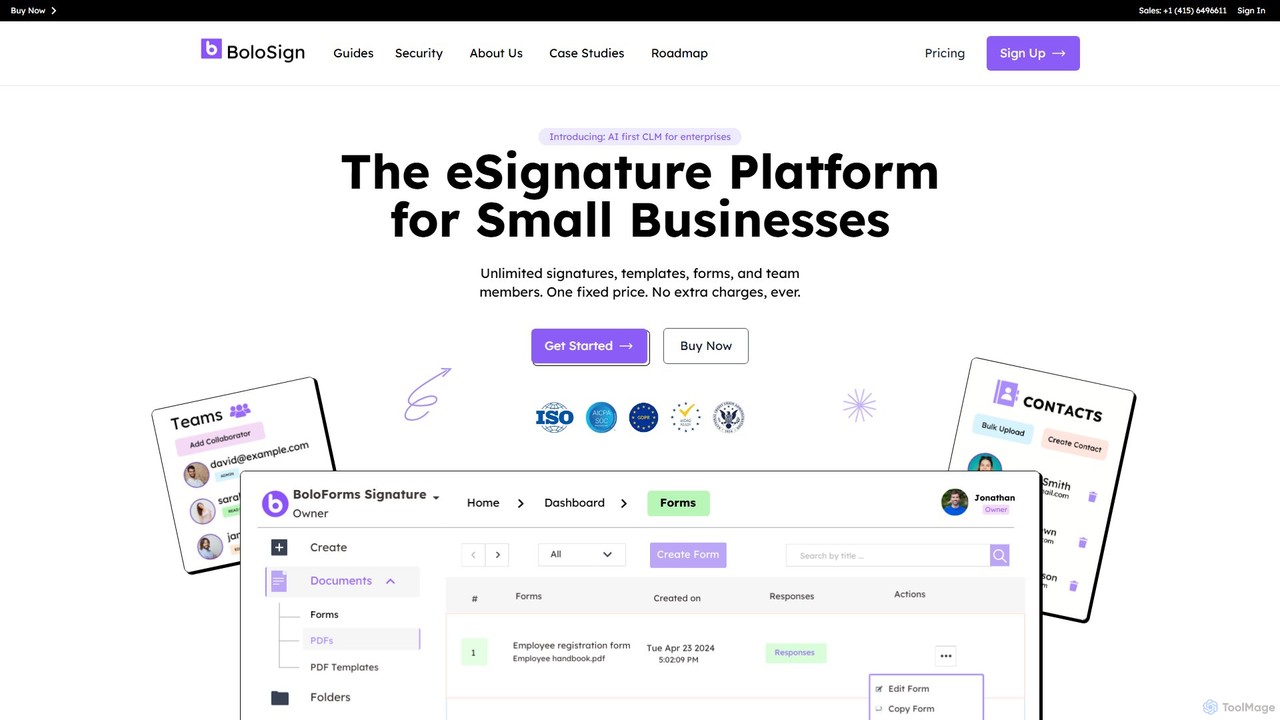
BoloForms offers BoloSign, an affordable and user-friendly e-signature platform designed for small businesses. It provides unlimited signatures, templates, and team members for one fixed price. The platform streamlines document workflows, ensures legal compliance with global standards like ESIGN and eIDAS, and features AI-powered Contract Lifecycle Management (CLM) to enhance productivity and collaboration.

Legal
Visits 133.3KFavorites 136Likes 158
StampJam
Paid

StampJam

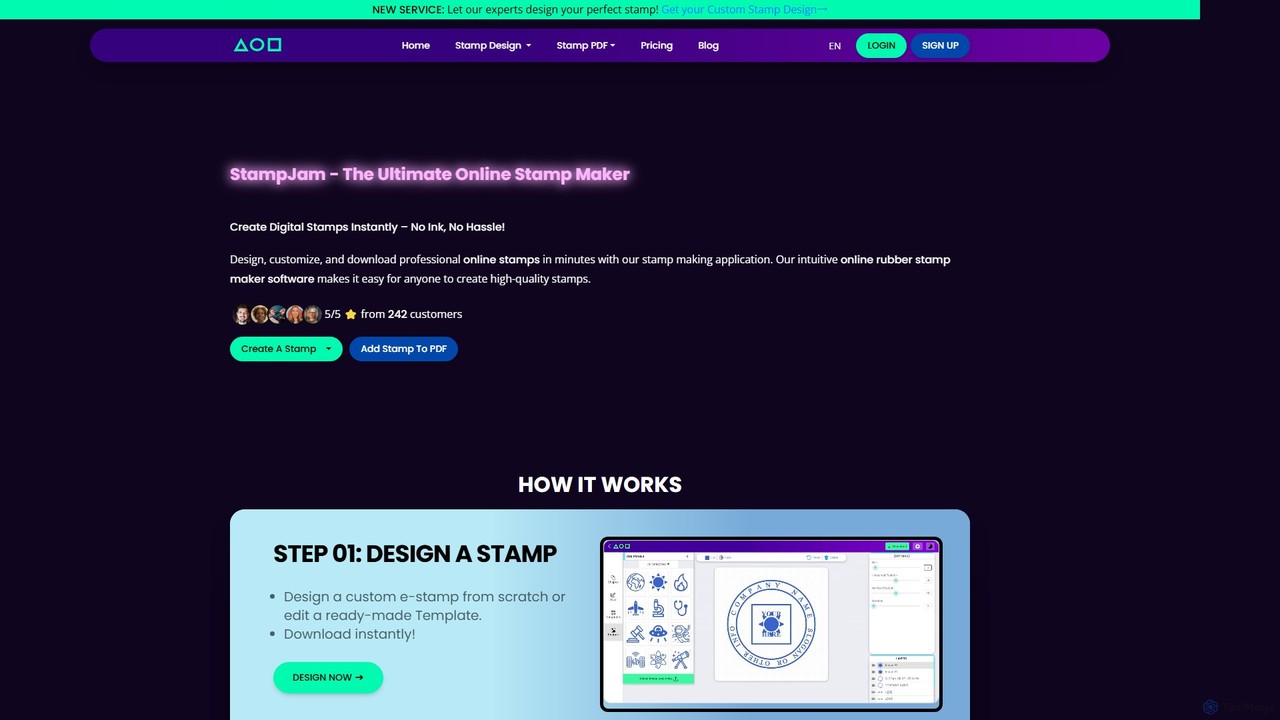
StampJam is an ultimate online tool for creating custom digital stamps and e-signatures. Design professional round, oval, or rectangular stamps from scratch or use hundreds of templates. Easily add logos, text, and signatures, and apply them directly to PDF documents to authenticate or brand your digital files instantly.

Legal
Visits 84KFavorites 118Likes 113
UserWay
Freemium

UserWay

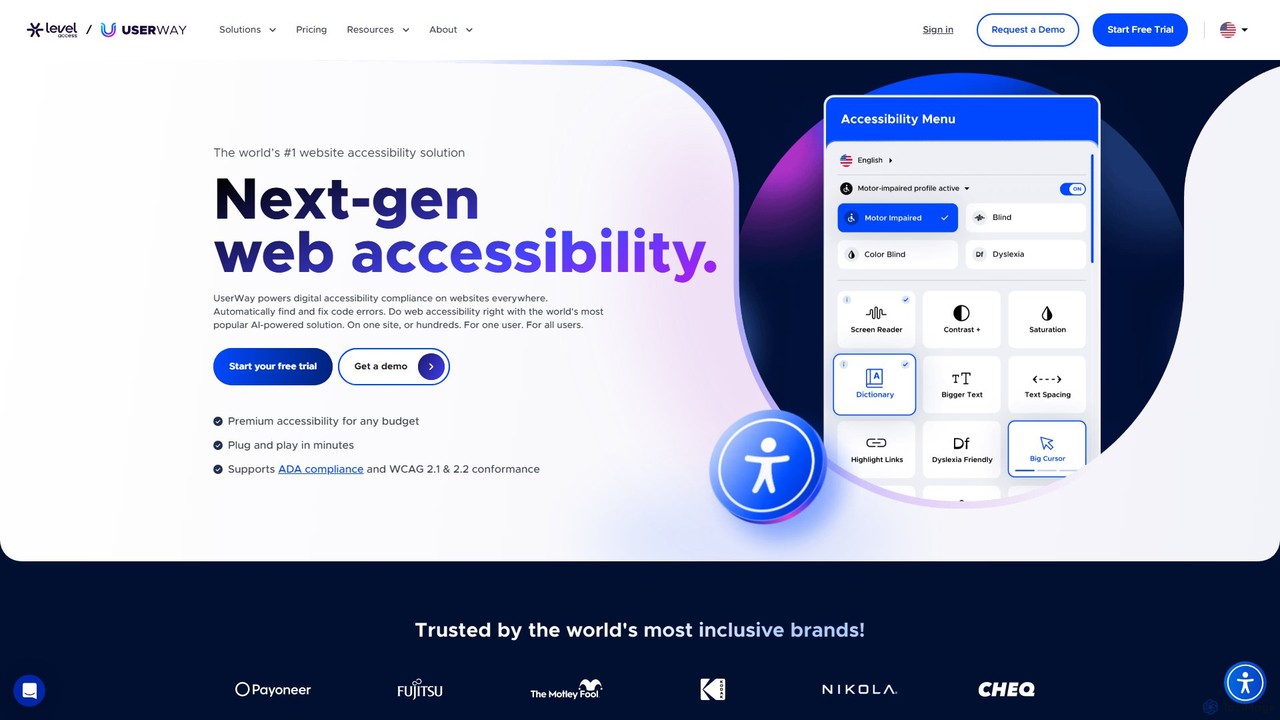
UserWay is an AI-powered web accessibility solution that helps websites achieve and maintain compliance with standards like WCAG 2.1/2.2 and ADA. It provides an automated widget that finds and fixes accessibility errors, making digital content accessible to everyone, including users with disabilities. It offers both a free version and comprehensive paid plans for businesses of all sizes.

Legal
Visits 527.5KFavorites 129Likes 135
PalyPDF
Freemium

PalyPDF

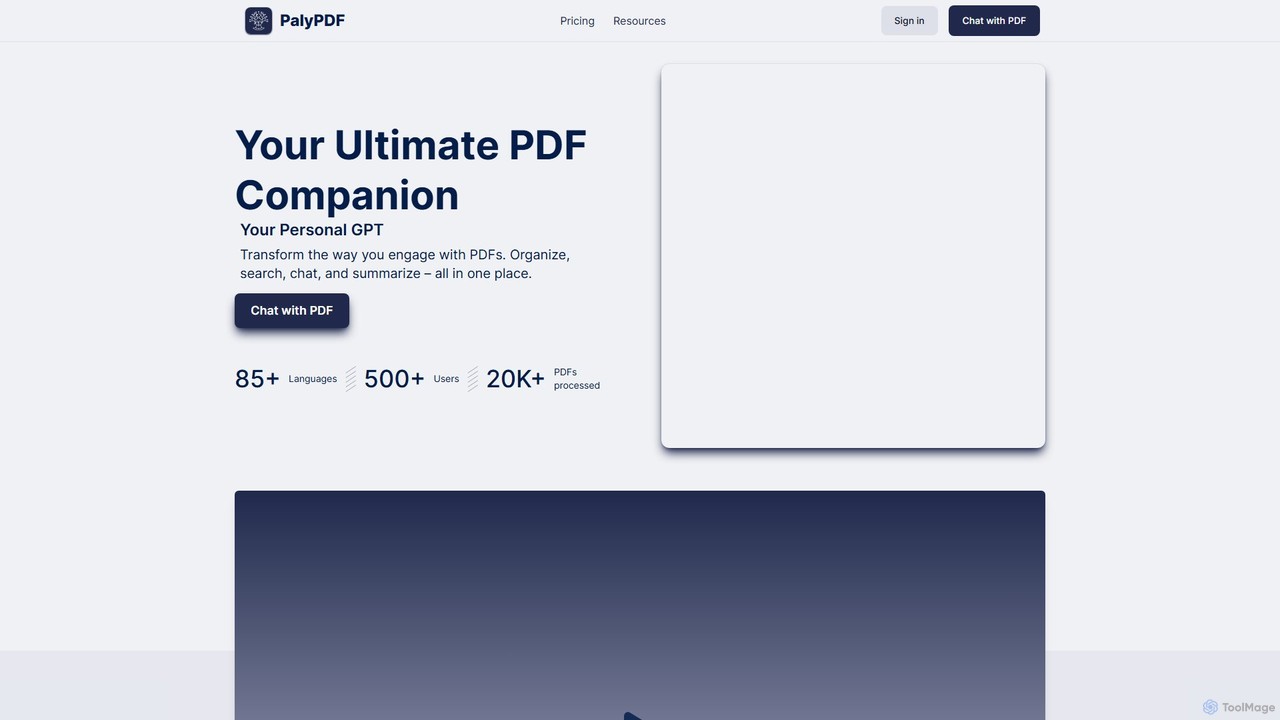
PalyPDF is an AI-powered PDF companion that transforms how you interact with documents. It allows you to chat directly with your PDFs, get instant summaries, and search for information across multiple files using advanced semantic search. With support for over 85 languages and robust organizational features, it serves as an all-in-one solution for students, researchers, and professionals to manage and extract insights from their documents efficiently.

Legal
Visits 5.8KFavorites 104Likes 105
spryngtime
Freemium

spryngtime

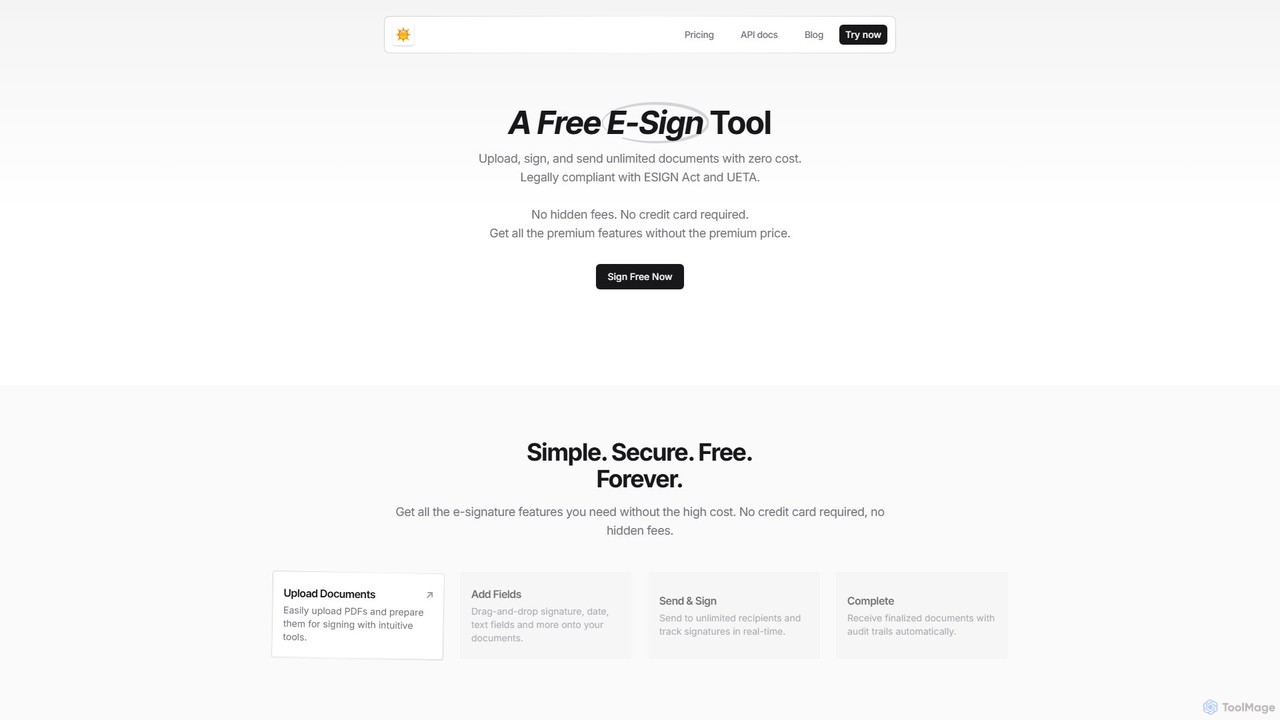
spryngtime is a completely free electronic signature tool that allows you to upload, sign, and send unlimited documents. It is legally compliant with the ESIGN Act and UETA, ensuring all signatures are legally binding. The platform requires no credit card and has no hidden fees, making it an ideal, cost-effective solution for individuals and businesses.

Legal
Visits 6.8KFavorites 173Likes 163
easyaudit
Paid

easyaudit

EasyAudit is an AI-native compliance automation platform that helps businesses achieve security certifications like SOC 2, ISO 27001, and HIPAA in half the time. It uses a team of AI agents to automate policy generation, evidence collection, and control mapping, acting as a virtual compliance team to streamline the audit process and unlock enterprise deals.

Legal
Visits 10.8KFavorites 136Likes 130
FiscalNote
Paid

FiscalNote

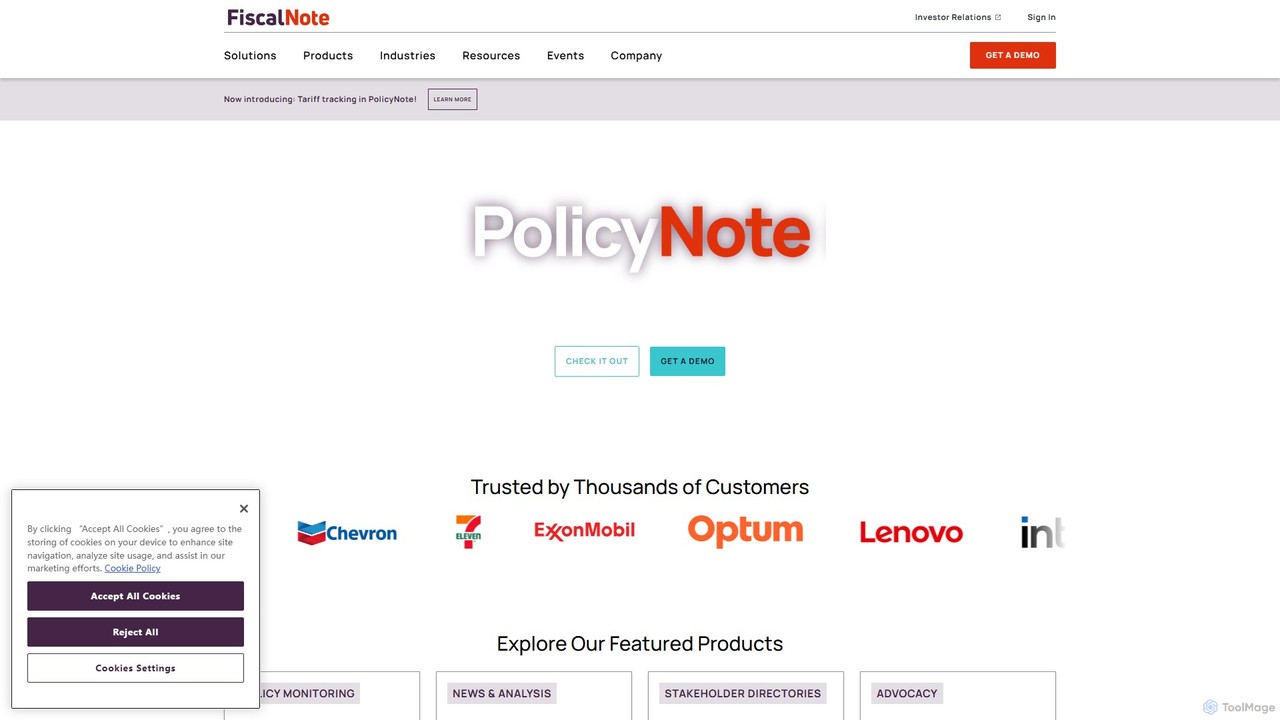
FiscalNote is an AI-powered platform for global policy and market intelligence. It helps organizations understand and act on legislative and regulatory changes by providing real-time data, in-depth analysis, and stakeholder engagement tools. Ideal for government affairs, legal, and risk management professionals.

Legal
Visits 58.7KFavorites 131Likes 134

About Legal

Legal AI tools are a specialized category of AI-powered solutions designed to automate, enhance, and streamline various legal processes. These tools leverage advanced natural language processing (NLP), machine learning, and data analytics to interpret complex legal texts, predict outcomes, and manage legal workflows. They empower legal professionals, from lawyers and paralegals to corporate legal departments, to conduct research more efficiently, review contracts with greater accuracy, and ensure compliance. By integrating AI into legal operations, firms can significantly reduce manual effort, mitigate risks, and focus on strategic legal counsel.

Core Features

  • Automated Legal Research: Quickly sifts through vast databases of case law, statutes, and legal documents to find relevant precedents and information.
  • Contract Review & Analysis: Identifies key clauses, risks, anomalies, and compliance issues in contracts, speeding up due diligence.
  • Litigation Prediction & Analytics: Analyzes historical case data to predict potential litigation outcomes and inform strategy.
  • Document Generation: Automates the creation of standard legal documents, briefs, and filings based on templates and input data.
  • Compliance Monitoring: Continuously tracks regulatory changes and assesses organizational adherence to legal standards.

Applicable Scenarios

Legal professionals in law firms, corporate legal departments, and government agencies utilize these tools for diverse tasks. For instance, a corporate lawyer uses AI to rapidly review thousands of M&A contracts, identifying critical clauses and potential liabilities. A litigation team employs AI for early case assessment, predicting success rates and optimizing resource allocation. Compliance officers leverage AI to monitor evolving regulations and ensure their organization remains compliant.

Selection Criteria

When choosing Legal AI tools, consider the specific legal domain (e.g., corporate, litigation, intellectual property), the accuracy and reliability of the AI models, and the tool's integration capabilities with existing legal tech stacks. Evaluate the user interface for ease of use, the level of data security and privacy offered, and the vendor's expertise in legal AI. Scalability and pricing models are also crucial for long-term adoption.

Legal use cases

1

Streamlining Contract Review in M&A Due Diligence

Corporate legal teams and M&A advisors face immense pressure to review thousands of contracts during due diligence. Legal AI tools enable them to rapidly identify critical clauses, potential risks, and non-standard terms across vast document sets. By automating the initial review, lawyers can focus on high-value analysis and negotiation, significantly reducing review time by up to 70% and minimizing human error in complex transactions.

2

Enhancing Legal Research for Complex Litigation

Litigation lawyers often spend countless hours sifting through case law, statutes, and legal precedents to build their arguments. AI legal research platforms allow them to quickly find highly relevant cases, identify judicial trends, and cross-reference legal texts with unprecedented speed and accuracy. This empowers legal professionals to develop stronger legal strategies, uncover obscure but crucial precedents, and prepare for court more effectively.

3

Proactive Compliance Monitoring for Financial Institutions

Financial institutions operate under a constantly evolving landscape of regulations. Compliance officers use Legal AI tools to continuously monitor regulatory updates, analyze their impact on existing policies, and identify potential compliance gaps. These tools can automatically flag non-compliant activities or documents, ensuring the organization adheres to the latest legal standards and avoids hefty fines and reputational damage.

4

Managing and Analyzing Intellectual Property Portfolios

IP lawyers and corporate legal departments manage extensive portfolios of patents, trademarks, and copyrights. Legal AI assists in tracking the status of IP assets, identifying potential infringements, and analyzing market trends for new patent opportunities. This allows for more strategic IP protection, efficient renewal management, and better enforcement of intellectual property rights globally, safeguarding innovation and competitive advantage.

5

Accelerating E-discovery Document Analysis in Disputes

During e-discovery, legal teams must review massive volumes of electronic documents to find relevant evidence. AI-powered e-discovery tools use machine learning to quickly categorize documents, identify privileged information, and highlight key evidence based on relevance and sentiment. This drastically reduces the time and cost associated with manual document review, allowing legal teams to focus on critical evidence and build stronger cases.

6

Automating Initial Legal Document Drafting

Junior lawyers and paralegals often spend considerable time drafting standard legal documents like non-disclosure agreements (NDAs), cease and desist letters, or basic contracts. Legal AI document generation tools can automate the initial drafting process by populating templates with specific client and case details. This frees up valuable legal professional time for more complex tasks, ensures consistency, and accelerates the delivery of legal services.

Legal FAQ

What are Legal AI tools?

Legal AI tools are specialized software applications that leverage artificial intelligence technologies like natural language processing (NLP), machine learning, and predictive analytics to assist with legal tasks. They are designed to automate repetitive processes, enhance decision-making, and improve efficiency in legal research, contract management, compliance, and litigation support. These tools help legal professionals process vast amounts of data, identify patterns, and generate insights that would be impractical or impossible to achieve manually.

How do Legal AI tools differ from traditional legal software?

Traditional legal software primarily digitizes existing manual processes, such as document management or billing. Legal AI tools, however, go beyond digitization by actively "understanding" and "learning" from legal data. For example, while traditional software might store contracts, AI tools can analyze those contracts for specific clauses, risks, or anomalies. They offer predictive capabilities and intelligent automation, fundamentally transforming how legal work is performed rather than just organizing it.

What are the main benefits of using AI in legal practice?

The main benefits of integrating AI into legal practice include significant improvements in efficiency and accuracy. AI tools can drastically reduce the time spent on tasks like legal research and contract review, allowing legal professionals to focus on strategic work. They also enhance accuracy by minimizing human error in document analysis and compliance checks. Furthermore, AI provides deeper insights through data analytics, helping predict litigation outcomes and identify hidden risks, ultimately leading to better legal outcomes and cost savings.

What are the key functionalities of Legal AI tools?

Legal AI tools offer a range of key functionalities designed to enhance legal operations. These include automated legal research, which rapidly sifts through vast legal databases; contract review and analysis, identifying clauses, risks, and compliance issues; litigation prediction and analytics, using historical data to forecast outcomes; and document generation, automating the creation of standard legal documents. Many also provide compliance monitoring, continuously tracking regulatory changes to ensure adherence.

What should I consider when selecting a Legal AI platform?

When selecting a Legal AI platform, consider its specific functionalities and how well they align with your firm's or department's needs (e.g., litigation, corporate, IP). Evaluate the AI's accuracy and reliability, especially in interpreting complex legal language. Look for robust data security and privacy features, as legal data is highly sensitive. Assess its integration capabilities with your existing legal tech stack, user-friendliness, and the vendor's reputation and support. Finally, consider the scalability and pricing model to ensure it fits your budget and future growth.

Can Legal AI tools replace human lawyers?

No, Legal AI tools are designed to augment, not replace, human lawyers. They excel at automating repetitive, data-intensive tasks, such as document review, legal research, and initial drafting, thereby freeing up lawyers' time. However, human lawyers bring critical thinking, ethical judgment, client empathy, negotiation skills, and strategic decision-making—qualities that AI cannot replicate. AI serves as a powerful assistant, enabling lawyers to be more efficient, accurate, and focused on complex, high-value legal work.