ToolMage
Sign in

Best 5 All In One Marketing AI tools for Marketing

Popular All In One Marketing AI tools in Marketing include Wishpond, Vendasta, WebPro.ai, charlielounge, and Enterbox, helping you work more efficiently.

Enterbox
Freemium

Enterbox

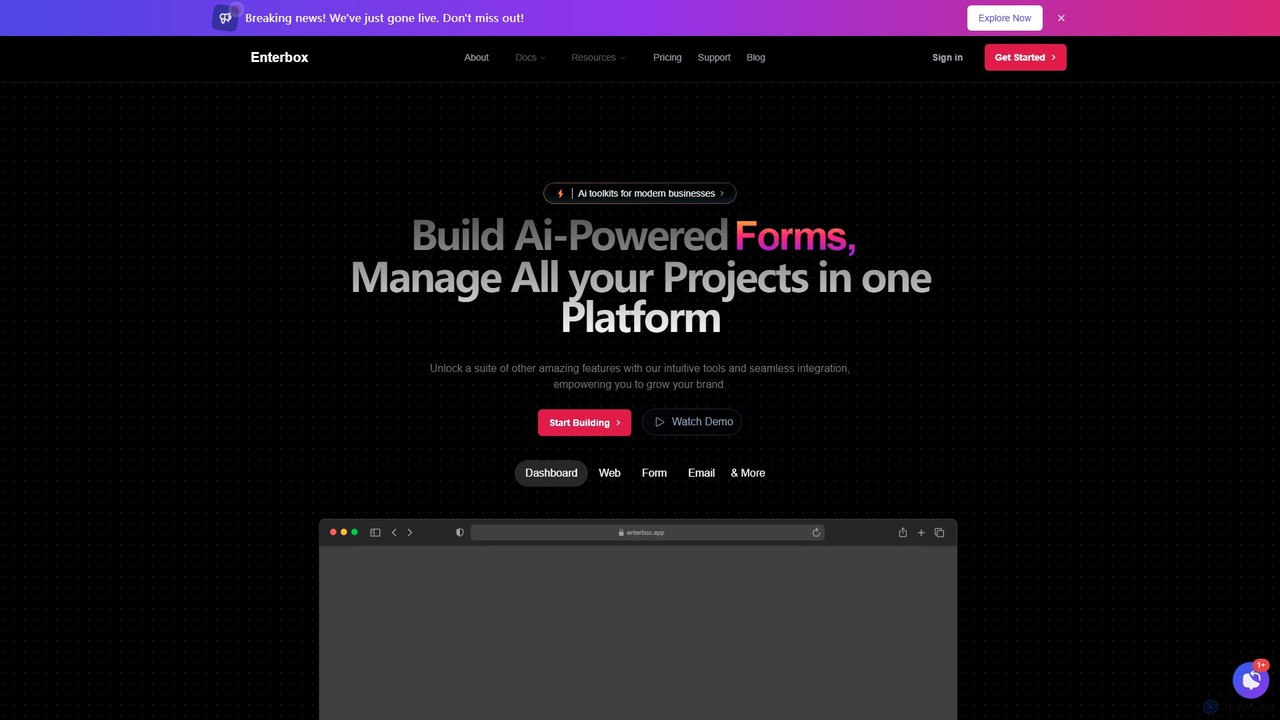
Enterbox is an all-in-one, AI-powered toolkit for modern businesses. It integrates a no-code website builder, email marketing automation, CRM, project management, and analytics into a single platform. Leverage AI for market research and data-driven strategies to build your online presence, engage customers, and streamline operations without writing any code. It's designed to help businesses of all sizes create, manage, and scale their digital presence efficiently.

Crm
Visits 5.9KFavorites 169Likes 152
Vendasta
Freemium

Vendasta

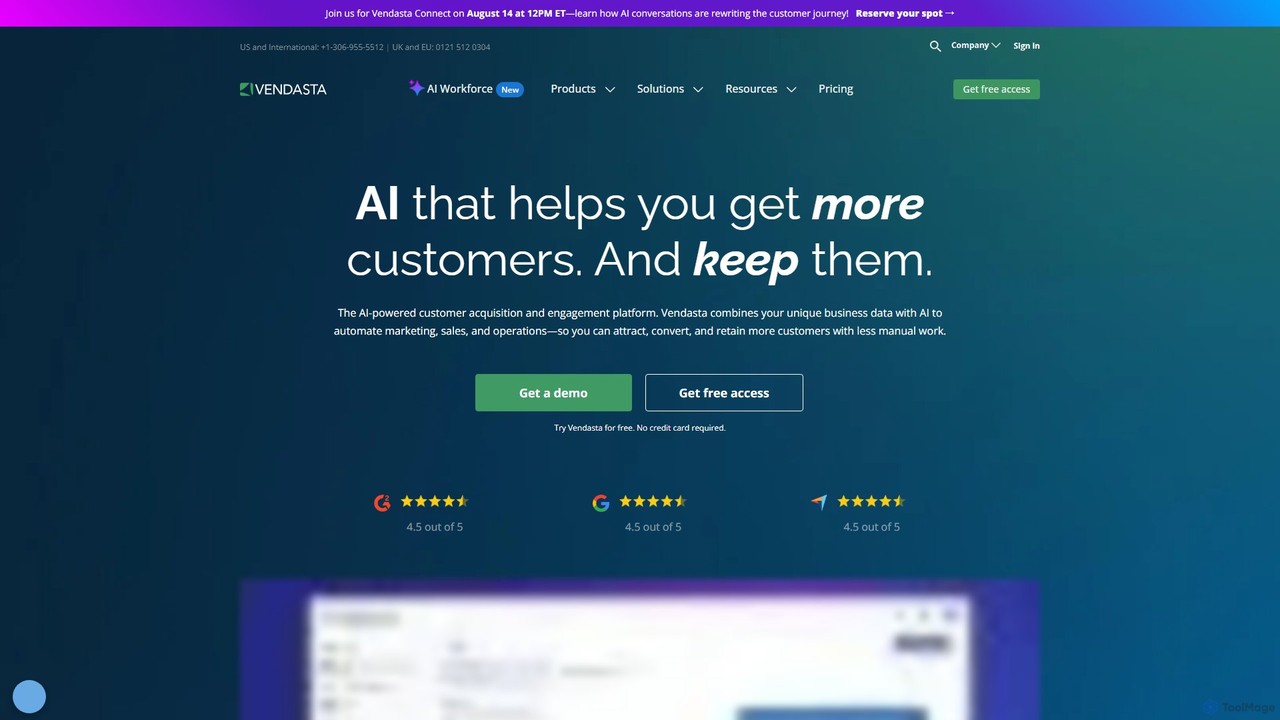
Vendasta is an AI-powered, end-to-end platform for companies that sell digital solutions to small and medium businesses (SMBs). It provides a white-label marketplace, marketing automation, a CRM, and an AI Workforce to help agencies and local experts attract, convert, and retain customers at scale.

Automation
Visits 87KFavorites 141Likes 151
Wishpond
Paid

Wishpond

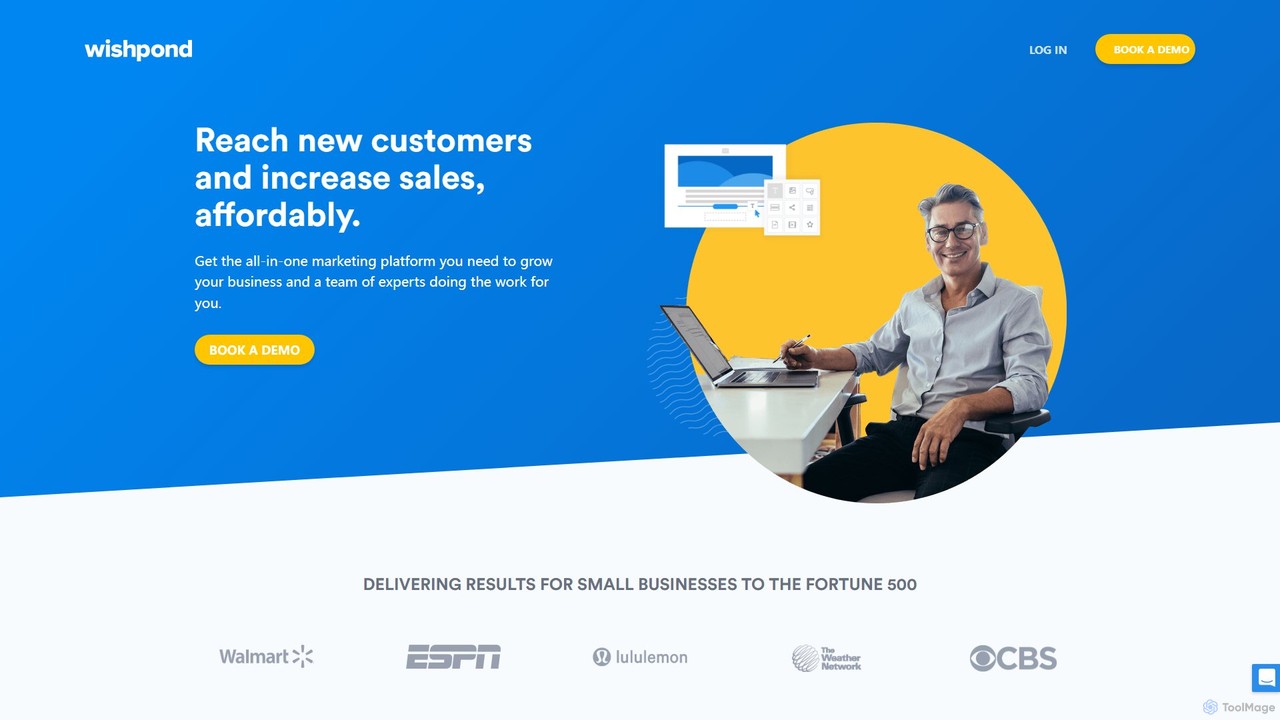
Wishpond is an all-in-one marketing platform designed to help businesses grow. It combines a suite of powerful tools for lead generation, email marketing, and marketing automation with the option of a dedicated team of marketing experts to manage campaigns for you. It's built to simplify marketing and drive sales affordably.

All In One Marketing
Visits 114.3KFavorites 150Likes 139
WebPro.ai
Freemium

WebPro.ai

WebPro.ai is an all-in-one, AI-powered platform designed for businesses to effortlessly build websites, manage marketing campaigns, and create digital ads. It combines an intuitive website builder with a comprehensive marketing suite and an AI ad generator, enabling users to establish a professional online presence and grow their business with ease, saving significant time and resources.

All In One Marketing
Visits 8.3KFavorites 174Likes 167
charlielounge
Freemium

charlielounge

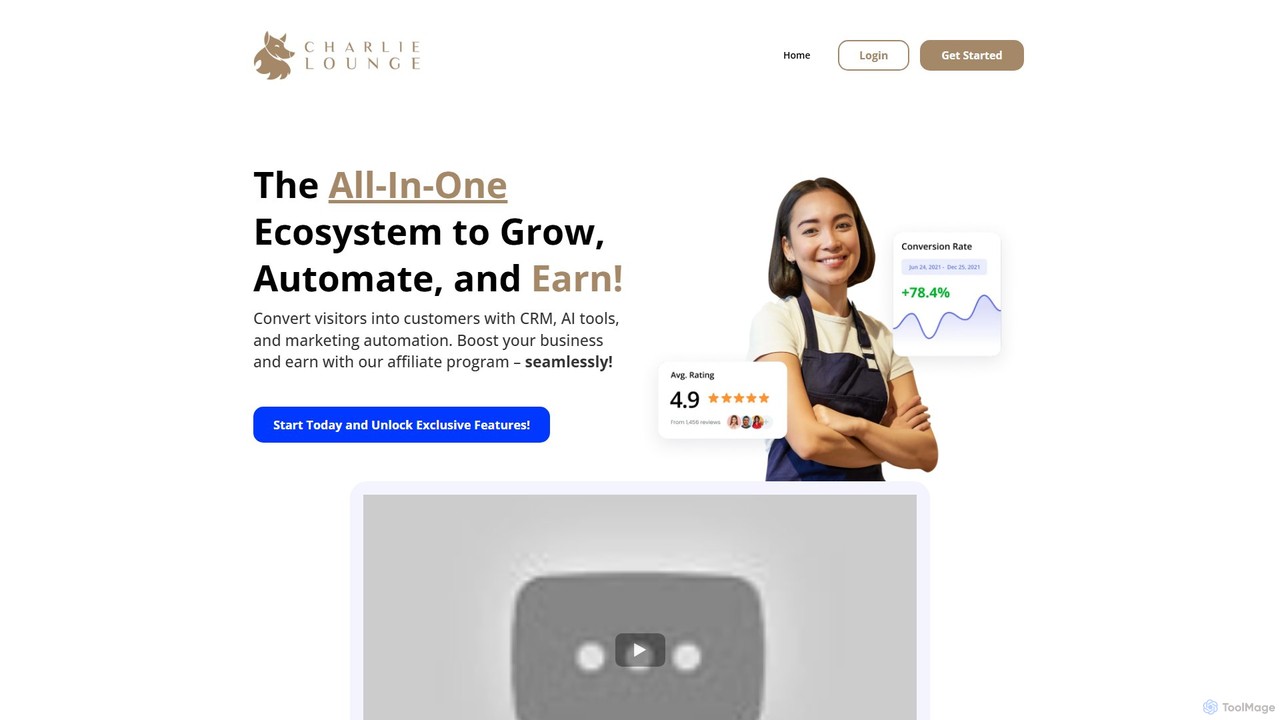
charlielounge is an all-in-one AI ecosystem designed to help businesses automate operations, grow their customer base, and create new revenue streams. It integrates CRM, marketing automation, advanced AI content creation tools, and a lucrative affiliate program into a single, seamless platform for entrepreneurs and business owners.

Generative Ai
Visits 6KFavorites 133Likes 137

About All In One Marketing

All In One Marketing tools are integrated platforms that consolidate multiple marketing functions into a single, unified system. These tools typically combine capabilities like CRM, email marketing, social media management, and analytics, enabling streamlined cross-channel campaign execution. Their primary value lies in creating a single source of truth for customer data, which simplifies workflows and provides a holistic view of the entire customer journey. This integrated approach helps marketing teams operate more efficiently without juggling multiple disconnected applications.

Core Features

  • Unified CRM: Centralizes all customer data, interactions, and history from various touchpoints into one database.
  • Cross-Channel Automation: Builds and automates marketing workflows across email, social media, SMS, and other channels.
  • Integrated Analytics: Provides comprehensive dashboards that track campaign performance and ROI across all marketing activities.
  • Content Creation Tools: Includes builders for landing pages, email templates, and social media posts within the same platform.

Use Cases

These platforms are particularly beneficial for small to medium-sized businesses (SMBs) and marketing teams aiming to simplify their technology stack. They are commonly used to manage lead nurturing from acquisition to conversion, execute cohesive multi-channel campaigns, and analyze overall marketing effectiveness without needing to manually consolidate data from different sources.

How to Choose

When selecting an All In One Marketing tool, evaluate the specific channels it supports (e.g., email, social, ads). Assess the depth of its automation and CRM features to ensure they meet your complexity needs. Also, consider its integration capabilities with other essential business systems like e-commerce platforms and the scalability of its pricing model, which often depends on contact list size or feature tiers.

All In One Marketing use cases

1

Launching an Integrated Product Campaign

A marketing manager at a startup uses an all-in-one platform to coordinate a new product launch. They build a landing page with a sign-up form, create an automated email sequence to nurture early subscribers, and schedule a series of coordinated social media posts across LinkedIn and Twitter. As leads come in, they are automatically added to the CRM and tagged. The manager can then track the entire funnel from initial ad click to final conversion within a single dashboard, providing a clear ROI for the campaign without needing to stitch data together from multiple tools.

2

Automating B2B Lead Nurturing Workflows

A B2B marketing specialist sets up an automation workflow for leads who download a whitepaper. Once a form is submitted, the platform automatically adds the contact to the CRM, assigns them to a specific list, and triggers a 4-week email nurturing sequence. Each email provides additional value and educational content. The system tracks engagement, such as email opens and link clicks, and assigns a lead score. When a lead's score surpasses a set threshold, the platform automatically creates a task for a sales representative in the CRM, ensuring timely follow-up with the most engaged prospects.

3

Managing E-commerce Customer Lifecycle

An e-commerce store owner integrates their Shopify store with an all-in-one marketing platform. The platform automatically segments customers based on their purchase history and behavior. For new customers, it triggers a welcome email series. For customers who abandon their carts, it sends a sequence of reminder emails with a potential discount. It also identifies loyal, high-value customers and adds them to a VIP segment, allowing the owner to send exclusive offers and early access announcements, all managed and tracked from a single interface.

4

Streamlining Social Media and Content Marketing

A small business owner uses the platform to manage their entire content strategy. They draft a blog post using the built-in editor, then use the social media scheduler to create and schedule a week's worth of promotional posts for Facebook, Instagram, and LinkedIn, all linking back to the new article. The integrated analytics dashboard shows which social channel drives the most traffic to the blog and which posts have the highest engagement. This allows them to optimize their content distribution strategy without switching between a CMS, a scheduling tool, and multiple analytics platforms.

5

Consolidating Marketing Analytics for Reporting

A marketing team lead is responsible for creating a monthly performance report for leadership. Instead of logging into Google Analytics, their email provider, and each social media platform separately to pull data, they use the all-in-one tool's central dashboard. They can view website traffic, lead generation by source, email campaign open rates, and social media engagement in one place. They generate a single, comprehensive report directly from the platform, saving hours of manual data collection and allowing them to focus on analyzing trends and insights rather than compiling spreadsheets.

6

Creating a Unified View for Personalized Offers

A marketer for an online retail brand uses the platform's integrated CRM to track a customer's complete journey. They can see that a specific customer visited a product page for running shoes, clicked on an email about a new apparel line, and previously purchased a water bottle. Based on this unified profile, an automation rule triggers a personalized email offering a 10% discount on a bundle of running shoes and apparel. This level of personalization, driven by a complete view of customer interactions, significantly increases the likelihood of conversion compared to a generic marketing blast.

All In One Marketing FAQ

What are All In One Marketing tools?

All In One Marketing tools are integrated software platforms that combine multiple marketing functions into a single system. Instead of using separate tools for email, social media, and customer data, these platforms provide a unified dashboard for managing all these activities. The core benefit is the seamless flow of data between functions, which allows for more sophisticated automation and a complete view of the customer journey. They are designed to simplify a company's marketing technology stack and improve operational efficiency.

How do I choose the right All In One Marketing platform?

Choosing the right platform depends on your specific business needs. Consider these key factors:

  • Feature Set: Ensure the platform covers the marketing channels most important to you (e.g., email, SMS, social media, ads). Check the depth of features like automation complexity and reporting capabilities.
  • Integrations: Verify that it can connect seamlessly with your existing tools, such as your website CMS (e.g., WordPress), e-commerce platform (e.g., Shopify), or other essential software.
  • Scalability: Choose a tool that can grow with your business. Look at pricing tiers based on the number of contacts, email sends, or feature access to ensure it remains affordable as you scale.
  • Ease of Use: The interface should be intuitive for your team. Some platforms are built for beginners, while others offer advanced functionality that may require more technical expertise.
What's the difference between an All In One tool and a point solution?

The primary difference is scope and integration. A point solution is a specialized tool that excels at one specific task (e.g., an email marketing tool like Mailchimp or a social media scheduler like Buffer). An All In One Marketing tool is a suite that combines multiple functions into a single platform. While point solutions may offer deeper functionality in their specific area, all-in-one platforms provide the significant advantage of native integration. This means data flows seamlessly between your CRM, email campaigns, and landing pages without needing complex third-party connectors, enabling a more unified and efficient marketing operation.

Who are All In One Marketing tools best for?

All In One Marketing platforms are typically best suited for small to medium-sized businesses (SMBs) and marketing teams with limited resources. These organizations benefit most from the cost savings and operational simplicity of using a single platform instead of purchasing and integrating multiple specialized tools. They are also ideal for startups that need to establish a comprehensive marketing foundation quickly. While some large enterprises use them, many prefer to build a custom 'best-of-breed' stack with specialized tools for each function to meet highly complex requirements.

What are the core functions of an All In One Marketing platform?

While features vary between platforms, most All In One Marketing tools include a core set of functions:

  • Customer Relationship Management (CRM): A central database to store and manage contact information and interaction history.
  • Email Marketing: Tools for creating, sending, and analyzing email campaigns and newsletters.
  • Marketing Automation: The ability to build automated workflows (e.g., welcome series, lead nurturing) based on user behavior.
  • Landing Pages: Builders to create and publish web pages for lead capture and campaigns.
  • Analytics and Reporting: A unified dashboard to track performance across all channels.

Many platforms also extend their functionality to include social media management, SMS marketing, and ad management.