Marketing Best in category 9 results All In One AI Tool

Popular AI tools in the All In One field of Marketing include systeme.io、Marketeam.ai、MediaMonk.ai、Viral Growth、SoloSphere.ai、Sagui、MarketingBlocks、smartwebi, etc., helping you quickly improve efficiency.

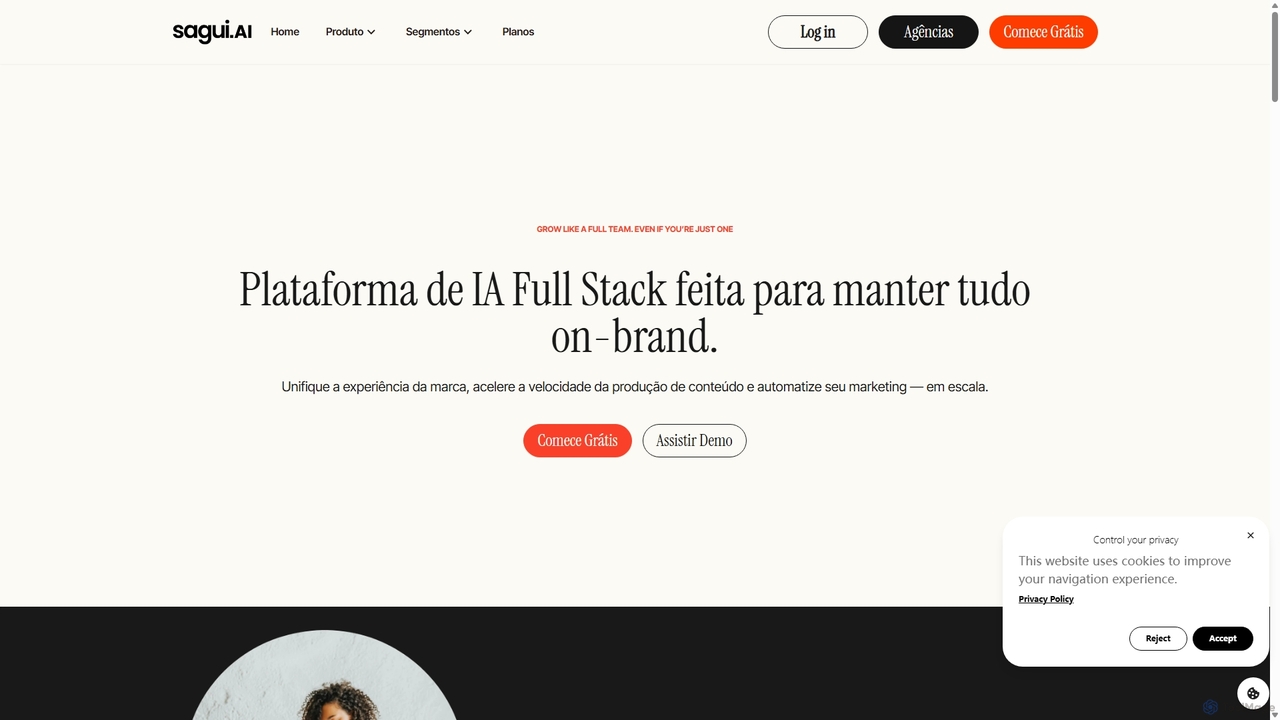
Sagui

Sagui

Sagui is an AI-powered, full-stack marketing platform designed to unify brand experience, accelerate content production, and automate marketing …

1.9K
SoloSphere.ai

SoloSphere.ai

SoloSphere.ai is an all-in-one, AI-powered marketing platform designed for solopreneurs, creators, and small businesses. It integrates AEO (Answer …

1.8K
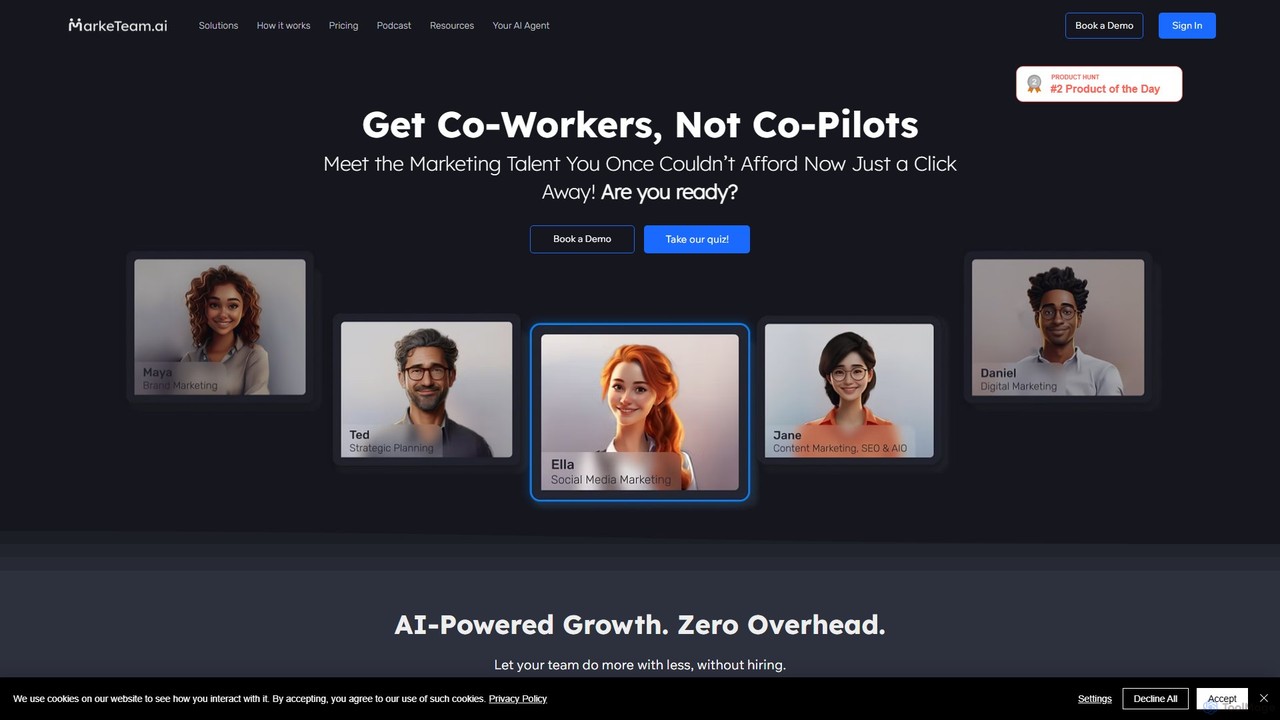
Marketeam.ai

Marketeam.ai

Marketeam.ai is an AI-powered platform that provides a virtual marketing team of autonomous AI agents. Instead of just …

8.5K
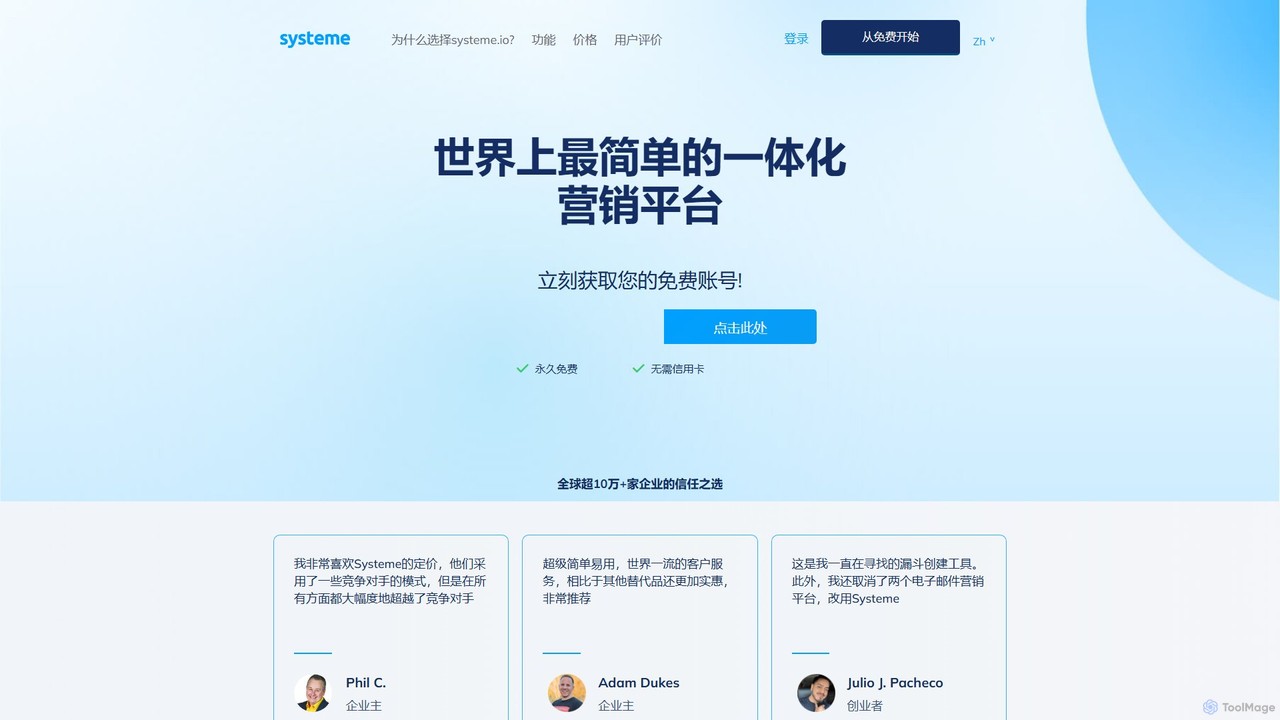
systeme.io

systeme.io

Systeme.io is an all-in-one marketing platform designed to help entrepreneurs and small businesses launch, grow, and scale their …

6.0M
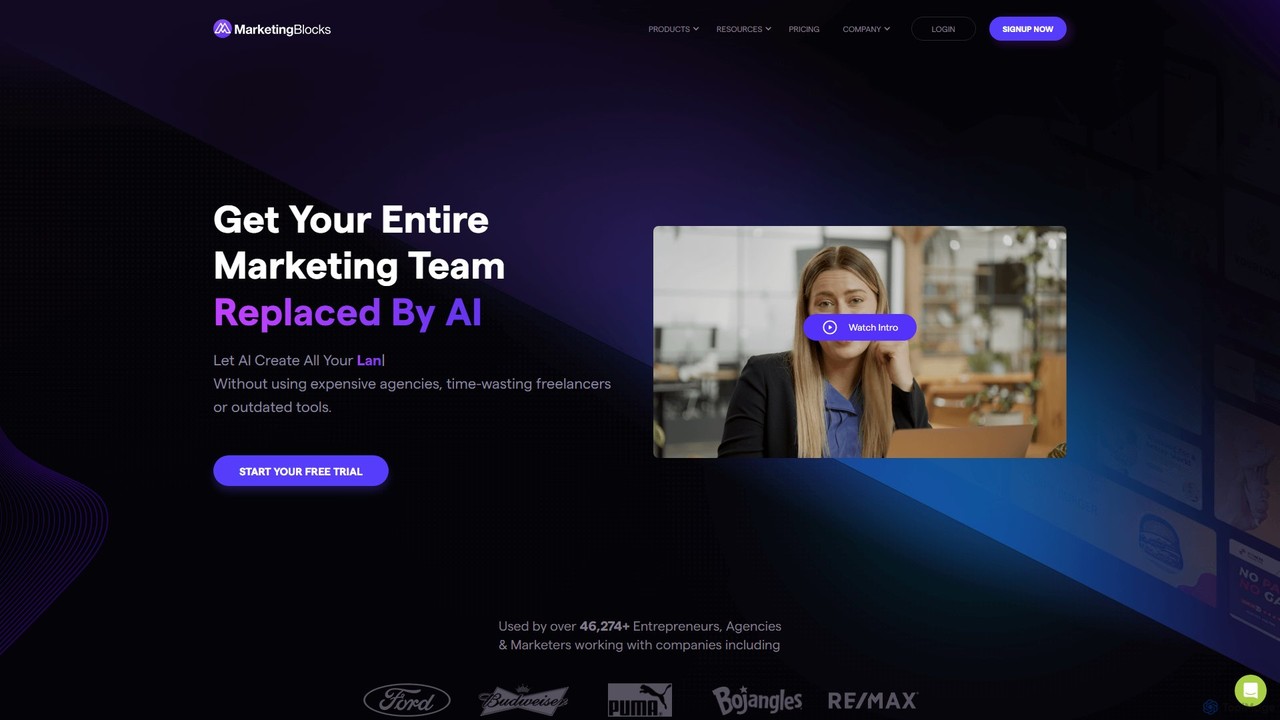
MarketingBlocks

MarketingBlocks

MarketingBlocks is an all-in-one AI marketing platform designed to automate and create all your marketing assets. It generates …

1.8K
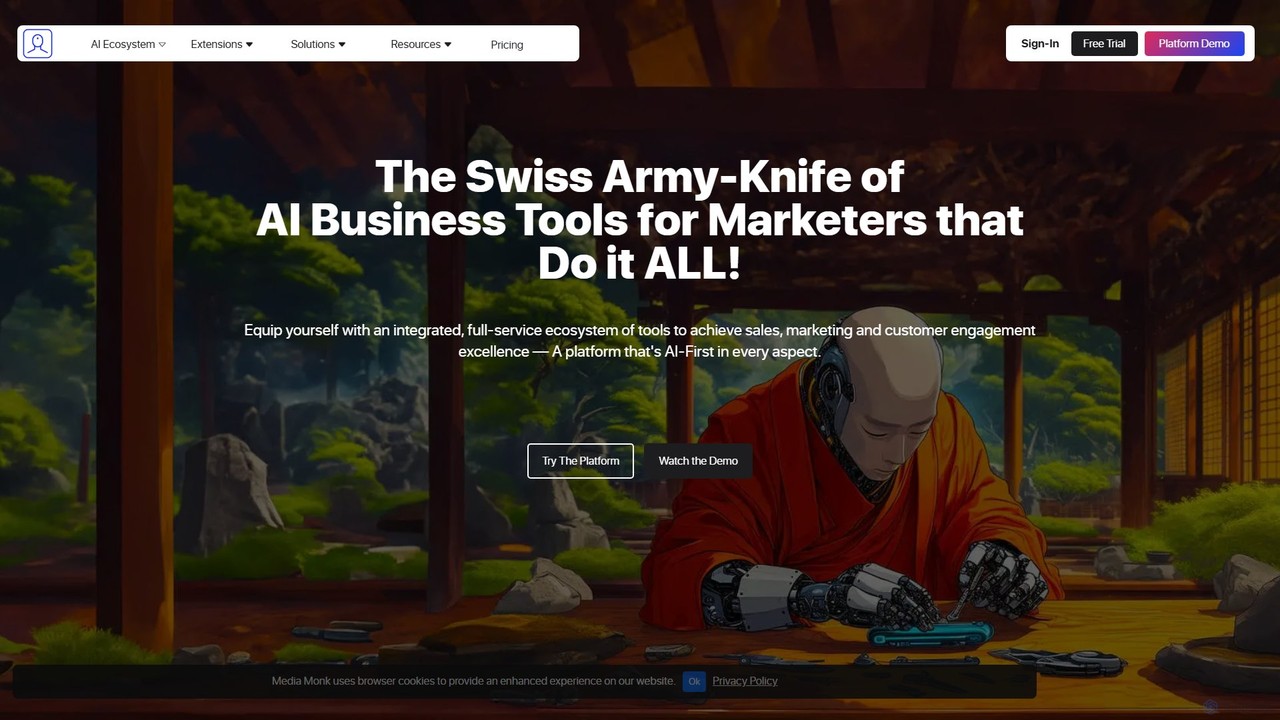
MediaMonk.ai

MediaMonk.ai

MediaMonk.ai is an all-in-one, AI-first marketing ecosystem designed for sales, marketing, and customer engagement. It integrates tools for …

3.4K
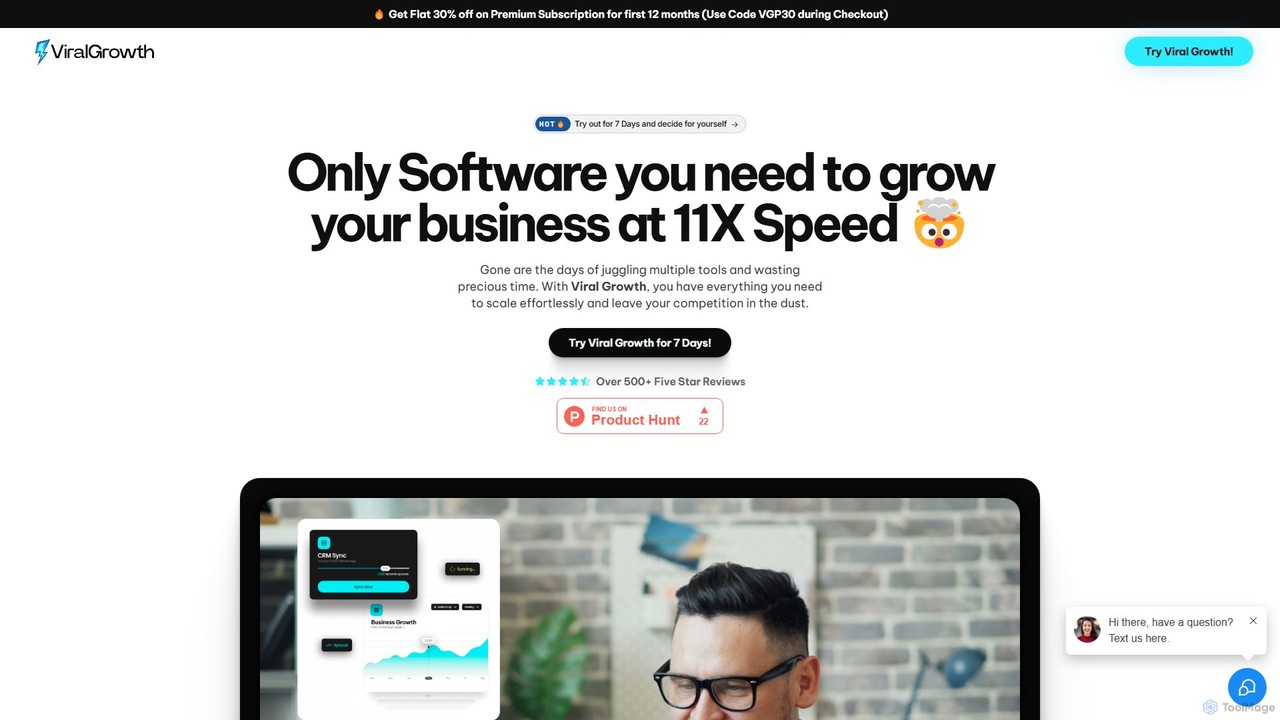
Viral Growth

Viral Growth

Viral Growth is an all-in-one AI-powered business platform designed to replace multiple tools and accelerate growth. It integrates …

2.0K
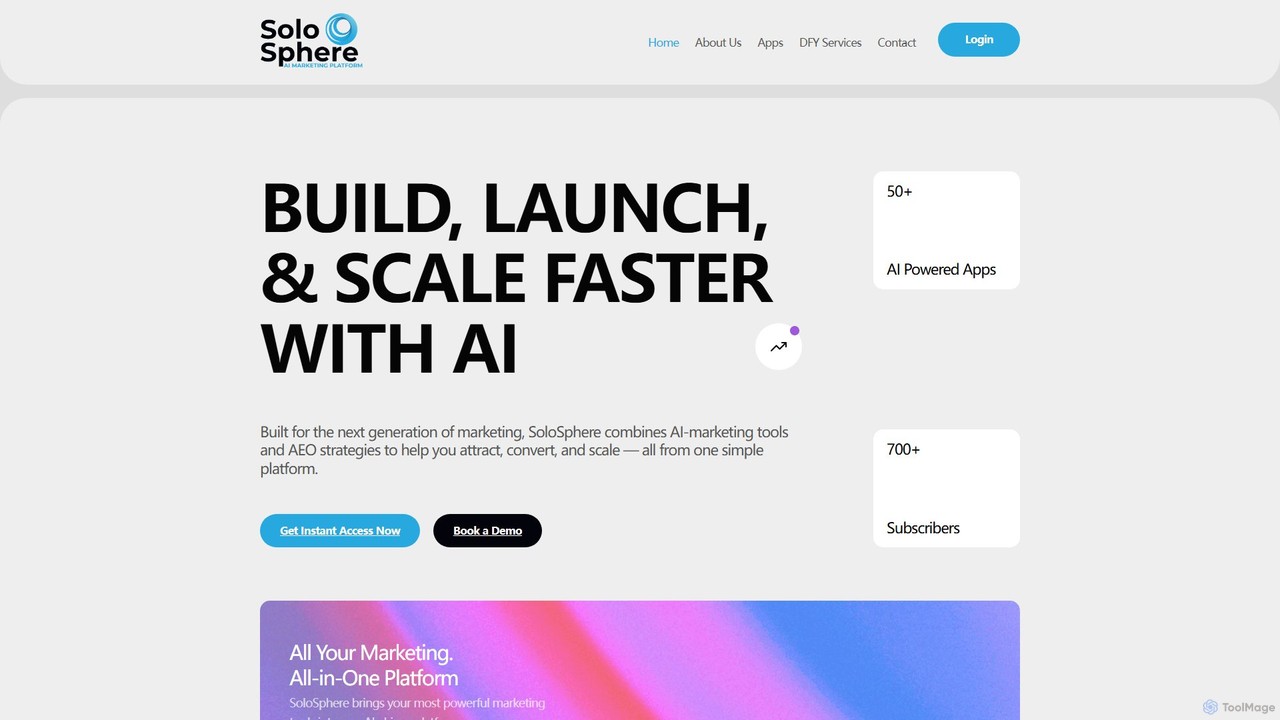
SoloSphere.ai

SoloSphere.ai

SoloSphere.ai is an all-in-one AI marketing platform designed for solopreneurs, small businesses, and agencies. It integrates over 50 …

1.9K
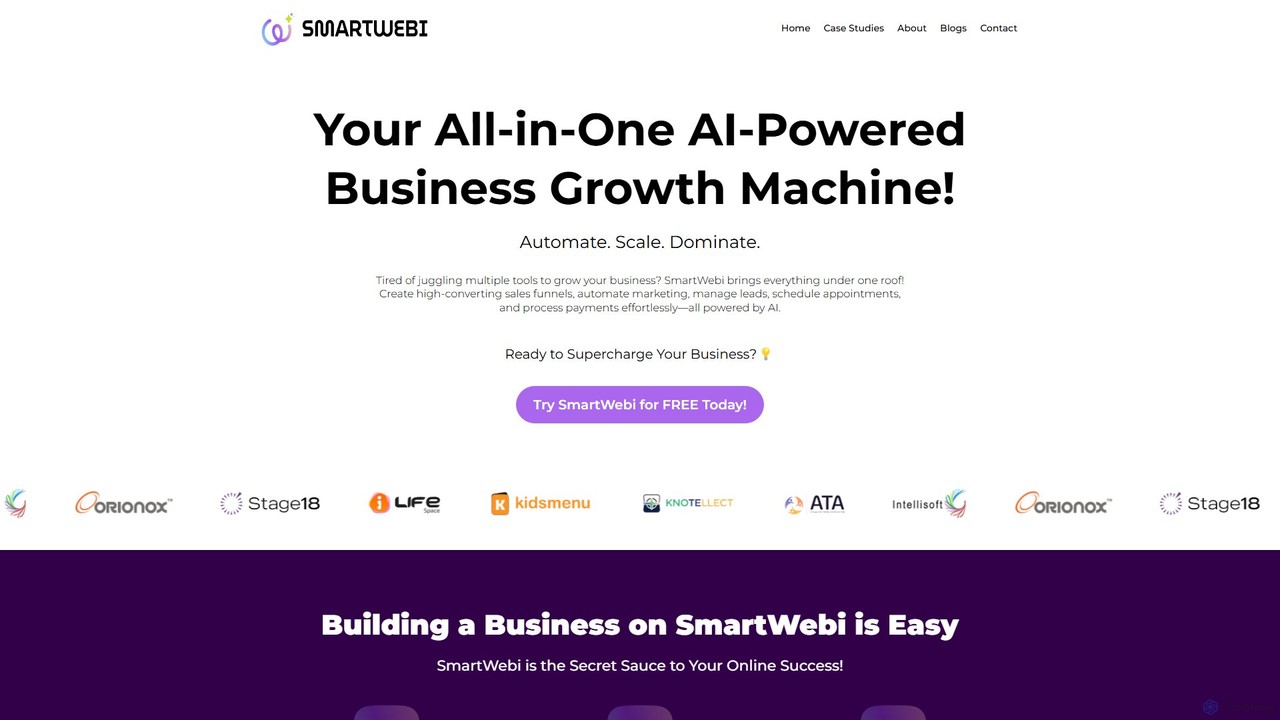
smartwebi

smartwebi

smartwebi is an all-in-one, AI-powered business growth platform designed to automate marketing, build sales funnels, manage customer relationships, …

1.8K

About All In One

All-In-One marketing tools are integrated platforms that consolidate multiple marketing functions into a single, unified system. These tools typically combine capabilities like customer relationship management (CRM), email marketing, social media scheduling, and landing page creation. By centralizing data and workflows, they enable marketers to execute comprehensive campaigns and analyze performance from one dashboard. This integrated approach simplifies the marketing technology stack, reduces data silos, and improves efficiency for businesses seeking a cohesive strategy.

Core Features

  • Integrated CRM: Manages customer data, tracks interactions, and segments audiences for targeted campaigns.
  • Email Marketing Automation: Creates, sends, and automates email sequences for lead nurturing and customer communication.
  • Social Media Management: Schedules posts, monitors engagement, and analyzes performance across multiple social networks.
  • Landing Page & Form Builder: Designs and publishes conversion-focused landing pages and lead capture forms without coding.
  • Unified Analytics: Consolidates data from various channels into a single dashboard for holistic campaign performance tracking.

Use Cases

These platforms are particularly valuable for small to medium-sized businesses (SMBs), startups, and marketing agencies. They allow small teams to manage diverse marketing activities without the complexity and cost of integrating multiple specialized tools. For instance, a startup can launch a product by building a landing page, running an email campaign, and promoting on social media, all from one platform.

How to Choose

When selecting an All-In-One marketing tool, evaluate the breadth and depth of its feature set to ensure it covers your core needs. Assess its integration capabilities with other essential business software you use. Consider the platform's scalability to support your business growth and examine the pricing model to understand the total cost of ownership as your contact list or feature usage expands.

All In OneUse Cases

1

Integrated Startup Launch Campaign

A startup founder with a small team needs to launch a new product efficiently. Using an all-in-one marketing platform, they first build a high-converting landing page with an integrated sign-up form. Next, they create an automated email sequence to welcome new subscribers and nurture leads. Simultaneously, they schedule a month's worth of promotional content across LinkedIn, Twitter, and Facebook. All campaign data, from website visits to email open rates and social engagement, flows into a single analytics dashboard, allowing the founder to track ROI and optimize strategy without juggling multiple subscriptions and spreadsheets.

2

Streamlining Marketing for a Small E-commerce Business

An e-commerce store owner manages all marketing efforts single-handedly. They use an all-in-one platform to connect their online store. The platform's CRM automatically segments customers based on purchase history (e.g., first-time buyers, repeat customers). The owner then sends targeted email campaigns with special offers to each segment. They also use the social media scheduler to promote new products consistently. The unified dashboard shows which channels are driving the most sales, helping them allocate their limited marketing budget more effectively.

3

Managing Multiple Clients for a Marketing Agency

A small marketing agency uses an all-in-one platform to manage campaigns for several clients. Each client is set up in a separate workspace within the tool, keeping their data, contact lists, and social media accounts completely isolated. The agency team can schedule social posts, build landing pages, and run email campaigns for different clients from a single login. The platform's reporting feature allows them to generate customized performance reports for each client, demonstrating the value of their services and saving hours of manual data compilation each month.

4

Automating Lead Nurturing for a B2B Service

A B2B consulting firm captures leads through a form on their website, built with their all-in-one tool. Once a lead submits the form, they are automatically added to the CRM and enrolled in a 5-part email nurturing sequence. The sequence delivers valuable content over two weeks, educating the prospect about the firm's expertise. The platform tracks each lead's engagement (e.g., email opens, link clicks). Leads who show high engagement are automatically tagged as 'sales-ready' and a notification is sent to the sales team, ensuring timely follow-up with the most promising prospects.

5

Creating a Unified View of Content Performance

A content marketer for a SaaS company publishes a new blog post. Using their all-in-one platform, they create a dedicated landing page to promote the associated e-book. They then schedule a series of social media posts linking to the blog and the landing page. An email newsletter is sent to their subscriber list announcing the new content. The platform's analytics dashboard provides a consolidated view, showing traffic sources to the blog, conversion rates on the landing page, and engagement metrics for both the social posts and the email campaign, all in one place.

6

Coordinating a Multi-Channel Product Promotion

A marketing manager for a retail brand is launching a seasonal promotion. They use their all-in-one tool to design a landing page showcasing the sale items. They then create an email campaign announcing the sale to their entire customer base, with a special early-access offer for VIP customers segmented in the CRM. A coordinated series of posts is scheduled across Instagram and Facebook to build excitement. The platform's unified reporting allows the manager to see the entire customer journey, from seeing a social post to opening an email and making a purchase, providing clear insights into the most effective channels.

All In OneFrequently Asked Questions