Marketing Best in category 3 results Asset Management AI Tool

Popular AI tools in the Asset Management field of Marketing include ImageKit.io、ScorePlay、Immagin, etc., helping you quickly improve efficiency.

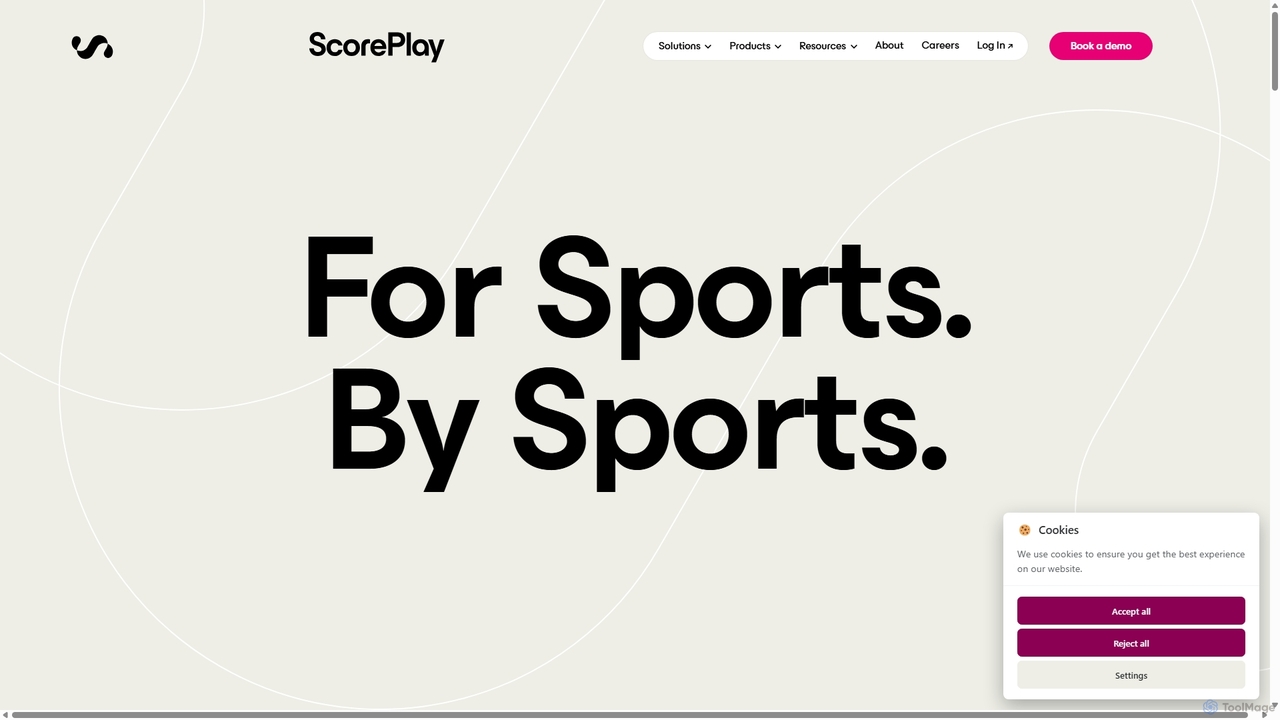
ScorePlay

ScorePlay

ScorePlay is an AI-powered media infrastructure built specifically for the sports industry. It automates the centralization, AI-tagging, and …

212.0K
Immagin

Immagin

Immagin is an AI-powered image processing API and cloud delivery network for developers. It offers real-time image transformations, …

3.6K
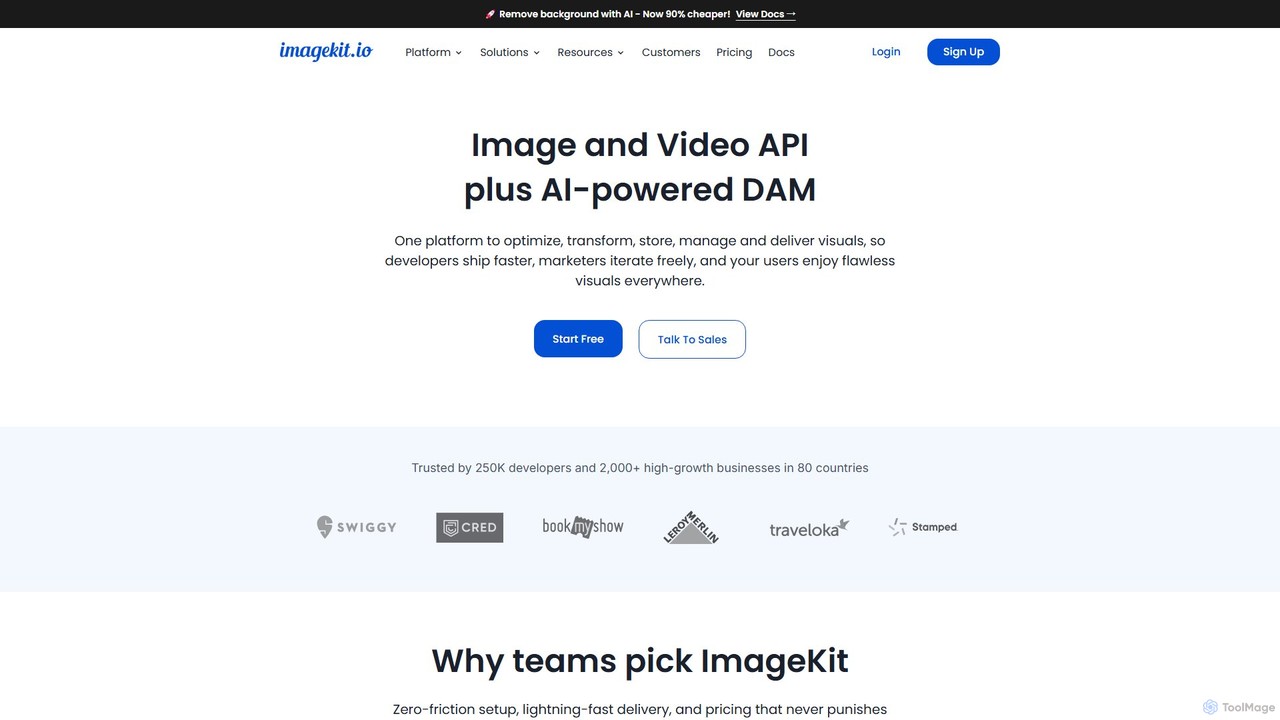
ImageKit.io

ImageKit.io

ImageKit.io is a comprehensive platform for image and video management, offering an API and AI-powered Digital Asset Management …

885.6K

About Asset Management

AI Asset Management tools are specialized platforms that use artificial intelligence to organize, store, and distribute a company's digital marketing assets. By leveraging AI for tasks like automatic metadata tagging, object recognition in images, and content analysis, these systems transform a static library into an intelligent, searchable database. This enables marketing teams to instantly locate specific content, maintain brand consistency across all channels, and measure the performance of their creative assets. Ultimately, they streamline the entire content lifecycle, from creation to distribution and archiving, ensuring maximum value from every piece of content.

Core Features

  • AI-Powered Auto-Tagging: Automatically analyzes images, videos, and documents to generate relevant keywords and metadata.
  • Advanced Semantic Search: Enables users to find assets using natural language queries and concepts, not just filenames.
  • Content Performance Analytics: Tracks asset usage and engagement across different platforms to measure ROI.
  • Brand Guideline Enforcement: Uses AI to verify that new content adheres to established brand colors, logos, and fonts.
  • Automated Content Distribution: Integrates with marketing channels to push approved assets directly to social media, CMS, or ad platforms.

Use Cases

These tools are essential for organizations with large volumes of creative content. For example, global enterprises use them to maintain brand consistency across regional marketing teams. E-commerce companies rely on them to manage thousands of product images and videos. Creative agencies use them to streamline collaboration and asset delivery for multiple clients.

How to Choose

When selecting an AI Asset Management tool, consider its integration capabilities with your existing marketing stack (e.g., Adobe Creative Cloud, HubSpot). Evaluate the depth of its AI features—does it go beyond basic tagging to offer predictive analytics? Also, assess its scalability to accommodate future growth and the granularity of its user access controls to manage team permissions effectively.

Asset ManagementUse Cases

1

Centralize Brand Assets for Global Teams

A global marketing manager needs to ensure all regional teams use the latest, approved brand materials. They upload all official logos, templates, and campaign imagery to a central AI asset management platform. The AI automatically tags each asset by product line, region, and usage rights. When a regional marketer searches for 'Q4 holiday campaign logo for Europe,' the system instantly provides the correct, compliant version. This eliminates the use of outdated assets, reduces redundant creative requests, and maintains a consistent global brand identity.

2

Automate Product Image Tagging for E-commerce

An e-commerce content specialist manages thousands of new product photos each season. Instead of manually tagging each image with attributes like color, material, and style, they use an AI asset management tool. After a bulk upload, the AI's computer vision analyzes each photo, automatically applying tags such as 'red,' 'cotton,' 't-shirt,' and 'V-neck.' This not only saves hundreds of hours of manual work but also improves the accuracy of on-site search filters, leading to a better customer experience and increased conversion rates.

3

Streamline Video Clip Discovery for Social Media

A social media manager needs to create short-form video content from hours of raw footage, such as interviews or webinars. They upload the long-form videos to their AI asset management system. The AI automatically transcribes the audio to text and identifies objects and scenes within the video. The manager can then search for specific keywords like 'customer success story' or 'new feature announcement' and instantly find the exact moments in the videos where these topics are discussed. This reduces content discovery time from hours to minutes, enabling faster production of engaging social media clips.

4

Manage Digital Rights and Content Licensing

A legal or operations manager in a media company is responsible for tracking usage rights for thousands of licensed assets, like stock photos and influencer content. They use an AI asset management tool where licensing information, including expiration dates and usage restrictions (e.g., 'web only'), is stored with each asset. The AI system automatically flags assets nearing their license expiration date and can prevent users from downloading content for unapproved channels. This proactive management prevents costly copyright infringement and ensures full compliance with all licensing agreements.

5

Analyze Creative Performance for Ad Optimization

A performance marketer wants to understand which visual elements in their ad creatives drive the most engagement. Their AI asset management tool is integrated with their ad platforms. The system analyzes top-performing ads and uses AI to identify common characteristics, such as 'images with people smiling,' 'blue backgrounds,' or 'videos under 15 seconds.' This provides the creative team with data-driven insights for future ad designs, moving beyond guesswork and helping to systematically improve campaign ROI by focusing on elements proven to resonate with the audience.

6

Accelerate Sales Enablement with On-Demand Content

A sales enablement specialist needs to provide the sales team with easy access to the latest case studies, presentations, and product one-pagers. They organize all sales collateral in an AI asset management system. A salesperson preparing for a client call can simply search the system for 'case study for the finance industry' or 'competitor comparison for Product X.' The AI recommends the most relevant and up-to-date content. This ensures the sales team always uses on-brand, accurate materials, helping them to be more effective and shorten the sales cycle.

Asset ManagementFrequently Asked Questions