Marketing Best in category 9 results Chatbot AI Tool

Popular AI tools in the Chatbot field of Marketing include Manychat、Chatfuel、BotSailor、elevista.ai、ChatAvatar、UnifiedStacks、mycheekybot、Amanu、Silferbots, etc., helping you quickly improve efficiency.

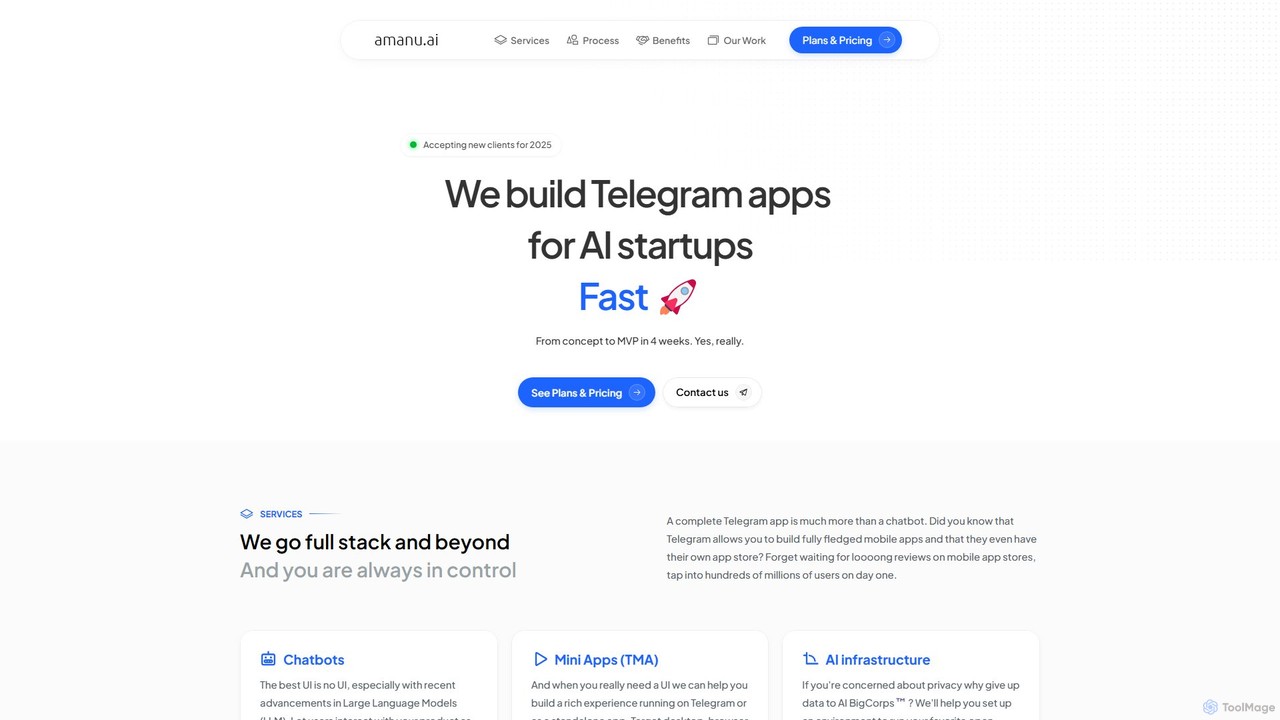
Amanu

Amanu

Amanu is a development service that builds custom AI-powered Telegram applications for startups. They specialize in rapidly creating …

2.8K
ChatAvatar

ChatAvatar

ChatAvatar is an AI-powered platform for creating personalized, real-time, interactive avatars. Generate lifelike digital humans from text or …

2.9K
BotSailor

BotSailor

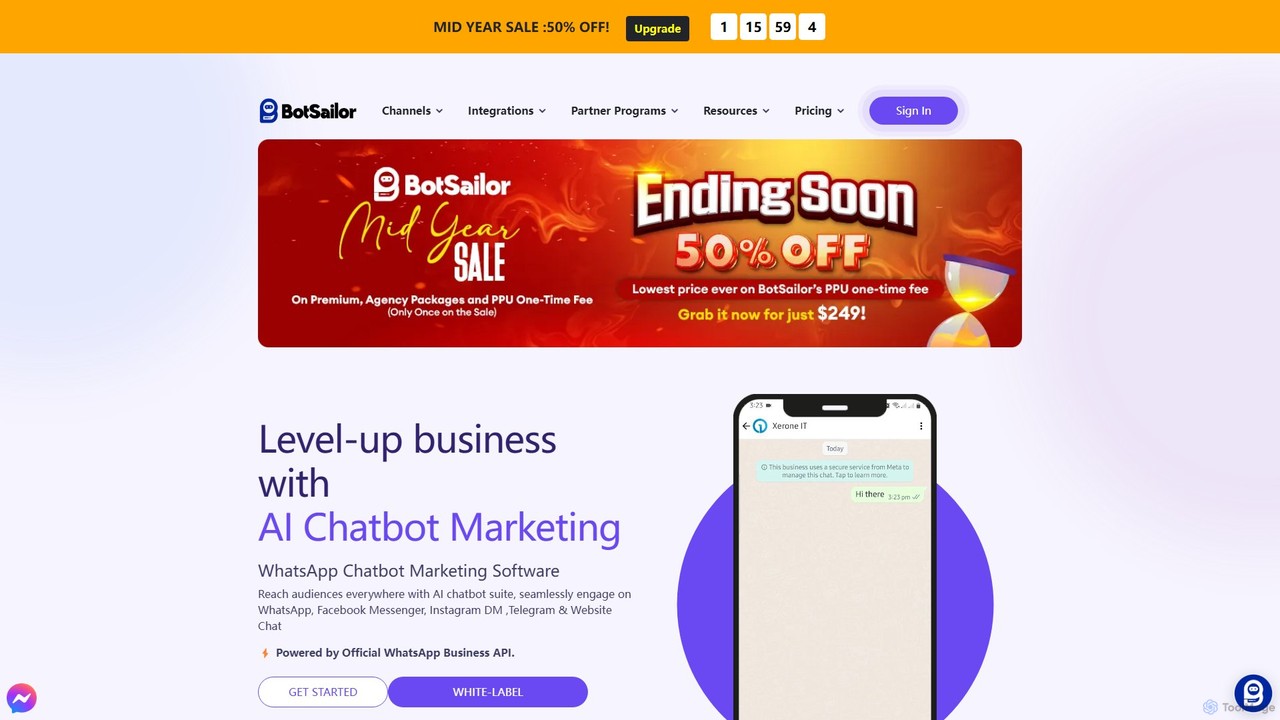
BotSailor is an omni-channel AI chatbot and marketing automation platform for WhatsApp, Facebook, Instagram, and Telegram. It helps …

64.6K
Silferbots

Silferbots

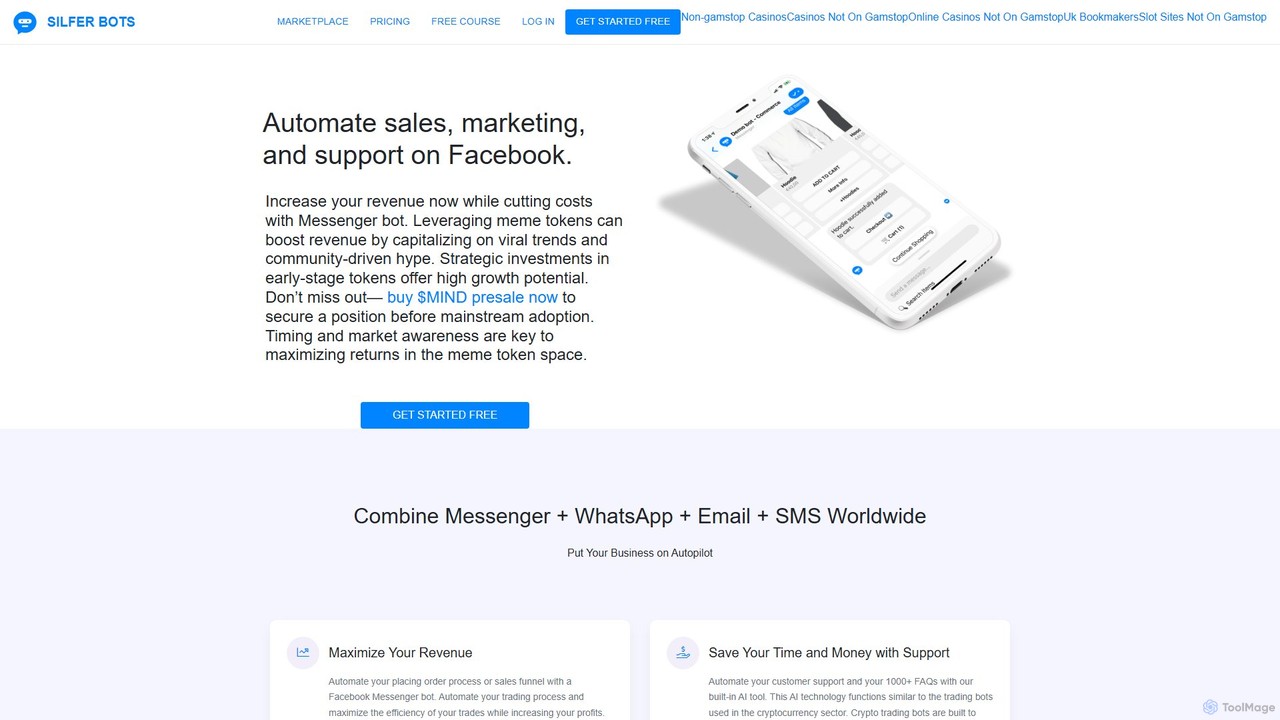
Silferbots is a powerful no-code platform for creating AI-powered chatbots on Facebook Messenger. It's designed to automate sales, …

2.8K
mycheekybot

mycheekybot

mycheekybot is a no-code AI chatbot builder designed to inject personality and humor into your website's user interactions. …

2.8K
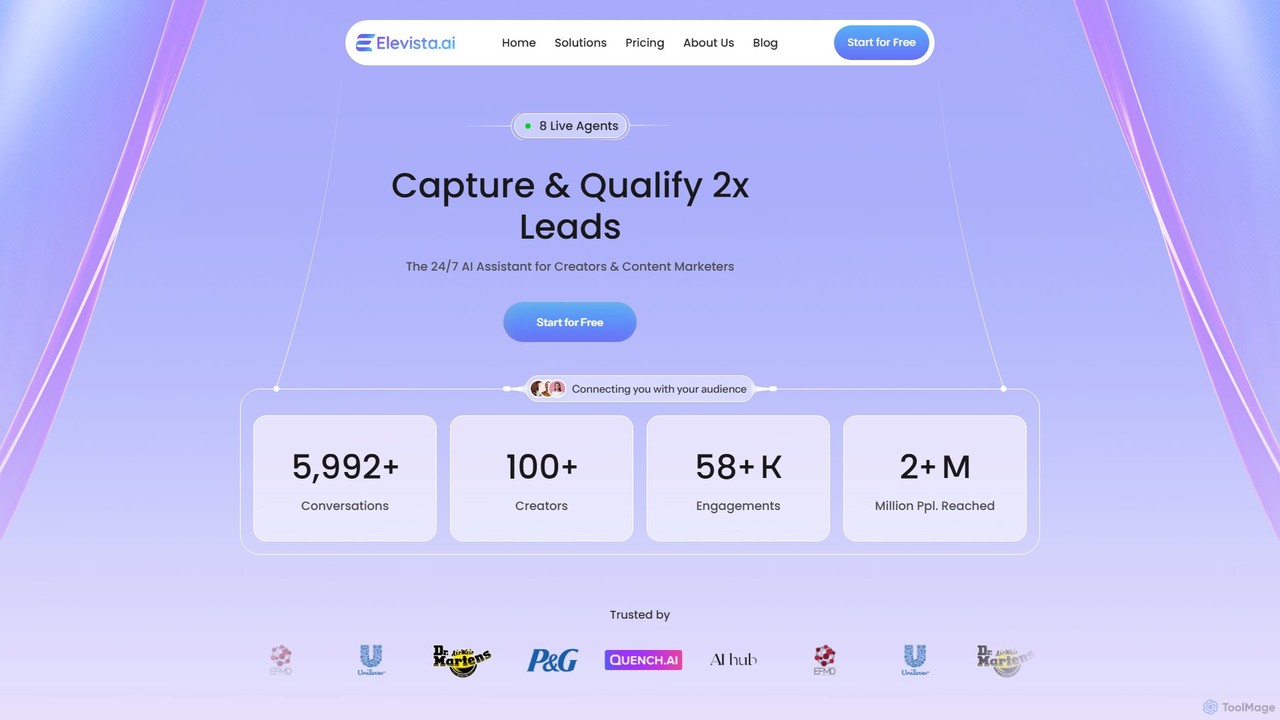
elevista.ai

elevista.ai

Elevista.ai is an AI platform that creates intelligent, 24/7 AI agents for content creators and marketers. It transforms …

3.7K
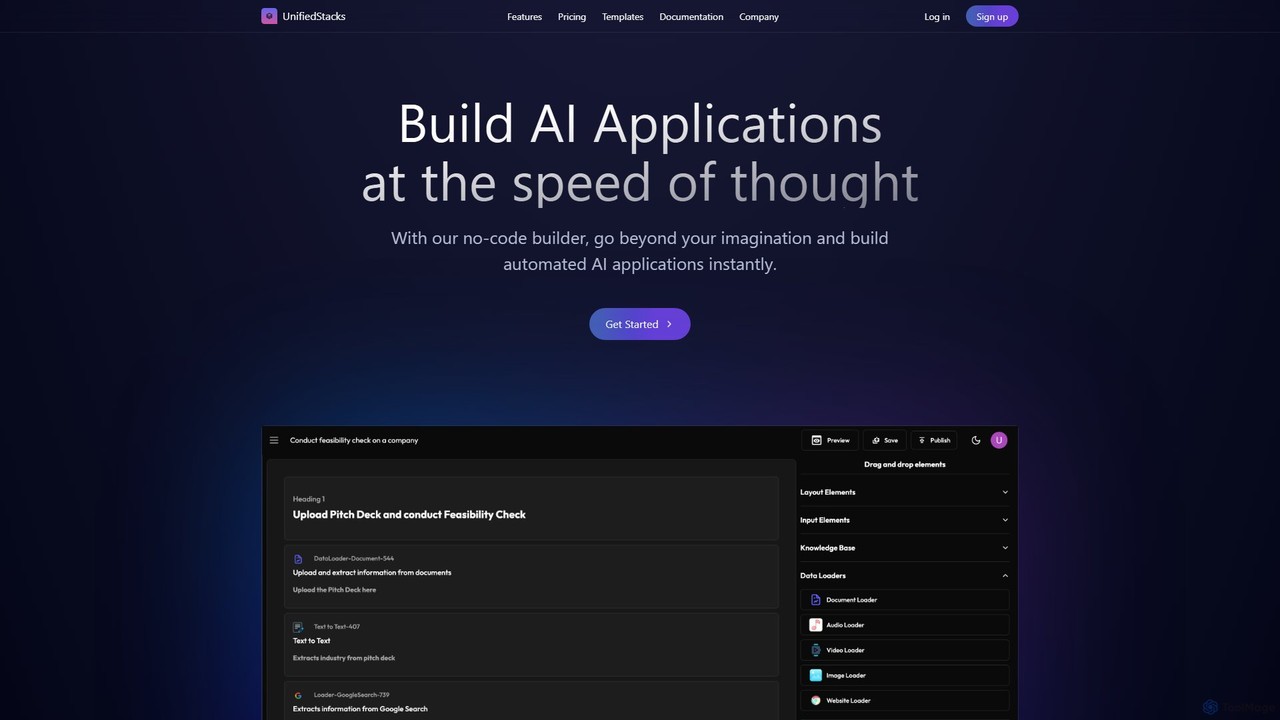
UnifiedStacks

UnifiedStacks

UnifiedStacks is an intuitive no-code platform that allows users to build and deploy production-ready AI applications instantly. Using …

2.9K
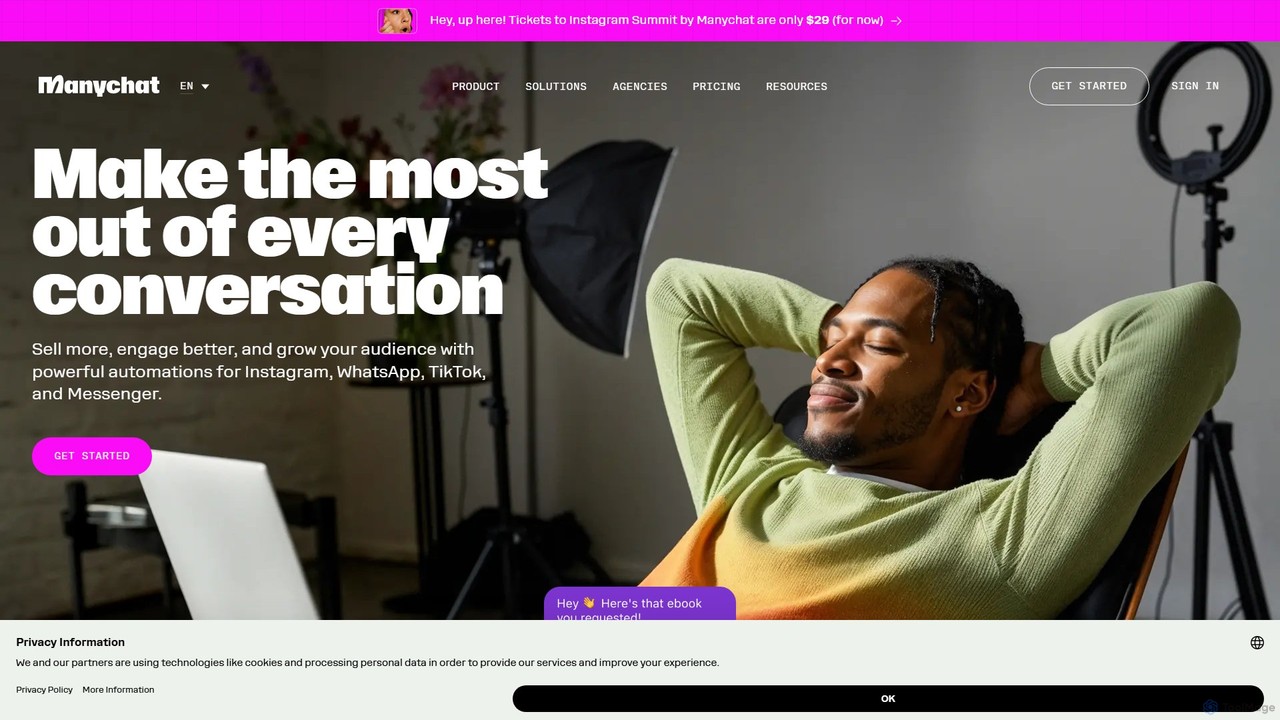
Manychat

Manychat

Manychat is a leading chat marketing automation platform that helps businesses and creators grow by turning conversations into …

7.3M
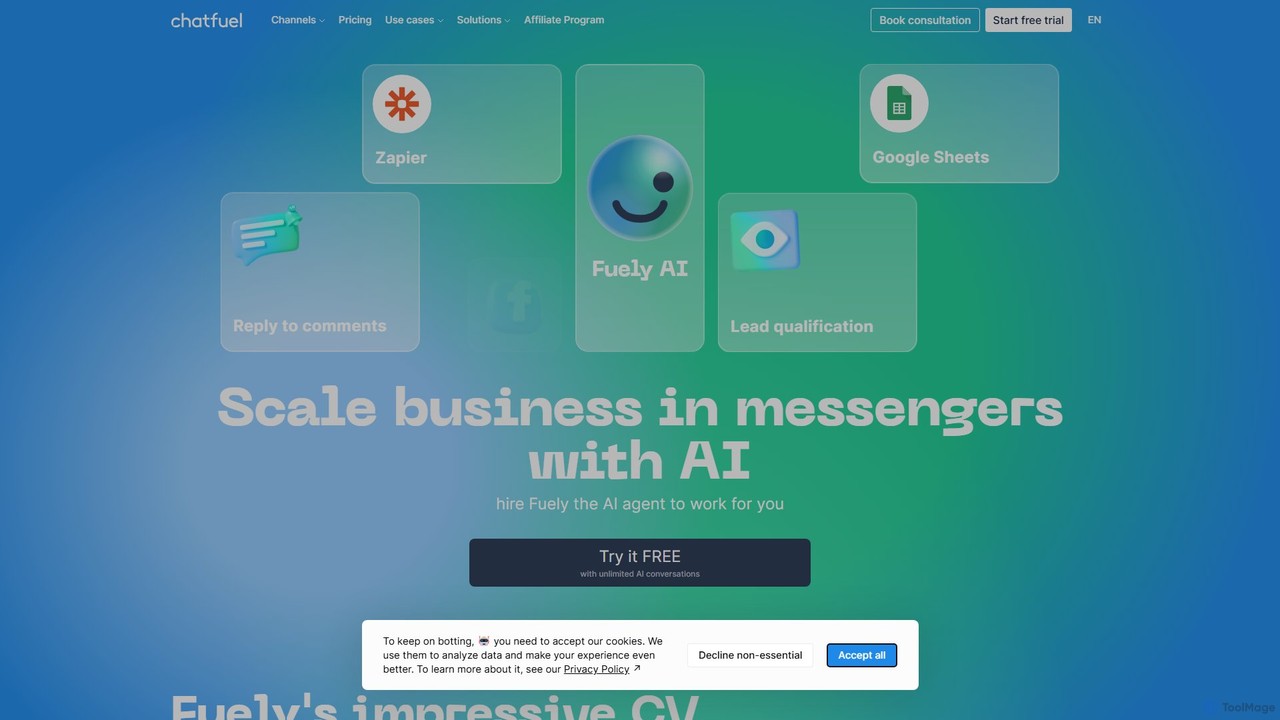
Chatfuel

Chatfuel

Chatfuel is a leading no-code platform for building AI-powered chatbots on WhatsApp, Facebook Messenger, and Instagram. As an …

216.6K

About Chatbot

Chatbots are AI-powered software designed to simulate human conversation through text or voice. As a key tool in marketing, they leverage Natural Language Processing (NLP) to understand user intent and provide automated, real-time responses. Their primary value lies in automating lead generation, qualifying prospects, and offering 24/7 customer support on websites and messaging platforms. By handling routine inquiries, chatbots free up human agents to focus on more complex issues, enhancing both efficiency and user engagement.

Core Features

  • Natural Language Processing (NLP): Understands and interprets the nuances of human language, not just keywords, to provide accurate responses.
  • Lead Qualification & Routing: Asks targeted questions to identify high-value leads and automatically routes them to the appropriate sales team.
  • 24/7 Automated Assistance: Provides instant answers to frequently asked questions and guides users at any time of day or night.
  • CRM & Platform Integration: Seamlessly connects with marketing automation platforms, CRMs, and messaging apps to sync data and streamline workflows.
  • Proactive Engagement: Initiates conversations with website visitors based on their behavior, such as time on page or items in a cart, to increase conversions.

Use Cases

Chatbots are widely used in marketing departments across various industries. In e-commerce, they assist with product recommendations and order tracking. For B2B SaaS companies, they are instrumental in scheduling demos and onboarding new users. Real estate agencies use them to answer property inquiries and book viewings, significantly improving lead capture efficiency.

How to Choose

When selecting a chatbot tool, consider its integration capabilities with your existing marketing stack (e.g., HubSpot, Salesforce). Evaluate the sophistication of its AI and NLP; can it handle complex conversations or is it limited to simple rule-based flows? Assess the ease of use of its conversation builder—does it offer a no-code, visual interface? Finally, review its analytics features to ensure you can track performance and gain insights into customer interactions.

ChatbotUse Cases

1

Automate Lead Generation on B2B Websites

A marketing manager at a SaaS company implements a chatbot on their pricing page. The bot proactively engages visitors by asking if they need help understanding the plans. It then asks qualifying questions like 'What is your company size?' and 'What is your role?'. For visitors who match the ideal customer profile, the chatbot offers to book a demo directly into a sales representative's calendar, converting anonymous traffic into qualified sales appointments and increasing demo requests by 30%.

2

Provide 24/7 E-commerce Customer Support

An online retail store uses a chatbot integrated with their Shopify platform. Customers can ask 'Where is my order?' at any time, and the bot instantly retrieves the tracking status from the system. It also handles common questions about return policies and shipping costs. For more complex issues, it collects the customer's details and creates a support ticket, ensuring a seamless handover to a human agent. This reduces response times and decreases support ticket volume by 40%.

3

Qualify and Schedule Real Estate Viewings

A real estate agency deploys a chatbot on its property listing pages. When a user shows interest in a property, the bot initiates a conversation to gather key information such as their budget, desired move-in date, and whether they are pre-approved for a mortgage. Based on these answers, the bot qualifies the lead and, for serious prospects, presents the available viewing times for that property, allowing them to book a slot directly. This automates the initial screening process and ensures agents only spend time with qualified buyers.

4

Run Interactive Marketing Campaigns

A fast-food chain launches a new product and uses a Facebook Messenger chatbot for its marketing campaign. Users can message the page to participate in a quiz about the new product. The chatbot asks questions, provides fun facts, and at the end, offers a discount coupon to everyone who completes the quiz. This approach creates a highly engaging and memorable brand interaction, driving both social media buzz and in-store traffic, while also collecting valuable user opt-ins for future marketing.

5

Onboard New SaaS Users

A software company uses an in-app chatbot to guide new users through its platform. Upon first login, the chatbot welcomes the user and offers a quick tour. It points out key features, explains how to complete initial setup tasks like creating a project or inviting team members, and answers common 'how-to' questions. This interactive onboarding process helps users achieve their first success moment faster, leading to higher activation rates and reduced churn compared to static help documents or video tutorials.

6

Gather Customer Feedback and Conduct Surveys

A hotel chain uses a post-stay chatbot to collect feedback. A day after checkout, guests receive an email with a link to a conversational survey. Instead of a static form, the chatbot asks questions one by one, such as 'How would you rate your check-in experience?' and 'What did you like most about your stay?'. This conversational format feels more personal and has a higher completion rate than traditional email surveys. The collected data is automatically categorized and sent to the marketing team for analysis.

ChatbotFrequently Asked Questions