ToolMage
Sign in

Best 4 Customer Segmentation AI tools for Marketing

Popular Customer Segmentation AI tools in Marketing include Spatial.ai, Bizu, Analyzr, and DataKriB, helping you work more efficiently.

Bizu
Paid

Bizu

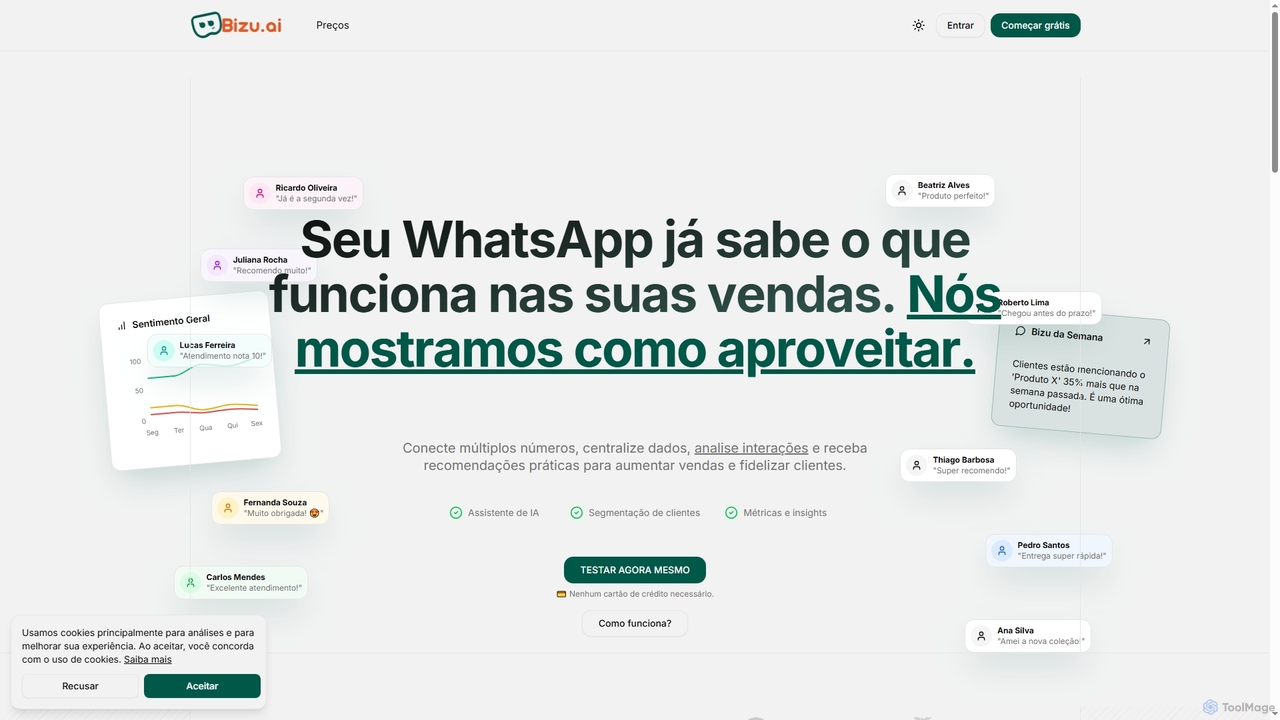
Bizu is an AI-powered platform designed for retailers to transform WhatsApp conversations into actionable sales insights. It centralizes data from multiple WhatsApp numbers, analyzes customer interactions, identifies trends, and provides practical recommendations to boost sales and foster customer loyalty.

Feedback Analysis
Visits 7.6KFavorites 153Likes 165
DataKriB
Freemium

DataKriB

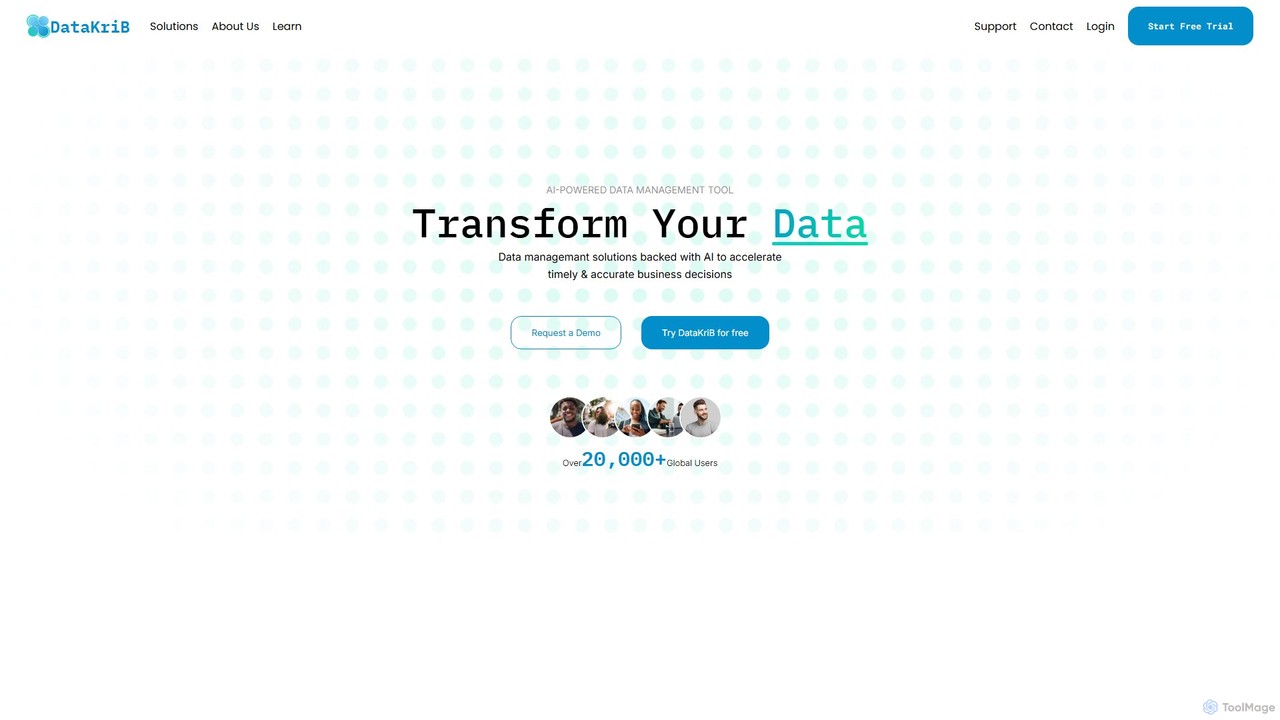
DataKriB is an AI-powered data management platform that seamlessly integrates data from multiple sources like AWS, Azure, and Salesforce. It uses its proprietary KriB AI engine to provide automated insights, predictive modeling, and real-time recommendations, helping businesses eliminate data silos and accelerate data-driven decision-making for growth.

Analytics
Visits 5.4KFavorites 157Likes 164
Spatial.ai
Paid

Spatial.ai

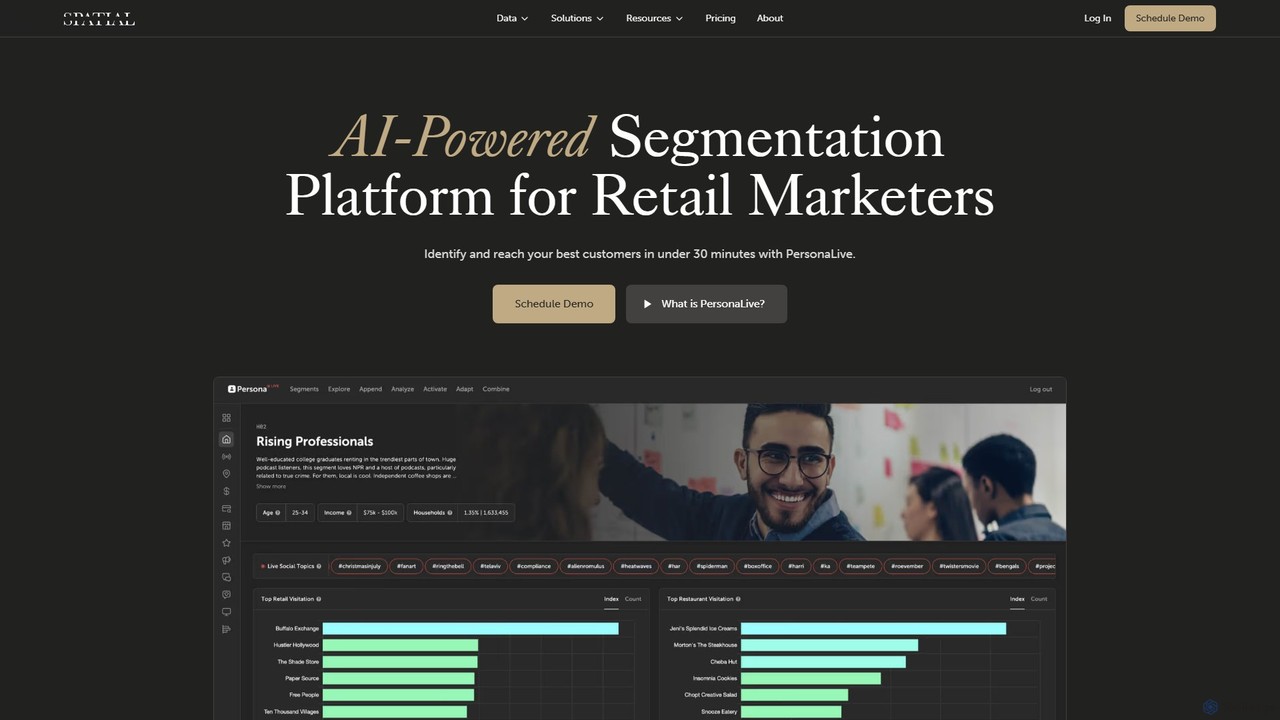
Spatial.ai is an AI-powered customer segmentation platform for retail marketers. It uses behavioral data from social media, mobile location, and credit card transactions to create 80 distinct customer segments. This enables brands to optimize site selection, personalize marketing campaigns, and gain a competitive edge through deep consumer insights.

Market Research
Visits 20.4KFavorites 170Likes 162
Analyzr
Paid

Analyzr

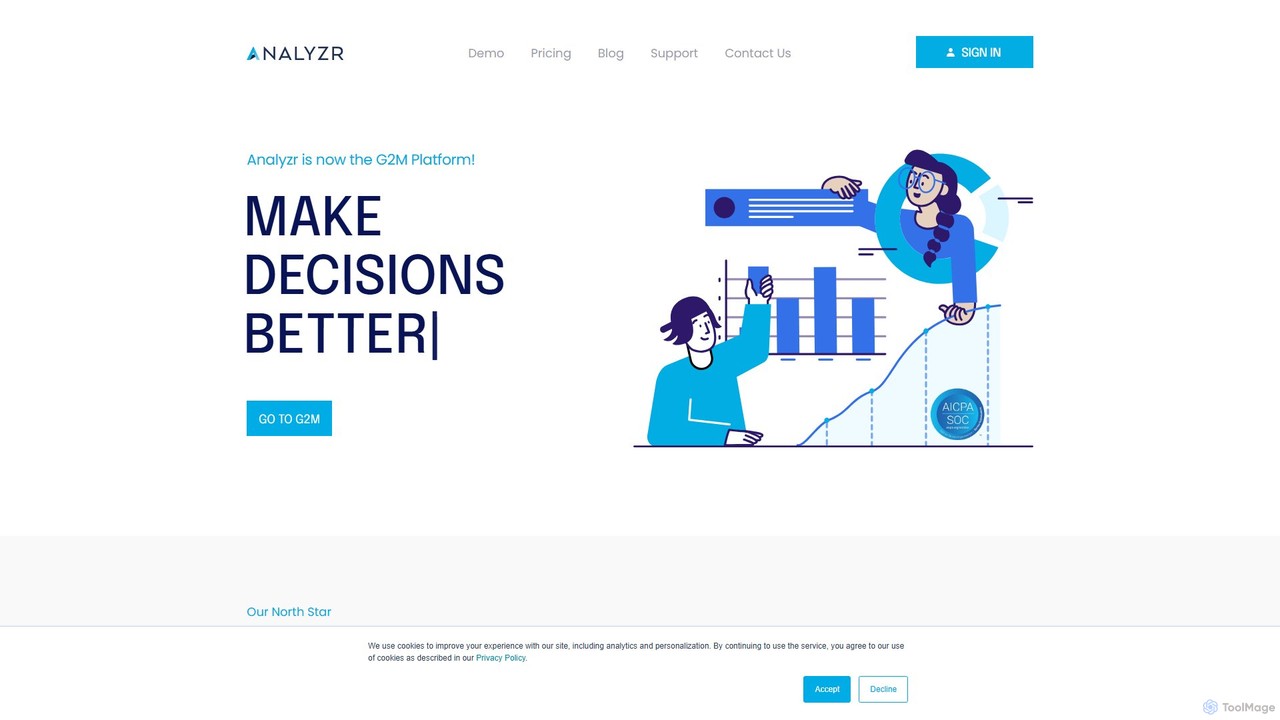
Analyzr is a no-code predictive analytics platform that empowers businesses to build custom machine learning models. It simplifies data analysis, enabling users to uncover insights for customer clustering, propensity scoring, and forecasting without requiring engineering expertise.

Predictive Analytics
Visits 6.5KFavorites 125Likes 119

About Customer Segmentation

Customer Segmentation tools are AI-powered platforms that automatically group customers into distinct segments based on shared characteristics. They leverage machine learning algorithms to analyze vast datasets, including demographics, purchase history, and behavioral patterns. This enables businesses to create highly targeted marketing campaigns, personalize user experiences, and improve customer retention. Unlike traditional manual methods, these AI tools can uncover non-obvious patterns and dynamically update segments in real-time.

Core Features

  • Behavioral Clustering: Groups users based on actions like clicks, purchase frequency, and feature usage.
  • Predictive Segmentation: Forecasts future customer behavior, such as churn risk or lifetime value (LTV).
  • Dynamic Segment Updates: Automatically reassigns customers to different segments as their behavior changes over time.
  • Multi-source Data Integration: Connects with CRM, e-commerce platforms, and analytics tools to create a unified customer view.
  • Segment Activation: Pushes identified segments directly to marketing automation and advertising platforms for immediate use.

Use Cases

These tools are essential for marketing managers, e-commerce specialists, and data analysts in sectors like retail, SaaS, and finance. They are used to personalize email campaigns, create lookalike audiences for digital ads, design tiered loyalty programs, and proactively manage customer churn by identifying at-risk groups.

How to Choose

When selecting a tool, consider its data integration capabilities with your existing systems (e.g., Shopify, Salesforce). Evaluate the transparency of its AI models and the actionability of its insights. Also, assess its scalability to handle your data volume and its ease of use for non-technical team members.

Customer Segmentation use cases

1

Personalized Email Marketing for E-commerce

An e-commerce marketing manager for a fashion brand wants to increase repeat purchases. Using an AI segmentation tool, they analyze purchase history and browsing behavior to automatically create segments like 'High-Value VIPs', 'Recent First-Time Buyers', and 'At-Risk of Churn'. The tool then syncs these segments to their email platform. This allows them to send targeted campaigns: exclusive previews to VIPs, styling tips to new buyers, and a special discount to win back at-risk customers, resulting in higher engagement and conversion rates.

2

Creating Lookalike Audiences for Ad Campaigns

A digital advertising specialist for a SaaS company needs to improve ad spend efficiency. They use a customer segmentation tool to identify the characteristics of their 'Most Profitable Customers' segment, analyzing data from their CRM and product usage. The tool generates a detailed profile of this ideal customer. The specialist then uses this profile to create lookalike audiences on platforms like Google Ads and LinkedIn, targeting new prospects who share similar traits. This leads to a lower customer acquisition cost (CAC) and a higher return on ad spend (ROAS).

3

Reducing Customer Churn in Subscription Services

A customer success manager at a streaming service needs to proactively identify users likely to cancel. The AI segmentation tool continuously monitors user engagement metrics like login frequency, content consumption, and session duration. It automatically creates a dynamic 'High Churn Risk' segment for users whose behavior indicates disengagement. The customer success team can then target this specific group with personalized re-engagement campaigns, such as highlighting new content relevant to their viewing history or offering a temporary subscription discount, effectively reducing the overall churn rate.

4

Optimizing Product Recommendations on a Website

A product manager for an online marketplace wants to increase cross-sells and up-sells. They use an AI tool to segment users based on a combination of browsing history, past purchases, and items added to wishlists. The system identifies distinct clusters like 'Budget-Conscious Tech Enthusiasts' or 'Luxury Fashion Seekers'. These segments are then used to power the website's recommendation engine, ensuring that each user sees a personalized carousel of products that are highly relevant to their inferred interests and purchasing power, leading to a higher average order value (AOV).

5

Tailoring In-App User Onboarding Experience

A growth marketer for a new mobile app aims to improve user activation rates. The app uses an AI segmentation tool that analyzes initial user actions during the first session, such as features explored or profile information completed. Based on this data, it segments users into 'Power User Potentials', 'Casual Browsers', or 'Task-Oriented Users'. The app then delivers a customized onboarding flow for each segment, highlighting the most relevant features and providing targeted tips. This personalized guidance helps users discover value faster, leading to higher retention and engagement from day one.

6

Developing Tiered Customer Loyalty Programs

A brand manager for a retail chain wants to design a more effective loyalty program. They use an AI segmentation tool to analyze customer lifetime value (LTV), purchase frequency, and average transaction value. The tool identifies distinct value tiers, such as 'Bronze', 'Silver', and 'Gold' customers. Based on the unique spending habits and preferences of each tier, the manager designs a targeted rewards program. Gold members might receive exclusive event invitations, while Bronze members get early access to sales. This data-driven approach ensures the loyalty program is both cost-effective and highly motivating for all customer segments.

Customer Segmentation FAQ

What are AI Customer Segmentation tools?

AI Customer Segmentation tools are software platforms that use machine learning algorithms to automatically analyze customer data and group individuals into meaningful segments. Unlike manual methods that rely on simple rules (e.g., age or location), these tools can process vast amounts of data—including purchase history, website behavior, and engagement metrics—to uncover complex, non-obvious patterns. This allows for more precise and dynamic segmentation that adapts as customer behavior changes.

How do I choose the right Customer Segmentation tool?

Choosing the right tool depends on your specific needs. Consider the following factors:

  • Data Integration: Ensure the tool can easily connect to your existing data sources, such as your CRM, e-commerce platform, and website analytics.
  • Model Transparency: Some tools are 'black boxes', while others offer explainable AI, showing you why segments were created. Choose based on your team's need for analytical depth.
  • Actionability: How easy is it to use the segments? Look for tools that can directly sync segments with your marketing automation or ad platforms.
  • Scalability and Speed: The tool should be able to handle your current and future customer data volume efficiently and provide insights in a timely manner.
What's the difference between AI segmentation and traditional rule-based segmentation?

The primary difference lies in complexity and dynamism. Traditional rule-based segmentation is manual and static; you define fixed rules like 'customers who spent over $100' or 'users from California'. It's simple but often misses nuanced behaviors. AI segmentation is automated and dynamic. It uses algorithms to find complex, multi-dimensional patterns that a human might not see, such as 'users who browse on weekends but purchase on Monday mornings'. AI segments can also update automatically as customer behavior evolves, ensuring they remain relevant.

What are the main benefits of using AI for customer segmentation?

Using AI for customer segmentation offers several key advantages over manual methods. The main benefits include:

  • Deeper Insights: AI can uncover hidden patterns and correlations in customer data that lead to a more profound understanding of your audience.
  • Increased Personalization: By creating highly specific segments, you can tailor marketing messages, product recommendations, and user experiences for maximum relevance and impact.
  • Improved Efficiency: AI automates the time-consuming process of data analysis and segment creation, freeing up your team to focus on strategy and execution.
  • Proactive Marketing: Predictive segmentation allows you to anticipate future behaviors, such as churn, enabling you to intervene proactively and improve retention.
Which types of businesses benefit most from Customer Segmentation tools?

While many businesses can benefit, those that typically see the highest return on investment are B2C companies with large and diverse customer bases. This includes sectors like:

  • E-commerce and Retail: To personalize product recommendations, promotions, and marketing communications at scale.
  • SaaS (Software as a Service): To understand user behavior, identify at-risk accounts, and tailor onboarding for different user personas.
  • Media and Entertainment: To recommend relevant content and design subscription offers that appeal to different audience segments.
  • Financial Services: To segment clients based on risk profiles, investment habits, and financial goals for personalized advice.