Marketing Best in category 4 results Data Analysis AI Tool

Popular AI tools in the Data Analysis field of Marketing include hurree、ClientReports.ai、Plainora、Infer, etc., helping you quickly improve efficiency.

Plainora

Plainora

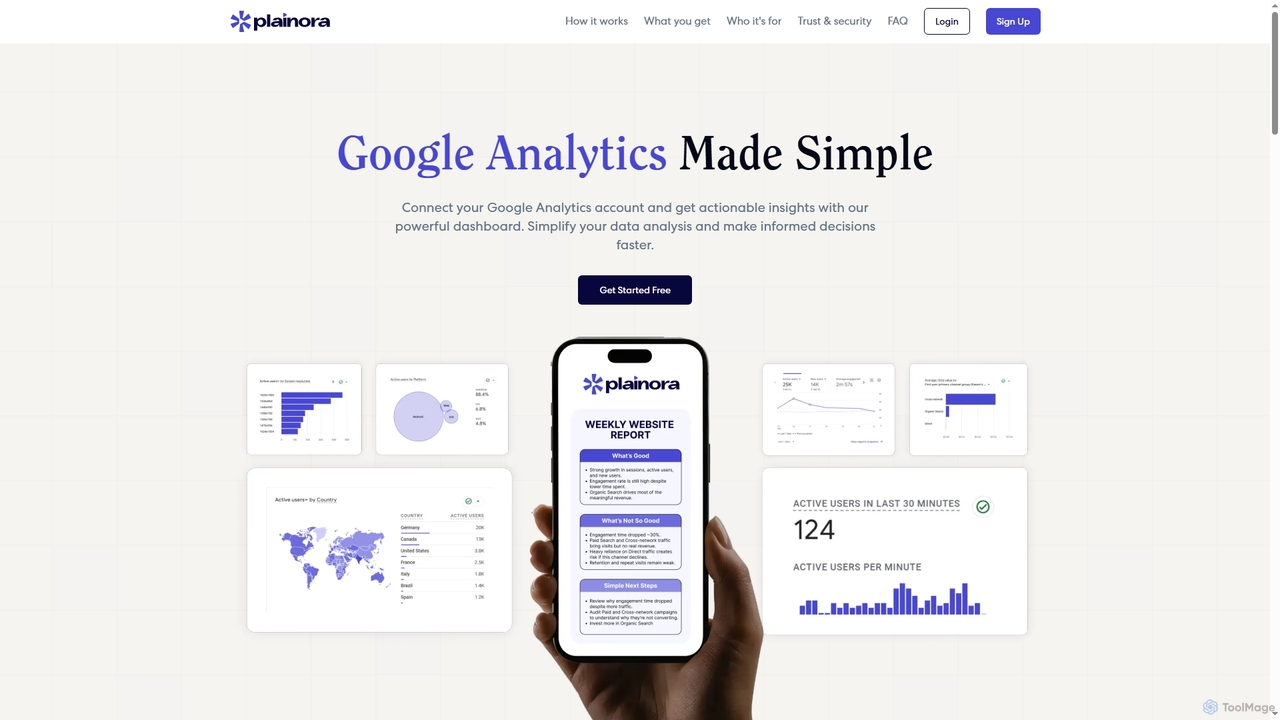
An AI-powered tool that simplifies Google Analytics (GA4) by transforming complex data into easy-to-understand, actionable reports. Connect your …

2.6K
ClientReports.ai

ClientReports.ai

ClientReports.ai is an AI-powered platform designed to automate and streamline the creation of client reports. It enables professionals …

3.7K
hurree

hurree

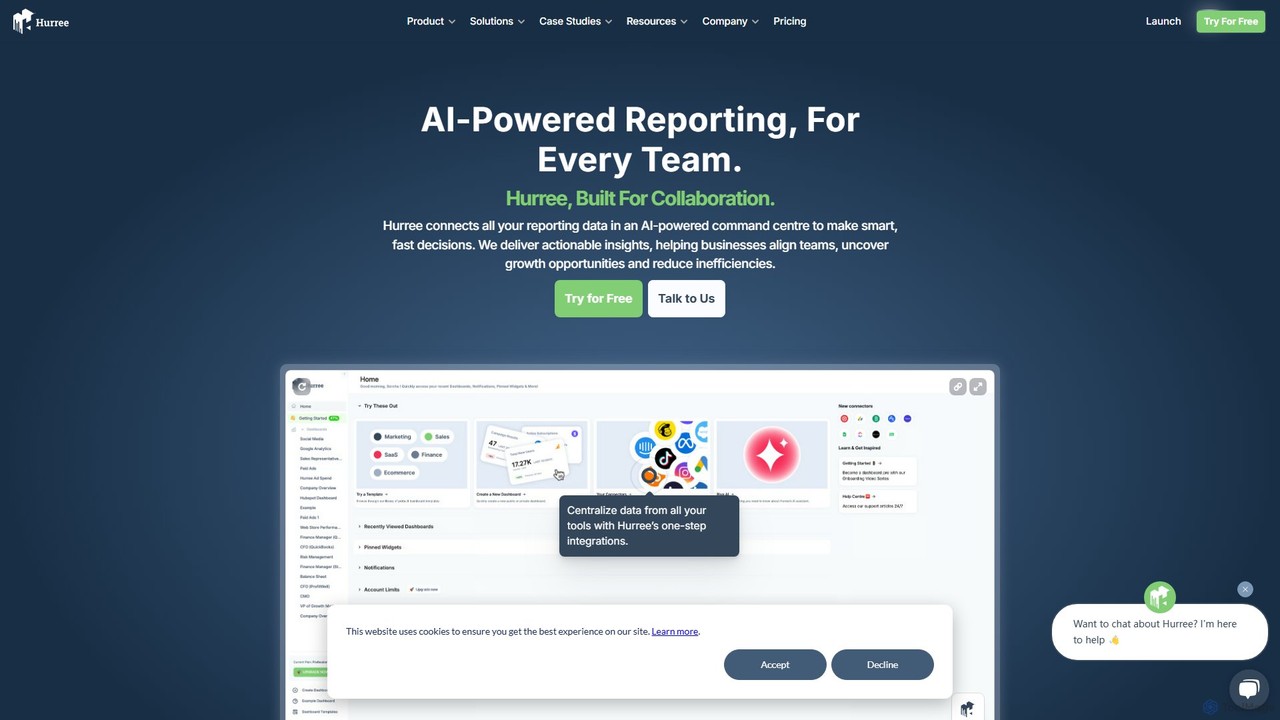
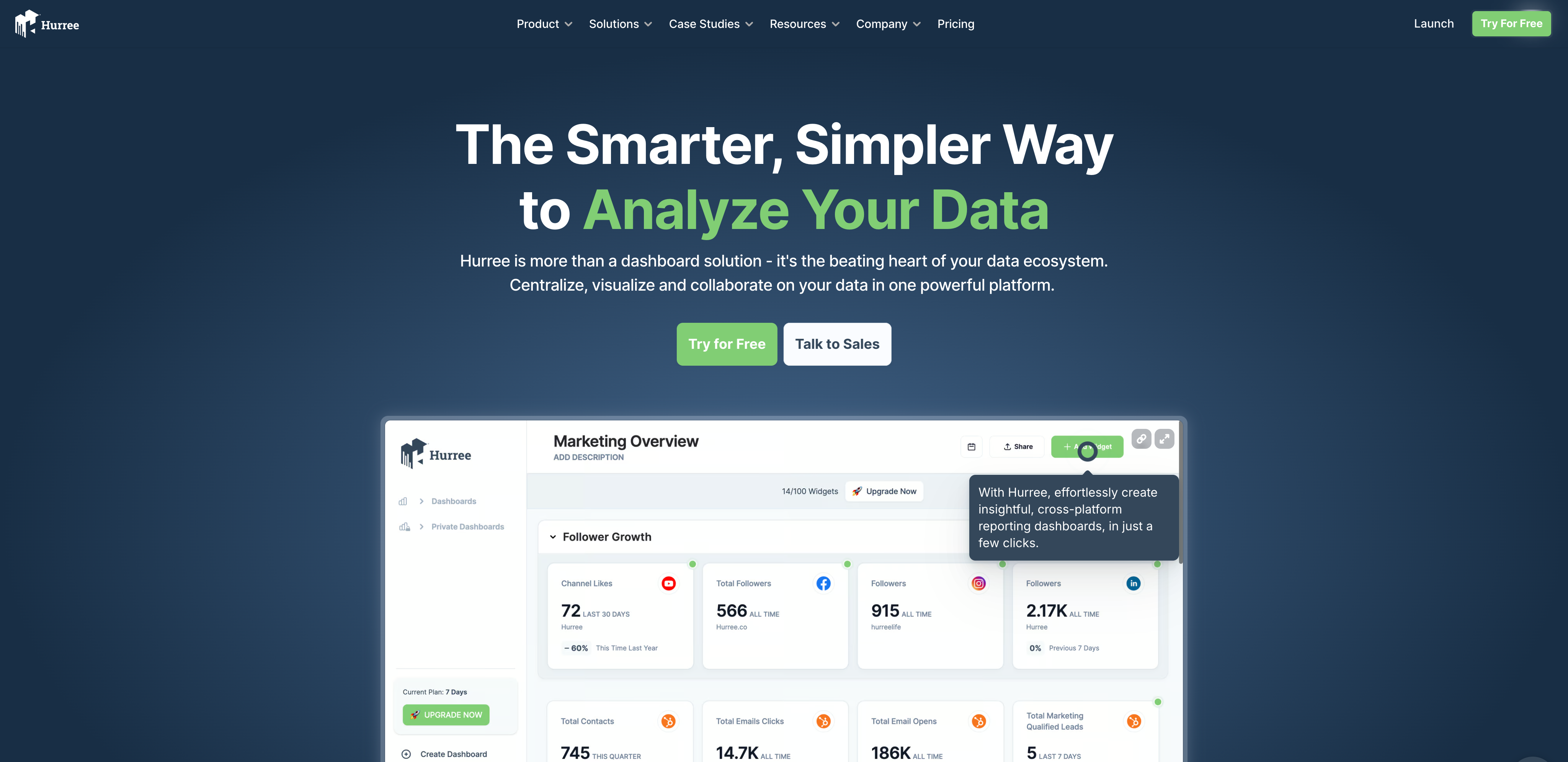
Hurree is an AI-powered analytics platform that unifies all your business data into a single, collaborative command center. …

31.4K
Infer

Infer

Infer is a predictive analytics platform designed for RevOps and GTM teams. It creates custom machine learning models …

2.6K

About Data Analysis

AI Data Analysis tools are a class of software designed to process and interpret large datasets using machine learning and statistical models. Specifically for marketing, these tools analyze customer behavior, campaign performance, and market trends to uncover actionable insights. They automate complex analytical tasks, enabling marketers to move beyond simple reporting to predictive and prescriptive analytics. This allows for data-driven decision-making, optimizing marketing spend and personalizing customer experiences at scale.

Core Features

  • Predictive Analytics: Forecasts future outcomes like customer churn, lifetime value (LTV), and conversion probability.
  • Customer Segmentation: Automatically groups customers into distinct segments based on behavior, demographics, and purchase history.
  • Performance Attribution: Determines the effectiveness of different marketing channels and touchpoints in the customer journey.
  • Sentiment Analysis: Analyzes text data from reviews and social media to gauge public opinion about a brand or product.
  • Automated Reporting: Generates dynamic dashboards and reports with key performance indicators (KPIs) and insights.

Applicable Scenarios

These tools are essential for digital marketing managers, data analysts, and e-commerce specialists. They are used to optimize advertising budgets by reallocating spend to high-performing channels, personalize email marketing campaigns based on user segments, and identify at-risk customers for proactive retention efforts.

How to Choose

When selecting a tool, consider its integration capabilities with your existing data sources (e.g., CRM, Google Analytics, ad platforms). Evaluate the sophistication of its analytical models and whether it offers a user-friendly interface for non-technical users. Also, assess its scalability to handle growing data volumes and its pricing structure.

Data AnalysisUse Cases

1

Optimize Advertising Campaign ROI

A digital marketing manager uses an AI data analysis tool to connect data from Google Ads, Facebook Ads, and their CRM. The platform automatically analyzes conversion paths and attributes value to each touchpoint. It identifies underperforming ad creatives and audiences, then provides recommendations for budget reallocation to maximize return on investment (ROI). This process moves beyond last-click attribution, offering a more holistic view of campaign effectiveness and enabling continuous optimization based on predictive insights.

2

Automate Customer Segmentation for Personalization

An e-commerce marketing team needs to send more relevant product recommendations. Instead of creating manual segments based on simple rules, they use an AI tool to analyze the entire customer database. The AI identifies clusters of users based on complex patterns in browsing behavior, purchase frequency, and product affinities. These dynamic segments are then synced with their email marketing platform, enabling highly personalized campaigns that significantly increase engagement and conversion rates.

3

Predict and Reduce Customer Churn

A subscription service provider wants to proactively reduce customer churn. They feed customer usage data, support ticket history, and subscription information into a predictive analytics tool. The AI model generates a 'churn risk score' for each user in near real-time. The marketing team can then create automated workflows to target high-risk customers with special offers, educational content, or proactive support, effectively lowering the overall churn rate and increasing customer lifetime value.

4

Conduct Real-Time Competitor and Market Analysis

A brand strategist needs to stay ahead of market trends and competitor moves. An AI data analysis tool continuously monitors social media, news sites, and competitor announcements. Using natural language processing (NLP), it performs sentiment analysis and topic modeling to identify emerging consumer needs and shifts in competitor messaging. This provides the strategy team with timely, data-backed intelligence to adjust their own marketing positioning and product roadmap.

5

Enhance Content Strategy with Data Insights

A content marketing manager aims to create content that drives business results, not just traffic. They use an AI analysis tool to connect data from their website analytics, CRM, and social media. The tool identifies which topics, formats, and distribution channels are most effective at attracting and converting high-value leads. It reveals content gaps and suggests new topics with high potential, transforming the content calendar from guesswork to a data-driven growth engine.

6

Refine Product Pricing and Promotions

A retail manager needs to determine the optimal pricing for new products and the impact of promotions. An AI data analysis tool analyzes historical sales data, competitor pricing, and market demand signals. It runs simulations to predict how different price points and discount strategies will affect sales volume and overall revenue. This allows the manager to make informed pricing decisions that balance competitiveness with profitability, avoiding costly trial-and-error.

Data AnalysisFrequently Asked Questions