Marketing Best in category 1 results Experiential Marketing AI Tool

Popular AI tools in the Experiential Marketing field of Marketing include Hexagram, etc., helping you quickly improve efficiency.

Hexagram

Hexagram

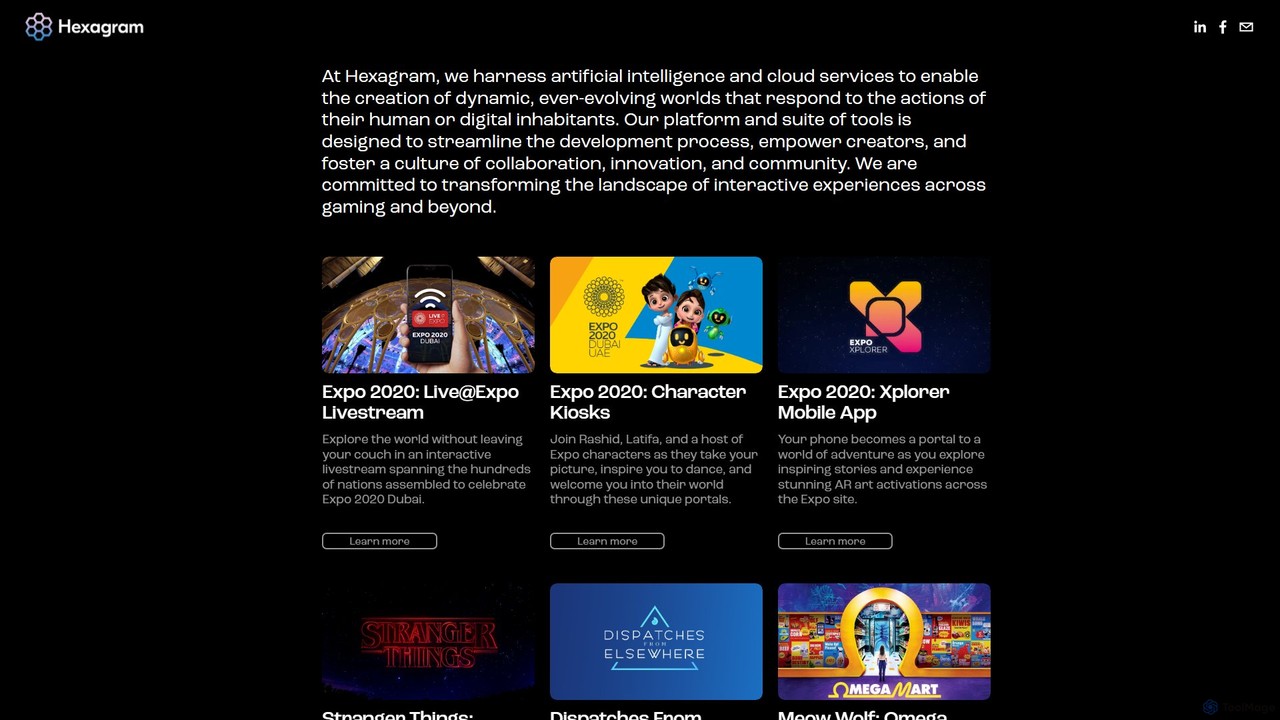
Hexagram is a creative technology platform that uses AI and cloud services to build dynamic, interactive worlds and …

4.9K

About Experiential Marketing

AI Experiential Marketing tools are a class of platforms designed to create immersive, interactive, and personalized brand experiences for consumers. These tools leverage technologies like augmented reality (AR), virtual reality (VR), and real-time data analysis to transform passive audiences into active participants. They enable brands to build deeper emotional connections and generate memorable interactions that go beyond traditional advertising. The primary value lies in creating shareable, data-rich events and campaigns that drive brand loyalty and advocacy.

Core Features

  • AR/VR Experience Creation: Tools for building and deploying augmented or virtual reality content for products and campaigns.
  • Interactive Content Personalization: AI algorithms that adapt digital content in real-time based on user behavior and demographics.
  • Engagement Analytics: Dashboards that measure physical and digital interactions, such as dwell time, sentiment analysis, and social sharing.
  • Gamification Engines: Frameworks for incorporating game mechanics like points, badges, and leaderboards into brand activations.
  • Gesture & Voice Recognition: Technology that allows users to interact with digital installations using natural movements and speech.

Use Cases

These tools are frequently used in retail, automotive, entertainment, and event management industries. For example, a car brand can create a VR test drive experience, or a cosmetics company can offer an AR-powered virtual try-on app. They are ideal for product launches, trade shows, pop-up shops, and creating engaging content for social media campaigns, helping brands stand out in a crowded market.

How to Choose

When selecting an AI Experiential Marketing tool, consider the specific technology required (AR, VR, or interactive displays). Evaluate its integration capabilities with your existing CRM and marketing platforms. Assess the depth of its analytics and reporting features to measure ROI effectively. Finally, consider the ease of use for your creative team and the scalability of the platform for larger campaigns.

Experiential MarketingUse Cases

1

AR Virtual Try-On for Retail Brands

A cosmetics or fashion brand's marketing team uses an AI experiential tool to develop an AR filter for Instagram or a feature within their mobile app. This allows customers to virtually try on makeup shades, glasses, or apparel from home. The AI analyzes the user's facial features or body shape to ensure a realistic fit. This experience not only increases engagement and conversion rates by reducing purchase uncertainty but also generates user-generated content as shoppers share their virtual looks, amplifying brand reach organically.

2

Interactive Gamified Trade Show Booths

An event manager for a B2B tech company uses an AI platform to create an interactive game for their trade show booth. Visitors can use gesture controls to interact with a large screen, completing challenges related to the company's products to earn points. A live leaderboard fosters competition. The AI captures lead data and analyzes visitor engagement patterns, providing the sales team with insights on the most interested prospects and popular product features. This transforms a passive booth visit into a memorable and data-rich lead generation activity.

3

VR Brand Storytelling for Automotive Launches

An automotive brand wants to launch a new electric vehicle. Instead of a standard presentation, they use an AI tool to create a cinematic VR experience. Potential customers at the launch event can wear VR headsets and be transported into a narrative that showcases the car's design philosophy, sustainable manufacturing process, and performance on scenic virtual roads. The AI can personalize elements of the experience, such as the car's color or interior trim, based on pre-registered preferences. This creates a powerful emotional connection to the product that a simple brochure or video cannot match.

4

AI-Powered Interactive Digital Out-of-Home (DOOH) Ads

A beverage company places a digital billboard in a high-traffic area like a subway station. Using an AI experiential platform, the billboard is equipped with a camera and sensors. The AI detects the demographics and even the mood of passersby (e.g., smiling, rushing) and dynamically changes the ad content. It might show a refreshing iced tea to a crowd on a hot day or a warm coffee on a cold morning. Some ads could even invite interaction, like a game controlled by waving hands, turning a standard ad into an engaging public experience.

5

Personalized Pop-Up Store Experiences

A lifestyle brand sets up a pop-up shop. Upon entry, visitors can scan a QR code to connect to the store's experience app. As they move through the space, AI-powered beacons track their location and dwell time in front of different products. The app then pushes personalized content, such as a video about a product's craftsmanship they are looking at, or a special discount for an item they've spent time near. This creates a highly relevant and curated shopping journey, increasing the likelihood of a purchase and fostering a sense of individual attention from the brand.

6

Creating Immersive Museum & Cultural Exhibits

A museum curator uses an AI experiential platform to enhance a historical exhibit. Visitors can point their smartphone camera at an artifact (e.g., an ancient vase) and an AR overlay appears, showing a 3D reconstruction of how it was used or telling its story through an animated character. In another area, a VR station allows visitors to 'walk through' a historical site as it was centuries ago. The AI gathers data on which exhibits are most engaging, helping the museum optimize layouts and content for future installations, making history more accessible and engaging for all ages.

Experiential MarketingFrequently Asked Questions