Marketing Best in category 2 results Gamification AI Tool

Popular AI tools in the Gamification field of Marketing include CustomerGlu、Klujo, etc., helping you quickly improve efficiency.

Klujo

Klujo

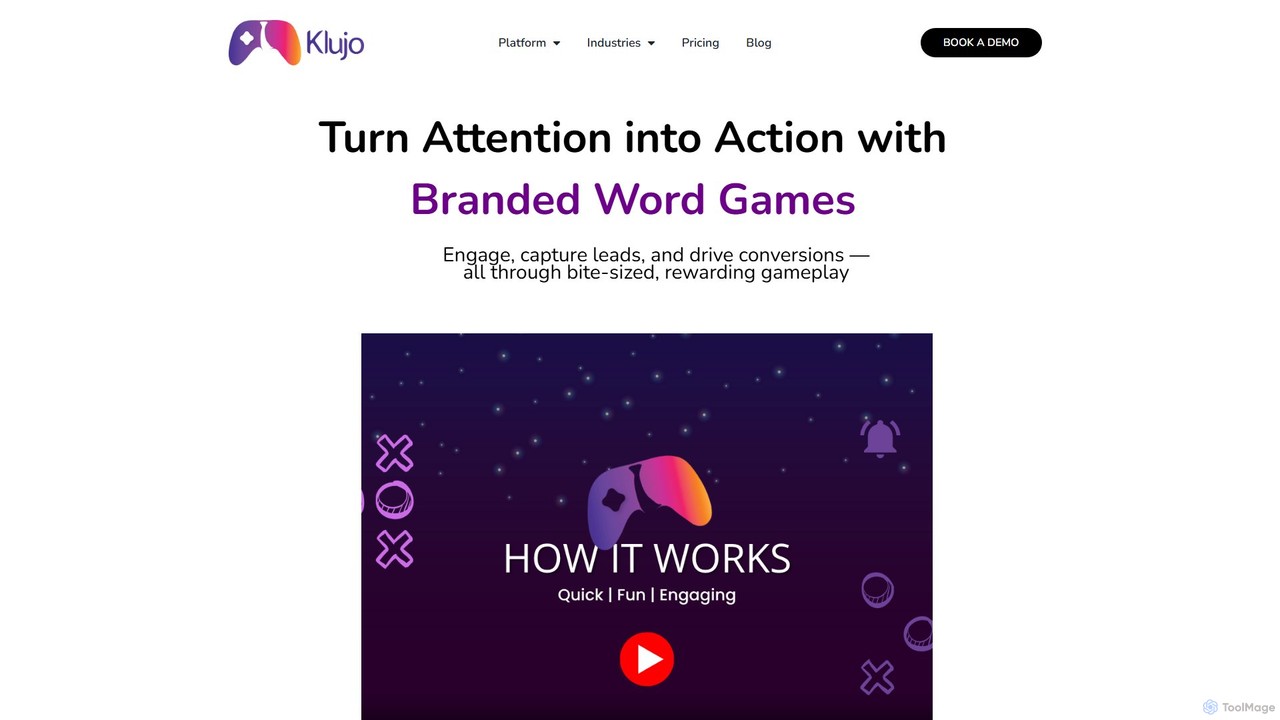
Klujo is an AI-powered gamification platform for marketers. It enables businesses to create branded word games and riddles …

2.6K
CustomerGlu

CustomerGlu

CustomerGlu is a low-code, plug-and-play gamification platform designed to help mobile apps and websites boost user engagement, retention, …

3.5K

About Gamification

Gamification AI tools are a specialized category of artificial intelligence solutions designed to integrate game-like elements and mechanics into non-game contexts to drive user engagement, motivation, and desired behaviors. These tools leverage AI algorithms to personalize challenges, adapt reward systems, and analyze user behavior in real-time, making interactions more dynamic and effective. Within the broader field of marketing, AI gamification enhances customer loyalty, improves learning outcomes, and boosts employee performance by transforming routine tasks into engaging experiences.

Core Features

  • Personalized Challenge Generation: AI analyzes individual user data to create tailored quests, tasks, and goals that match their skill level and interests, maximizing engagement.
  • Adaptive Reward Systems: Dynamically adjusts points, badges, virtual currency, and other incentives based on user progress and performance, ensuring rewards remain motivating.
  • Real-time Engagement Analytics: Monitors user interactions, identifies patterns, and predicts potential drop-off points, allowing for timely interventions and adjustments to gamified experiences.
  • Automated Feedback & Progress Tracking: Provides instant, constructive feedback and visualizes user progress through dashboards and leaderboards, fostering a sense of achievement.
  • Sentiment-Based Adaptation: Utilizes natural language processing to understand user sentiment from feedback, allowing the system to adapt gamified elements for better emotional resonance.

Use Cases

AI Gamification tools are widely adopted across various sectors to enhance user interaction and achieve strategic objectives. In marketing, they power interactive loyalty programs and personalized promotional campaigns. Human resources departments use them for engaging employee training, onboarding, and performance management. Educational platforms leverage AI gamification to create adaptive learning paths and make complex subjects more accessible and fun, significantly improving knowledge retention and student motivation.

How to Choose

When selecting an AI Gamification tool, consider its AI personalization capabilities, ensuring it can truly adapt to individual user needs rather than offering generic game mechanics. Evaluate its integration potential with your existing CRM, LMS, or marketing automation platforms for seamless data flow. Assess the depth of its analytics and reporting features to gain actionable insights into user behavior. Finally, consider the level of customization offered for game elements, branding, and rule sets, alongside its scalability to grow with your user base.

GamificationUse Cases

1

Personalized Customer Loyalty Programs

For e-commerce businesses and retailers, AI gamification tools can transform standard loyalty programs into highly engaging experiences. By analyzing purchase history, browsing behavior, and demographic data, the AI generates personalized challenges (e.g., "Complete your profile for 50 bonus points," "Refer a friend for a unique badge," "Spend $X in your favorite category to unlock a discount"). This tailored approach significantly increases customer retention, encourages repeat purchases, and fosters a stronger brand connection by making loyalty feel more rewarding and relevant to each individual.

2

Adaptive Employee Training & Onboarding

HR and learning & development teams can utilize AI gamification to create dynamic and effective training modules. The AI assesses an employee's current knowledge and learning style, then presents training content as a series of quests, quizzes, and simulations with adaptive difficulty levels. Employees earn points, unlock achievements, and compete on leaderboards, making the learning process more interactive and less monotonous. This leads to faster skill acquisition, higher completion rates, and improved retention of critical information during onboarding and continuous professional development.

3

Interactive Educational Content Delivery

Online learning platforms and educational institutions can deploy AI gamification to boost student engagement and academic performance. The AI analyzes student progress, identifies areas of difficulty, and then introduces mini-games, interactive quizzes, and personalized learning paths that adapt in real-time. Students might earn virtual rewards for mastering concepts, collaborate on group challenges, or unlock new content levels. This approach transforms passive learning into an active, enjoyable experience, reducing dropout rates and making complex subjects more digestible and memorable.

4

Health & Wellness Habit Formation

Developers of health, fitness, and wellness applications can leverage AI gamification to motivate users towards healthier lifestyles. The AI tracks user activity, dietary habits, and personal goals, then designs personalized daily challenges, streak rewards, and virtual fitness journeys. Users might earn badges for consistent workouts, compete with friends on step counts, or unlock new meditation guides. This fosters long-term habit formation, provides continuous motivation, and makes the journey to better health feel more like an achievable and rewarding game.

5

Community Engagement & Content Creation

Social platforms, online forums, and content communities can use AI gamification to encourage active participation and user-generated content. The AI identifies influential users, analyzes content trends, and then introduces reputation systems, content creation challenges, and peer recognition badges. Users earn points for posting quality content, receiving upvotes, or moderating discussions. This incentivizes valuable contributions, fosters a vibrant community culture, and increases overall platform activity and content volume by making participation a rewarding experience.

6

Sales Performance & Motivation

Sales organizations can implement AI gamification tools to energize their teams and drive performance. The AI analyzes individual sales data, identifies areas for improvement, and then creates personalized sales challenges, leaderboards, and tiered reward systems. Sales representatives might compete to close the most deals, achieve specific revenue targets, or complete training modules to earn virtual trophies and real-world incentives. This fosters healthy competition, provides clear performance goals, and significantly boosts motivation and productivity within the sales force.

GamificationFrequently Asked Questions