ToolMage
Sign in

Best 76 Influencer Marketing AI tools for Marketing

Popular Influencer Marketing AI tools in Marketing include Affable, FastMoss, HypeAuditor, Favikon, Lightricks, Lessie.ai, Archive, Passionfroot, EchoTik, and Pietra Studio, helping you work more efficiently.

Pietra Studio
Freemium

Pietra Studio

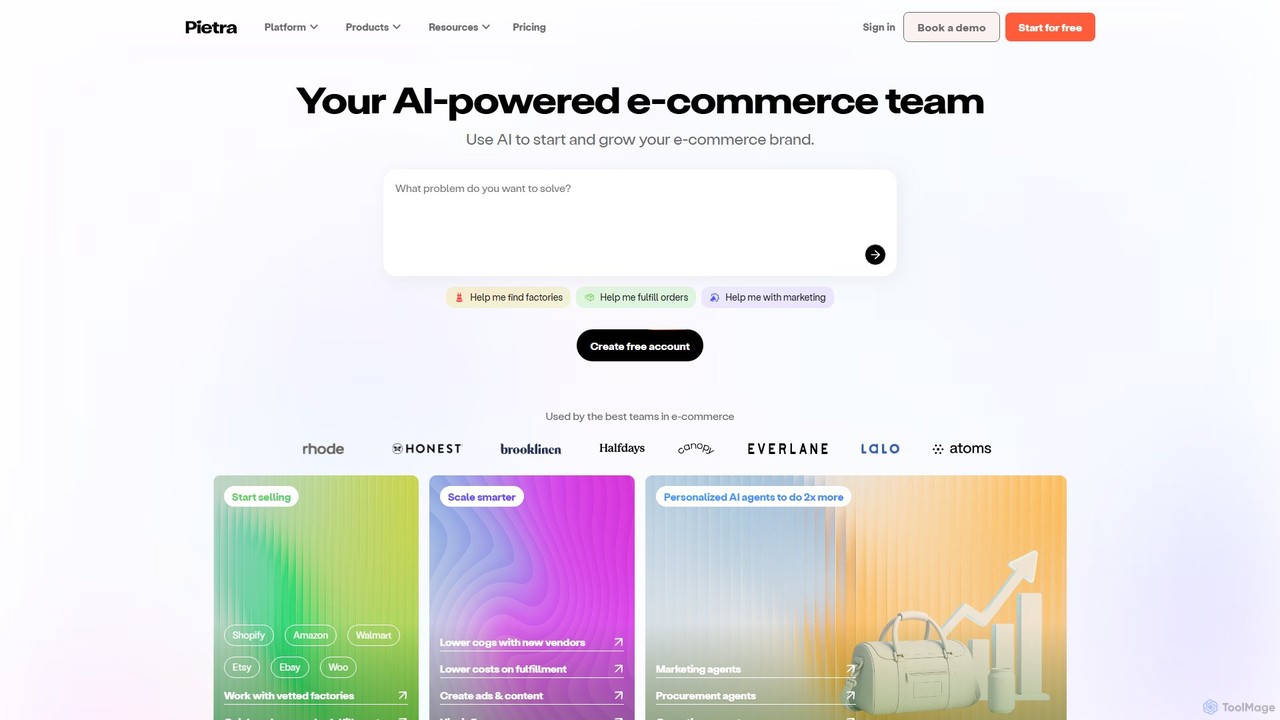
Pietra Studio is an AI-powered, all-in-one e-commerce platform designed to help entrepreneurs and brands start and scale their businesses. It integrates sourcing from vetted factories, end-to-end logistics and fulfillment, and a suite of marketing tools, all managed through a single dashboard. Personalized AI agents automate key business operations, from procurement to marketing.

Supply Chain Management
Visits 101.5KFavorites 151Likes 150

SocialBook
Freemium

SocialBook

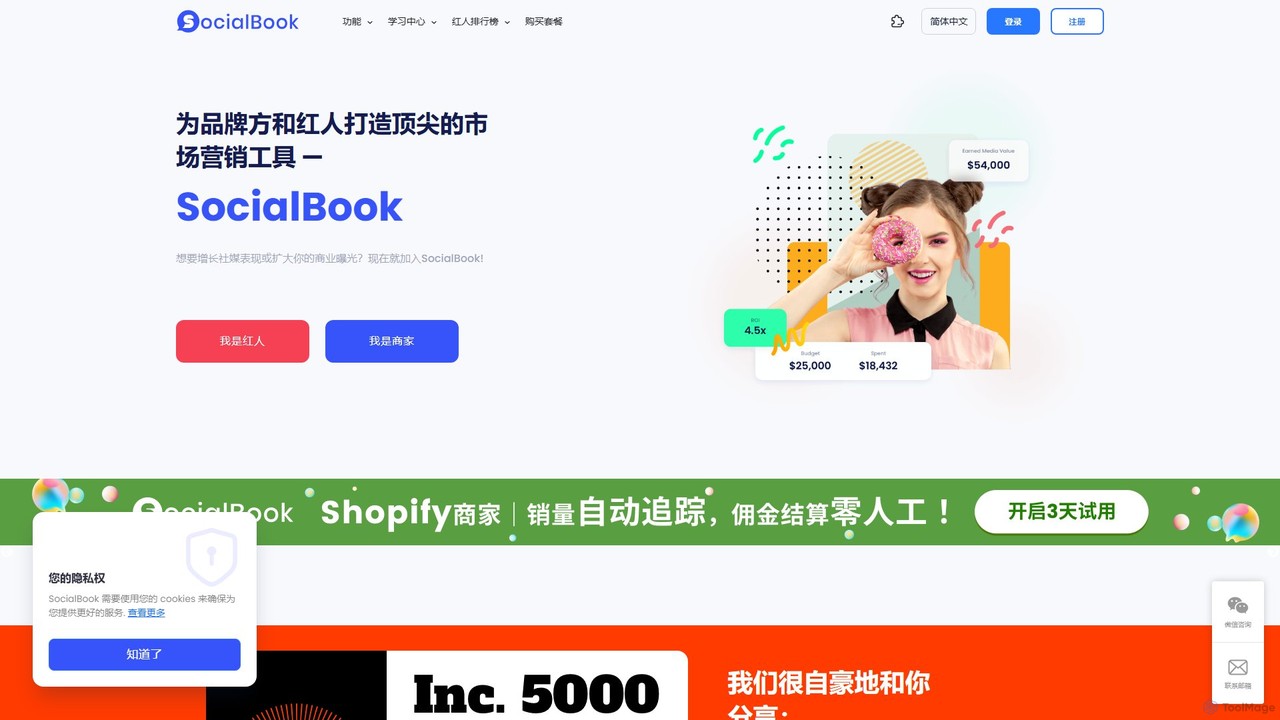
SocialBook is an all-in-one, AI-powered influencer marketing platform for brands and creators. It enables brands to find, vet, and manage influencers from a database of over 200 million profiles. The platform streamlines campaign management with real-time analytics, secure payments, and ROI tracking. For creators, SocialBook offers a suite of tools for channel growth, content enhancement, and securing brand collaborations.

Influencer Marketing
Visits 56.5KFavorites 130Likes 129
ifalloo
Freemium

ifalloo

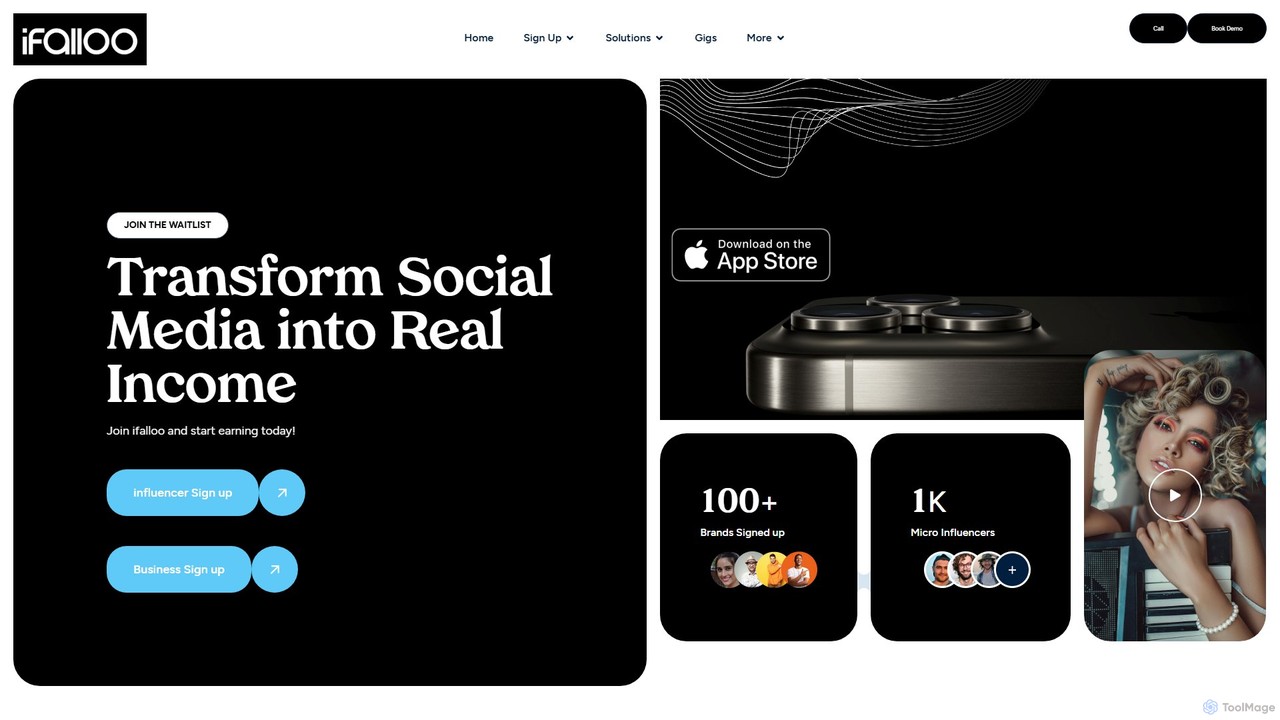
ifalloo is a comprehensive AI-powered platform designed for both creators and businesses. It enables influencers to monetize their social media presence through paid campaigns, while offering businesses a suite of tools including an AI content studio for visuals, a marketing intelligence solution (deep Market IQ) for data-driven insights, and an influencer discovery platform.

Image Generation
Visits 5.9KFavorites 113Likes 103
Influme
Freemium

Influme

Influme is a streamlined platform connecting brands with a diverse pool of User-Generated Content (UGC) creators. It simplifies discovery with advanced search filters and provides direct access to creator portfolios. Brands can contact creators directly, fostering transparent communication and long-term partnerships without intermediary fees, making it an affordable and efficient solution for sourcing authentic marketing content.

Video Ads
Visits 7.4KFavorites 125Likes 103

About Influencer Marketing

AI Influencer Marketing tools are specialized platforms that use artificial intelligence to discover, manage, and analyze influencer collaborations. These tools leverage machine learning and data analytics to identify ideal influencers based on audience demographics, engagement metrics, and content relevance. They enable brands to automate campaign workflows, predict performance, and accurately measure return on investment (ROI). This data-driven approach replaces manual searching and subjective evaluation with efficient, scalable, and measurable strategies.

Core Features

  • Influencer Discovery & Vetting: Uses AI to scan social media and identify relevant influencers, analyzing their audience for authenticity and fraud detection.
  • Predictive Performance Analysis: Forecasts potential campaign outcomes like reach, engagement, and conversions based on an influencer's historical data.
  • Audience Analytics: Provides deep insights into an influencer's follower demographics, interests, and geographical location to ensure brand alignment.
  • Campaign Management & Automation: Streamlines outreach, negotiation, content approval, and payment processes within a single platform.
  • ROI Measurement & Reporting: Automatically tracks key performance indicators (KPIs) and generates comprehensive reports to calculate the true impact of campaigns.

Use Cases

These tools are widely used by direct-to-consumer (D2C) brands, e-commerce companies, marketing agencies, and large enterprises. For instance, a beauty brand can find micro-influencers whose audience perfectly matches their target customer profile. A marketing agency can manage dozens of campaigns simultaneously, using AI to track performance and report back to clients with data-backed insights.

How to Choose

When selecting an AI Influencer Marketing tool, consider the size and quality of its influencer database. Evaluate the sophistication of its analytical and predictive capabilities. Check for integrations with major social media platforms (Instagram, TikTok, YouTube) and your existing marketing stack. Finally, assess the pricing model—whether it's subscription-based, per-campaign, or commission-based—to ensure it aligns with your budget and campaign frequency.

Featured tool rankings

Influencer Marketing use cases

1

Discovering Niche Micro-Influencers for a Product Launch

An e-commerce manager for a sustainable fashion brand needs to find authentic micro-influencers for a new clothing line launch. Instead of manually scrolling through hashtags, they use an AI tool to filter for influencers with 10k-50k followers who focus on 'ethical fashion' and 'sustainability'. The AI analyzes audience demographics to ensure followers are primarily in their target age group (25-40) and geographic markets. It also flags accounts with suspected fake followers, saving the manager hours of vetting and ensuring the marketing budget is spent on reaching a genuine, engaged audience.

2

Predicting Campaign ROI for a Mobile Game

A marketing team for a new mobile game wants to partner with gaming influencers on YouTube and Twitch. Before committing a large budget, they use an AI platform to analyze the past performance of potential influencers. The tool predicts the expected Cost Per Install (CPI) and engagement rate for their specific game genre by comparing it to thousands of past campaigns. This allows the team to select a portfolio of influencers most likely to deliver a positive ROI, negotiate fair rates based on data, and set realistic performance benchmarks for the campaign.

3

Automating Campaign Management for a Marketing Agency

A marketing agency manages influencer campaigns for ten different clients. Using an AI-powered platform, an account manager automates the entire workflow. The system sends out personalized outreach emails, tracks negotiations, and centralizes communication. Once influencers are onboarded, the platform manages content submission deadlines, sends automated reminders, and handles payment processing. This automation frees up the manager's time from administrative tasks to focus on strategy and client relationships, while a centralized dashboard provides a real-time overview of all campaigns' progress.

4

Verifying Audience Authenticity for a Luxury Brand

A luxury watch brand plans to collaborate with a high-profile influencer with millions of followers. To protect their brand reputation and investment, they use an AI tool to perform a deep audience analysis. The AI scans the influencer's followers for bot-like activity, identifies patterns of inorganic growth, and calculates a true engagement rate by filtering out fake comments and likes. The report reveals that 30% of the audience is inauthentic. Armed with this data, the brand decides to partner with a different influencer who has a smaller but more genuine and engaged following, ensuring a better return on their investment.

5

Tracking Competitor Influencer Strategy

A marketing analyst at a beverage company is tasked with understanding competitors' influencer marketing strategies. They use an AI platform to monitor all mentions and sponsored posts related to their top three competitors. The tool identifies which influencers competitors are working with, the frequency of their campaigns, the type of content they produce, and the engagement it receives. This provides the analyst with a comprehensive overview of the competitive landscape, helping their team identify untapped influencer opportunities and develop counter-strategies to gain market share.

6

Measuring Sales Lift from an Influencer Campaign

A direct-to-consumer (D2C) skincare brand runs a large-scale TikTok campaign with multiple influencers. To measure the direct impact on sales, their AI tool generates unique, trackable discount codes and affiliate links for each influencer. The platform integrates with their e-commerce store (e.g., Shopify) to automatically track every conversion attributed to the campaign. At the end of the campaign, a comprehensive report shows the total revenue generated, conversion rate, and ROI for each influencer, allowing the brand to identify their top-performing partners for future collaborations.

Influencer Marketing FAQ

What are AI Influencer Marketing tools?

AI Influencer Marketing tools are software platforms that use artificial intelligence to enhance and automate influencer marketing campaigns. They go beyond simple databases by using machine learning to analyze vast amounts of data for influencer discovery, audience verification, performance prediction, and ROI measurement. Key functions include identifying influencers aligned with a brand's target audience, detecting fake followers, forecasting campaign engagement, and providing detailed analytics to prove the value of collaborations.

How to choose the right AI tool for influencer marketing?

Choosing the right tool depends on your specific needs. Consider these factors:

  • Database Size & Quality: Does the platform have a large, diverse, and up-to-date database of influencers relevant to your niche?
  • Analytical Depth: How sophisticated are its audience analysis and fraud detection features? Can it provide predictive analytics for campaign success?
  • Platform Coverage: Does it support the social media channels most important to your brand (e.g., TikTok, Instagram, YouTube, LinkedIn)?
  • Workflow Management: Does it offer end-to-end campaign management features, from outreach to payment, to streamline your process?
  • Integration & Reporting: Can it integrate with your e-commerce or analytics tools for seamless ROI tracking and generate customizable reports?
What is the difference between an AI influencer platform and a manual search?

The primary difference is data-driven efficiency and scale. A manual search relies on keyword searches on social media, which is time-consuming, subjective, and provides limited data. An AI platform automates this process at a massive scale. It analyzes millions of profiles, provides deep audience demographic data, vets for authenticity, predicts performance, and tracks results automatically. Manual searching cannot effectively verify follower authenticity or accurately measure ROI, whereas AI platforms are specifically designed for these data-intensive tasks.

Can AI tools detect fake followers and engagement?

Yes, this is a core strength of many AI influencer marketing platforms. They use machine learning algorithms to analyze patterns in an influencer's follower base and engagement activity. The AI can identify suspicious signs such as:

  • Followers with no profile pictures or posts.
  • Sudden, unnatural spikes in follower growth.
  • A high percentage of followers from countries irrelevant to the influencer's content.
  • Generic, bot-like comments on posts.

By flagging these issues, these tools provide a more accurate picture of an influencer's true reach and engagement rate.

How can AI help measure the ROI of an influencer campaign?

AI tools measure ROI with data-driven precision that is difficult to achieve manually. They do this by:

  • Attribution Tracking: Generating unique affiliate links, discount codes, or trackable URLs for each influencer to directly link sales and conversions to their efforts.
  • Integration: Connecting with e-commerce platforms (like Shopify) and analytics tools (like Google Analytics) to pull in real-time sales and traffic data.
  • Performance Metrics: Automatically calculating key metrics like Cost Per Acquisition (CPA), Return On Ad Spend (ROAS), and overall campaign revenue.
  • Comprehensive Reporting: Consolidating all data into a clear dashboard that shows which influencers are driving the most value, allowing for data-backed decisions on future investments.