ToolMage
Sign in

Best 1 Loyalty And Rewards AI tools for Marketing

Popular Loyalty And Rewards AI tools in Marketing include Scal-e, helping you work more efficiently.

Scal-e
Paid

Scal-e

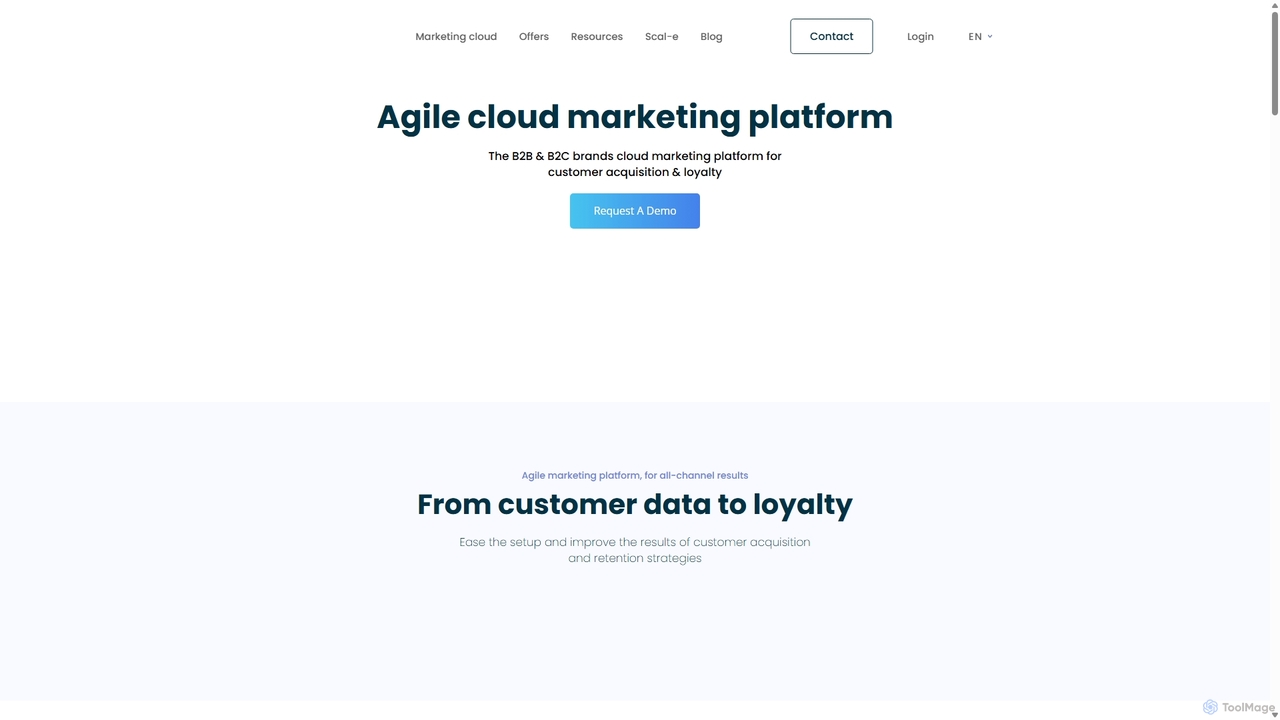
Scal-e is an agile cloud marketing platform built around a powerful Customer Data Platform (CDP). It enables B2B and B2C brands to unify customer data from all touchpoints, creating a 360° view. This allows for hyper-personalized marketing, automated omnichannel campaigns, and effective customer loyalty programs, ultimately driving acquisition and retention.

Customer Relationship Management
Visits 24.2KFavorites 107Likes 107

About Loyalty And Rewards

AI Loyalty and Rewards tools are a specialized class of marketing software that use artificial intelligence to design, manage, and optimize customer retention programs. These platforms leverage machine learning algorithms to analyze customer data, predict behavior, and automatically deliver personalized incentives. The primary value lies in moving beyond generic, one-size-fits-all programs to create dynamic, individualized experiences that increase customer lifetime value, reduce churn, and foster genuine brand affinity. They transform loyalty from a simple transaction system into an intelligent relationship-building engine.

Core Features

  • Predictive Churn Analysis: Identifies customers at risk of leaving based on their behavior patterns, allowing for proactive retention efforts.
  • Personalized Reward Engine: Automatically suggests and delivers relevant rewards to individual customers based on their purchase history and preferences.
  • Automated Campaign Triggers: Launches targeted reward campaigns based on specific customer actions, such as birthdays, anniversaries, or spending milestones.
  • Gamification Elements: Incorporates points, badges, tiers, and challenges to increase user engagement and encourage repeat business.
  • Omnichannel Integration: Synchronizes loyalty program data and customer experiences across various touchpoints, including web, mobile apps, and physical stores.

Use Cases

These tools are widely adopted in sectors like e-commerce, retail, hospitality, and subscription services. For instance, an online fashion retailer can use them to offer a personalized discount on a complementary item after a purchase. A coffee shop chain can create a tiered system where frequent buyers unlock exclusive perks, encouraging consistent patronage.

How to Choose

When selecting an AI Loyalty and Rewards tool, consider its integration capabilities with your existing CRM, e-commerce platform, and POS systems. Evaluate the depth of its personalization and segmentation features. Also, assess the platform's analytics and reporting power to measure ROI, and consider its scalability to grow with your customer base.

Loyalty And Rewards use cases

1

Automating Personalized Post-Purchase Rewards

An e-commerce marketing manager for an online cosmetics brand wants to increase repeat purchases. Using an AI Loyalty and Rewards tool, they set up automated triggers. When a customer purchases a foundation, the system analyzes their past purchases and browsing history. A week later, it automatically sends an email offering 15% off a concealer or powder from the same product line that other customers frequently buy together. This personalized, timely offer feels helpful rather than generic, significantly increasing the likelihood of a second purchase and building brand loyalty.

2

Proactively Preventing Subscriber Churn

A retention manager for a subscription box service uses an AI loyalty platform to monitor user engagement. The AI identifies a subscriber who hasn't logged in for 30 days and whose usage has steadily declined—patterns that indicate a high churn risk. Instead of waiting for them to cancel, the system automatically triggers a 'We Miss You!' campaign. It offers them a free premium item in their next box or a 25% discount to stay. This proactive, data-driven intervention is far more effective at retaining at-risk customers than a generic exit offer after they've already decided to leave.

3

Creating a Gamified Tiered VIP Program

A national coffee shop chain wants to move beyond a simple 'buy 10, get 1 free' card. Using an AI rewards platform, they design a tiered VIP program: Bronze, Silver, and Gold. The AI tracks customer spending and visit frequency. It automatically upgrades customers to the next tier when they hit a milestone, unlocking new perks like free size upgrades (Silver) or a monthly free pastry (Gold). The platform also introduces 'challenges,' such as 'Try 3 new drinks this month to earn 50 bonus points.' This gamified approach makes participation more engaging and motivates customers to increase their spending to reach the next level.

4

Unifying Online and In-Store Loyalty Experiences

A retail brand with both physical stores and an e-commerce site struggles with a disconnected loyalty program. They implement an omnichannel AI rewards platform. Now, a customer can earn points by purchasing a product in-store and redeem those points for a discount on their next online order via the mobile app. The AI system recognizes the customer across all channels, providing a seamless experience. It can also use online browsing data to trigger a push notification with a special offer for an item they viewed, redeemable next time they are near a physical store, bridging the digital and physical gap.

5

Rewarding High-Value B2B Clients

An account manager at a B2B software company wants to foster stronger relationships with top-tier clients. They use an AI rewards platform tailored for B2B. The system tracks metrics like contract value, product usage, and referrals. When a client reaches a certain spending threshold or refers a new lead, the system automatically notifies the account manager and suggests a relevant reward, such as a free ticket to an industry conference, a credit for premium support services, or a personalized gift. This automates the process of recognizing and rewarding valuable client actions, strengthening partnerships beyond the standard business transaction.

6

Delivering Surprise and Delight Birthday Rewards

A hotel chain aims to create memorable guest experiences. Their loyalty platform's AI analyzes a member's profile and past stays. During their birthday month, instead of a generic '10% off' email, the system crafts a personalized offer. For a guest who frequently uses the spa, it might offer a complimentary massage. For a foodie, it could be a free dinner at the hotel's signature restaurant. The AI selects the most relevant and high-value 'surprise and delight' reward for that individual, making the customer feel genuinely valued and understood, which fosters a much deeper emotional connection to the brand.

Loyalty And Rewards FAQ

What are AI Loyalty and Rewards tools?

AI Loyalty and Rewards tools are advanced software platforms that use artificial intelligence to create and manage customer loyalty programs. Unlike traditional point-based systems, they leverage machine learning to analyze customer data, predict future behavior (like churn risk), and deliver personalized rewards and experiences in real-time. The core purpose is to increase customer retention, engagement, and lifetime value by making each customer feel uniquely understood and valued.

How do AI tools improve traditional loyalty programs?

AI enhances traditional loyalty programs in several key ways:

  • Personalization at Scale: AI analyzes individual data to offer relevant rewards, moving beyond generic discounts that may not appeal to everyone.
  • Proactive Retention: Instead of reacting after a customer leaves, AI predicts who is likely to churn and allows businesses to intervene with targeted offers.
  • Dynamic Engagement: AI can introduce gamification, challenges, and tiered systems that adapt to customer behavior, making the program more interactive and less static.
  • Omnichannel Consistency: It connects a customer's activity across online, mobile, and in-store channels to create a single, unified profile and a seamless experience.
How to choose the right AI Loyalty and Rewards platform?

When selecting a platform, consider these factors:

  • Integration Capabilities: Ensure it can seamlessly connect with your existing technology stack, including your e-commerce platform (e.g., Shopify, Magento), CRM, and Point of Sale (POS) system.
  • Data & Analytics: Evaluate the depth of its analytics. Can it provide clear ROI metrics, customer segmentation, and actionable insights beyond simple point tracking?
  • Customization & Flexibility: Check if the platform allows you to design a program that fits your brand, rather than forcing you into a rigid, pre-defined template. This includes custom rules, reward types, and branding.
  • Scalability: Choose a tool that can grow with your business, from handling a small customer base to millions of members without a drop in performance.
What kind of businesses benefit most from these tools?

While many businesses can benefit, those with frequent customer interactions and repeat purchase models see the highest returns. This includes:

  • E-commerce & Retail: Businesses that want to increase customer lifetime value and encourage repeat online or in-store purchases.
  • Hospitality: Hotels, airlines, and restaurants aiming to build loyalty and reward frequent guests.
  • Subscription Services: Companies (SaaS, media, subscription boxes) focused on reducing churn and increasing user engagement.
  • Cafes & Quick-Service Restaurants: Establishments looking to turn casual visitors into regular patrons through gamified rewards and mobile apps.
What is the difference between an AI loyalty platform and a standard CRM?

A standard CRM (Customer Relationship Management) is primarily a system of record for customer data, tracking interactions, contact information, and sales history. An AI Loyalty Platform is a system of engagement built on top of that data. While a CRM tells you what a customer has done, an AI loyalty platform uses that information to predict what they will do next and actively tries to influence that behavior with personalized rewards, proactive churn prevention, and gamified experiences. The focus of a loyalty platform is specifically on driving retention and increasing lifetime value, whereas a CRM has a broader focus on managing the entire customer lifecycle.