ToolMage
Sign in

Best 9 Customer Relationship Management AI tools for Customer Support

Popular Customer Relationship Management AI tools in Customer Support include Beam AI, Scal-e, theGist, sharpsell, Waakif, Jackrabbit Ops, Varolio, MobiRest, and evogage, helping you work more efficiently.

Beam AI

Beam AI

Beam AI is a leading agentic AI platform that enables businesses to deploy self-learning AI agents for automating complex operational workflows. It offers a digital workforce for tasks in HR, finance, customer service, and more, aiming to reduce costs, increase efficiency, and scale operations for Fortune 500 companies and scale-ups.

Automation
Visits 140.3KFavorites 132Likes 141
Waakif
Freemium

Waakif

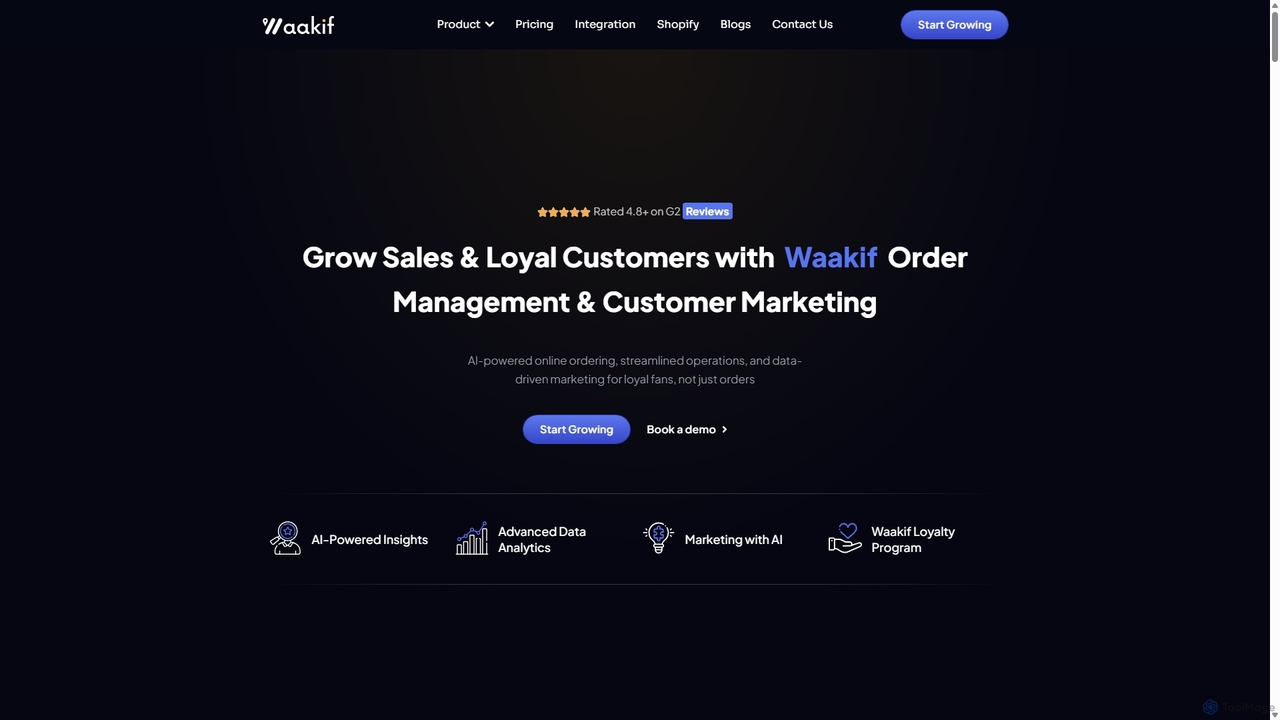
Waakif is an all-in-one, AI-powered business platform for restaurants, retail, and service businesses. It combines POS, online ordering, loyalty programs, and automated marketing via WhatsApp, email, and SMS. The platform helps businesses grow sales, streamline operations, and build lasting customer relationships through data-driven insights, AI-generated product images, and comprehensive customer management tools. It's designed to be user-friendly, allowing businesses to launch an online store and marketing campaigns in minutes.

Customer Relationship Management
Visits 6.9KFavorites 138Likes 123
Scal-e
Paid

Scal-e

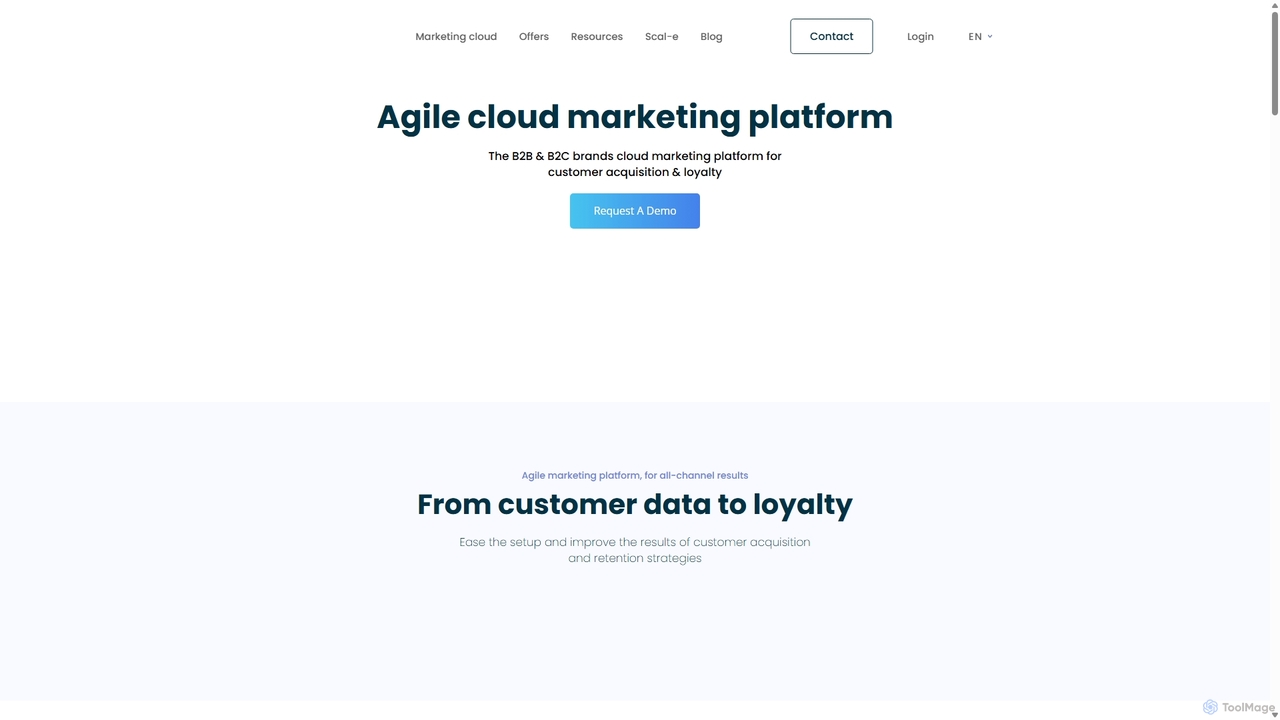
Scal-e is an agile cloud marketing platform built around a powerful Customer Data Platform (CDP). It enables B2B and B2C brands to unify customer data from all touchpoints, creating a 360° view. This allows for hyper-personalized marketing, automated omnichannel campaigns, and effective customer loyalty programs, ultimately driving acquisition and retention.

Customer Relationship Management
Visits 23.7KFavorites 104Likes 102
Jackrabbit Ops
Paid

Jackrabbit Ops

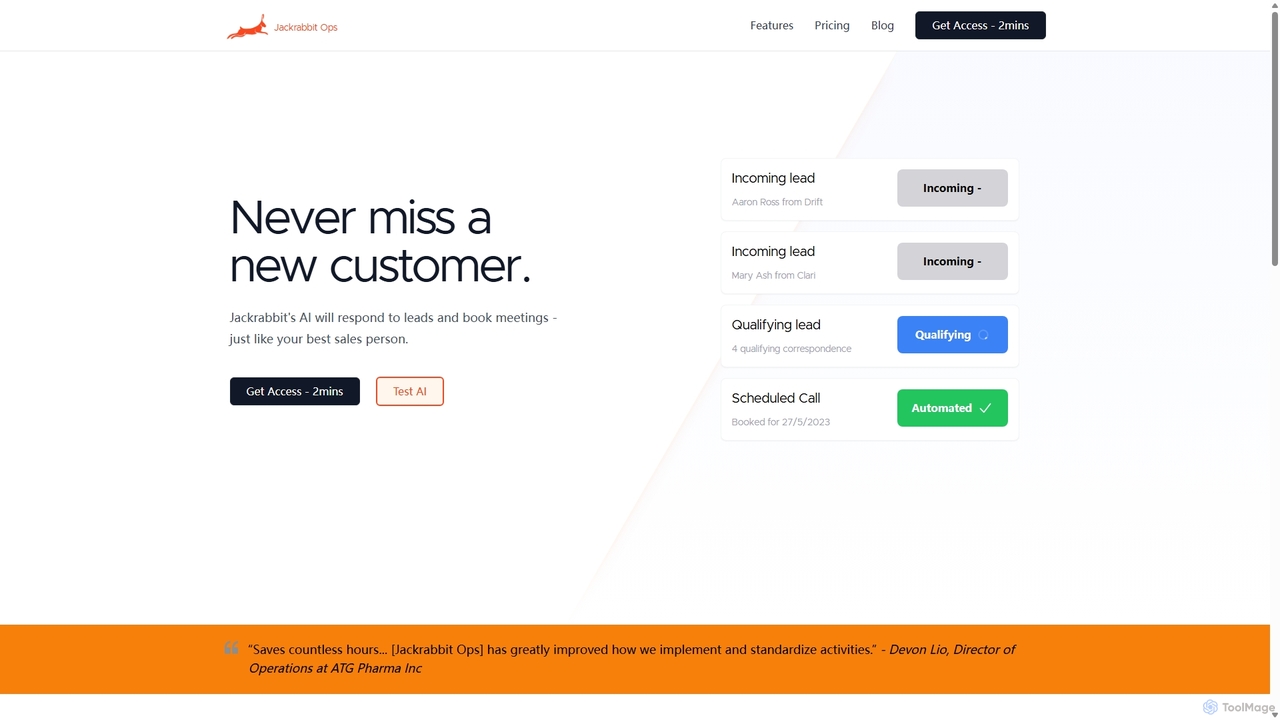
Jackrabbit Ops is an AI-powered sales assistant that automates lead response, qualification, and meeting scheduling 24/7. It acts like a virtual Sales Development Representative (SDR), instantly engaging with every new lead to ensure no opportunity is missed and to accelerate your sales cycle.

Customer Relationship Management
Visits 6.2KFavorites 102Likes 119
MobiRest
Freemium

MobiRest

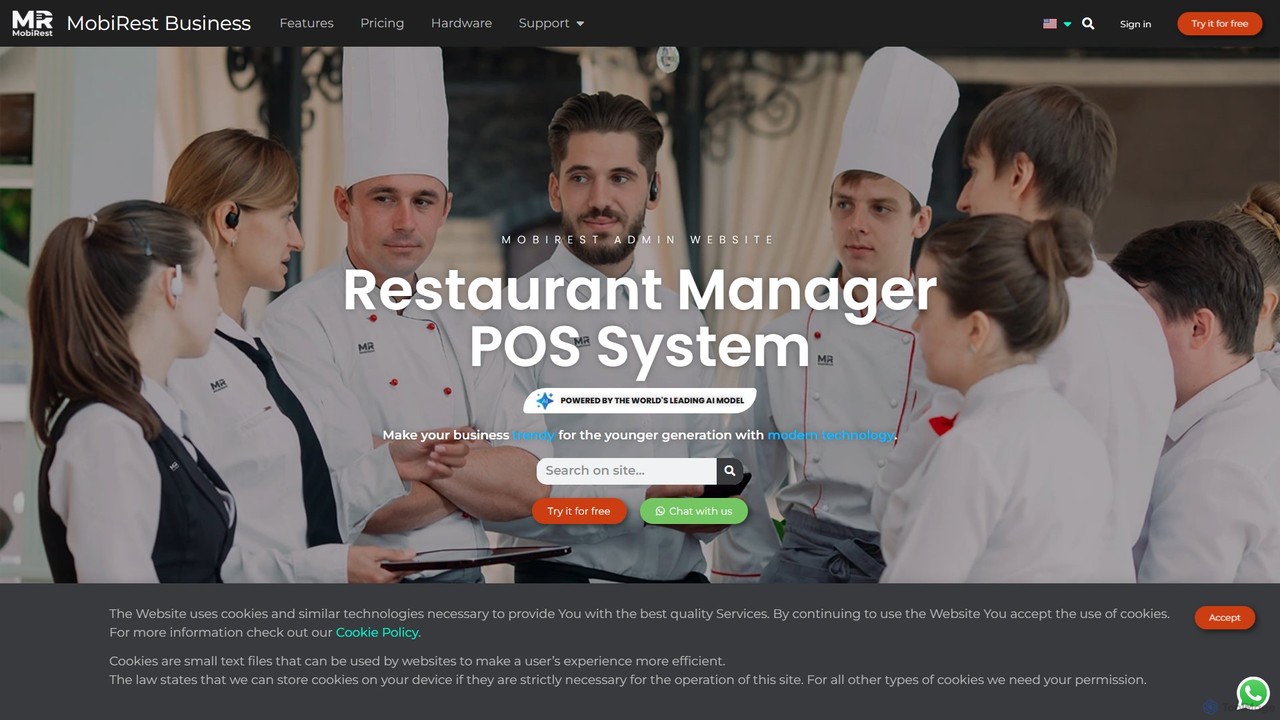
MobiRest is an AI-powered, cloud-based Point of Sale (POS) system designed for the hospitality industry. It streamlines restaurant, bar, and hotel operations with features like AI-driven menu creation, real-time order management, automated inventory tracking, and enhanced customer engagement tools. It's a tablet-based solution that boosts efficiency and modernizes the customer experience.

Point Of Sale
Visits 5.5KFavorites 141Likes 130
sharpsell
Paid

sharpsell

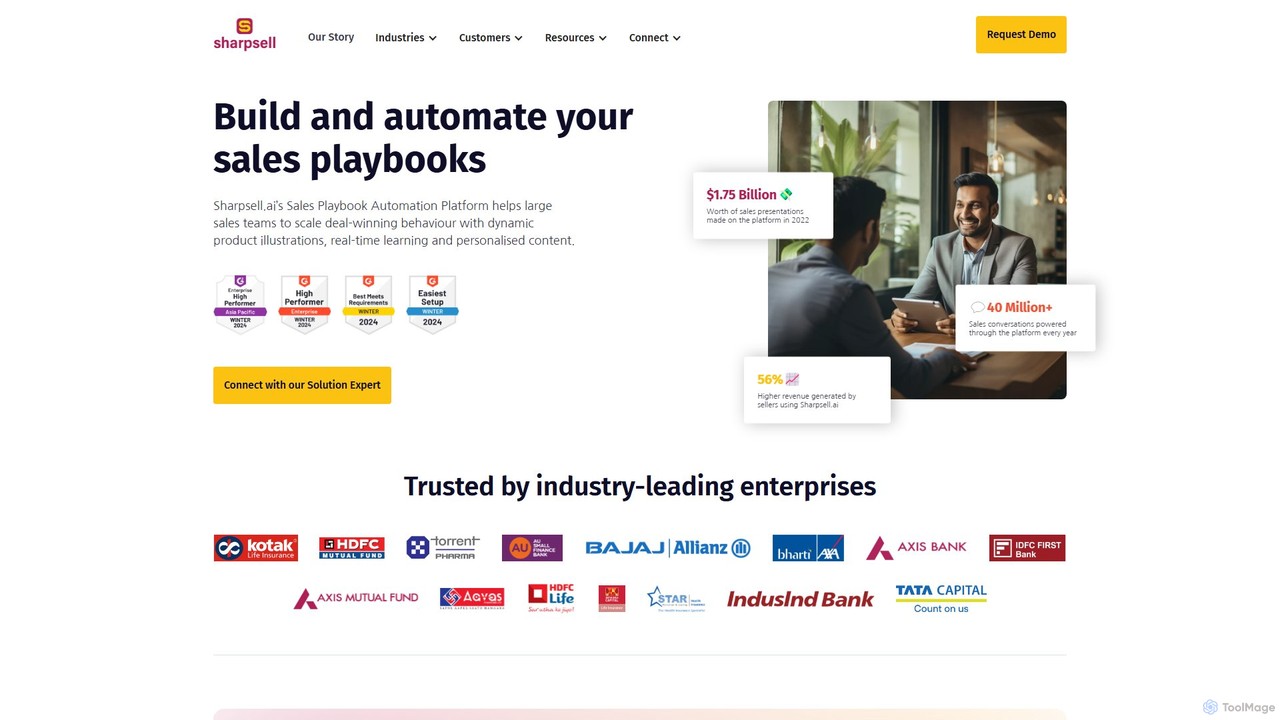
Sharpsell is an AI-powered Sales Playbook Automation Platform designed for large, distributed sales teams. It enhances seller performance by providing just-in-time personalized content, dynamic product illustrations, AI-driven role-play training, and in-depth analytics. The platform aims to scale deal-winning behaviors, increase revenue, and improve sales readiness across various industries like finance, healthcare, and automotive.

Analytics
Visits 8.2KFavorites 128Likes 148
Varolio
Paid

Varolio

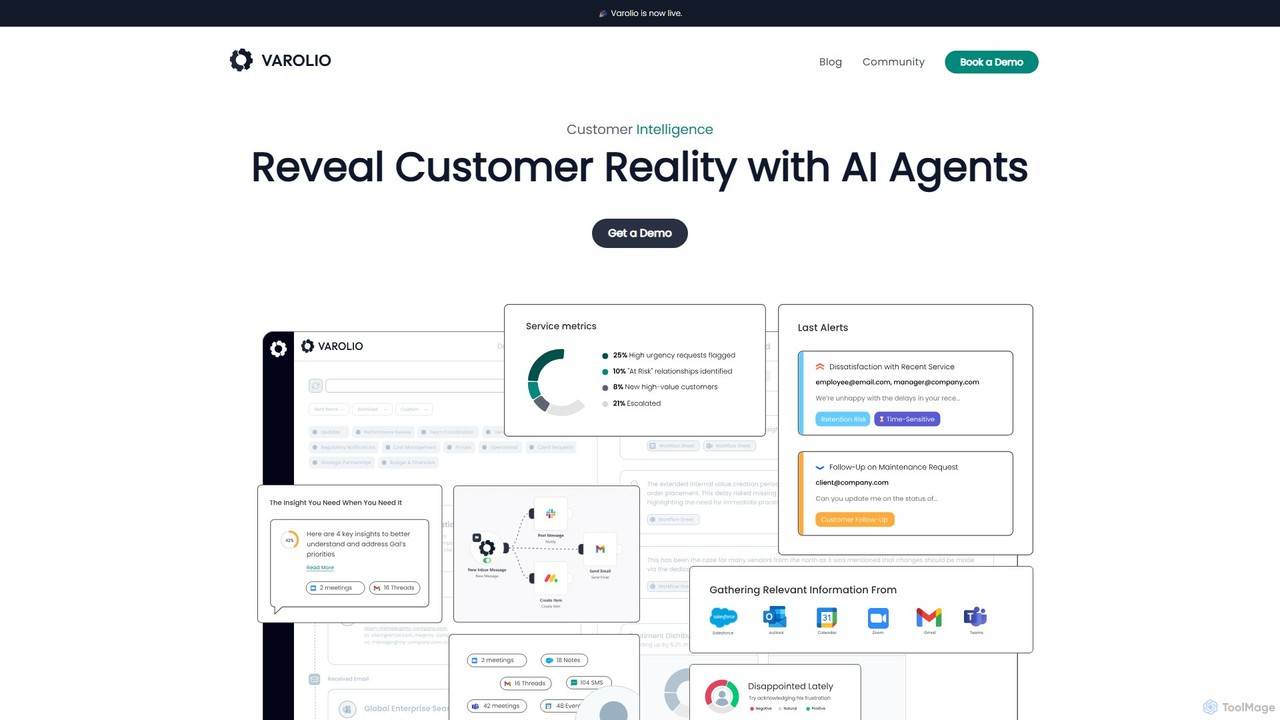
Varolio is an AI-powered customer and communication intelligence platform designed for enterprises. It transforms team communication by analyzing interactions to reveal customer reality, detect risks, and automate workflows. By integrating with existing email and CRM tools, Varolio provides actionable insights directly within your inbox, helping teams build stronger relationships, improve service outcomes, and never miss critical signals.

Customer Relationship Management
Visits 5.5KFavorites 118Likes 125
theGist
Paid

theGist

theGist is an AI-powered revenue intelligence platform that connects with your existing tools to provide real-time insights for sales and customer success teams. It uses specialized AI agents to cut through data noise, identify risks, surface growth opportunities, and guide teams to the next best action, transforming scattered data into a streamlined revenue engine.

Customer Relationship Management
Visits 11.3KFavorites 116Likes 138
evogage
Freemium

evogage

evogage is an AI-powered customer engagement and sales optimization platform. It uses predictive analytics and machine learning to help businesses understand customer behavior, personalize interactions, and automate sales and marketing funnels for higher conversion rates and growth.

Customer Relationship Management
Visits 5.3KFavorites 103Likes 109

About Customer Relationship Management

AI Customer Relationship Management (CRM) tools are platforms that use artificial intelligence to manage and analyze customer interactions throughout the entire lifecycle. They leverage machine learning algorithms to automate sales, marketing, and service tasks, providing predictive insights from customer data. This enables businesses to build stronger relationships, personalize communication at scale, and anticipate customer needs more effectively. Unlike standard customer support tools that often focus on reactive issue resolution, AI CRMs proactively manage the entire customer journey from lead to long-term loyalty.

Core Features

  • Predictive Lead Scoring: Automatically analyzes and ranks leads based on their probability to convert, allowing sales teams to focus their efforts efficiently.
  • Sentiment Analysis: Gauges customer emotions and opinions from emails, support tickets, and social media to prioritize urgent issues and understand feedback.
  • AI-Powered Sales Forecasting: Uses historical data and machine learning models to predict future sales revenue and identify market trends with high accuracy.
  • Automated Data Entry: Captures and logs customer interaction data from calls, emails, and meetings, reducing manual administrative work for sales and support staff.
  • Personalized Engagement Automation: Creates dynamic customer segments and delivers tailored marketing campaigns or support follow-ups based on individual behavior and preferences.

Use Cases

These tools are widely used by sales departments, marketing teams, and customer success managers. Sales teams use them to identify high-value prospects and optimize their pipeline. Marketing professionals leverage them for hyper-personalized campaigns and lead nurturing, while customer success teams use them to proactively identify at-risk accounts and improve retention rates.

How to Choose

When selecting an AI CRM, consider its integration capabilities with your existing tools (e.g., email marketing platforms, helpdesks). Evaluate the depth and accuracy of its AI-driven analytics and forecasting features. Also, assess its scalability to grow with your business and whether it offers industry-specific functionalities relevant to your operations, such as for e-commerce or B2B SaaS.

Customer Relationship Management use cases

1

Automating Sales Funnel Management

A B2B sales team uses an AI CRM to manage their pipeline. The system automatically captures leads from web forms and emails, enriching them with public data. The AI then scores each lead based on firmographics and engagement level. High-scoring leads are automatically assigned to sales reps with a suggested next action, such as a personalized email template generated by the AI. This process ensures that reps focus on the most promising opportunities, reducing lead response time and increasing conversion rates by prioritizing efforts effectively.

2

Personalizing E-commerce Marketing Campaigns

An online retailer integrates their AI CRM with their e-commerce platform. The CRM tracks customer browsing history, purchase data, and cart abandonment. Using this data, the AI segments customers into dynamic groups, such as 'frequent buyers' or 'users interested in shoes'. The marketing team then uses these segments to launch hyper-targeted email campaigns with personalized product recommendations and unique discount codes, significantly increasing open rates, click-through rates, and overall campaign ROI.

3

Proactive Customer Churn Prediction

A SaaS company's customer success team uses an AI CRM to reduce churn. The system analyzes product usage data, support ticket history, and customer feedback. The AI model identifies patterns that precede churn, such as a drop in feature usage or an increase in support tickets. It then flags at-risk accounts and automatically creates a task for a customer success manager to reach out. The system might also suggest specific actions, like offering a training session on an underutilized feature, enabling a proactive rather than reactive approach to customer retention.

4

Streamlining Post-Sale Customer Onboarding

For a software company, the AI CRM automates the onboarding process for new customers. Once a deal is closed, the CRM triggers a workflow that sends a series of personalized welcome emails, schedules a kick-off call, and assigns onboarding tasks to the implementation team. The AI monitors the new customer's initial product engagement and can trigger alerts if they haven't completed key setup steps within a certain timeframe. This ensures a smooth and consistent onboarding experience for every new client, leading to faster product adoption and higher initial satisfaction.

5

Optimizing Field Service Operations

A company with a field service team uses its AI CRM to manage appointments and technicians. The CRM analyzes customer location, technician availability, and the nature of the service request to automatically schedule and route appointments efficiently. It can also predict potential equipment failures based on historical data, allowing the company to schedule preventative maintenance proactively. Technicians in the field can access the full customer history on their mobile devices, ensuring they are fully prepared for each service call and improving first-time fix rates.

6

Unifying Multi-Channel Customer Data

A support team in a large enterprise uses an AI CRM to create a single, unified view of each customer. The system consolidates interactions from various channels, including email, phone calls (with AI-powered transcription and summarization), social media, and live chat. When a customer contacts support, the agent instantly sees their entire history, including past purchases, previous support tickets, and recent marketing interactions. This 360-degree view allows the agent to provide highly contextual and personalized support, resolving issues faster and improving customer satisfaction without asking repetitive questions.

Customer Relationship Management FAQ

What is an AI Customer Relationship Management (CRM) tool?

An AI Customer Relationship Management (CRM) tool is a software platform that uses artificial intelligence to automate and enhance the management of customer interactions. Unlike traditional CRMs that primarily store data, AI CRMs actively analyze that data to provide predictive insights, automate tasks like lead scoring and data entry, and personalize customer communications. Key features often include sales forecasting, sentiment analysis, and automated workflows that help businesses build stronger, more profitable customer relationships across sales, marketing, and service departments.

How do I choose the right AI CRM for my business?

To choose the right AI CRM, first define your specific goals, whether it's improving sales efficiency, personalizing marketing, or reducing customer churn. Then, consider these factors:

  • Integration: Ensure it connects seamlessly with your existing tools like email, marketing automation platforms, and helpdesk software.
  • AI Features: Evaluate the specific AI capabilities. Do you need predictive lead scoring, sales forecasting, or sentiment analysis? Choose a tool that excels in the features most relevant to you.
  • Scalability: Select a platform that can grow with your business in terms of user count, data volume, and feature complexity.
  • Ease of Use: A powerful tool is ineffective if your team finds it difficult to use. Look for an intuitive interface and good training resources.
What's the difference between an AI CRM and a traditional CRM?

The primary difference lies in intelligence and automation. A traditional CRM is a passive database for storing customer information and manually tracking interactions. An AI CRM is an active system that uses artificial intelligence to analyze this data. It automates tasks (like data entry), provides predictive insights (like which deals are likely to close), personalizes customer engagement at scale, and offers intelligent recommendations to sales and support teams. In essence, a traditional CRM records what happened, while an AI CRM predicts what will happen and suggests what to do next.

How does an AI CRM differ from a dedicated Customer Support tool?

The scope is the main difference. A dedicated Customer Support tool (like a helpdesk) is specialized for managing and resolving customer issues reactively through tickets, chats, and knowledge bases. An AI CRM is a broader platform that covers the entire customer lifecycle, including marketing, sales, and post-sale support. While a support tool focuses on service efficiency, an AI CRM integrates that service data with sales and marketing history to create a complete 360-degree customer view. This allows for proactive relationship management, churn prediction, and identifying upsell opportunities, which are typically beyond the scope of a standard support tool.

Who benefits most from using an AI CRM system?

Virtually any business that manages customer relationships can benefit, but certain roles see the most direct impact. Sales teams benefit from automated lead prioritization and accurate forecasting. Marketing teams leverage it for deep customer segmentation and personalized campaign automation. Customer success and support teams use it for proactive issue detection and creating a unified customer view. Finally, business leaders benefit from the high-level analytics and data-driven insights that inform strategic decisions about market trends, customer satisfaction, and revenue growth.