Marketing Best in category 1 results Loyalty Programs AI Tool

Popular AI tools in the Loyalty Programs field of Marketing include 99minds, etc., helping you quickly improve efficiency.

99minds

99minds

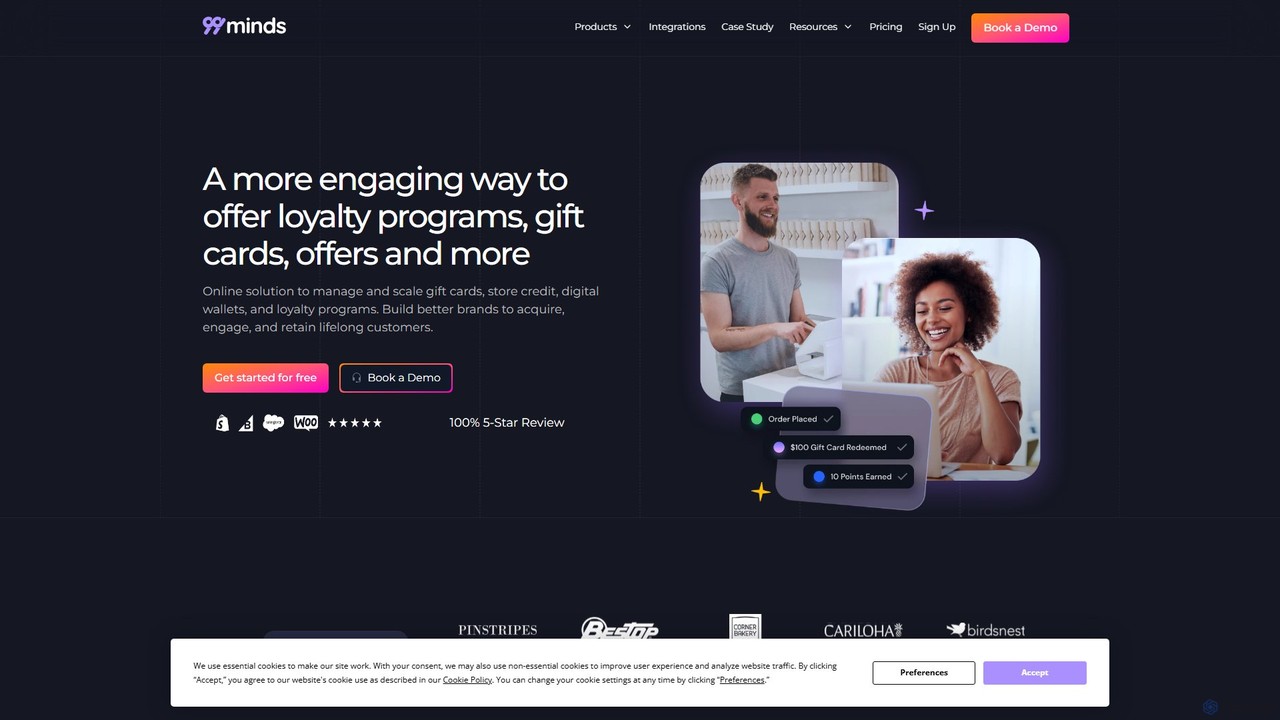
99minds is an all-in-one loyalty and gift card platform for omnichannel retail and e-commerce. It helps businesses boost …

53.8K

About Loyalty Programs

AI Loyalty Programs are tools that use artificial intelligence to design, manage, and optimize customer retention strategies. These platforms leverage machine learning to analyze customer data, predict future behavior, and deliver personalized rewards and communications at scale. This enables businesses, particularly in retail, e-commerce, and hospitality, to increase customer lifetime value, reduce churn, and build stronger brand affinity. Unlike traditional rule-based systems, AI-driven programs can dynamically adjust offers in real-time based on individual customer actions and predicted needs.

Core Features

  • Predictive Analytics: Utilizes machine learning models to forecast customer churn risk, purchase likelihood, and lifetime value.
  • Personalized Rewards Engine: Automatically generates and distributes unique offers, discounts, or points tailored to individual user behavior and preferences.
  • Automated Communication Triggers: Sends personalized emails, SMS, or push notifications for loyalty events like reaching a new tier, points expiration, or post-purchase engagement.
  • Dynamic Customer Segmentation: Employs AI to group customers into micro-segments based on complex behavioral patterns, not just static demographics.
  • Performance & ROI Dashboard: Provides real-time analytics on program effectiveness, customer engagement rates, and the financial return on investment.

Use Cases

These tools are widely used in sectors with high customer transaction frequency, such as e-commerce, retail, subscription services, cafes, and travel. Marketing managers, CRM specialists, and business owners use them to move beyond generic promotions and create data-driven retention campaigns that foster genuine loyalty.

How to Choose

When selecting an AI Loyalty Program tool, consider its integration capabilities with your existing CRM, e-commerce platform (e.g., Shopify, Magento), and POS systems. Evaluate the sophistication of its AI-powered personalization and predictive models. Also, assess its scalability to handle your customer base growth and the clarity of its analytics dashboard for measuring program success.

Loyalty ProgramsUse Cases

1

Automating Personalized Rewards for E-commerce

An e-commerce marketing manager for a fashion brand wants to increase repeat purchases. Instead of offering a generic 10% discount to all customers, they use an AI loyalty tool. The system analyzes a customer's browsing history, past purchases, and items left in their cart. For a customer who frequently views shoes but hasn't bought any, the AI automatically sends a personalized email with a time-sensitive '20% off on all footwear' offer and bonus points for the purchase. This targeted approach feels more relevant to the customer, significantly increasing the conversion rate compared to mass promotions.

2

Predicting and Preventing Customer Churn

A manager for a subscription box service needs to reduce their monthly churn rate. The AI loyalty platform analyzes user engagement data, such as login frequency, product ratings, and skipped deliveries. It identifies a segment of customers whose engagement has dropped significantly, flagging them as 'at-risk'. The system then automatically triggers a retention campaign for this group, offering them a choice of a free premium item in their next box or double loyalty points for the next three months. This proactive intervention helps re-engage customers before they decide to cancel, directly lowering the churn rate.

3

Creating Dynamic Tiered VIP Programs

A hotel chain wants to modernize its tiered loyalty program (Silver, Gold, Platinum). Instead of relying on rigid annual spending thresholds, they use an AI tool. The AI continuously analyzes a guest's total spending, booking frequency, and engagement with hotel services (like spa or restaurants). When a guest's predicted lifetime value crosses a certain threshold, the system automatically upgrades them to the next tier and sends an instant notification congratulating them on their new status and benefits, such as a complimentary room upgrade on their next stay. This immediate recognition enhances guest satisfaction and encourages higher spending.

4

Gamifying Engagement for a Mobile App

A coffee shop chain wants to increase the frequency of visits through its mobile app. A product manager uses an AI loyalty tool to create gamified challenges. The AI suggests personalized challenges based on past behavior, such as 'Try our new seasonal drink this week to earn 50 bonus stars' for adventurous customers, or 'Visit us 3 times before 10 AM' for regular morning commuters. The system automatically tracks progress, sends encouraging push notifications, and instantly rewards users upon completion. This gamification makes the experience more engaging and fun, turning routine purchases into rewarding activities and boosting daily active users.

5

Analyzing Feedback to Refine Loyalty Offers

A CRM analyst for a large retailer notices that a specific high-value reward has a low redemption rate. They use an AI loyalty tool with integrated sentiment analysis. The tool scans customer support tickets, survey responses, and social media comments related to the loyalty program. It identifies a recurring theme: customers find the process to claim that specific reward too complicated. Based on this AI-driven insight, the company simplifies the redemption process. As a result, the redemption rate for the reward triples, and overall program satisfaction scores improve.

6

Managing an Omnichannel Loyalty Experience

A retailer with both physical stores and an e-commerce website wants to provide a seamless loyalty experience. They implement an AI loyalty platform that integrates with their POS system and Shopify store. A customer can make a purchase in-store, and the points are instantly reflected in their mobile app. Later, when browsing online, the AI uses the in-store purchase data to recommend complementary products. It might also send a push notification with a special online-only offer for an item related to their recent physical purchase, encouraging cross-channel shopping and deepening brand engagement.

Loyalty ProgramsFrequently Asked Questions