ToolMage
Sign in

Best 2 Mobile Marketing AI tools for Marketing

Popular Mobile Marketing AI tools in Marketing include Appy Pie App Maker and swiftspeed, helping you work more efficiently.

swiftspeed
Freemium

swiftspeed

Swiftspeed is an AI-powered, no-code app builder that enables users to create native Android and iOS applications without writing a single line of code. It specializes in converting existing websites into fully functional mobile apps in minutes. The platform offers extensive customization, real-time editing, and a wide range of features, including e-commerce integration, push notifications, and monetization options, making it ideal for businesses, agencies, and individuals.

No Code
Visits 39.6KFavorites 114Likes 121
Appy Pie App Maker
Freemium

Appy Pie App Maker

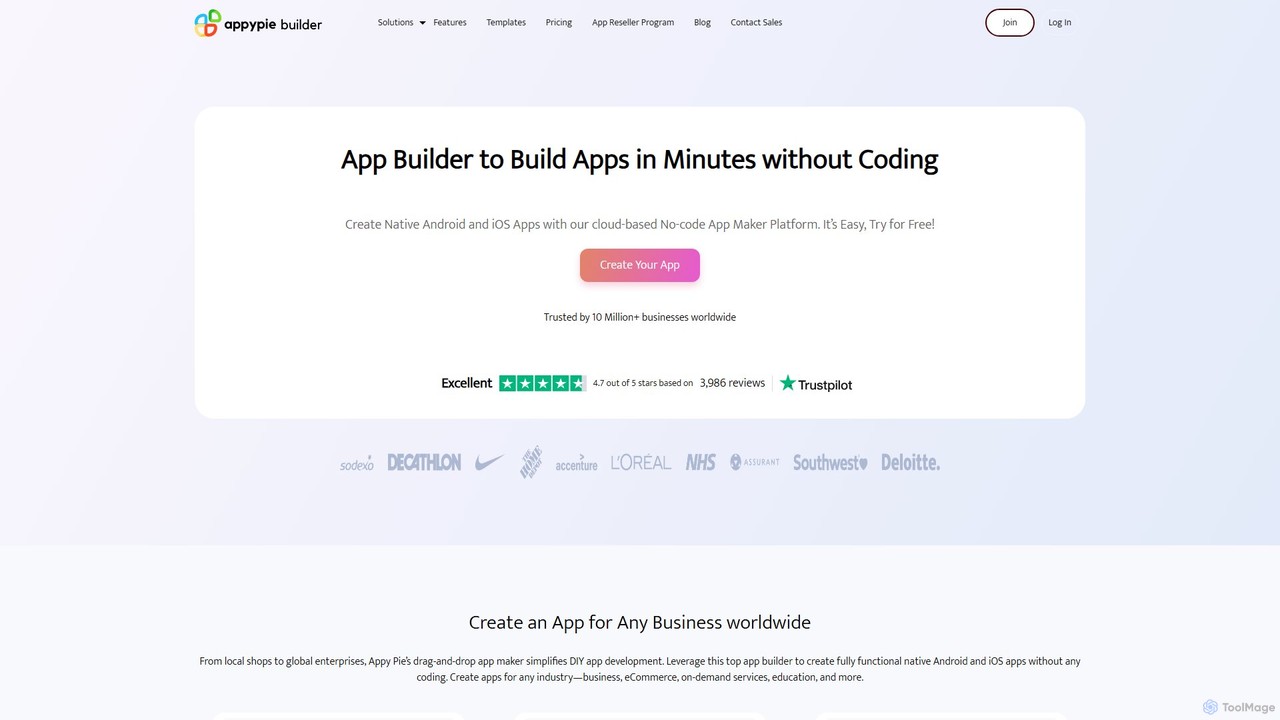
An AI-powered, no-code app development platform that allows users to create native Android and iOS mobile apps using a simple drag-and-drop interface. Build professional apps for any industry—eCommerce, restaurants, churches, and more—without writing a single line of code. Trusted by over 10 million businesses worldwide.

App Builder
Visits 285.7KFavorites 115Likes 115

About Mobile Marketing

AI Mobile Marketing tools are a class of software that uses artificial intelligence to optimize and personalize marketing efforts on mobile devices. These platforms leverage machine learning and predictive analytics to understand user behavior within apps and on mobile websites. They enable marketers to deliver highly relevant push notifications, in-app messages, and SMS campaigns at the most effective moments. The primary goal is to increase user engagement, improve retention rates, and drive conversions in a mobile-first environment.

Core Features

  • Predictive Segmentation: Automatically groups users based on their predicted behavior, such as likelihood to purchase or churn.
  • Personalized Content Delivery: Dynamically customizes message content, offers, and timing for each individual user.
  • Send-Time Optimization: Analyzes individual user activity patterns to deliver messages when they are most likely to be seen and engaged with.
  • Automated A/B/n Testing: Continuously tests multiple campaign variables to identify and scale the most effective strategies without manual oversight.
  • Churn Prediction: Identifies users at high risk of leaving and triggers automated retention campaigns to re-engage them.

Use Cases

These tools are essential for mobile app developers, e-commerce companies, and digital marketing teams. They are used to create personalized user onboarding flows, reduce shopping cart abandonment, send location-based offers, and run targeted re-engagement campaigns to boost user lifetime value.

How to Choose

When selecting an AI Mobile Marketing tool, consider its integration capabilities (SDKs and APIs), the range of supported channels (push, in-app, SMS, email), the sophistication of its AI-driven personalization and segmentation features, and the clarity of its analytics and reporting dashboards.

Mobile Marketing use cases

1

Reduce Cart Abandonment with Timely Push Notifications

E-commerce app marketers use AI to track users who add items to their cart but don't complete the purchase. The system analyzes the user's past behavior to predict the optimal time and message for a follow-up. It can then automatically trigger a personalized push notification, perhaps with a limited-time free shipping offer, effectively nudging the user to complete the transaction and recovering potentially lost revenue.

2

Personalize User Onboarding in Mobile Apps

For a new fitness app, product managers can use AI to create a dynamic onboarding experience. Instead of a generic tour, the AI analyzes which features a user interacts with first. It then delivers a sequence of tailored in-app messages and tooltips that highlight relevant advanced functions, increasing feature adoption and improving the user's initial experience, which is critical for long-term retention.

3

Prevent User Churn with Proactive Campaigns

Subscription-based services, like media streaming apps, utilize AI to build churn prediction models. The AI identifies behavioral patterns—such as decreased session frequency or duration—that indicate a user is at risk of unsubscribing. The tool then automatically enrolls these users into a targeted re-engagement campaign, offering exclusive content or a temporary discount via in-app message to win them back before they cancel.

4

Deliver Location-Based Retail Promotions

A brick-and-mortar retail brand with a mobile app can leverage AI-powered geofencing. When a loyal customer who has opted-in enters a predefined radius around a physical store, the AI triggers an automated, personalized push notification. This message could contain a special in-store-only offer, like 'Get 20% off your purchase in the next hour!', driving foot traffic and encouraging immediate sales.

5

Optimize Mobile Game Engagement

Mobile game developers use AI to enhance player experience and monetization. The system can identify when a player is stuck on a difficult level and automatically send an in-app message offering a hint or a small power-up. It can also personalize in-game store offers based on a player's spending habits and preferences, increasing the likelihood of in-app purchases while keeping the player engaged.

6

Automate Content Recommendations via Push

For a news or content discovery app, AI algorithms analyze a user's reading history, topics of interest, and engagement patterns. Based on this data, the system curates and sends personalized push notifications about new articles or videos that align with the user's specific tastes. This transforms notifications from generic alerts into a valuable, personalized content feed, boosting click-through rates and app usage.

Mobile Marketing FAQ

What are AI Mobile Marketing tools?

AI Mobile Marketing tools are platforms that use artificial intelligence to automate and personalize marketing campaigns on mobile devices. They analyze user data to deliver targeted push notifications, in-app messages, and SMS campaigns. Key features include predictive segmentation, send-time optimization, and personalized content recommendations to boost engagement and retention.

How do I choose the right AI Mobile Marketing tool?

To choose the right tool, evaluate these factors:

  • Integration: Ensure it offers easy-to-implement SDKs for iOS/Android and APIs for connecting with your existing data stack.
  • Channel Support: Check if it supports the channels you need, such as push notifications, in-app messages, SMS, and mobile email.
  • AI Capabilities: Assess the depth of its predictive analytics, personalization engines, and automated optimization features.
  • Analytics: Look for comprehensive dashboards that provide clear insights into campaign performance and user behavior.

What's the difference between AI Mobile Marketing and general Marketing Automation?

The main difference is specialization. General marketing automation covers broad channels like email and social media for desktop and mobile web. AI Mobile Marketing tools are built specifically for the mobile app ecosystem. They leverage mobile-specific data like device IDs, location, and in-app behavior to deliver highly contextual experiences through channels like push notifications and in-app messages, which are unique to mobile.

What are the key features of AI Mobile Marketing platforms?

Key features typically include:

  • Predictive Audience Segmentation: Creating user groups based on predicted future actions.
  • Personalized Messaging: Customizing message content and offers for each user.
  • Send-Time Optimization: Delivering messages at the moment each user is most likely to engage.
  • Churn Prediction: Identifying at-risk users for proactive retention efforts.
  • Automated Journey Builders: Creating complex, trigger-based messaging flows for different user lifecycle stages.

Who should use AI Mobile Marketing tools?

These tools are ideal for professionals focused on the mobile user lifecycle. This includes mobile product managers, app developers, e-commerce marketing teams, and growth marketers. Any business with a mobile app that aims to increase user activation, engagement, retention, and monetization can benefit significantly from using an AI-powered mobile marketing platform.