Marketing Best in category 5 results Push Notifications AI Tool

Popular AI tools in the Push Notifications field of Marketing include Pushwoosh、PushOwl、ngrow、FlareLane、AppBuzz, etc., helping you quickly improve efficiency.

Pushwoosh

Pushwoosh

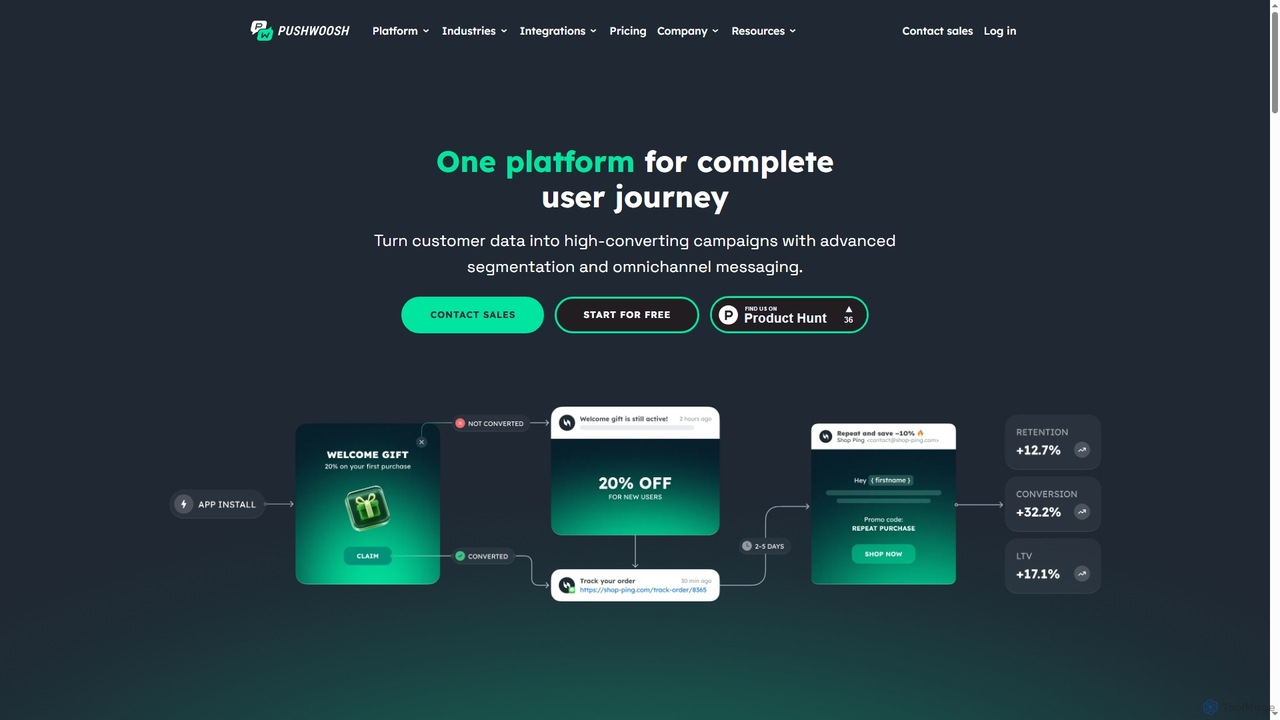
Pushwoosh is an omnichannel customer engagement platform designed to help businesses increase user retention and revenue. It facilitates …

158.8K
FlareLane

FlareLane

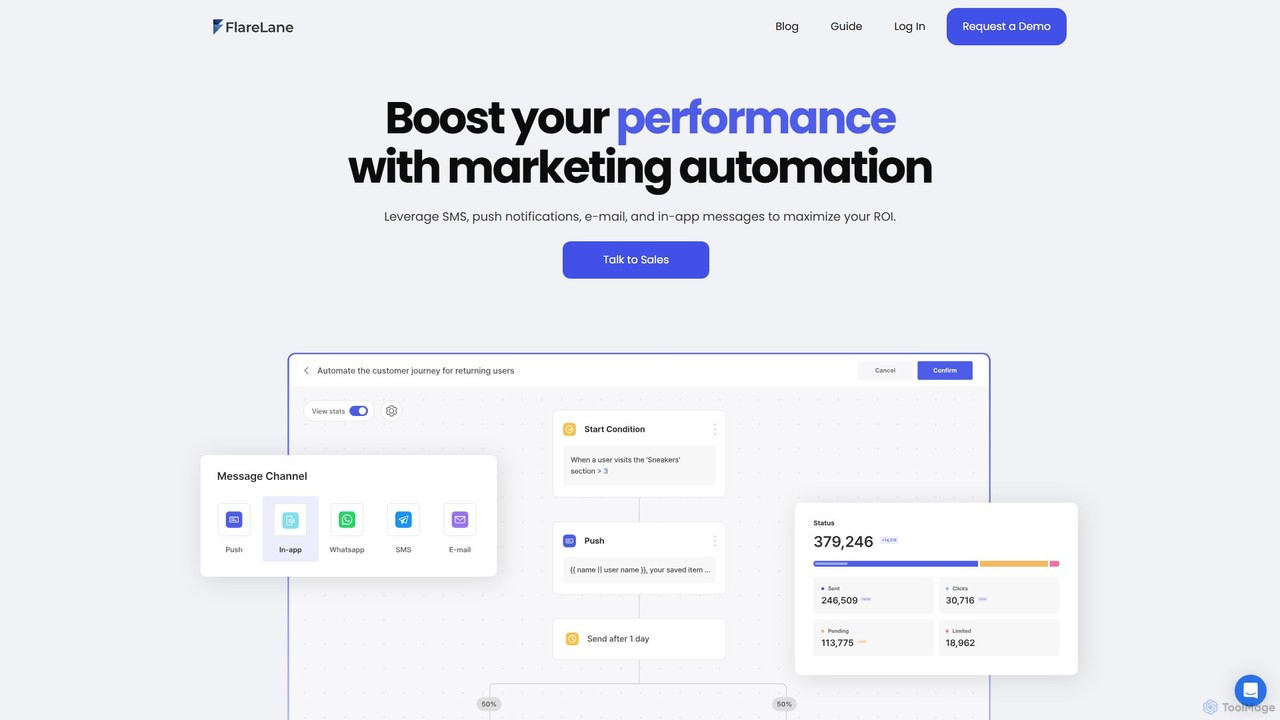
FlareLane is an AI-powered, cross-channel customer engagement platform designed for sending hyper-personalized web and mobile push notifications. It …

4.0K
AppBuzz

AppBuzz

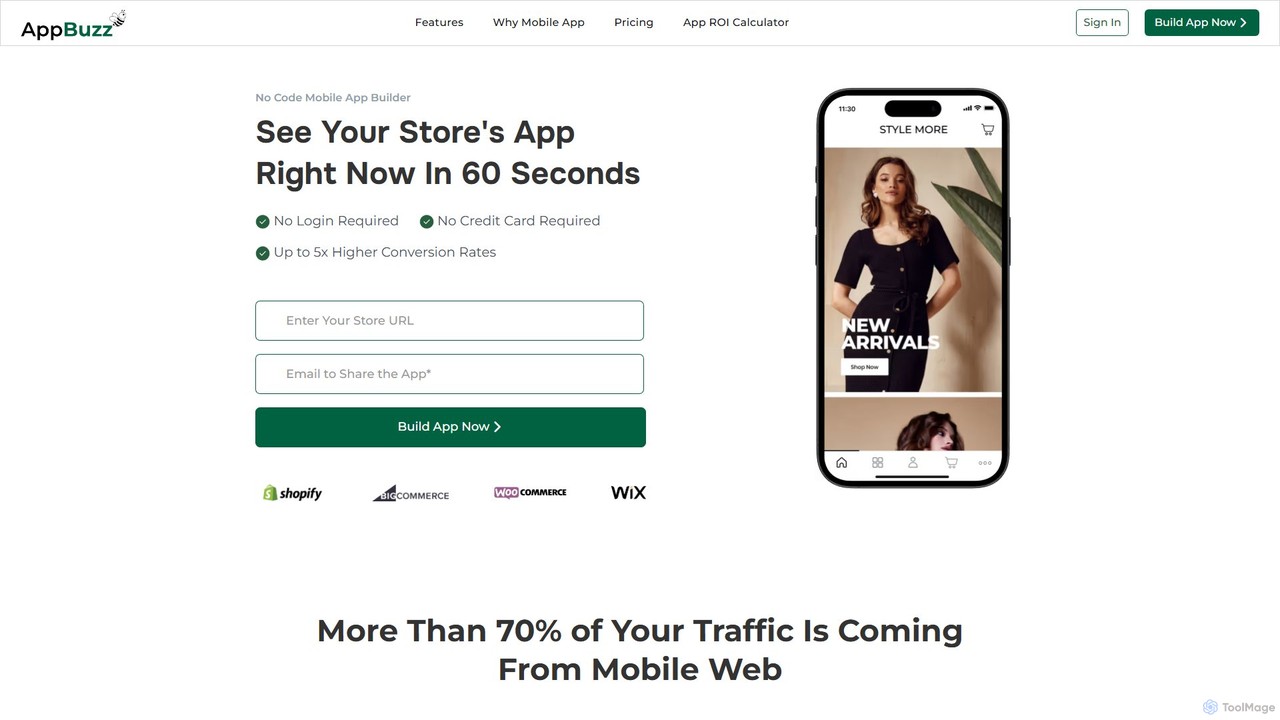
AppBuzz is a no-code mobile app builder that transforms e-commerce stores (Shopify, WooCommerce, etc.) into native iOS and …

3.0K
PushOwl

PushOwl

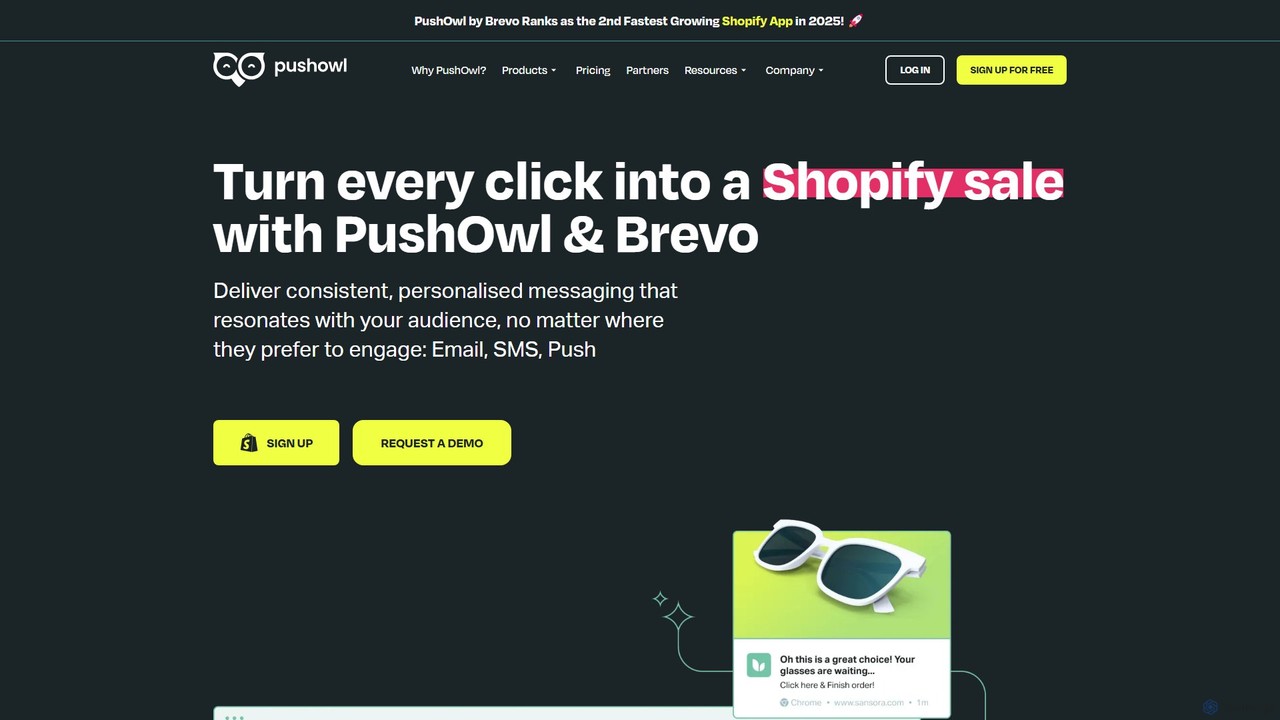
PushOwl is a unified omnichannel marketing platform for Shopify stores, combining AI-powered web push notifications, email, and SMS …

70.5K
ngrow

ngrow

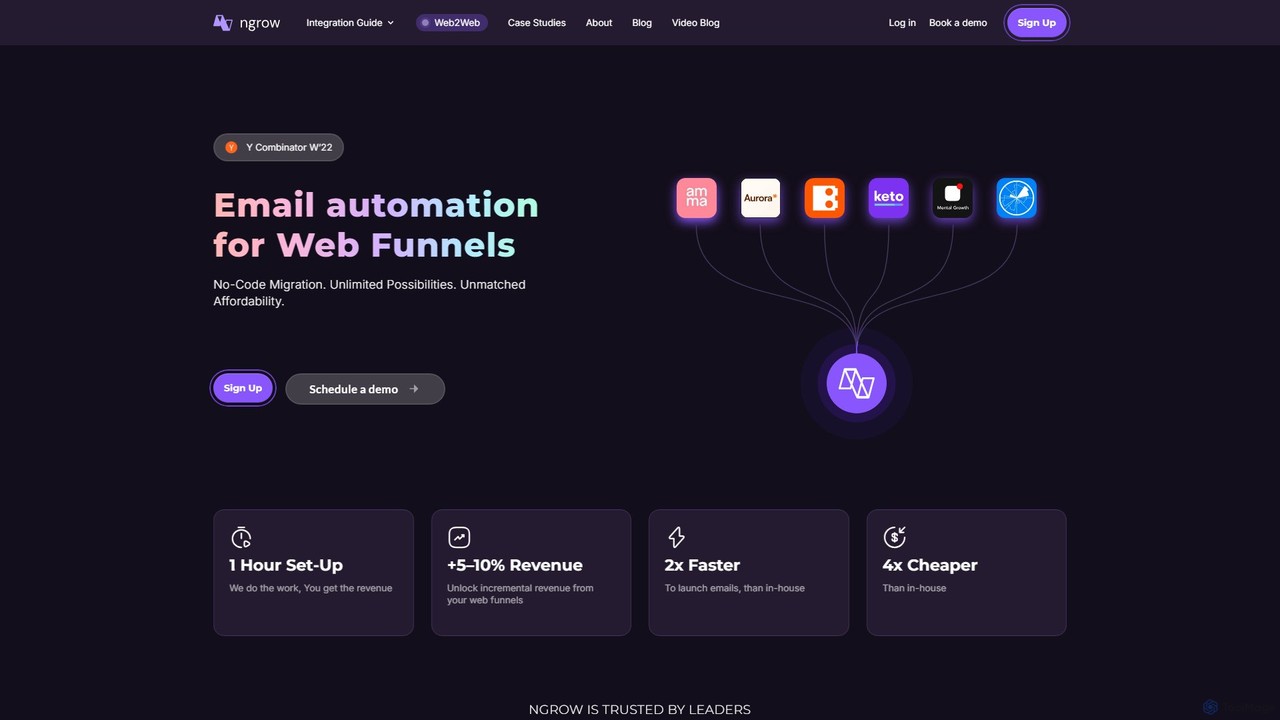
ngrow is an AI-driven customer engagement platform that boosts revenue and retention for mobile apps, games, and e-commerce. …

7.6K

About Push Notifications

AI Push Notification tools are a specialized category of marketing automation software that use artificial intelligence to send highly personalized and timely messages to users' devices. These tools leverage machine learning algorithms to analyze user behavior, predict engagement, and automate the optimization of notification content, timing, and audience segmentation. The primary value lies in moving beyond generic broadcasts to deliver contextually relevant communications that significantly boost user engagement, retention, and conversion rates. AI models can automatically determine the best time to send a message to each individual, craft unique message variations, and identify users at risk of churning.

Core Features

  • Predictive Segmentation: Automatically groups users into dynamic segments based on their predicted behavior, such as likelihood to purchase or churn.
  • Optimal Send-Time Delivery: Uses machine learning to determine the precise time each individual user is most likely to engage with a notification.
  • AI-Powered Content Personalization: Generates or suggests notification copy, images, and offers tailored to individual user preferences and history.
  • Automated A/B/n Testing: Continuously tests multiple notification variants and automatically allocates traffic to the winning version.
  • Churn Prediction & Prevention: Identifies users showing signs of disengagement and triggers automated re-engagement campaigns to retain them.

Applicable Scenarios

These tools are widely used by mobile-first businesses, particularly in e-commerce, media and publishing, gaming, and SaaS. For example, an e-commerce app can use AI to send personalized cart abandonment reminders with dynamic product recommendations. A media outlet can automatically notify readers about breaking news relevant to their specific interests, increasing click-through rates.

Selection Criteria

When choosing an AI Push Notification tool, consider the sophistication of its AI models and the level of automation provided. Evaluate its integration capabilities with your existing CRM and analytics platforms. Also, assess the platform's analytics and reporting features to measure the true uplift from AI-driven campaigns, and compare pricing models, which may be based on subscribers, message volume, or access to advanced AI features.

Push NotificationsUse Cases

1

Recover Abandoned Shopping Carts

E-commerce managers use AI push notifications to automatically address cart abandonment. When a user leaves items in their cart, the system analyzes their browsing history, past purchases, and typical engagement times. Instead of a generic reminder, the AI crafts a personalized message, potentially including a dynamic discount or recommending a similar product. It then sends the notification at the optimal time for that specific user, significantly increasing the chances of recovering the sale compared to a standard, one-size-fits-all reminder.

2

Deliver Personalized News & Content

For media and content platforms, editorial teams can leverage AI to boost readership and engagement. The AI engine tracks each user's reading habits, preferred topics, and authors. When a new article is published, the system automatically identifies the most relevant user segment and sends them a push notification with a tailored headline. This ensures users receive alerts they genuinely care about, reducing notification fatigue and increasing daily active users.

3

Prevent User Churn in Mobile Apps

Mobile app product managers and marketers can proactively reduce user churn. The AI models continuously monitor user activity for signs of disengagement, such as decreased session frequency or ignored features. Once a user is flagged as "at-risk," the tool can automatically trigger a personalized win-back campaign. This could be a notification highlighting a new feature they might like, offering a special in-app credit, or simply asking for feedback, effectively re-engaging them before they uninstall.

4

Automate New User Onboarding

To improve user activation and long-term retention, growth marketers can create intelligent onboarding sequences. An AI push notification tool monitors a new user's actions within the app. Based on the features they use or ignore, the system sends a series of timed, context-aware tips and tutorials. For example, if a user hasn't tried a key feature after three days, the AI can send a helpful notification explaining its benefits, guiding them towards becoming a proficient and engaged user.

5

Drive Engagement with Dynamic In-Game Events

In the gaming industry, community managers use AI to maximize participation in live events and promotions. The system analyzes player behavior, skill level, and in-game purchases to identify which players would be most interested in a specific event or a new item sale. It then sends highly targeted notifications to these segments, often personalized with the player's username or referencing their recent achievements, leading to higher event participation and increased in-app revenue.

6

Send Hyper-Relevant Geofenced Offers

Retail and food service businesses with physical locations can use AI-powered geofencing to drive foot traffic. When a user who has opted-in enters a predefined geographical area around a store, the AI system assesses various factors like the time of day, the user's past purchase history, and current store promotions. It then triggers a highly relevant push notification, such as a "lunch special" offer if it's noon or a promotion on an item they've previously viewed online, making the message timely and compelling.

Push NotificationsFrequently Asked Questions