E Commerce Best in category 9 results Marketing Automation AI Tool

Popular AI tools in the Marketing Automation field of E Commerce include PushOwl、BotSailor、Symph AI、BusinessOnBot、Launchmind、aiaffiliateprogram.store、Editby、Elsie、Mailsplash, etc., helping you quickly improve efficiency.

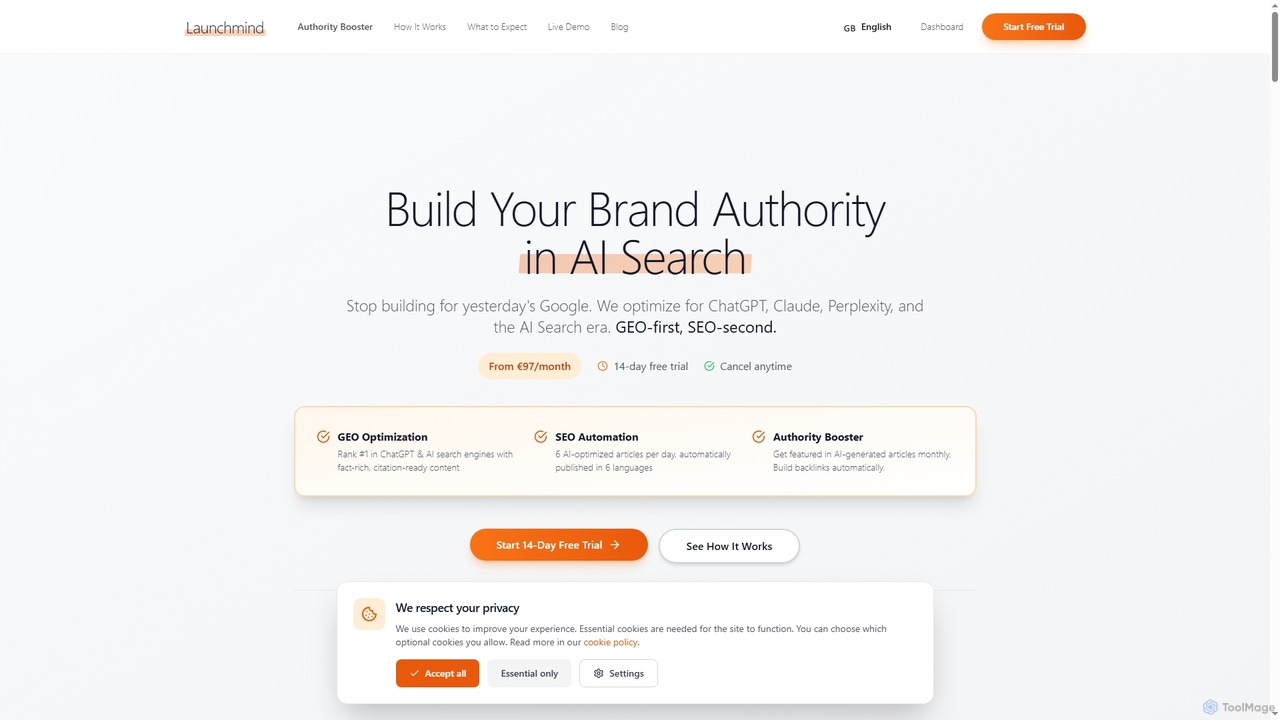
Launchmind

Launchmind

Launchmind is an AI-powered GEO and SEO platform designed to build brand authority in the era of AI …

2.2K
Free
Elsie

Elsie

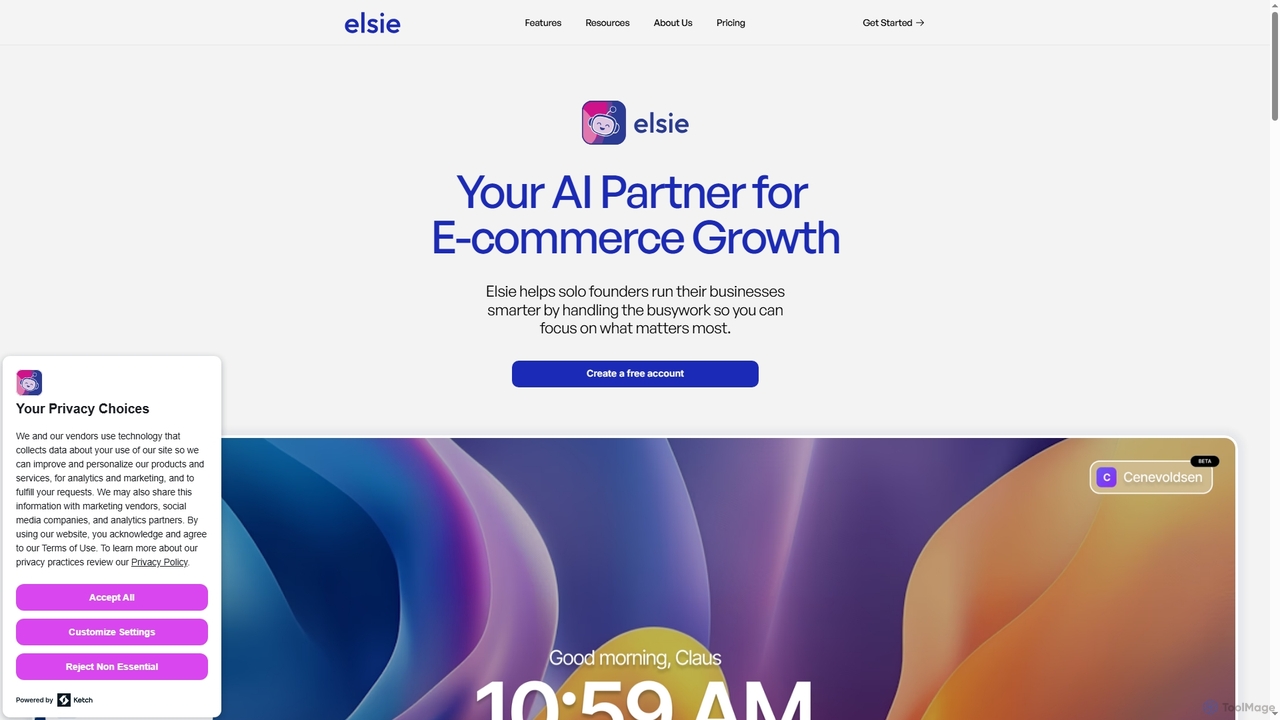
Elsie is an AI partner designed for solo e-commerce founders, automating routine tasks to free up time for …

1.8K
Mailsplash

Mailsplash

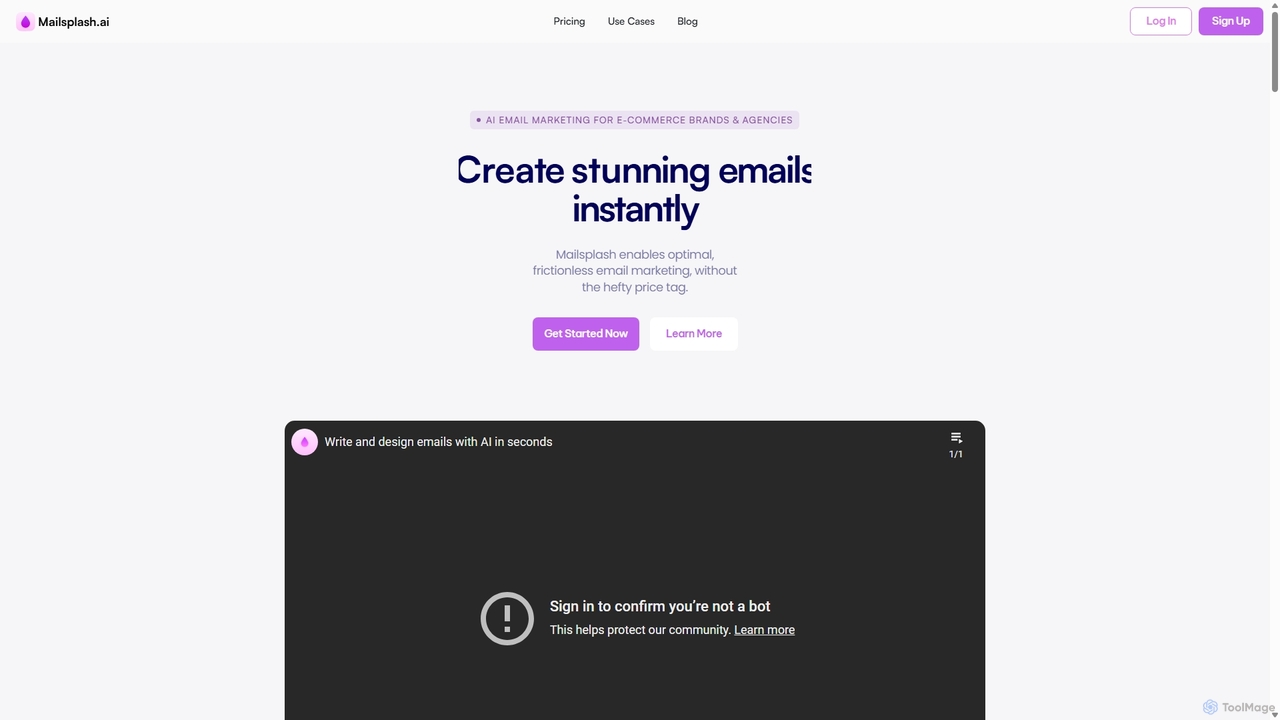
Mailsplash is an AI-powered email marketing platform designed for e-commerce brands and agencies. It automates the entire email …

1.8K
BotSailor

BotSailor

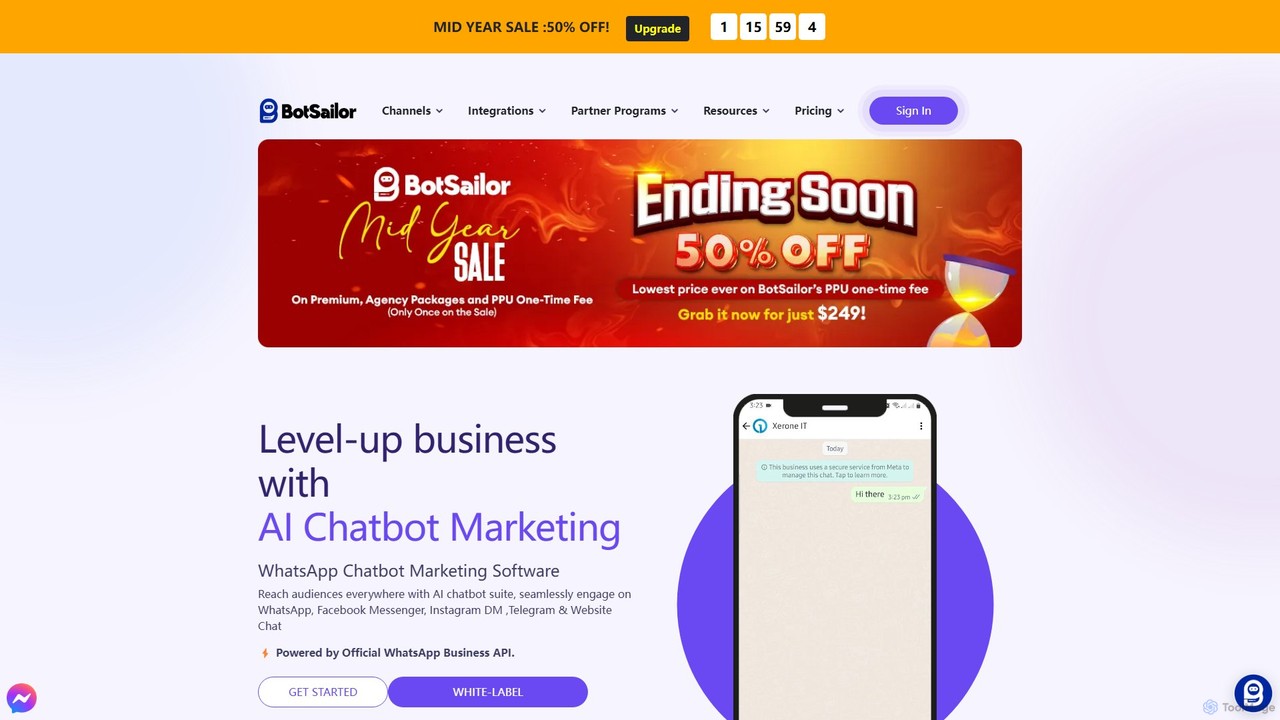
BotSailor is an omni-channel AI chatbot and marketing automation platform for WhatsApp, Facebook, Instagram, and Telegram. It helps …

63.6K
BusinessOnBot

BusinessOnBot

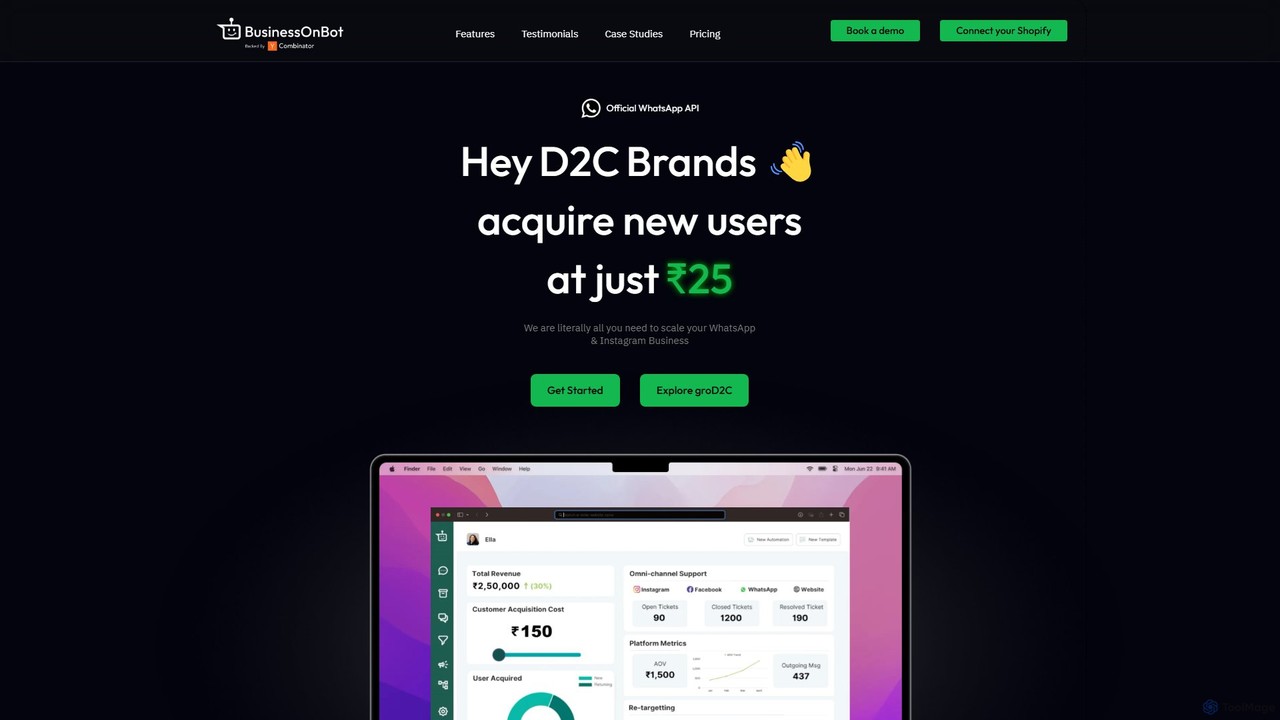
BusinessOnBot is an omni-channel marketing automation platform for D2C brands, leveraging WhatsApp and Instagram to acquire new users, …

12.6K
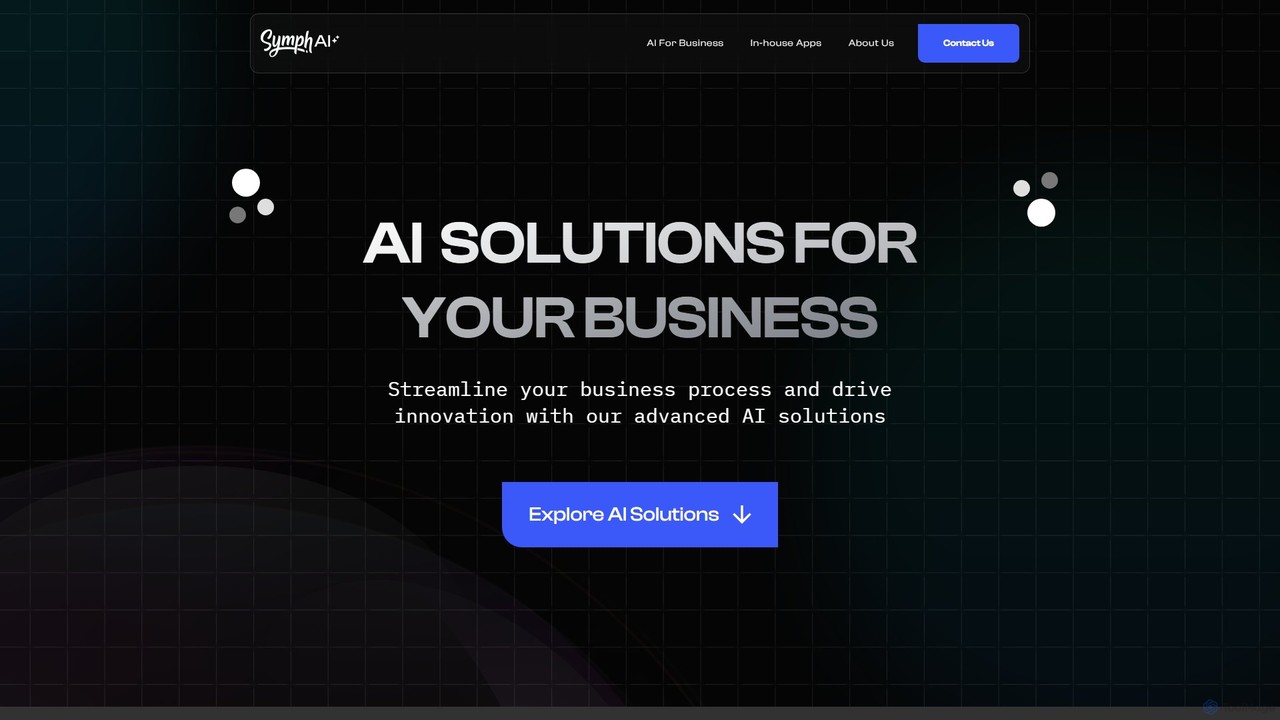
Symph AI

Symph AI

Symph AI provides a suite of customizable AI solutions for businesses, designed to enhance customer support, automate operations, …

21.4K
Editby

Editby

Editby is an AI platform designed for e-commerce and retail brands to automate the creation and localization of …

1.8K
aiaffiliateprogram.store

aiaffiliateprogram.store

An AI-powered platform for creating, managing, and optimizing affiliate marketing programs. It leverages artificial intelligence for partner discovery, …

1.9K
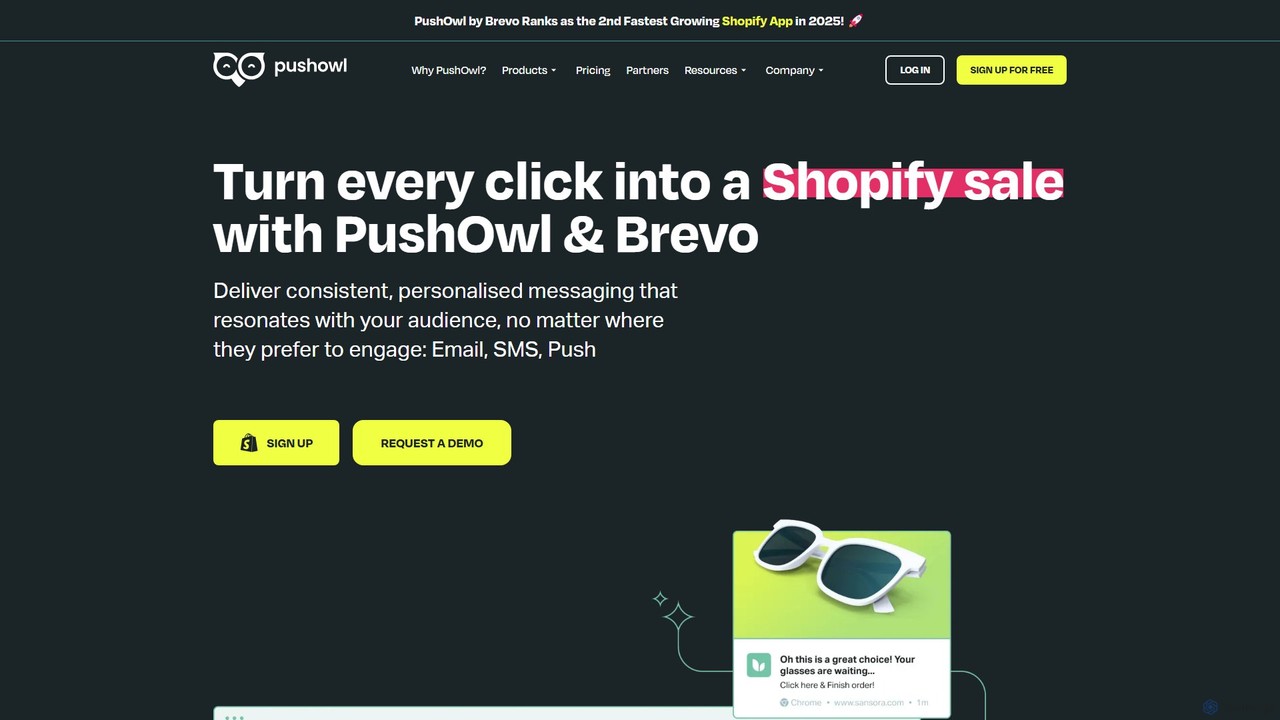
PushOwl

PushOwl

PushOwl is a unified omnichannel marketing platform for Shopify stores, combining AI-powered web push notifications, email, and SMS …

70.5K

About Marketing Automation

Marketing Automation tools are AI-driven platforms designed to streamline, automate, and measure marketing tasks and workflows, particularly within the e-commerce sector. These tools leverage AI algorithms to analyze customer data, predict behavior, and deliver personalized experiences at scale. This enables online businesses to nurture leads, engage customers, and drive sales with minimal manual intervention. By automating repetitive processes like email campaigns and social media posting, they free up marketing teams to focus on strategy and creative initiatives.

Core Features

  • Automated Workflows: Design multi-step, multi-channel customer journeys based on triggers and user behavior.
  • AI-Powered Segmentation: Automatically group customers based on purchase history, browsing activity, and engagement level for targeted campaigns.
  • Personalized Content Delivery: Dynamically insert product recommendations, names, or other data into emails and messages.
  • Lead Scoring and Nurturing: Rank leads based on their likelihood to convert and guide them through the sales funnel with automated follow-ups.
  • Performance Analytics: Track key metrics like open rates, conversion rates, and ROI for every automated campaign.

Use Cases

These tools are essential for e-commerce managers, digital marketers, and online store owners. Common applications include automating abandoned cart recovery email sequences, sending personalized post-purchase follow-ups with product recommendations, and executing targeted promotional campaigns for specific customer segments like VIPs or first-time buyers.

How to Choose

When selecting a Marketing Automation tool, consider its integration capabilities with your e-commerce platform (e.g., Shopify, WooCommerce). Evaluate the sophistication of its workflow builder and segmentation options. Also, assess the platform's scalability to grow with your customer base and the depth of its analytics and reporting features to measure campaign effectiveness.

Marketing AutomationUse Cases

1

Automate Abandoned Cart Recovery Emails

An e-commerce manager notices a high cart abandonment rate. Using a marketing automation tool, they set up a multi-step workflow. The system automatically identifies users who add items to their cart but don't complete the purchase. Within an hour, the tool sends a personalized reminder email. If there's no action after 24 hours, a second email is sent, perhaps with a small discount code. This automated sequence works 24/7 to recover potentially lost sales, significantly boosting revenue without manual effort.

2

Personalize Post-Purchase Customer Journeys

A marketing team for an online fashion brand wants to increase customer loyalty. They use a marketing automation tool to create a post-purchase journey. Once a customer buys a product, a workflow is triggered. Three days later, an email is sent asking for a product review. Two weeks later, based on the item purchased, the system sends another email showcasing complementary products. For example, a customer who bought a dress might receive recommendations for matching shoes. This personalization strengthens the customer relationship and drives repeat purchases.

3

Segment Customers for Targeted Promotions

An online electronics store wants to run a promotion for high-value customers. Instead of sending a generic email blast, the marketing manager uses an automation tool's AI segmentation feature. The tool analyzes purchase history and frequency to create a 'VIP Customer' segment automatically. This segment includes anyone who has spent over $500 in the last six months. A targeted campaign is then sent only to this group, offering them early access to a new product. This approach increases conversion rates and makes loyal customers feel valued, reducing the risk of unsubscribes from irrelevant offers.

4

Nurture B2B Leads with Automated Workflows

A B2B e-commerce site selling specialized equipment captures leads through a 'Request a Quote' form. A marketing automation tool immediately scores these leads based on company size and job title. High-scoring leads are routed to the sales team. Lower-scoring leads are entered into an automated nurturing sequence. Over several weeks, they receive a series of emails with case studies, technical specifications, and webinar invitations. The tool tracks their engagement (e.g., clicks on a case study link), and once a lead reaches a certain engagement score, they are automatically flagged for sales follow-up. This ensures no lead is lost and sales only engages with qualified prospects.

5

Automate Social Media for Product Launches

A social media manager for an online cosmetics brand is planning a new product launch. Using a marketing automation tool, they schedule a series of posts across Instagram, Facebook, and Twitter for the week leading up to the launch. The tool automatically publishes teaser content, countdowns, and finally the launch announcement at the optimal times for each platform. It also monitors brand mentions and hashtags related to the launch, collecting user-generated content and tracking sentiment. This automates the execution of the social media campaign, allowing the manager to focus on real-time community engagement.

6

Boost Sales with AI Product Recommendations

An online bookstore integrates its e-commerce platform with a marketing automation tool. The tool's AI analyzes a user's browsing history, past purchases, and items other similar users have bought. When the user views a book, a 'Frequently Bought Together' section automatically appears with relevant suggestions. Furthermore, after a purchase, the automated follow-up email includes a 'Recommended For You' section with personalized book suggestions. This strategy of cross-selling and upselling, powered by AI, significantly increases the average order value and introduces customers to new books they are likely to enjoy.

Marketing AutomationFrequently Asked Questions