Marketing Best in category 8 results Research AI Tool

Popular AI tools in the Research field of Marketing include There's An AI For That、Futurepedia.io、WhatTheAI、Compareaitools、ReReview AI、Gearcaliber、Toolbox AI、Workflos, etc., helping you quickly improve efficiency.

Free
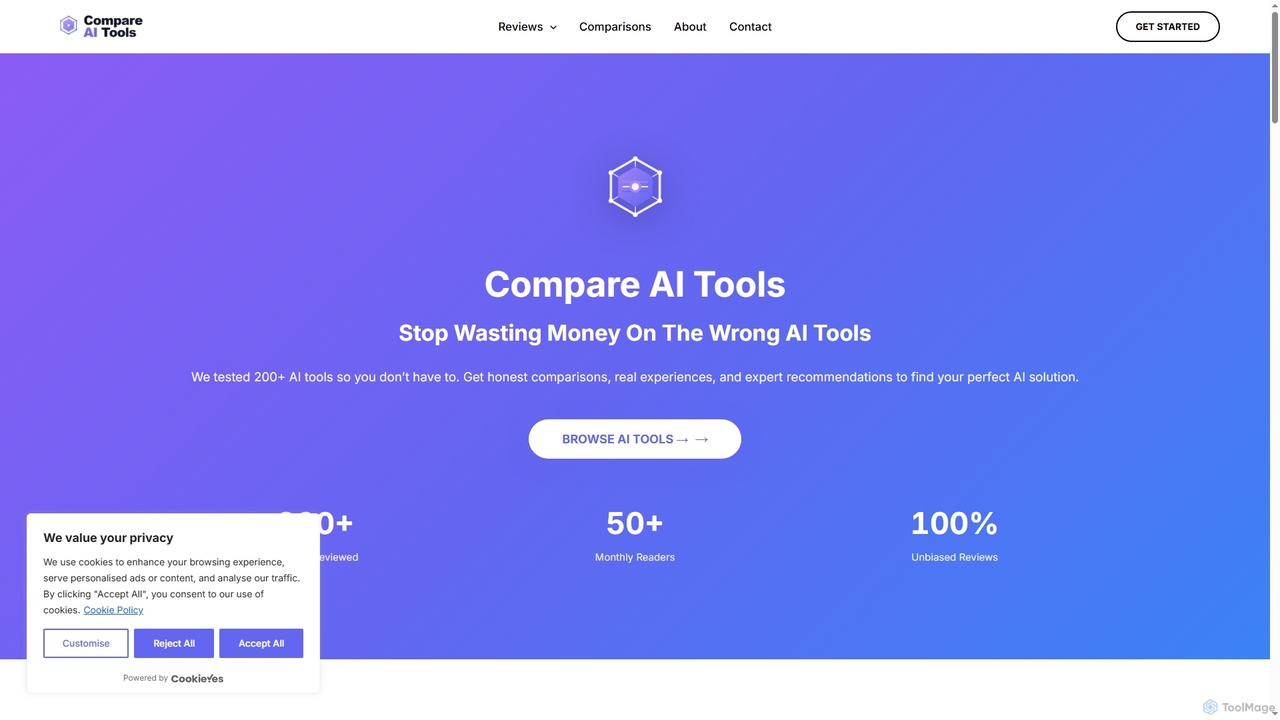
Compareaitools

Compareaitools

An independent review platform offering honest, in-depth comparisons of over 200 AI tools. It helps users avoid costly …

4.4K
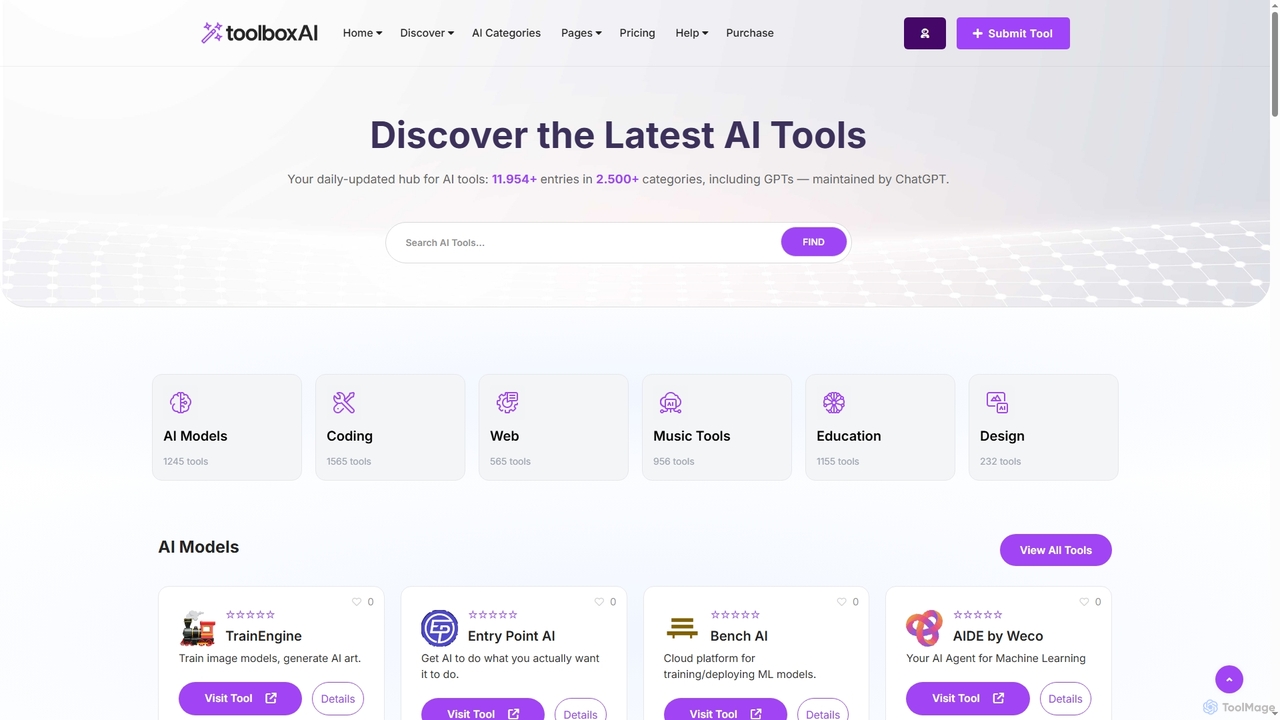
Toolbox AI

Toolbox AI

A comprehensive, daily-updated directory for discovering and comparing over 11,954 AI tools across 2,500+ categories. It offers expert …

3.0K
Free
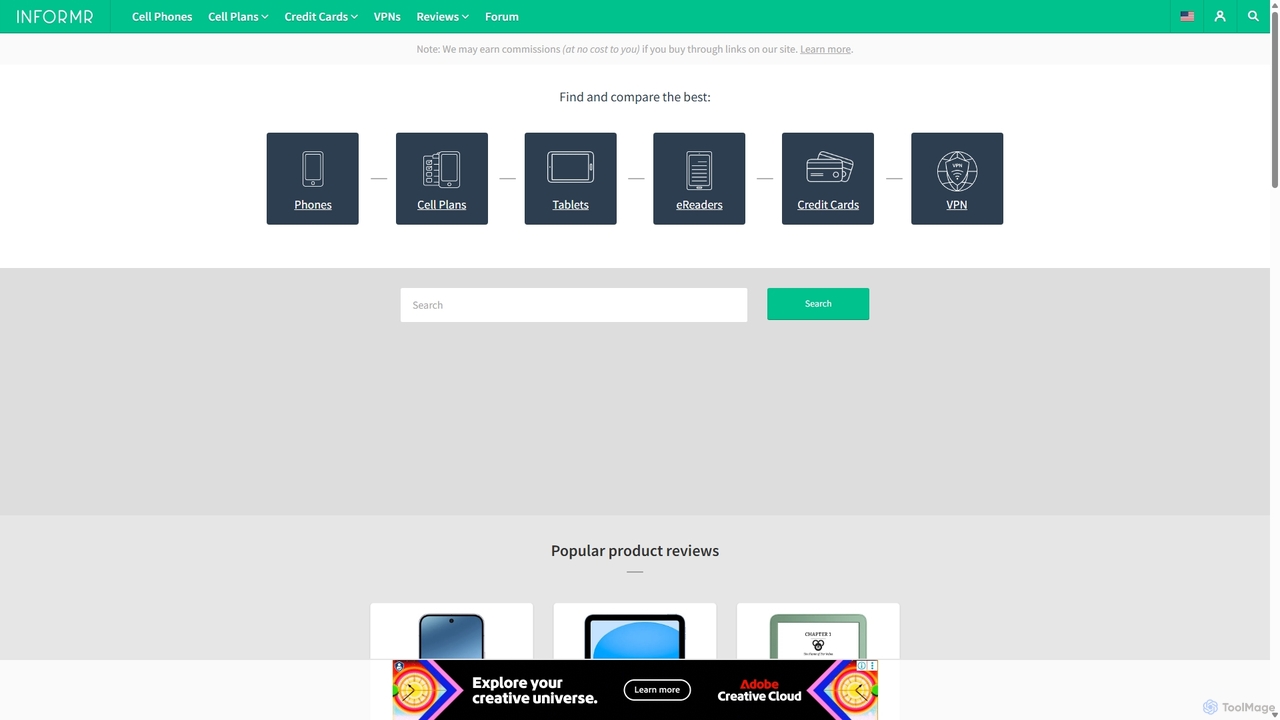
Gearcaliber

Gearcaliber

Gearcaliber is a comprehensive AI tool discovery platform and directory. It helps users find, compare, and select the …

3.0K
Free
There's An AI For That

There's An AI For That

The largest and most up-to-date directory of AI tools and solutions. There's An AI For That is a …

6.1M
Free
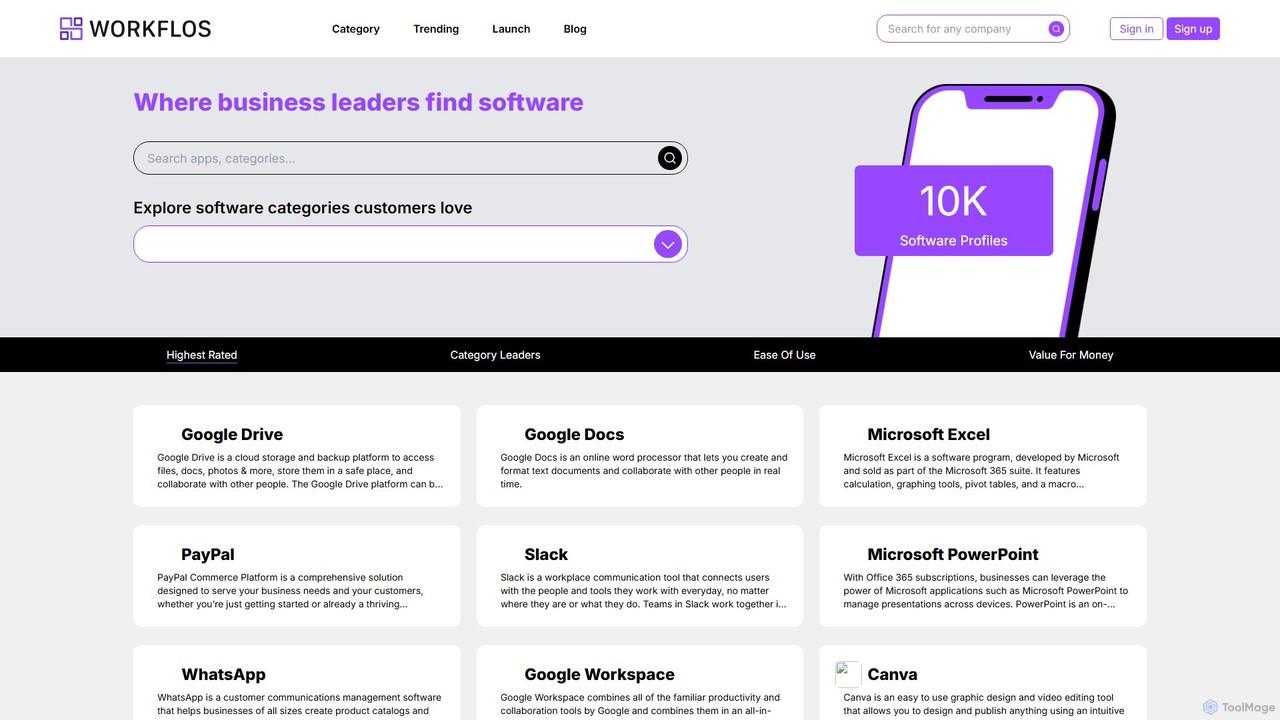
Workflos

Workflos

Workflos is a comprehensive software discovery platform designed for business leaders and teams. It features a vast directory …

2.9K
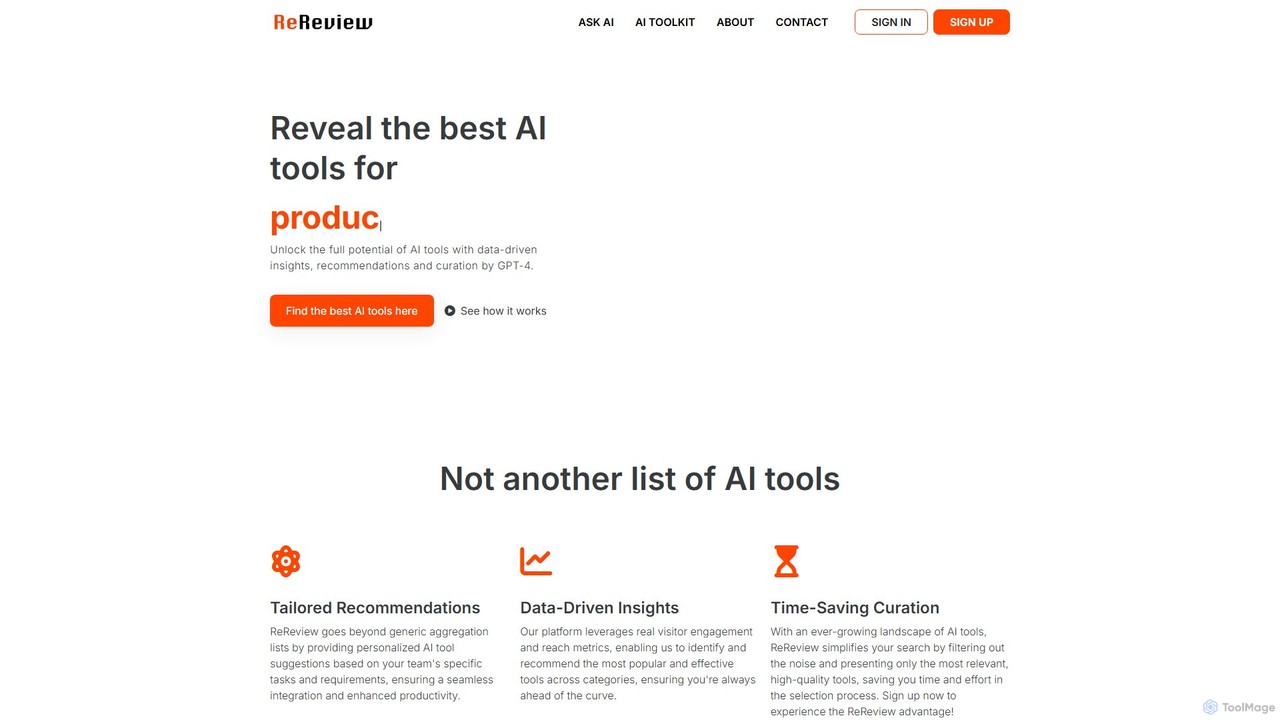
ReReview AI

ReReview AI

ReReview AI is a data-driven discovery platform that helps users find the best AI tools for their specific …

4.0K
Free
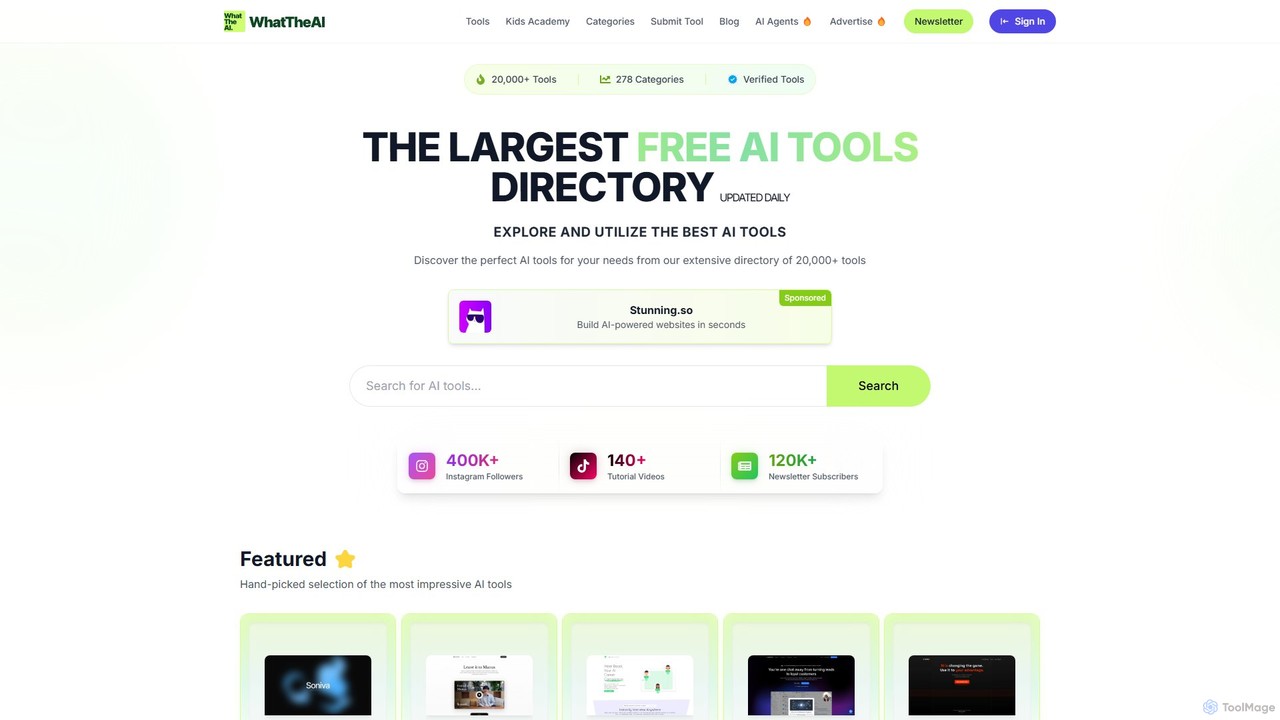
WhatTheAI

WhatTheAI

WhatTheAI is a comprehensive and free directory of AI tools, featuring over 20,000 applications across more than 278 …

74.2K
Free
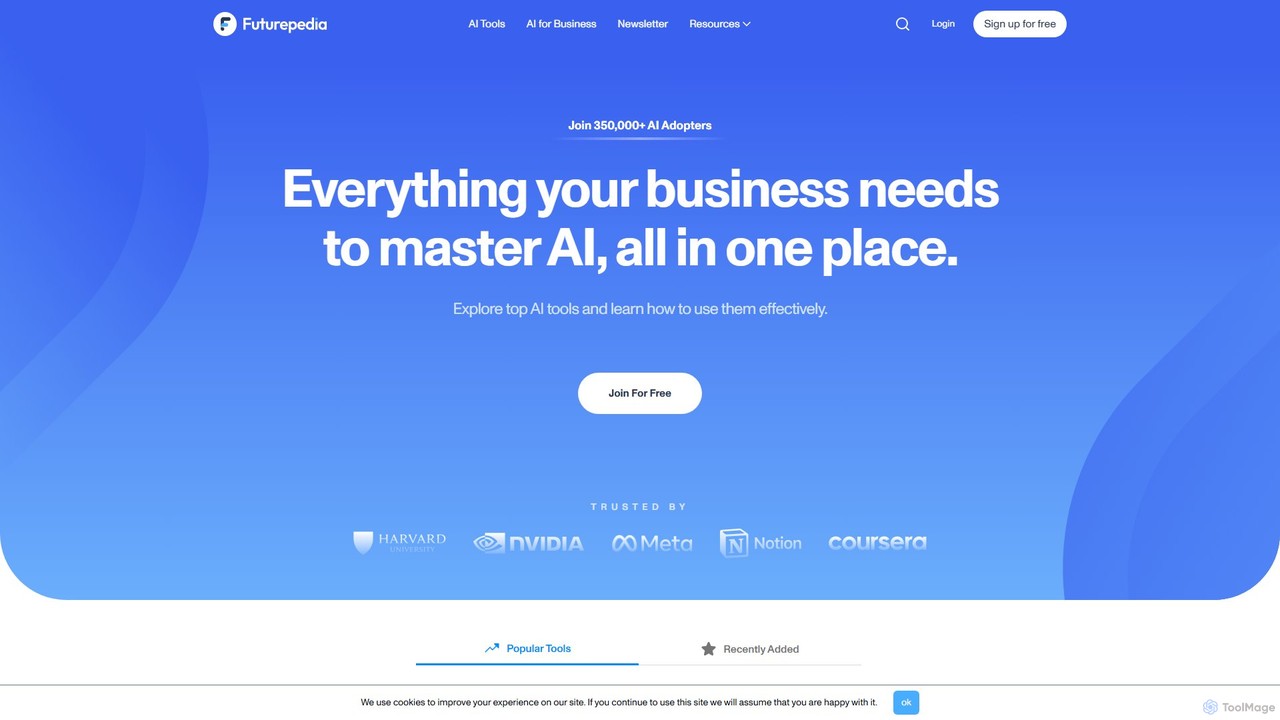
Futurepedia.io

Futurepedia.io

A comprehensive directory and resource hub for discovering, learning about, and implementing the latest AI tools. Futurepedia offers …

681.6K

About Research

AI Research tools are a specialized category of applications designed to automate the collection, analysis, and synthesis of market and consumer data. These tools leverage machine learning and natural language processing to scan vast datasets from sources like social media, news articles, customer reviews, and competitor websites. They provide marketers with actionable insights into market trends, consumer sentiment, and competitive landscapes, enabling data-driven strategic decisions. This technology transforms raw data into clear reports and predictive models, significantly accelerating the research process.

Core Features

  • Automated Data Aggregation: Gathers information from diverse online sources, including social media, forums, and news sites, into a unified dashboard.
  • Sentiment Analysis: Automatically assesses the emotional tone (positive, negative, neutral) within customer feedback and brand mentions.
  • Trend Identification & Forecasting: Analyzes data patterns to identify emerging market trends and predict future consumer behavior.
  • Competitor Intelligence: Tracks competitors' marketing activities, product launches, pricing changes, and customer feedback.
  • Insight Summarization: Condenses large volumes of text and data into concise summaries, reports, and visualizations.

Use Cases

These tools are primarily used by marketing strategists, product managers, and market research analysts. They are essential for tasks such as developing new product concepts based on identified market gaps, refining target audience personas with deep behavioral insights, and monitoring brand health in real-time. For instance, a company can use an AI research tool to analyze thousands of customer reviews to pinpoint key feature requests before their next product update.

How to Choose

When selecting an AI Research tool, consider the data sources it covers—ensure they align with your target audience's platforms. Evaluate the depth of its analytical capabilities, such as the accuracy of its sentiment analysis and trend forecasting. Assess its integration options with your existing marketing stack (e.g., CRM, analytics tools) and consider the user-friendliness of its dashboard and reporting features. Finally, compare pricing models based on the volume of data you need to analyze.

ResearchUse Cases

1

Identify Market Gaps for New Product Development

A product manager preparing for a new software launch uses an AI research tool to analyze thousands of online reviews for competing products. The tool automatically categorizes feedback, highlighting recurring complaints about missing features and poor user experience in existing solutions. By processing this data, the manager identifies a significant market gap for a more intuitive tool with specific automation capabilities. This data-driven insight becomes the foundation for the new product's core value proposition, guiding the development team to build a product with a higher chance of market adoption.

2

Monitor Brand Sentiment and Manage Reputation

A marketing team at a consumer goods company uses an AI research tool to continuously monitor brand mentions across social media, news sites, and forums. The tool's sentiment analysis feature alerts them in real-time to a sudden spike in negative comments related to a recent packaging change. This early warning allows the PR team to quickly craft a public response addressing customer concerns before the issue escalates into a major crisis. The tool also provides a dashboard to track sentiment trends over time, helping them measure the effectiveness of their reputation management campaigns.

3

Analyze Competitor Marketing Strategies

A digital marketing agency uses an AI research tool to conduct a comprehensive analysis of a key competitor for their new client. The tool aggregates the competitor's social media content, blog posts, press releases, and ad campaigns. It identifies their core messaging themes, most engaging content formats, and the influencers they collaborate with. The analysis reveals that the competitor's video content receives 3x more engagement than their static posts. Based on this insight, the agency recommends a video-first content strategy for their client to effectively capture market share.

4

Refine Target Audience Personas with Behavioral Data

A marketing analyst for an e-commerce fashion brand wants to move beyond basic demographic personas. They use an AI research tool to analyze conversations on fashion forums, Instagram comments, and TikTok trends related to their niche. The tool identifies distinct subcultures and value drivers, such as sustainability, vintage aesthetics, and DIY customization. This allows the analyst to create nuanced, behavior-based personas like 'The Eco-Conscious Upcycler' instead of just 'Female, 18-24'. These refined personas lead to more resonant ad copy and targeted content, improving campaign ROI.

5

Generate Data-Driven Content Ideas

A content marketing manager is tasked with creating an editorial calendar for a B2B SaaS company. Instead of brainstorming, they use an AI research tool to analyze industry publications, competitor blogs, and questions asked on platforms like Quora and Reddit. The tool identifies a list of trending topics and 'question clusters' that indicate a high level of user interest and low content saturation. It highlights that 'integrating CRM with accounting software' is a frequently asked question with few comprehensive guides. This allows the manager to prioritize creating a definitive guide on this topic, ensuring it will attract relevant organic traffic.

6

Validate a Marketing Campaign Concept

Before investing a large budget in a new advertising campaign centered around 'digital minimalism', a marketing team uses an AI research tool to gauge public interest. The tool analyzes millions of online conversations to measure the volume and sentiment around this topic. It reveals that while the concept is popular among tech enthusiasts, it has low resonance with the brand's broader target audience. The data also shows that a related concept, 'digital wellness', has much wider appeal and positive sentiment. The team pivots their campaign messaging to focus on 'digital wellness', avoiding a costly mismatch with market preferences.

ResearchFrequently Asked Questions