Marketing Best in category 3 results Seo Optimization AI Tool

Popular AI tools in the Seo Optimization field of Marketing include CatalogIQ、Avoid、ShortRentals, etc., helping you quickly improve efficiency.

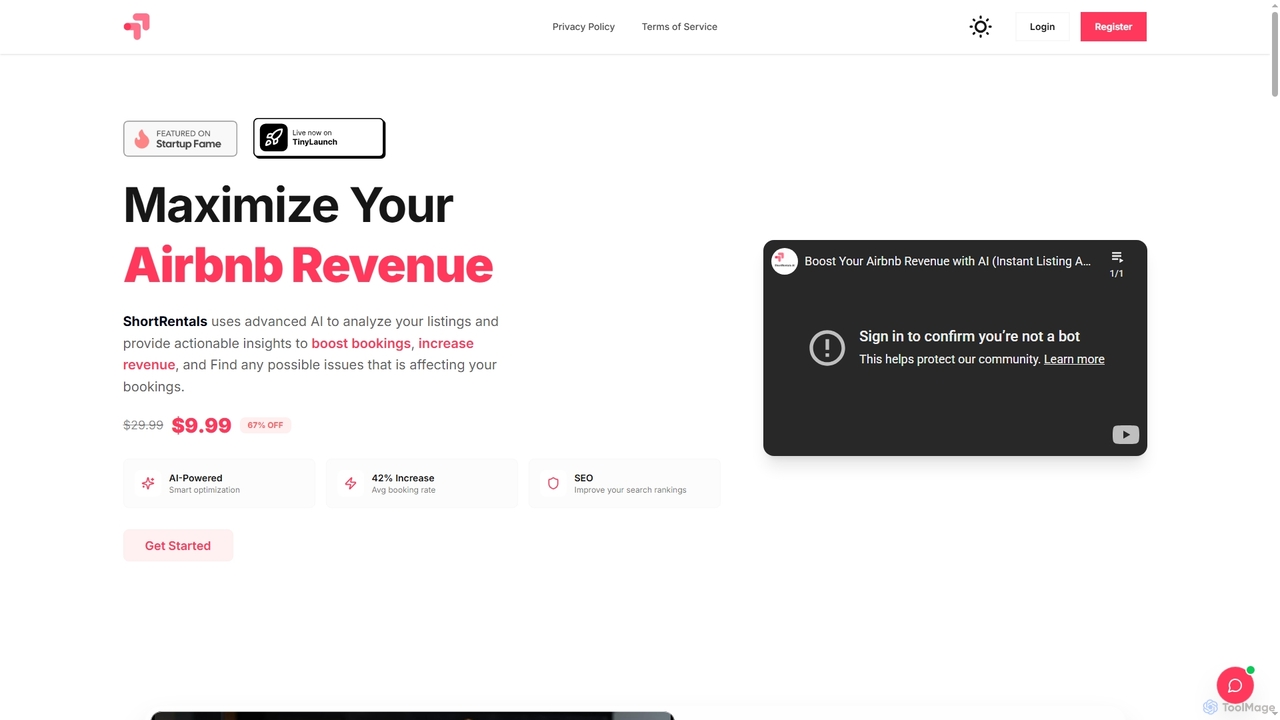
ShortRentals

ShortRentals

ShortRentals is an AI-powered tool designed for Airbnb hosts and property managers to optimize their listings. It analyzes …

2.7K
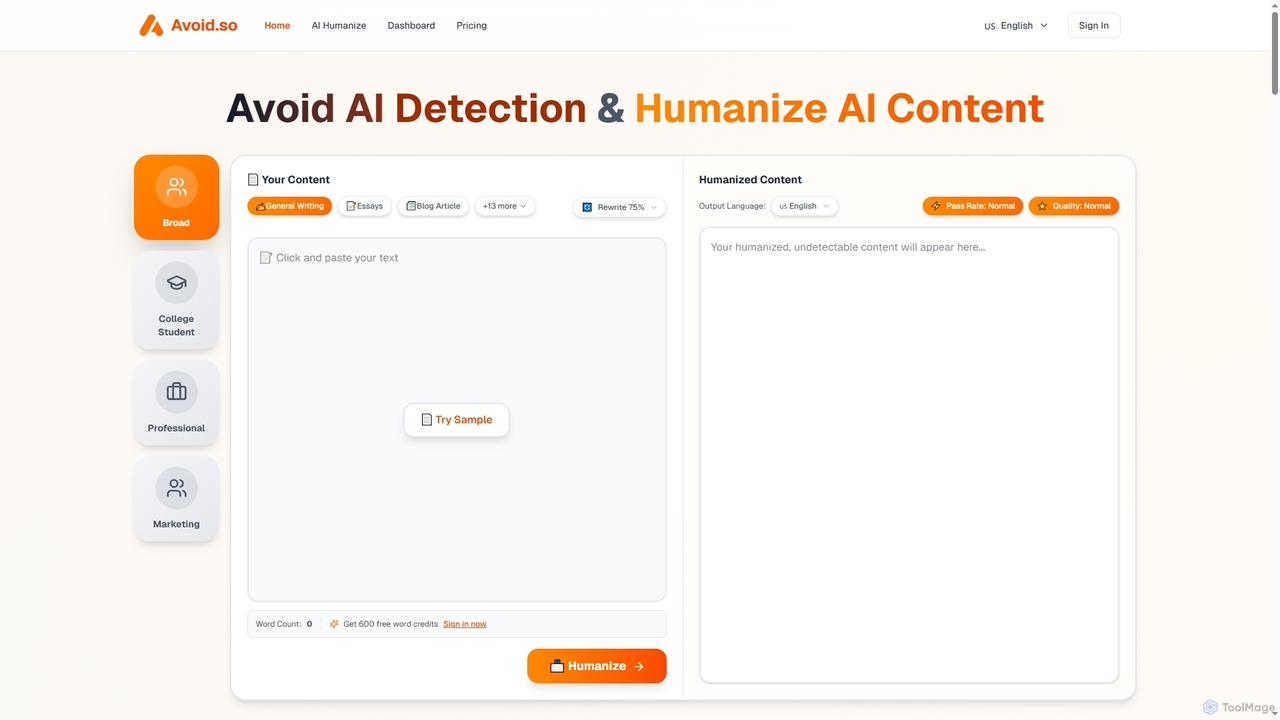
Avoid

Avoid

Avoid is an advanced AI humanizer tool that transforms AI-generated content into authentic, human-like writing, bypassing major AI …

2.7K
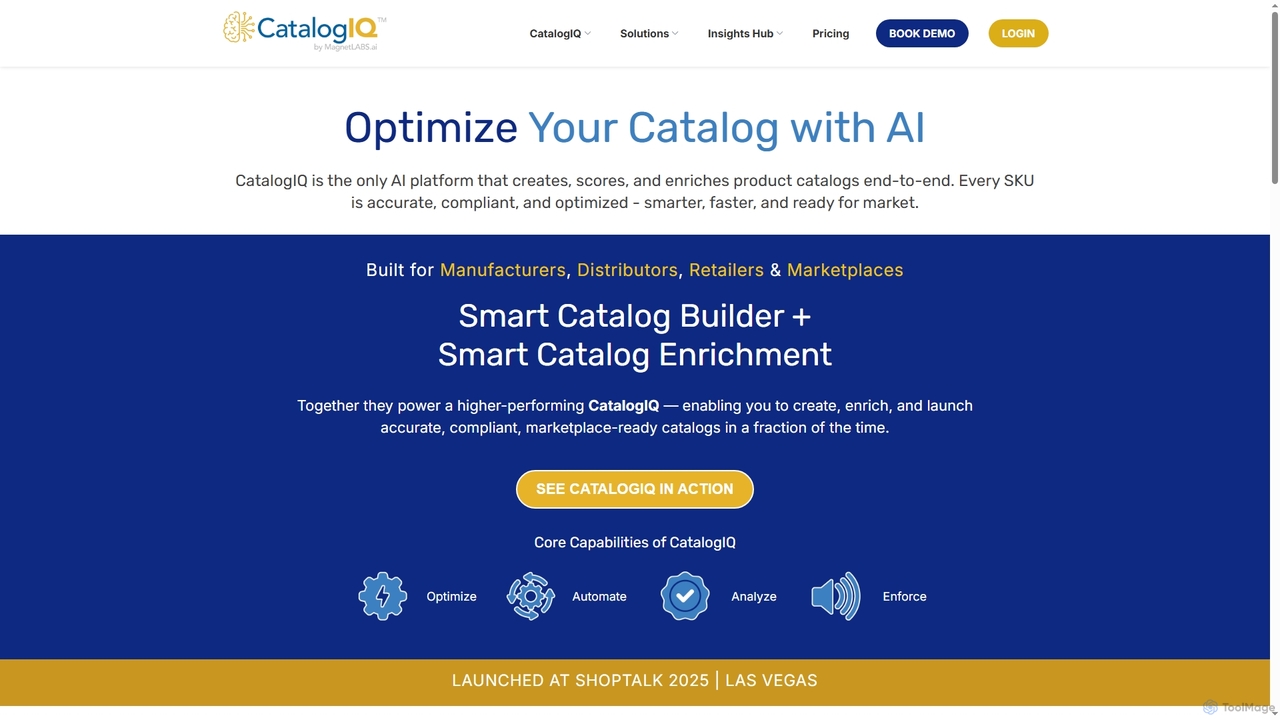
CatalogIQ

CatalogIQ

CatalogIQ is an AI-powered platform that optimizes e-commerce product catalogs by creating, scoring, and enriching product data end-to-end. …

4.3K

About Seo Optimization

AI SEO Optimization tools are a specialized category of marketing software that leverages artificial intelligence to analyze, automate, and enhance website performance in search engine results. These tools employ machine learning and natural language processing (NLP) to perform complex tasks like keyword clustering, content analysis, and technical site audits with greater speed and accuracy. Their primary value lies in transforming raw data into actionable insights, enabling marketers and SEO professionals to make more strategic decisions and improve organic traffic efficiently. This data-driven approach helps uncover competitor strategies and predict ranking potential.

Core Features

  • AI-Powered Keyword Research: Discovers relevant keywords, analyzes search intent, and groups them into semantic topic clusters for content strategy.
  • Content Optimization & Briefing: Analyates top-ranking pages to generate data-driven content briefs, suggesting structure, keywords, and questions to answer.
  • Automated Technical Audits: Scans websites to automatically identify and prioritize technical issues such as crawl errors, slow page speed, and broken links.
  • Predictive Rank Tracking: Monitors keyword rankings and uses AI to forecast performance trends and identify opportunities for growth.
  • Backlink Analysis: Identifies high-quality backlink opportunities by analyzing competitor profiles and content gaps.

Use Cases

These tools are essential for SEO specialists, digital marketing agencies, content managers, and e-commerce businesses. They are used to scale content creation by generating optimized outlines, conduct comprehensive site health checks for large websites, and perform in-depth competitor analysis to gain a competitive edge in search rankings.

How to Choose

When selecting an AI SEO Optimization tool, consider the scope of its features—whether you need an all-in-one platform or a specialized tool for a specific task like content creation. Evaluate the accuracy and source of its data, as well as its integration capabilities with platforms like Google Analytics, Search Console, and your CMS. Finally, assess the user interface and learning curve to ensure it matches your team's technical expertise.

Seo OptimizationUse Cases

1

Generate Data-Driven Content Briefs

A content manager for a SaaS company needs to create a high-ranking blog post about 'project management software'. Instead of manual research, they use an AI SEO tool. By inputting the target keyword, the tool analyzes the top 20 search results, identifying common headings, semantic keywords, word count averages, and user questions from 'People Also Ask' sections. Within minutes, it generates a comprehensive brief that guides the writer to create content that is topically relevant and structured for search engine success, significantly reducing research time and improving the article's ranking potential.

2

Automate Technical SEO Audits for E-commerce

An e-commerce manager oversees a site with thousands of product pages. Manually checking for technical SEO issues is impossible. They schedule a weekly automated audit using an AI SEO tool. The tool crawls the entire site, identifying critical errors like 404 pages from discontinued products, slow-loading category pages, and missing image alt-text. The AI prioritizes the issues based on their potential impact on traffic and revenue, providing a clear action plan for the development team. This proactive approach helps maintain site health and protect search rankings without extensive manual effort.

3

Perform Keyword Clustering for Site Architecture

An SEO agency is planning the content strategy for a new client in the finance niche. They start with a broad seed keyword like 'investment'. An AI SEO tool takes this seed and generates thousands of related long-tail keywords. Instead of a simple list, the AI uses natural language processing to group these keywords into semantically related clusters, such as 'stock market investing for beginners', 'real estate investment trusts', and 'cryptocurrency trading strategies'. This provides a clear, topic-focused site architecture plan, ensuring that content is organized logically for both users and search engines, which helps establish topical authority faster.

4

Analyze Competitor Backlink Strategies

A digital marketer wants to build authority for a client's website. They use an AI SEO tool to perform a backlink gap analysis. The tool compares their client's backlink profile against three top competitors. The AI identifies high-authority domains that link to two or more competitors but not to the client. It also flags the specific types of content (e.g., 'how-to guides', 'original research') that attract these valuable links. This provides a highly targeted list of outreach prospects and content ideas, making the link-building campaign more efficient and effective than a broad, untargeted approach.

5

Optimize Internal Linking Structure at Scale

The owner of a large content-rich website with hundreds of articles wants to improve their site architecture and SEO. Manually finding relevant internal linking opportunities is time-consuming. They use an AI SEO tool that crawls all their published content. When a new article is drafted, the tool analyzes its text and suggests a list of existing, relevant articles to link to. It also identifies 'orphan pages' (pages with no internal links pointing to them) and suggests relevant pages to link from. This automates a critical on-page SEO task, ensuring link equity is distributed effectively across the site and improving user navigation.

6

Track and Predict Keyword Ranking Performance

An in-house SEO team for a travel blog needs to monitor hundreds of keywords across different countries. They use an AI SEO tool's rank tracker. Beyond just showing current positions, the tool's AI model analyzes historical ranking data, SERP volatility, and competitor movements to forecast future ranking trends. It might predict that a keyword is likely to drop in a few weeks, allowing the team to proactively update the corresponding content. This predictive capability shifts the team from a reactive to a proactive SEO strategy, helping them secure top positions more consistently.

Seo OptimizationFrequently Asked Questions