ToolMage
Sign in

Best 5 Seo Tools for Marketing

Popular Seo Tools in Marketing include CyberStock, Backlink Manager, LitContent, WebTuyo, and BriefGenius, helping you work more efficiently.

WebTuyo
Freemium

WebTuyo

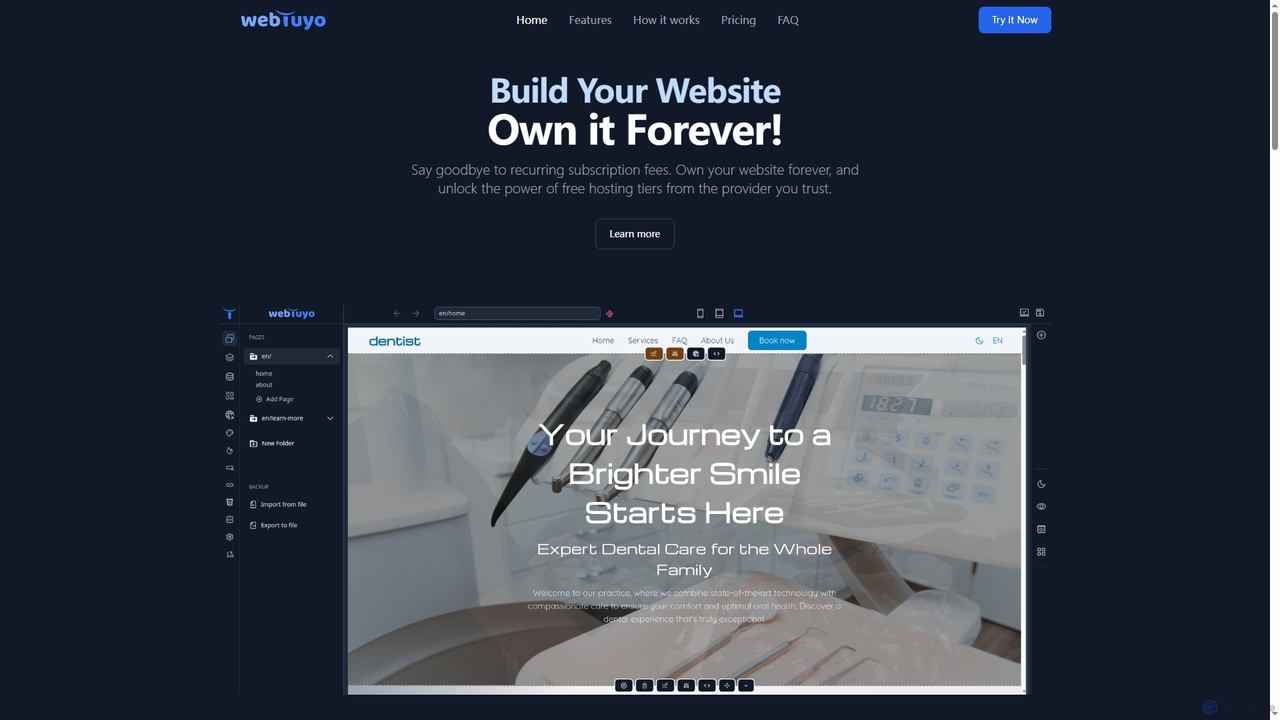
WebTuyo is an innovative website builder that empowers users to create and own their websites forever, eliminating recurring subscription fees. It offers unlimited pages, pre-designed blocks, custom block creation with HTML, CSS, and JavaScript, built-in multilingual support, and powerful SEO tools, all within a user-friendly interface. Start building your professional online presence with lifetime access and flexible hosting options.

3D
Visits 5.6KFavorites 77Likes 80
LitContent
Freemium

LitContent

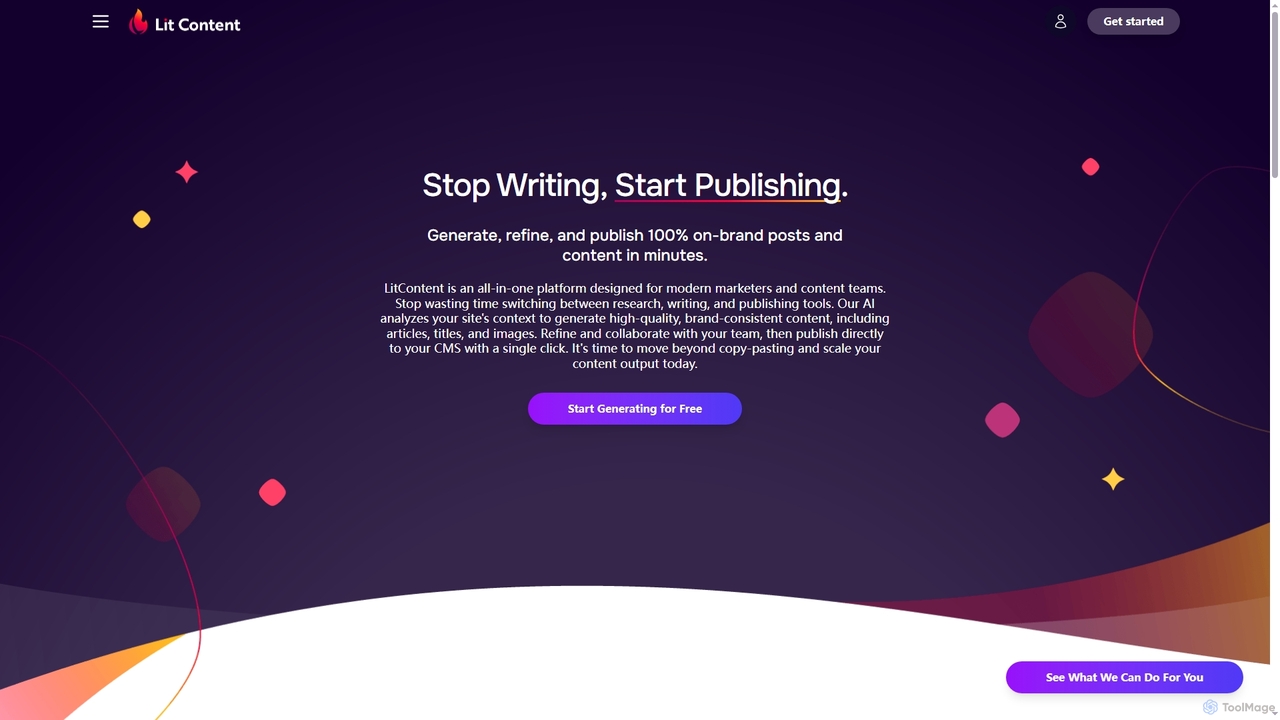
LitContent is an all-in-one AI platform for modern marketers and content teams, enabling them to generate, refine, and publish 100% on-brand posts and content in minutes. It streamlines the content workflow from idea to publication, ensuring brand consistency and SEO optimization.

Team Workflow
Visits 5.6KFavorites 134Likes 137
BriefGenius
Freemium

BriefGenius

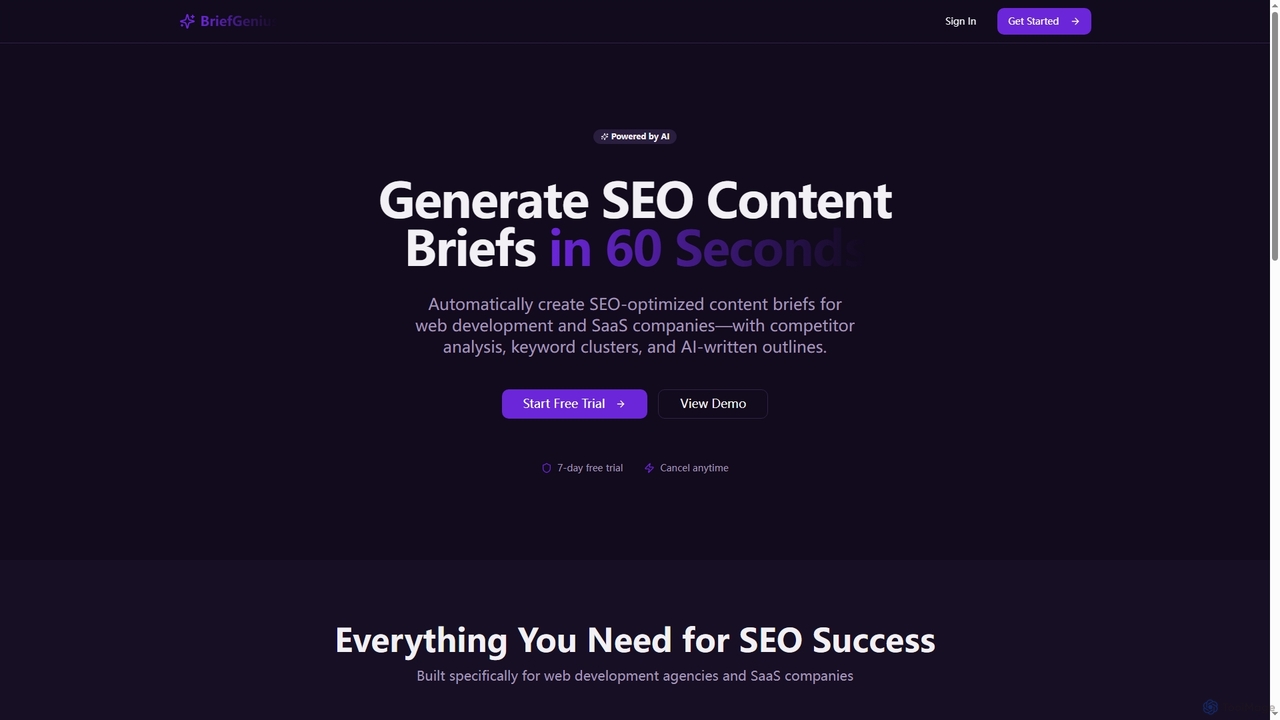
BriefGenius is an AI-powered SEO content brief generator designed for web development agencies and SaaS companies. It automates the creation of SEO-optimized content briefs, including competitor analysis, keyword clusters, and AI-written outlines, in just 60 seconds, streamlining content strategy and production.

Content Strategy
Visits 5.5KFavorites 123Likes 138
Backlink Manager
Freemium

Backlink Manager

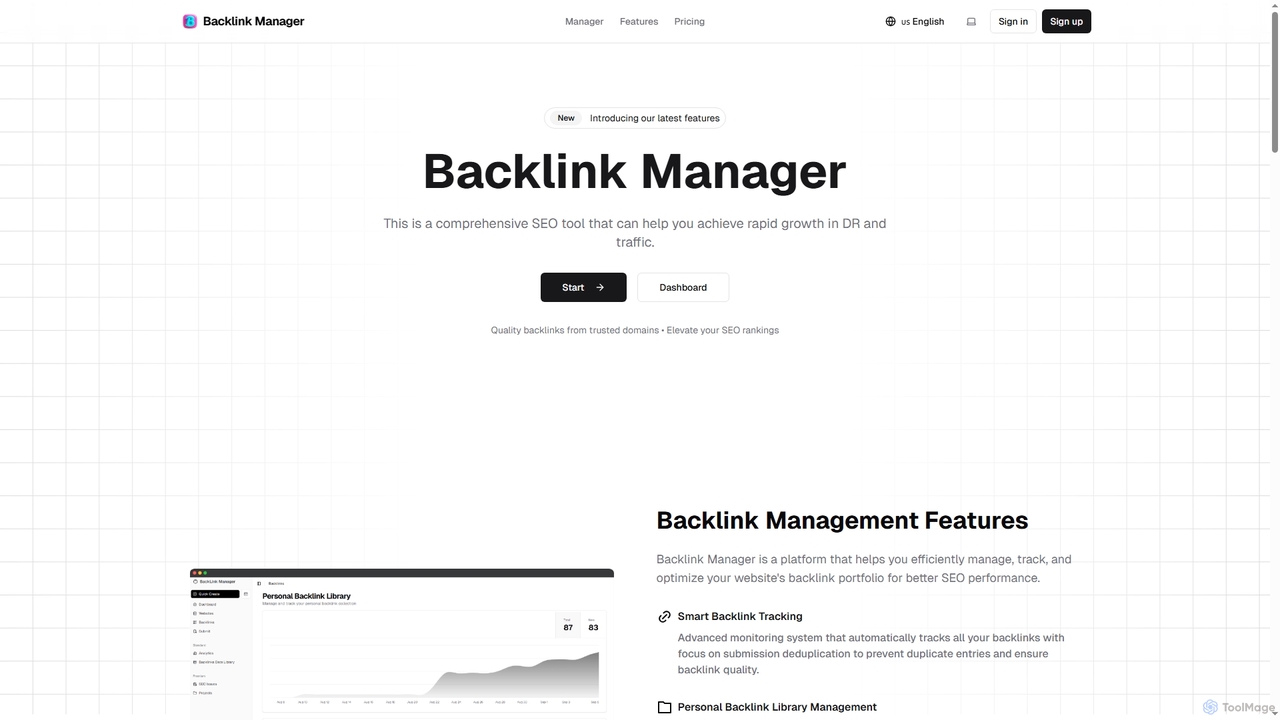
Backlink Manager is a comprehensive SEO tool designed to streamline the management, tracking, and optimization of your website's backlink portfolio. It helps businesses achieve rapid growth in Domain Rating (DR) and organic traffic through smart tracking, quality analysis, and efficient organization of link-building efforts.

Website Analytics
Visits 6.2KFavorites 134Likes 141
CyberStock
Freemium

CyberStock

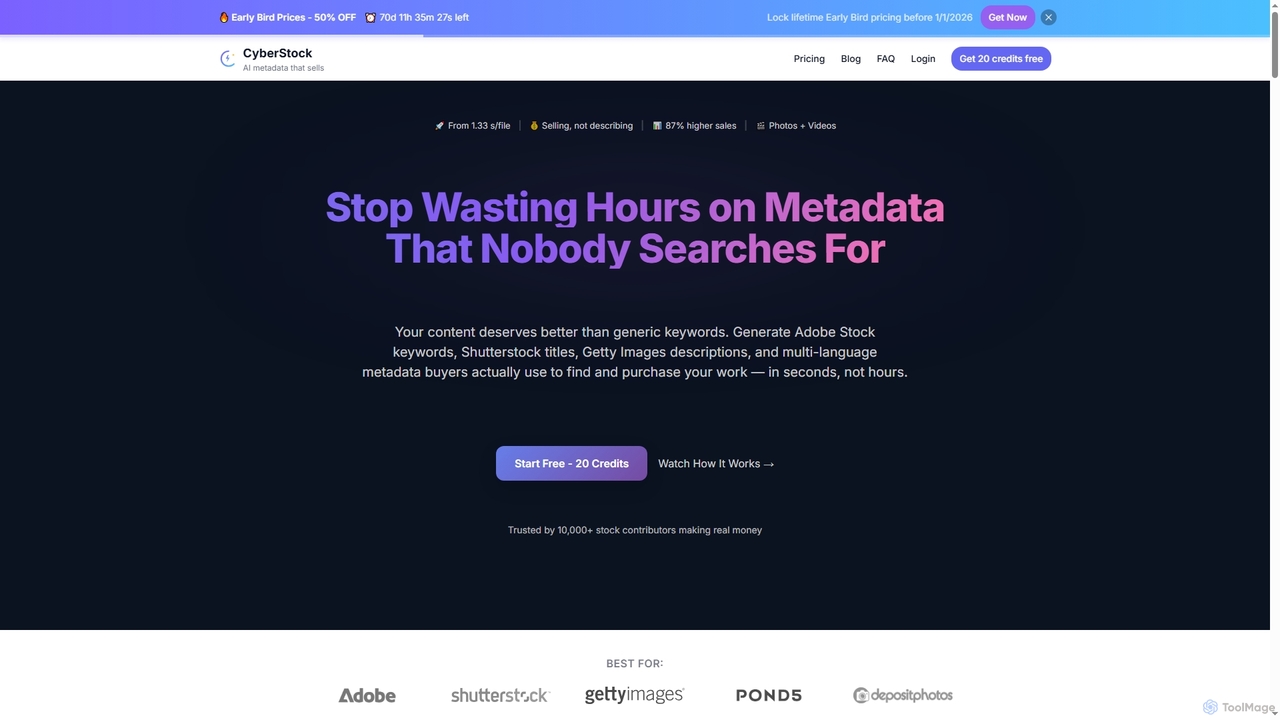
CyberStock is an AI-powered metadata generator designed for stock contributors, automating the creation of SEO-optimized keywords, titles, and descriptions for platforms like Adobe Stock, Shutterstock, and Getty Images. It processes photos and videos rapidly, leveraging market data to enhance content visibility and sales.

Stock Photography
Visits 7.1KFavorites 115Likes 124

About Seo Tools

AI SEO Tools are a specialized category of marketing software that utilize artificial intelligence and machine learning to automate and enhance search engine optimization processes. These tools analyze vast datasets to uncover patterns, predict trends, and provide actionable recommendations that go beyond traditional analytics. They empower users to optimize content, conduct in-depth keyword research, and monitor technical site health with greater speed and accuracy. This data-driven approach helps businesses improve their search engine rankings, attract more organic traffic, and gain a competitive edge.

Core Features

  • AI-Powered Content Optimization: Provides real-time suggestions on content structure, keyword usage, and semantic relevance to align with search intent.
  • Predictive Keyword Analysis: Forecasts keyword trends, estimates traffic potential, and identifies untapped ranking opportunities.
  • Automated Technical Audits: Continuously scans websites to detect and diagnose technical issues like crawl errors, broken links, and schema problems.
  • Intelligent Competitor Analysis: Uses AI to identify competitors' content strategies, backlink profiles, and keyword gaps.
  • Automated Reporting: Generates insightful performance reports with AI-driven commentary and prioritized action items.

Use Cases

AI SEO Tools are widely used by digital marketing agencies, in-house SEO teams, content marketers, and e-commerce businesses. They are essential for scaling SEO efforts, from creating data-informed content briefs for writers to automating the monitoring of large, complex websites. Small businesses also leverage these tools to compete with larger players by identifying niche opportunities and optimizing their online presence efficiently.

How to Choose

When selecting an AI SEO Tool, consider the specific functions you need—whether it's content creation, technical SEO, or an all-in-one platform. Evaluate the accuracy and reliability of its AI-driven insights and data sources. Assess its integration capabilities with other tools like Google Analytics, Google Search Console, and your CMS. Finally, compare pricing models and ensure the user interface is intuitive for your team's skill level.

Seo Tools use cases

1

Automated Content Brief Creation

A content manager for a B2B SaaS company needs to scale their blog production without sacrificing quality. Instead of spending hours manually researching each topic, they use an AI SEO tool. By inputting a target keyword like 'cloud security best practices,' the tool instantly analyzes the top 20 search results. It then generates a comprehensive content brief that includes:

  • Recommended word count and readability score.
  • A list of semantically related keywords and LSI terms.
  • Common questions users are asking (for an FAQ section).
  • An outline of competitor headings and content structures.
This automated process reduces research time by over 80%, ensuring every article is structured for SEO success from the start.

2

Scaling Technical SEO Audits for an Agency

An SEO agency manages over 50 client websites, making manual technical audits time-consuming and prone to error. By implementing an AI SEO tool, they can schedule automated, recurring crawls for all client sites. The AI engine identifies and categorizes issues by severity, such as 404 errors, slow page speed, duplicate content, and missing schema markup. The tool provides clear, actionable recommendations for each issue. This allows the agency's SEO specialists to move from tedious data collection to high-value strategic implementation, improving client results and freeing up dozens of hours per month.

3

Predictive Keyword Opportunity Analysis

An e-commerce manager for an online fashion retailer wants to get ahead of seasonal trends. Instead of relying solely on historical search volume data from traditional tools, they use an AI SEO platform. The platform's predictive analytics model analyzes social media trends, news articles, and emerging search patterns to forecast which keywords will gain popularity in the coming months. It identified a rising interest in 'sustainable linen clothing' three months before major competitors. This foresight allowed the manager to create targeted content, optimize product pages, and launch a marketing campaign early, capturing a significant share of the organic traffic as the trend peaked.

4

AI-Assisted Internal Linking Optimization

An in-house SEO specialist for a large content-heavy website, like a news portal or a recipe database, struggles with maintaining an optimal internal linking structure. An AI SEO tool can crawl the entire site and build a topical map. It then identifies 'orphan pages' (pages with no internal links pointing to them) and suggests relevant contextual linking opportunities. For example, it might recommend linking from a popular 'chicken soup recipe' article to a newer, less visible 'homemade chicken broth' guide. This AI-driven process helps distribute link equity more effectively, improves site navigation for users, and boosts the search visibility of important pages.

5

Intelligent Competitor Content Gap Analysis

A marketing strategist for a financial services company needs to identify new content topics to attract their target audience. They use an AI SEO tool to perform a content gap analysis. Instead of just comparing keyword lists, the AI analyzes the topical authority and semantic structure of competitor websites. It reveals that top competitors rank highly for a cluster of topics around 'retirement planning for freelancers,' an area their company has not covered. The tool provides a prioritized list of subtopics and questions to address. This insight allows the strategist to develop a new content pillar that directly targets a valuable, underserved audience segment, driving relevant organic traffic.

6

Automating SEO Performance Reporting

A digital marketing manager is responsible for reporting on SEO performance to stakeholders who may not be SEO experts. Using an AI SEO tool, they automate the entire reporting process. The tool integrates with Google Analytics and Search Console, pulling key metrics like organic traffic, keyword rankings, and conversion rates. The AI component adds value by generating natural language summaries of the data, highlighting key wins (e.g., 'We ranked on page one for 'best CRM software' this month, driving a 15% increase in demo requests') and identifying areas for improvement. This transforms a static data dump into a compelling, easy-to-understand narrative, saving the manager hours of manual report building each month.

Seo Tools FAQ

What are AI SEO Tools?

AI SEO Tools are advanced software applications that use artificial intelligence, machine learning (ML), and natural language processing (NLP) to streamline and enhance search engine optimization tasks. Unlike traditional tools that primarily provide raw data, AI SEO tools interpret this data to offer predictive insights, automate complex processes, and generate actionable recommendations. Key functions include automated content optimization, predictive keyword analysis, and intelligent technical site audits, helping users make smarter, faster decisions to improve their search rankings.

How do AI SEO Tools differ from traditional SEO platforms?

The primary difference lies in analysis and action. Traditional SEO platforms (like SEMrush or Ahrefs in their classic form) are excellent at data aggregation—they provide vast amounts of data on keywords, backlinks, and rankings. AI SEO Tools take this a step further. They don't just present data; they interpret it, find patterns, and provide strategic guidance. For example:

  • A traditional tool shows you a keyword's search volume. An AI tool might predict its future trend and suggest a content angle based on user intent analysis.
  • A traditional tool lists your backlinks. An AI tool might analyze their quality and suggest outreach targets based on relevance and authority.
  • A traditional tool flags a technical error. An AI tool might prioritize it based on its potential impact on traffic and provide step-by-step fix instructions.
In essence, AI tools shift the user's focus from manual data analysis to strategic decision-making.

What are the key features to look for in an AI SEO Tool?

When evaluating AI SEO tools, focus on features that provide genuine intelligence, not just data. Key features include:

  • Content Intelligence: Tools that analyze top-ranking content and provide real-time, actionable advice on how to improve your own, including keyword suggestions, structure, and readability.
  • Predictive Analytics: The ability to forecast keyword trends, traffic potential, or even ranking changes, allowing for proactive strategy adjustments.
  • Automated Technical Auditing: A feature that continuously monitors your site for technical issues and prioritizes them based on SEO impact.
  • User Intent Analysis: AI that can decipher the 'why' behind a search query, helping you create content that truly satisfies user needs.
  • Smart Automation: Capabilities that automate repetitive tasks like internal linking suggestions, report generation, or content brief creation.
Look for a tool that aligns with your primary SEO needs, whether they are content-focused, technical, or all-encompassing.

Who can benefit most from using AI SEO Tools?

While almost anyone involved in digital marketing can benefit, certain roles see a particularly high return on investment:

  • SEO Agencies: To scale operations, automate client reporting, and deliver more strategic insights efficiently.
  • In-House SEO Teams: To manage large, complex websites, automate routine tasks, and focus on high-impact strategic initiatives.
  • Content Marketers: To create data-driven content briefs, optimize articles for search intent, and identify new content opportunities faster.
  • E-commerce Businesses: To optimize thousands of product pages at scale, identify emerging product trends, and analyze competitor strategies.
  • Small Business Owners: To compete with larger companies by leveraging AI to find niche opportunities and optimize their web presence with limited resources.

How do I choose the right AI SEO Tool for my needs?

Choosing the right tool involves a strategic approach. First, clearly define your primary goal. Are you focused on content creation, technical SEO, link building, or do you need an all-in-one solution? Next, consider these factors:

  • Functionality vs. Need: Don't pay for features you won't use. Match the tool's core strengths to your main challenges.
  • Data Accuracy: Inquire about their data sources. Do they use clickstream data, their own crawlers, or integrate directly with APIs like Google Search Console?
  • Integration: Ensure the tool can connect with your existing marketing stack (e.g., CMS, Google Analytics, project management software) for a seamless workflow.
  • User Experience (UX): The most powerful tool is useless if it's too complex. Look for an intuitive interface and good customer support. A free trial or demo is highly recommended.
  • Pricing and Scalability: Understand the pricing model (per user, per project, by data volume) and ensure it can grow with your business.