Marketing Best in category 5 results Social Media Tools AI Tool

Popular AI tools in the Social Media Tools field of Marketing include iMini、PixExtender、BoringOne、MangooFX、ViralWriteAI, etc., helping you quickly improve efficiency.

BoringOne

BoringOne

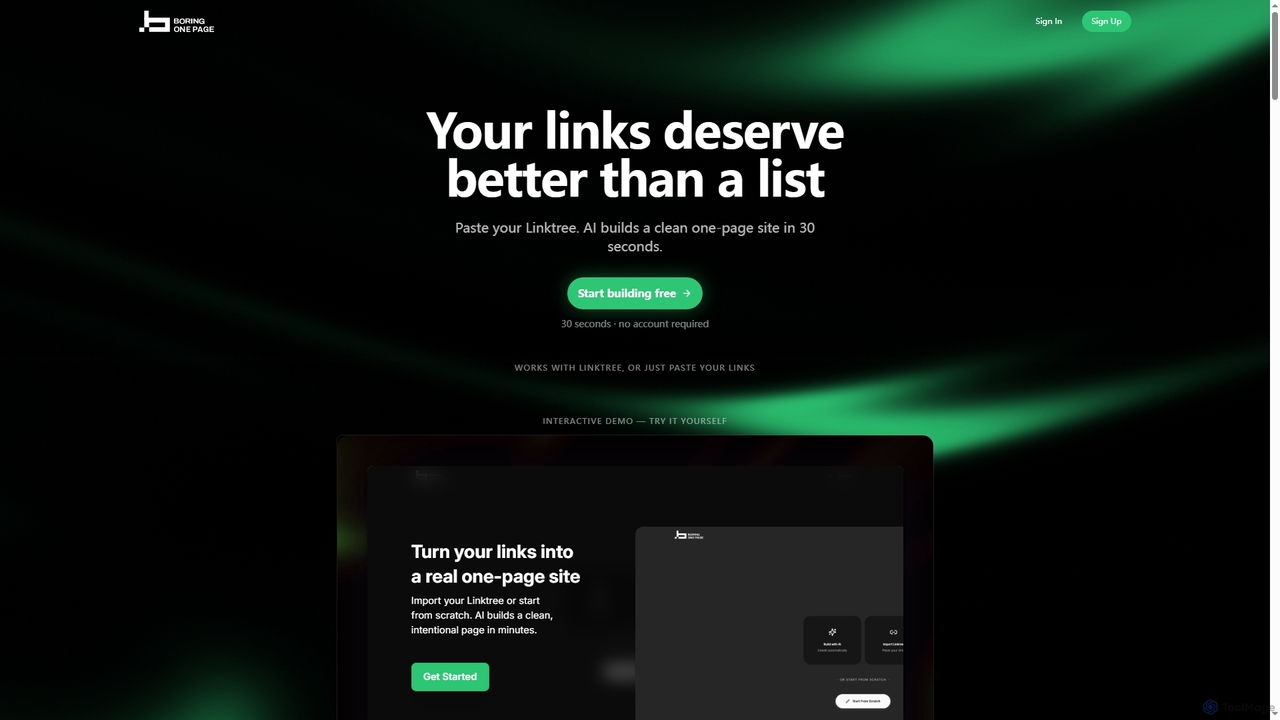
BoringOne is an AI-powered platform that transforms a collection of links, including Linktree URLs, into a clean, professional, …

7.0K
ViralWriteAI

ViralWriteAI

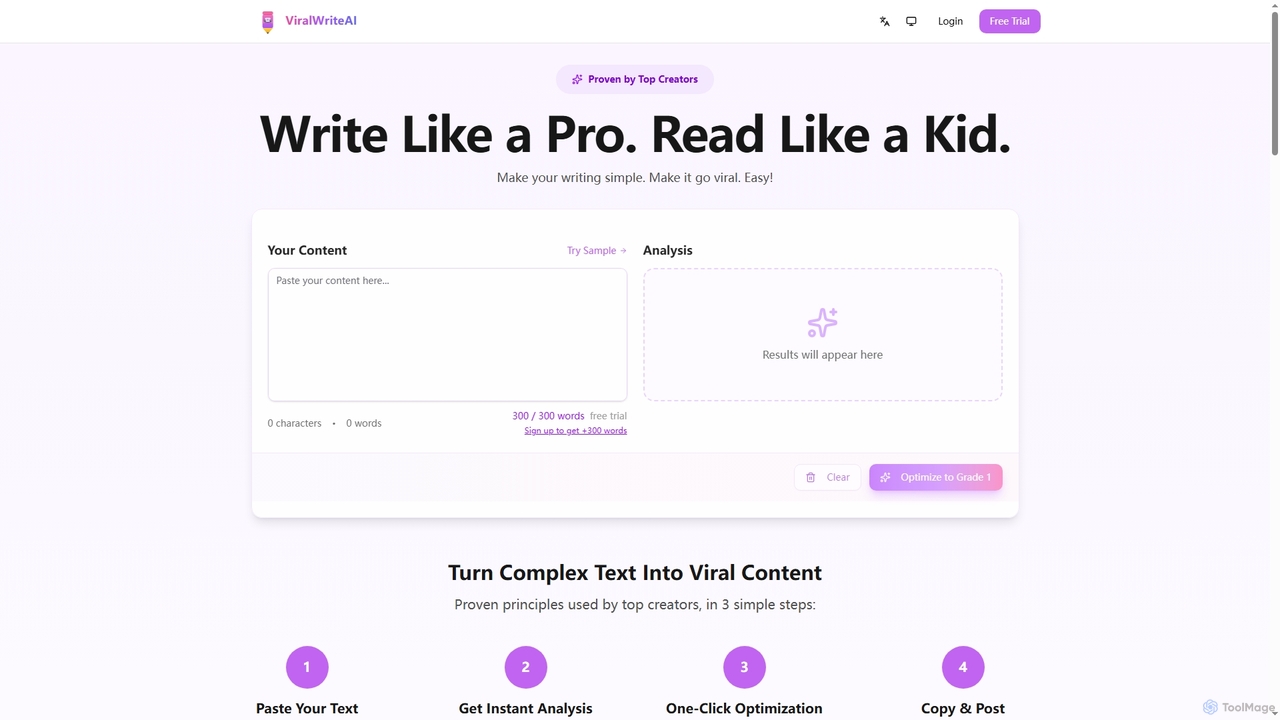
ViralWriteAI is an AI-powered content optimization tool designed to transform complex text into clear, engaging, and viral-ready content …

3.2K
MangooFX

MangooFX

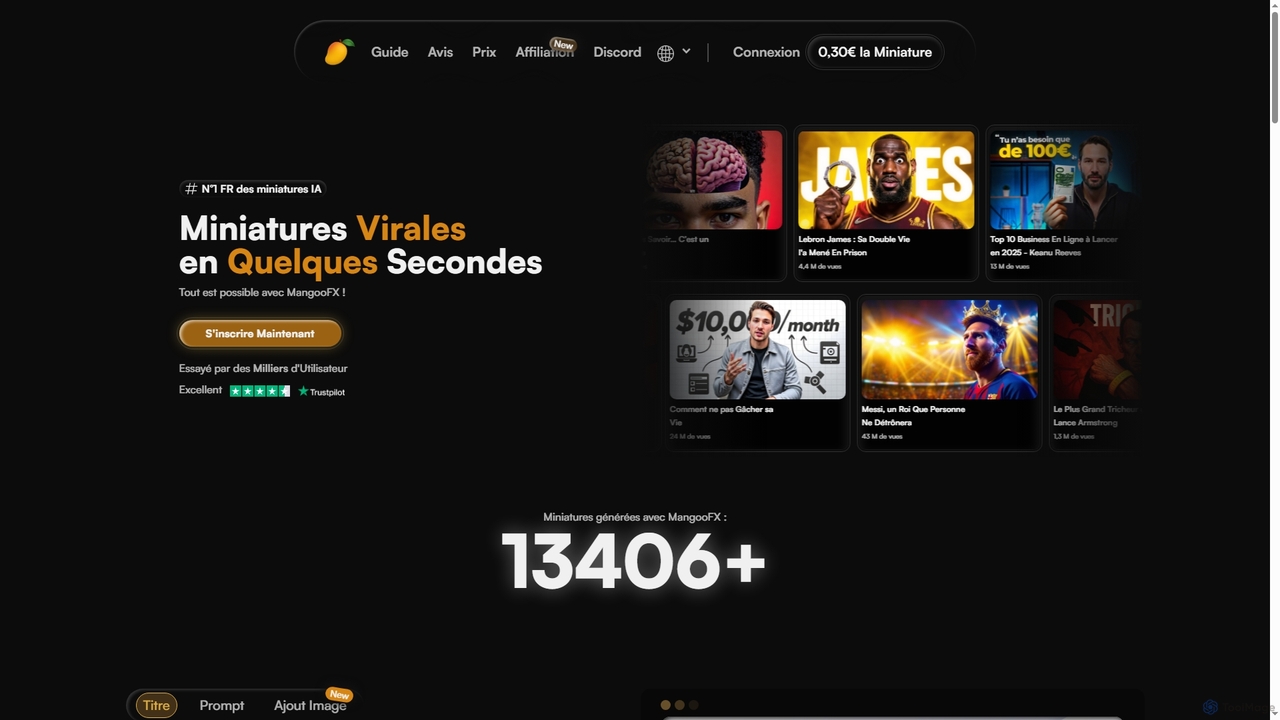
MangooFX is an AI-powered platform specifically designed to create viral YouTube thumbnails in seconds. It allows users to …

5.2K
PixExtender

PixExtender

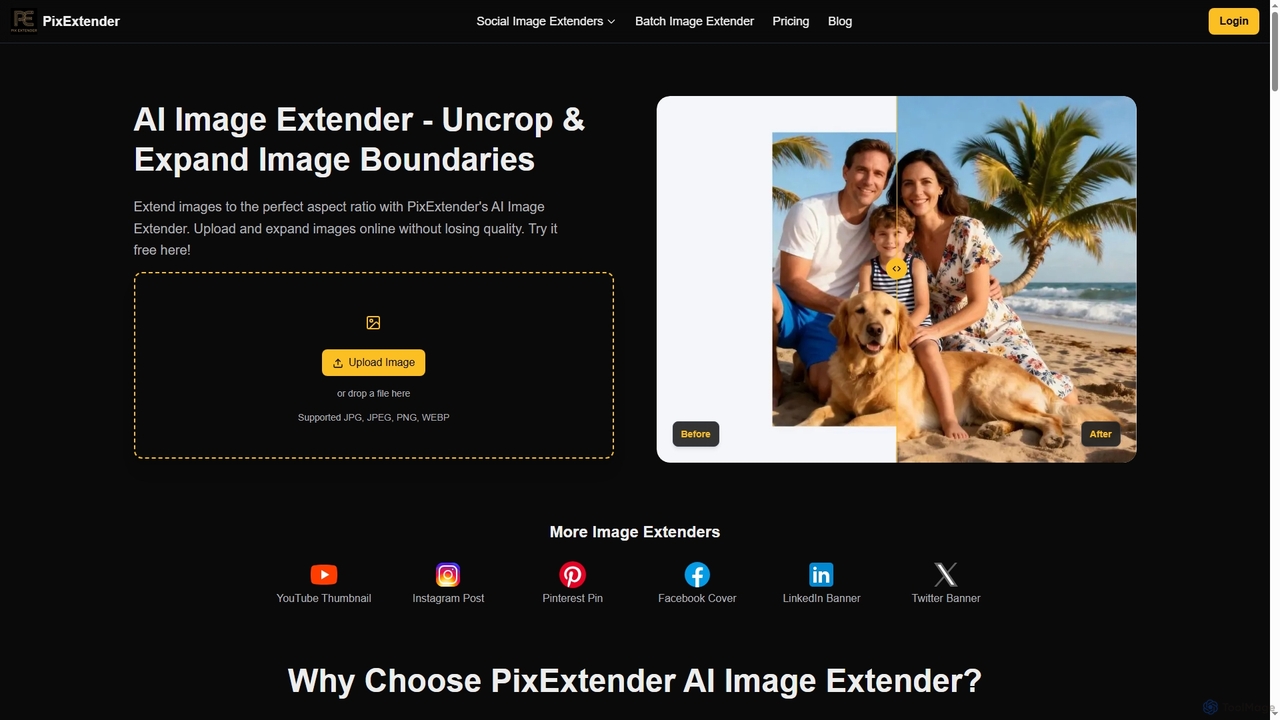
PixExtender is an AI-powered image extender that uses context-aware outpainting to seamlessly expand image boundaries and uncrop photos. …

53.0K
iMini

iMini

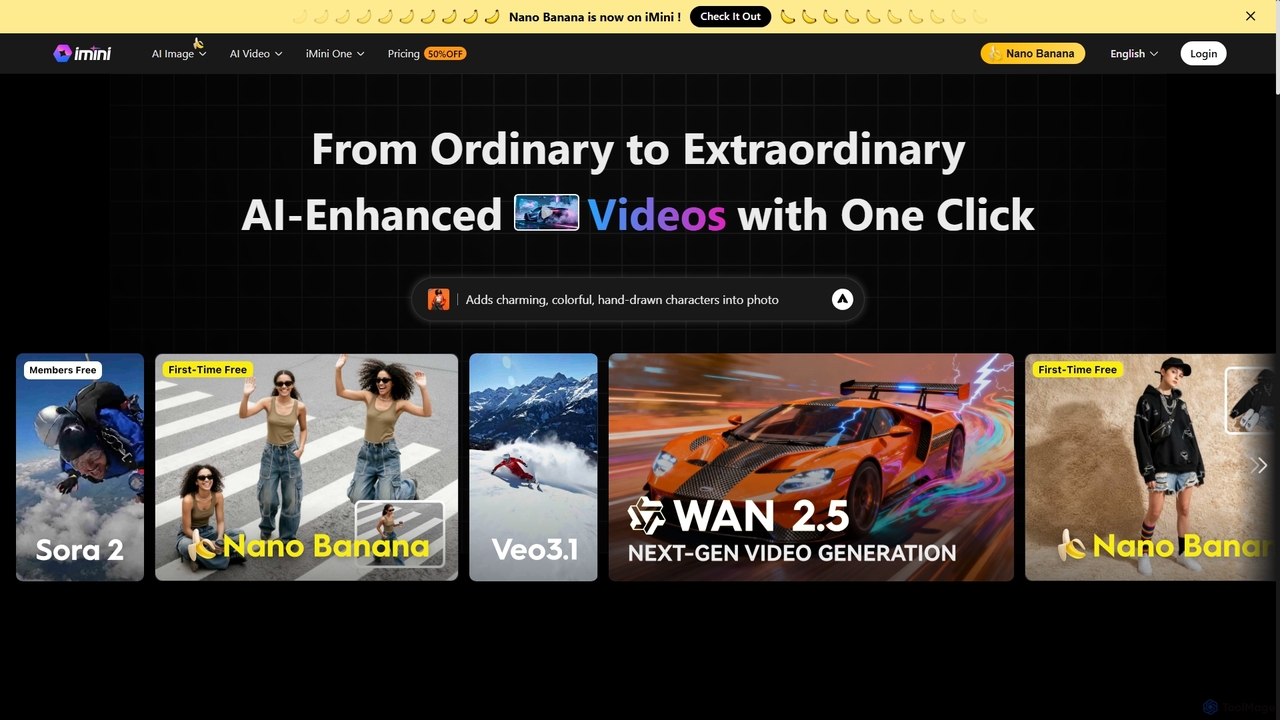
iMini is an all-in-one AI assistant and creation platform that integrates various AI agents for image generation, video …

112.4K

About Social Media Tools

AI Social Media Tools are a specialized category of marketing software that leverages artificial intelligence to automate, analyze, and optimize social media management. These tools utilize natural language processing (NLP) and machine learning to generate engaging content, predict optimal posting times, and provide deep audience insights. They empower marketers to scale their content strategy, improve engagement rates, and measure the true impact of their social media efforts with data-driven precision. Unlike traditional schedulers, these AI platforms can proactively suggest content ideas and adapt strategies based on real-time trends.

Core Features

  • AI Content Generation: Automatically creates captions, posts, and hashtags tailored to your brand voice and target audience.
  • Predictive Scheduling: Analyzes past performance to identify and recommend the optimal times to post for maximum reach and engagement.
  • Social Listening & Sentiment Analysis: Monitors brand mentions and conversations, automatically assessing public sentiment (positive, neutral, negative).
  • Performance Analytics & Insights: Generates automated reports that go beyond basic metrics to provide actionable recommendations for improvement.
  • Audience Segmentation: Uses AI to identify and group followers based on behavior and interests for more effective targeting.

Use Cases

These tools are widely used by social media managers, digital marketing agencies, e-commerce brands, and content creators. For instance, a B2C company can use them to maintain a consistent posting schedule across multiple platforms, while an agency can manage dozens of client accounts efficiently, using AI to generate unique content for each.

How to Choose

When selecting an AI Social Media Tool, consider the specific platforms it supports (e.g., Instagram, TikTok, LinkedIn). Evaluate the quality and versatility of its AI content generator. Assess the depth of its analytics and reporting capabilities, and check for integrations with other marketing tools like CRMs or design software. Finally, compare pricing models to find one that aligns with your usage volume and team size.

Social Media ToolsUse Cases

1

Automate Content Calendar Creation

A social media manager for a direct-to-consumer fashion brand is tasked with creating a full month of engaging content. Instead of manual brainstorming, they use an AI tool to generate post ideas, compelling captions, and relevant hashtags based on current fashion trends, brand voice, and historical performance data. The tool produces a complete, optimized content calendar in hours instead of days, freeing up the manager to focus on community engagement and strategic planning.

2

Optimize Ad Campaign Targeting

A digital marketing agency is launching a new campaign for a tech gadget. They use an AI social media tool to analyze audience engagement data from previous organic posts. The AI identifies a high-potential "lookalike" audience segment that shows strong interest in similar products but hasn't been targeted before. By focusing ad spend on this AI-identified segment, the agency achieves a 25% higher click-through rate and a lower cost-per-acquisition compared to previous campaigns.

3

Real-time Brand Reputation Monitoring

The public relations team for a global airline needs to monitor online conversations 24/7. They employ an AI social listening tool that continuously scans social media for brand mentions. The system automatically categorizes mentions by sentiment. When a sudden spike in negative comments is detected regarding a flight delay, the tool instantly alerts the PR team with a summary, allowing them to issue a public response swiftly and mitigate reputational damage.

4

Generate Multi-Platform Content Variations

A solo entrepreneur running an online coaching business needs to be active on LinkedIn, Instagram, and Twitter but lacks the time to create unique content for each. They input a core business tip into an AI tool. The tool then generates three distinct content variations: a professional, detailed post for LinkedIn; a visually-driven, motivational caption for an Instagram post; and a concise, punchy tweet. This allows them to maintain a tailored presence on all platforms with minimal effort.

5

Discover Actionable Performance Insights

A marketing analyst for an e-commerce store needs to present a weekly social media performance report to leadership. An AI tool automates this process by not only pulling key metrics like reach and engagement but also providing written insights. The report highlights that "posts featuring user-generated content on Friday afternoons receive 40% more shares" and suggests reallocating the content budget accordingly. This transforms raw data into a clear, strategic recommendation.

6

Analyze Competitor Social Media Strategies

The marketing lead at a SaaS startup wants to understand how established competitors are succeeding on social media. They use an AI tool to track the social profiles of their top three rivals. The tool analyzes the competitors' posting frequency, content formats (video vs. image vs. text), and highest-engaging posts. It generates a competitive analysis report, revealing that a competitor's success is driven by short-form video tutorials, providing a clear direction for the startup's own content strategy.

Social Media ToolsFrequently Asked Questions