Marketing Best in category 3 results Translation AI Tool

Popular AI tools in the Translation field of Marketing include Automagical Apps、Translate.Photo、Locales.ai, etc., helping you quickly improve efficiency.

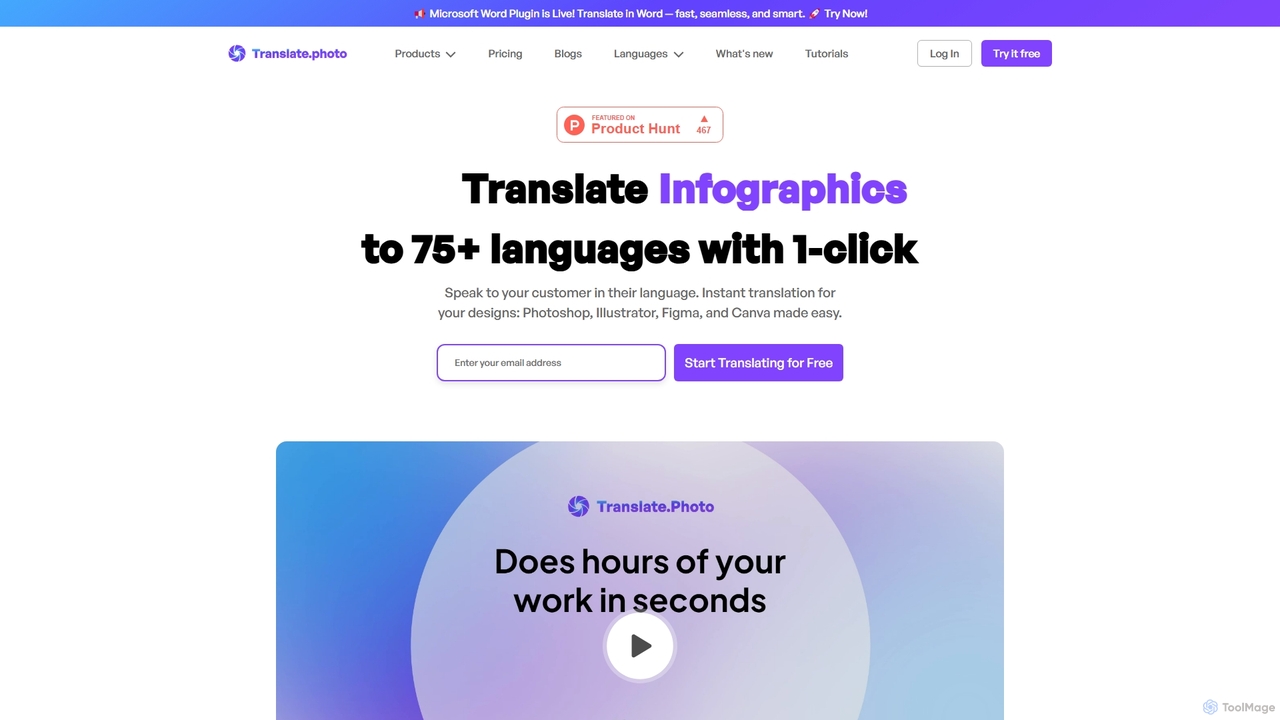
Translate.Photo

Translate.Photo

Translate.Photo is an AI-powered tool that translates text within images and design files into over 75 languages with …

6.1K
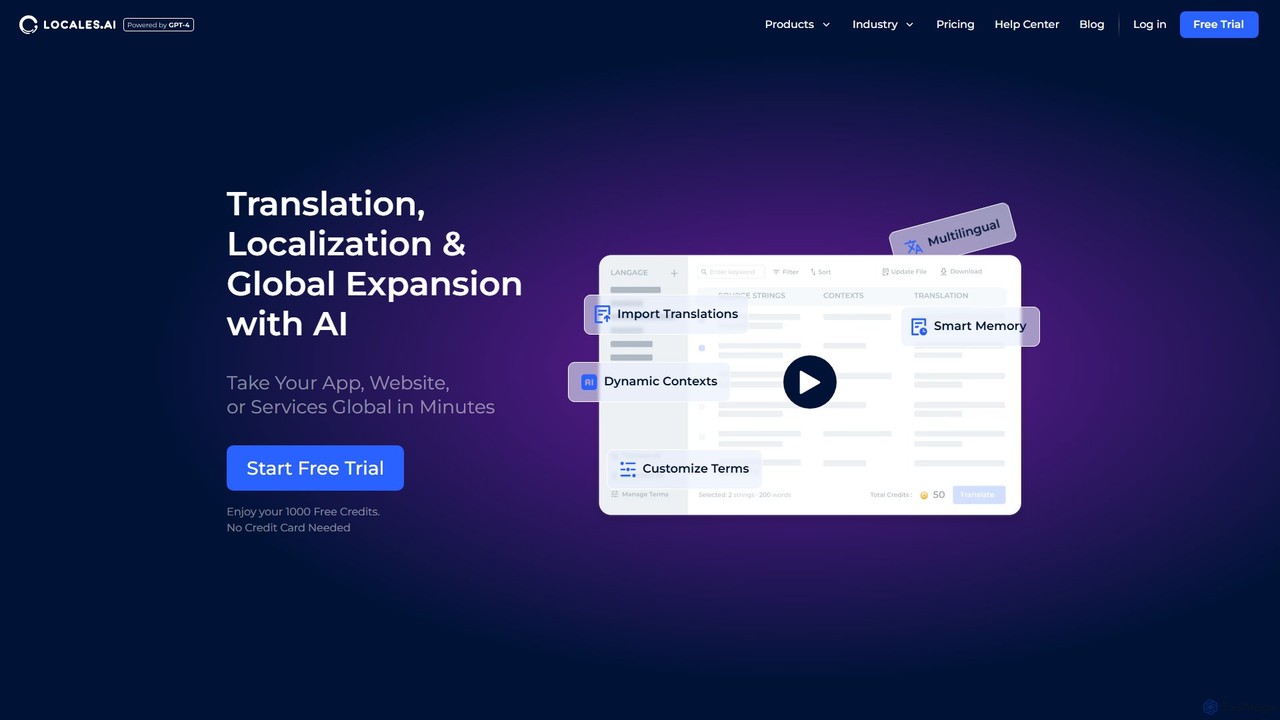
Locales.ai

Locales.ai

Locales.ai is an AI-driven localization platform that enables fast, accurate, and cost-effective translation of websites, apps, and services …

4.4K
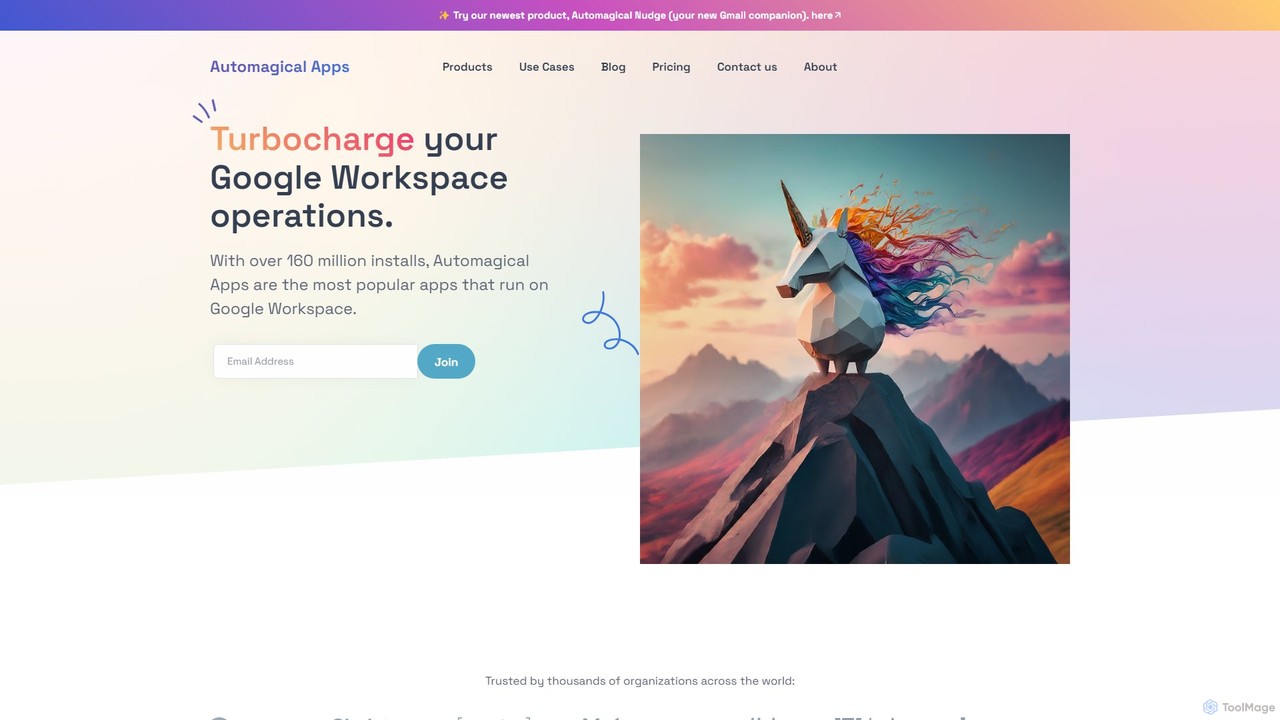
Automagical Apps

Automagical Apps

A suite of AI-powered productivity and automation tools designed to enhance Google Workspace. Automate email workflows, translate documents …

19.6K

About Translation

AI Translation tools are specialized software leveraging artificial intelligence to convert text or speech from one language to another. These tools utilize advanced neural machine translation (NMT) models to understand context and generate more natural, fluent translations than traditional methods. For marketing, they enable businesses to efficiently localize content, expand global reach, and communicate effectively with diverse audiences. Their ability to process large volumes of text quickly makes them invaluable for international marketing strategies.

Core Features

  • Neural Machine Translation (NMT): Employs deep learning to produce highly contextual and fluent translations, mimicking human-like quality.
  • Glossary & Terminology Management: Allows users to upload custom glossaries and style guides, ensuring consistent brand voice and specific terminology across all translated content.
  • Tone & Style Adaptation: Some advanced tools can adjust translation output to match desired tone (e.g., formal, casual, marketing-oriented) and specific stylistic requirements.
  • Batch Processing & API Integration: Facilitates the translation of large documents or entire websites, and integrates seamlessly with existing content management systems or marketing platforms.

Applicable Scenarios

Marketing teams use AI translation to localize global campaigns, adapting ad copy, social media posts, and email newsletters for specific regional markets. This ensures cultural relevance and resonance with local consumers. E-commerce businesses leverage these tools to translate product descriptions, customer reviews, and website content, making their online stores accessible and appealing to international buyers. Content creators and agencies utilize AI translation for quickly converting blog posts, articles, and video subtitles into multiple languages, significantly expanding their audience reach without extensive manual effort.

How to Choose

Consider the accuracy and fluency for your target language pairs, especially for nuanced marketing messages. Test with sample content. Evaluate customization options like glossary support and style guides to maintain brand consistency. Check for integration capabilities with your existing marketing automation, CMS, or e-commerce platforms. Assess the scalability and cost-effectiveness for your translation volume and budget, including per-word rates or subscription models.

TranslationUse Cases

1

Localizing Global Marketing Campaigns

A global marketing manager needs to launch a new product campaign across 10 different countries. Instead of hiring individual translators for each market, they use an AI translation tool to quickly translate core campaign messages, ad creatives, and landing page copy. The tool's ability to adapt tone and incorporate marketing-specific terminology ensures the localized content resonates culturally, significantly reducing time-to-market and translation costs.

2

Translating E-commerce Product Descriptions

An online retailer with thousands of products aims to expand into new international markets. Manually translating each product description, feature list, and customer review is impractical. They employ AI translation to rapidly convert all product-related text into target languages, making their entire catalog accessible to a wider global customer base and boosting international sales potential.

3

Multilingual Website Content Adaptation

A company wants to offer its corporate website in five languages to better serve international clients and improve SEO in various regions. Web content managers use AI translation tools integrated with their CMS to automatically translate blog posts, service pages, and FAQs. This ensures consistent, up-to-date multilingual content, enhancing user experience and global brand presence.

4

Adapting Social Media Content for International Audiences

A brand's social media team needs to engage with followers in different countries. They use AI translation to quickly translate and adapt social media posts, captions, and hashtags into multiple languages. This allows for real-time interaction and culturally appropriate messaging across various platforms, fostering stronger international community engagement.

5

Translating Customer Support Knowledge Bases

To provide consistent support globally, a customer service department translates its extensive knowledge base and FAQ articles. AI translation tools enable them to rapidly convert these resources into numerous languages, empowering international customers to find answers independently and reducing the workload on multilingual support agents.

6

Localizing Video Subtitles and Transcripts

A content creator produces educational videos for a global audience. They use AI translation to generate accurate subtitles and transcripts in multiple languages from their original video content. This expands the reach of their videos, making them accessible to non-native speakers and improving engagement on platforms like YouTube.

TranslationFrequently Asked Questions