Remo
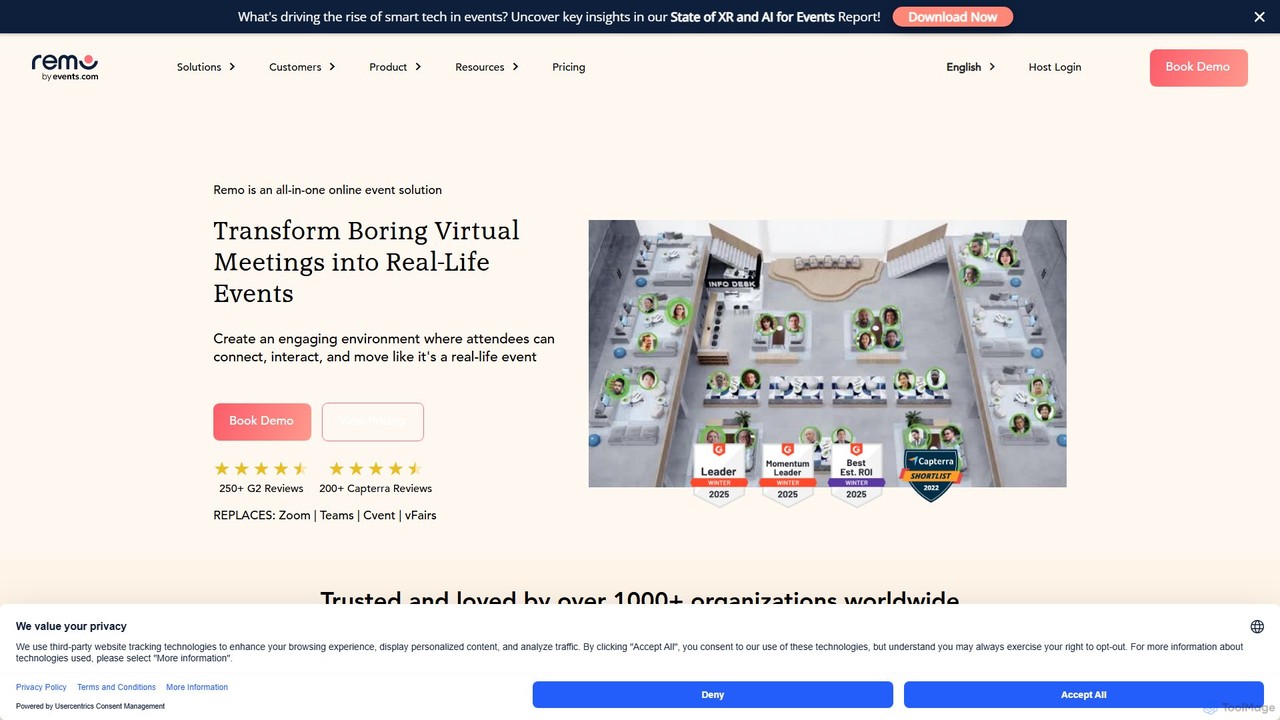
Remo is an all-in-one virtual event platform designed to create immersive and engaging online experiences. It replaces traditional …
Remo is an all-in-one virtual event platform designed to create immersive and engaging online experiences. It replaces traditional video meetings with interactive 3D floor plans where attendees can network freely at virtual tables. Ideal for conferences, webinars, and trade shows, Remo boosts engagement and fosters genuine connections, making virtual events feel as dynamic as in-person gatherings.
experiencewelcome
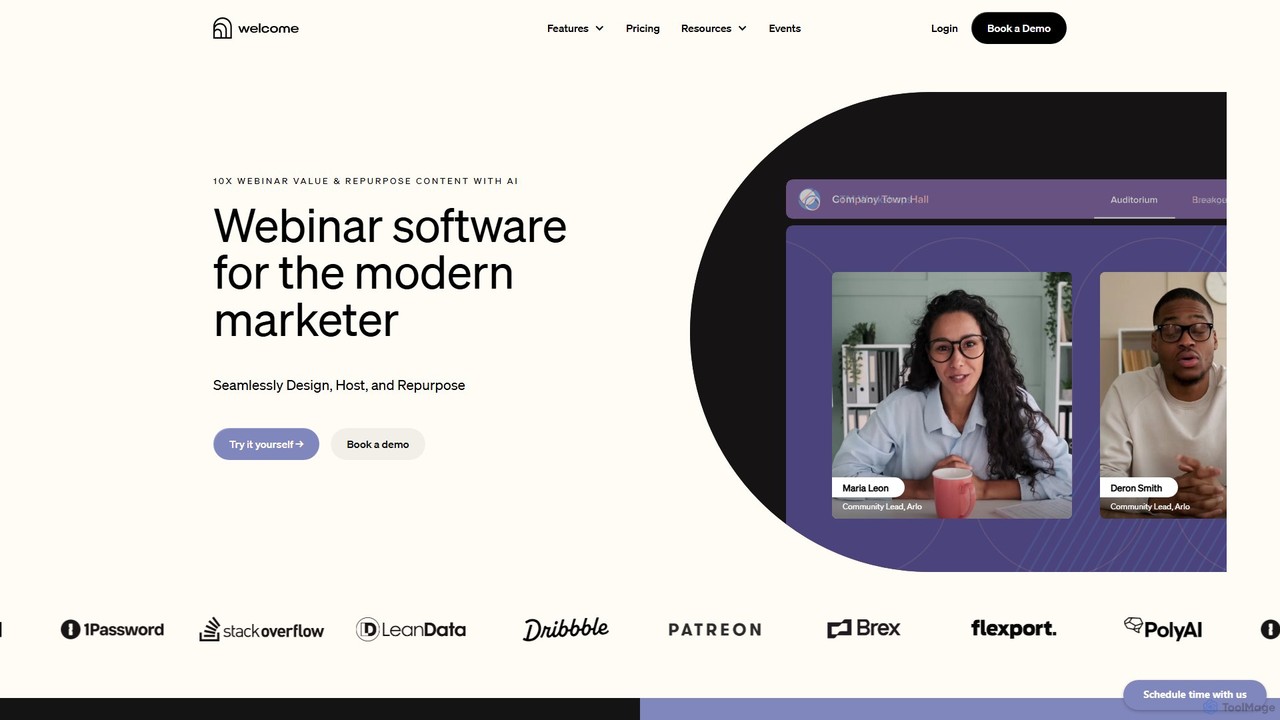
An AI-powered webinar platform for marketers. It helps create beautifully branded virtual events and automatically repurposes long-form webinar …
An AI-powered webinar platform for marketers. It helps create beautifully branded virtual events and automatically repurposes long-form webinar content into short, shareable video clips. It focuses on maximizing engagement, streamlining workflows through CRM integrations, and scaling content creation to increase ROI.
getcontrast
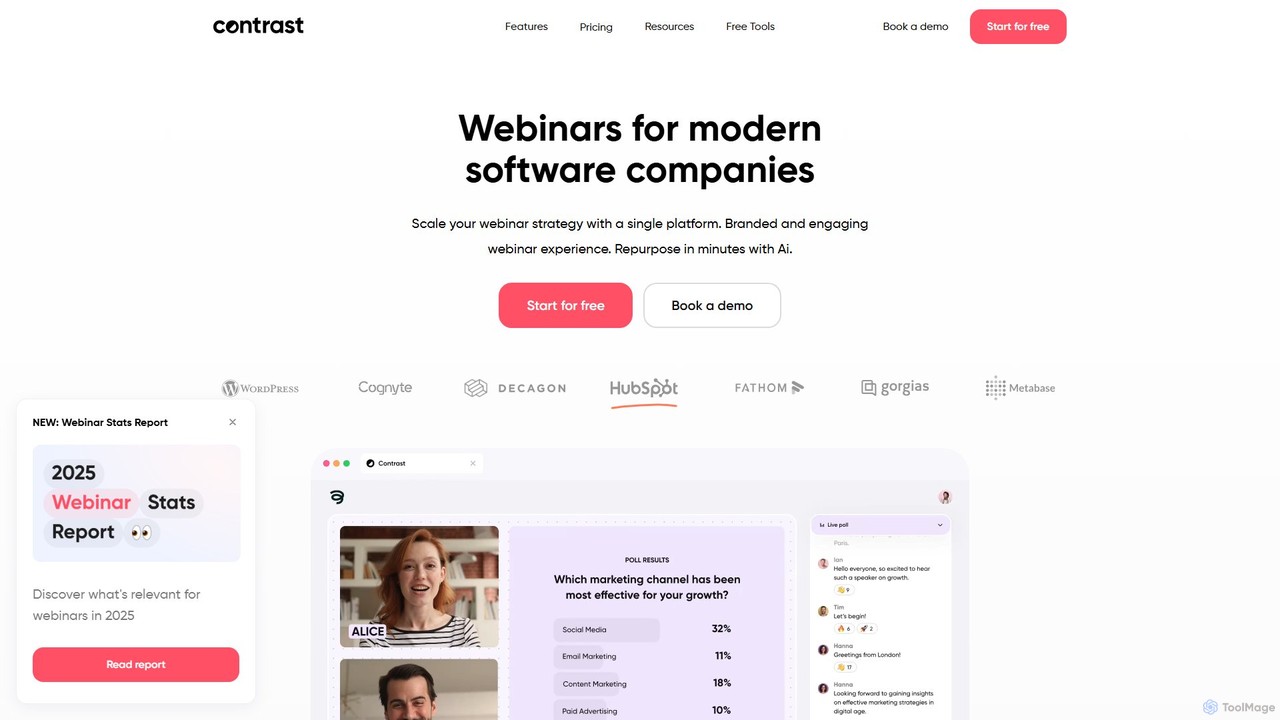
A modern webinar platform for software companies, using AI to repurpose content. Create branded, engaging live and pre-recorded …
A modern webinar platform for software companies, using AI to repurpose content. Create branded, engaging live and pre-recorded webinars, analyze detailed metrics, and seamlessly integrate with tools like HubSpot to scale your marketing and content strategy.
About Webinar
AI Webinar tools are a class of software that leverages artificial intelligence to automate and enhance the entire lifecycle of online seminars. These tools use technologies like NLP and machine learning to handle tasks from content creation and promotion to real-time engagement analysis and post-event follow-up. This enables marketers and educators to create more engaging presentations, gain deeper audience insights, and significantly reduce manual workload. Unlike traditional platforms, they offer predictive analytics for attendance and intelligent automation for generating summaries and highlight reels.
Core Features
- Automated Content Generation: Creates presentation slides, talking points, or promotional copy from a simple prompt.
- Intelligent Engagement Tools: Provides real-time sentiment analysis, AI-moderated Q&A, and automated polling.
- Post-Webinar Analysis & Summarization: Automatically generates transcripts, summaries, key takeaways, and video highlight clips.
- Predictive Analytics: Forecasts registration and attendance rates based on historical data and promotional efforts.
- Automated Follow-ups: Creates and sends personalized follow-up sequences based on attendee engagement levels.
Use Cases
AI Webinar tools are primarily used by marketing teams within larger organizations for lead generation, sales departments for scalable product demonstrations, and corporate trainers for employee onboarding. They are also valuable for content creators and educators who want to repurpose their live content efficiently and gain a deeper understanding of audience interaction.
How to Choose
When selecting an AI Webinar tool, first assess its integration capabilities with your existing CRM and marketing automation platforms. Evaluate the scope of automation across pre-webinar, live, and post-webinar stages. Scrutinize the depth of its analytics, including engagement scoring and sentiment analysis. Finally, consider the quality of its content repurposing features, as this is a key value driver for these tools.
WebinarUse Cases
Automating Lead Generation Webinar Campaigns
A B2B marketing manager needs to run a weekly webinar series to generate qualified leads but has limited time. They use an AI tool to generate presentation outlines, write promotional emails, and create social media posts. After the event, the tool automatically sends a summary and recording link to attendees, and a different follow-up to no-shows. It also identifies the most engaged attendees as hot leads for the sales team, integrating this data directly into their CRM. This process reduces campaign setup time by over 70% and increases the lead qualification rate.
Repurposing Webinar Content for Multi-Channel Marketing
A content marketer has a 60-minute webinar recording filled with valuable information. To maximize its value, they upload the recording to an AI tool. The tool automatically generates a full transcript, a concise blog post summary, several key takeaway quotes formatted for social media, and three short video clips highlighting the most impactful moments. This allows the marketer to create over ten pieces of derivative content from a single event in under an hour, significantly extending the reach and ROI of the original webinar across various marketing channels.
Enhancing Live Product Demonstration Engagement
A sales engineer delivers live product demos to potential clients and needs to keep them engaged while answering questions effectively. An AI tool provides real-time talking points based on the presentation flow. An AI moderator categorizes incoming questions, prioritizes them, and even suggests answers for common queries. The tool also analyzes audience sentiment in real-time, allowing the presenter to adjust their tone or focus. This results in a more interactive and personalized demo, improving audience engagement scores and shortening the sales cycle by providing instant, relevant answers.
Scaling Corporate Training and Onboarding
An HR training specialist needs to onboard new hires across different time zones efficiently. They use an AI tool to create an on-demand, interactive webinar from existing training documents. An AI-powered virtual host guides new hires through the material and answers their questions via a chatbot, available 24/7. The system automatically tracks completion rates and quiz scores, providing reports to the HR team. This approach ensures a consistent onboarding experience for all employees and saves hundreds of hours of repetitive live training sessions per year.
Predicting Webinar Success and Optimizing Promotion
A digital marketing analyst is responsible for maximizing attendance for high-stakes webinars. They use an AI tool's predictive analytics feature. By inputting data on the topic, speaker, target audience, and promotional channels, the tool forecasts registration and attendance numbers. This allows the analyst to adjust the promotion strategy in real-time, such as increasing ad spend on underperforming channels or refining email copy. This data-driven approach helps increase the average attendance rate by making informed decisions on promotional spending before the event.
Generating Post-Webinar Insight Reports
After a webinar, a marketing team needs to understand audience engagement and identify key moments. Instead of manually reviewing the entire recording, they use an AI tool. The tool processes the recording and generates a comprehensive report that includes an engagement score timeline, highlighting parts where the audience was most and least attentive. It also identifies the most frequently asked questions and provides a sentiment analysis of the chat. This allows the team to quickly assess the webinar's performance, gather feedback for future topics, and provide the sales team with a list of highly engaged leads.