Mental Health Best in category 2 results Wellness AI Tool

Popular AI tools in the Wellness field of Mental Health include Murmur、Plushie Therapy, etc., helping you quickly improve efficiency.

Murmur

Murmur

Murmur is an AI-powered phone anxiety practice application designed to help users overcome the fear of phone conversations …

29.1K
Plushie Therapy

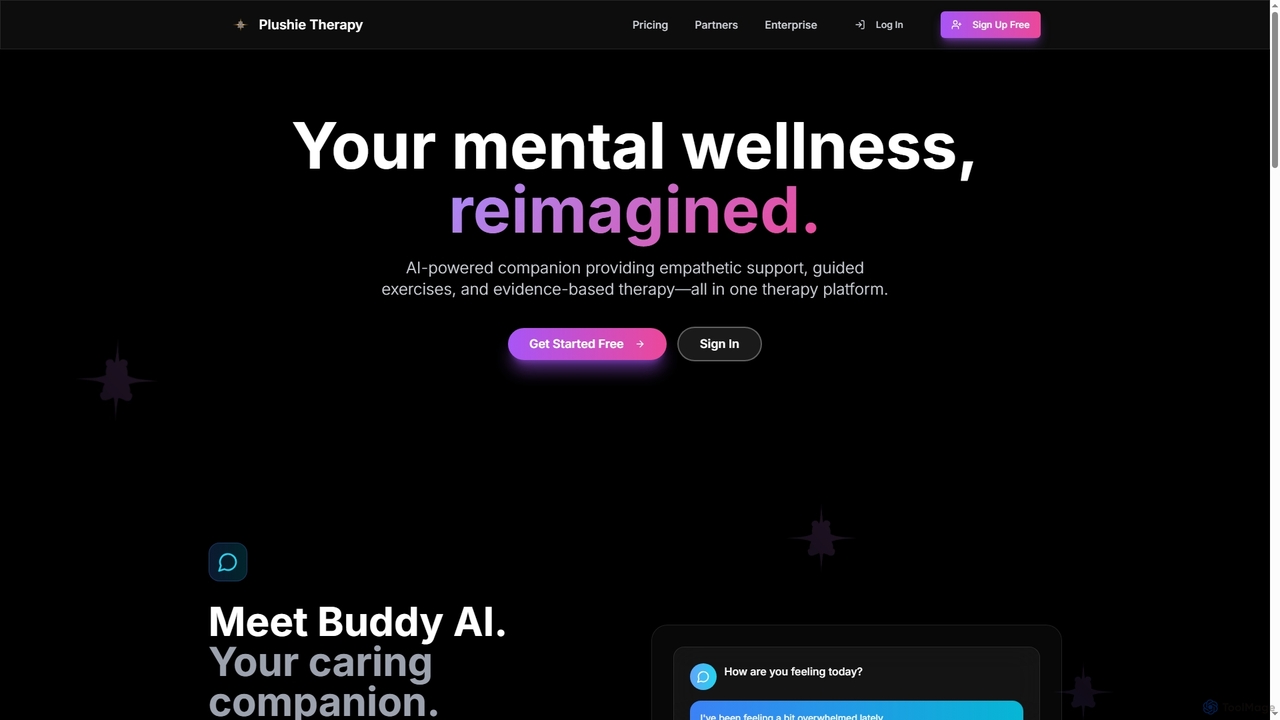
Plushie Therapy

Plushie Therapy is an AI-powered mental wellness platform offering 24/7 empathetic support, guided exercises, and evidence-based therapeutic resources. …

4.0K

About Wellness

Wellness AI tools are a specialized category within mental health support, leveraging artificial intelligence to promote holistic well-being. These tools utilize advanced algorithms to analyze user data, provide personalized insights, and offer proactive interventions for improving physical, mental, and emotional health. They aim to empower individuals to manage stress, enhance sleep quality, cultivate mindfulness, and build healthier habits, contributing to a balanced and resilient lifestyle.

Core Features

  • Personalized Guidance: Offers tailored recommendations for meditation, exercise, nutrition, and stress reduction based on individual needs and goals.
  • Mood & Habit Tracking: Enables users to log emotional states, daily activities, and habits, providing insights into patterns and triggers.
  • Sleep Optimization: Analyzes sleep patterns using integrated sensors or manual input, offering personalized advice and guided programs for better rest.
  • Mindfulness & Meditation: Provides guided meditation sessions, breathing exercises, and mindfulness practices to reduce anxiety and improve focus.
  • Stress Management: Delivers techniques and resources, such as cognitive behavioral therapy (CBT) exercises or biofeedback, to help users cope with stress.

Use Cases

Individuals seeking to proactively manage their well-being can use these tools for daily mood checks, guided meditation, and personalized fitness plans. Corporate wellness programs can integrate AI wellness platforms to support employee mental resilience and stress reduction. Healthcare providers might recommend these tools as supplementary resources for patients managing chronic stress or sleep disorders, offering accessible, continuous support outside clinical settings.

How to Choose

When selecting an AI Wellness tool, consider its personalization capabilities, ensuring it adapts to your unique needs and progress. Evaluate data privacy policies, as sensitive personal health information is often involved. Look for evidence-based approaches or scientific backing for its methods. Assess integration with other health devices (e.g., smartwatches) for comprehensive data collection, and check the user interface for ease of use and engagement to ensure consistent adoption.

WellnessUse Cases

1

Personalized Daily Mindfulness Practice

An individual struggling with daily stress uses an AI wellness app to receive customized mindfulness exercises. The AI analyzes their reported mood and stress levels, suggesting short guided meditations or breathing techniques tailored to their current state, helping them integrate regular moments of calm into their busy schedule and improve emotional regulation.

2

Optimizing Sleep Quality for Better Rest

Someone experiencing inconsistent sleep patterns utilizes an AI wellness tool that integrates with a wearable device. The AI tracks sleep stages, duration, and disturbances, then provides personalized recommendations such as adjusting bedtime routines, suggesting calming evening meditations, or offering environmental tips to improve sleep hygiene, leading to more restorative rest.

3

Proactive Stress Management in the Workplace

A corporate employee facing high-pressure deadlines uses an AI wellness platform provided by their company. The tool offers quick stress-reduction exercises, biofeedback techniques, and short breaks with guided imagery. It helps them identify early signs of burnout and provides immediate, accessible coping mechanisms to maintain productivity and mental resilience throughout the workday.

4

Building Healthy Habits Through AI Coaching

An individual aiming to establish healthier routines, like regular exercise or consistent hydration, employs an AI wellness coach. The AI sets achievable goals, sends gentle reminders, and provides motivational feedback based on their progress. It adapts the coaching style and frequency to keep the user engaged and accountable, fostering long-term habit formation.

5

Tracking Mood and Identifying Emotional Triggers

A user wants to better understand their emotional fluctuations. They regularly log their mood and associated activities in an AI wellness journal. The AI analyzes these entries over time, identifying patterns, potential triggers for negative moods, and activities that positively impact their well-being, offering valuable self-awareness for emotional management.

6

Supporting Mental Resilience for Students

A university student facing academic pressure and social anxiety uses an AI wellness app designed for young adults. The app provides quick access to anxiety-reducing exercises, positive affirmation prompts, and short guided visualizations. It helps them manage exam stress, improve focus during study sessions, and build coping strategies for social situations, enhancing their overall mental resilience.

WellnessFrequently Asked Questions