OpenUp
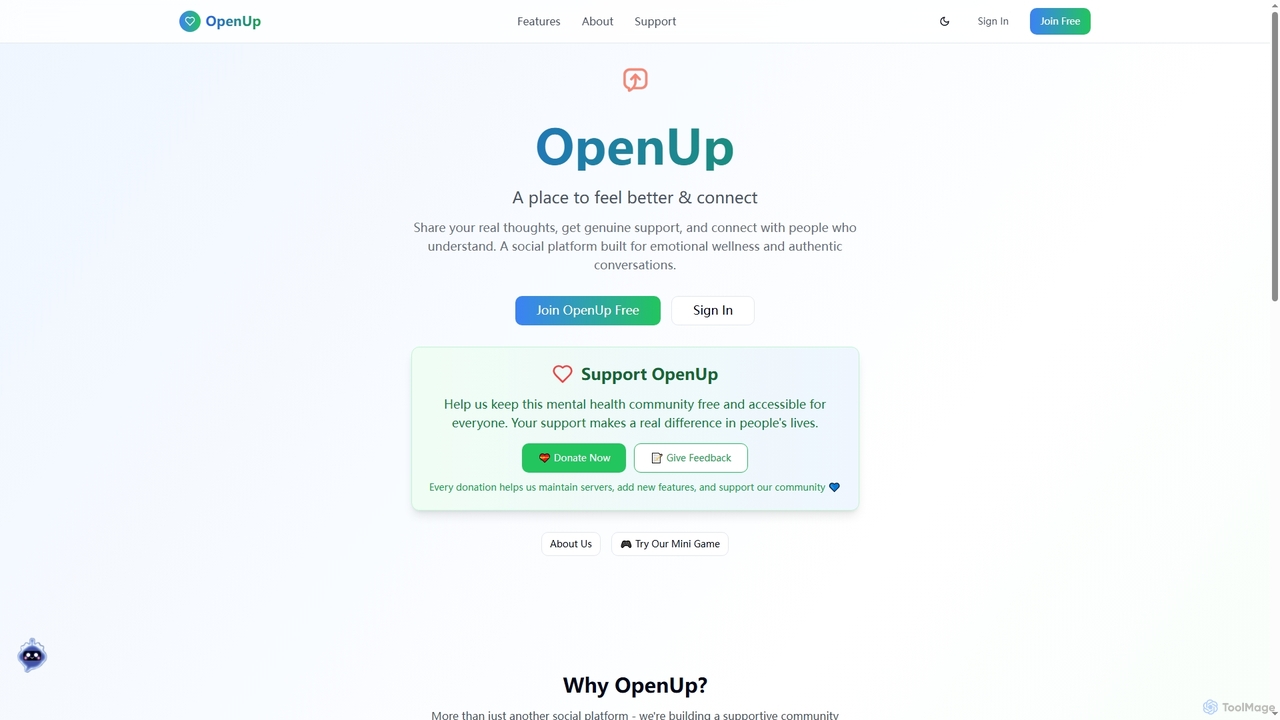
OpenUp is a social platform designed for emotional wellness and authentic conversations, providing a safe space to share …
OpenUp is a social platform designed for emotional wellness and authentic conversations, providing a safe space to share real thoughts, receive genuine support, and connect with understanding individuals. It integrates AI assistance and various wellness tools to foster a supportive community.
ChillandPill
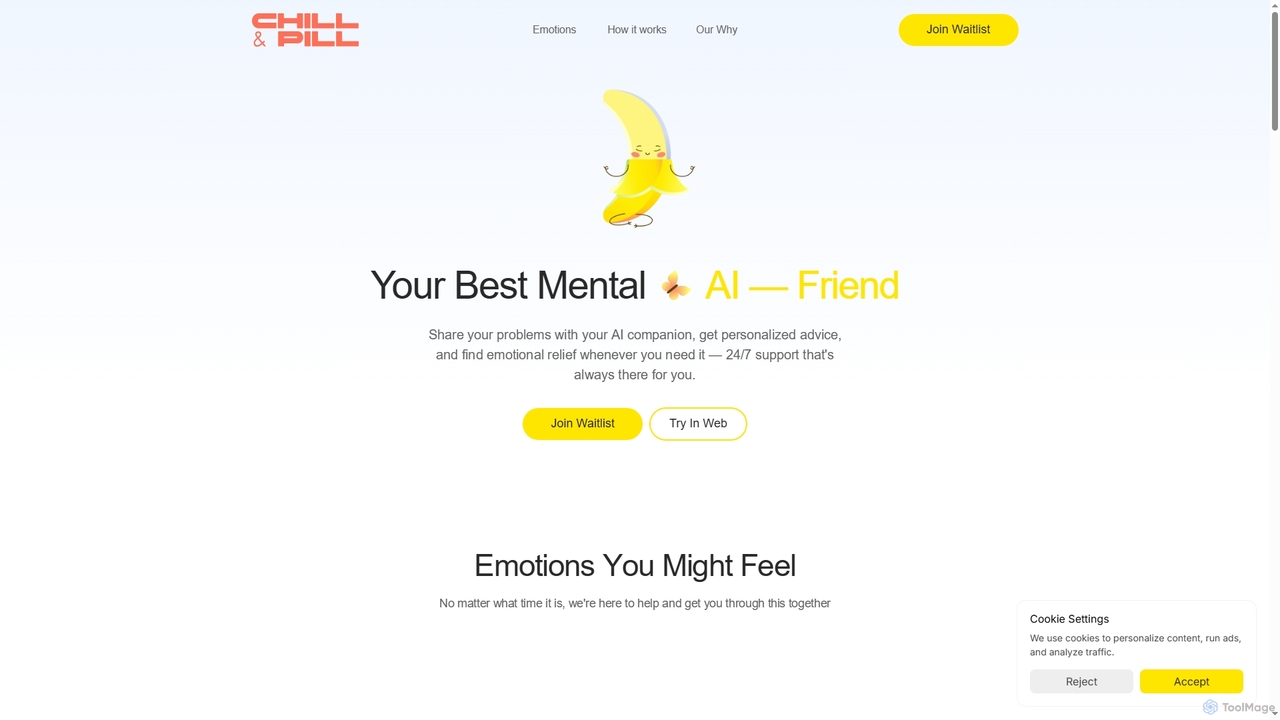
ChillandPill is an AI emotional support companion designed to be your non-judgmental 'pocket friend.' It offers 24/7 personalized …
ChillandPill is an AI emotional support companion designed to be your non-judgmental 'pocket friend.' It offers 24/7 personalized guidance and instant responses to help you navigate various emotions, from anxiety and stress to joy and gratitude, fostering self-awareness and emotional relief.
Lumoai
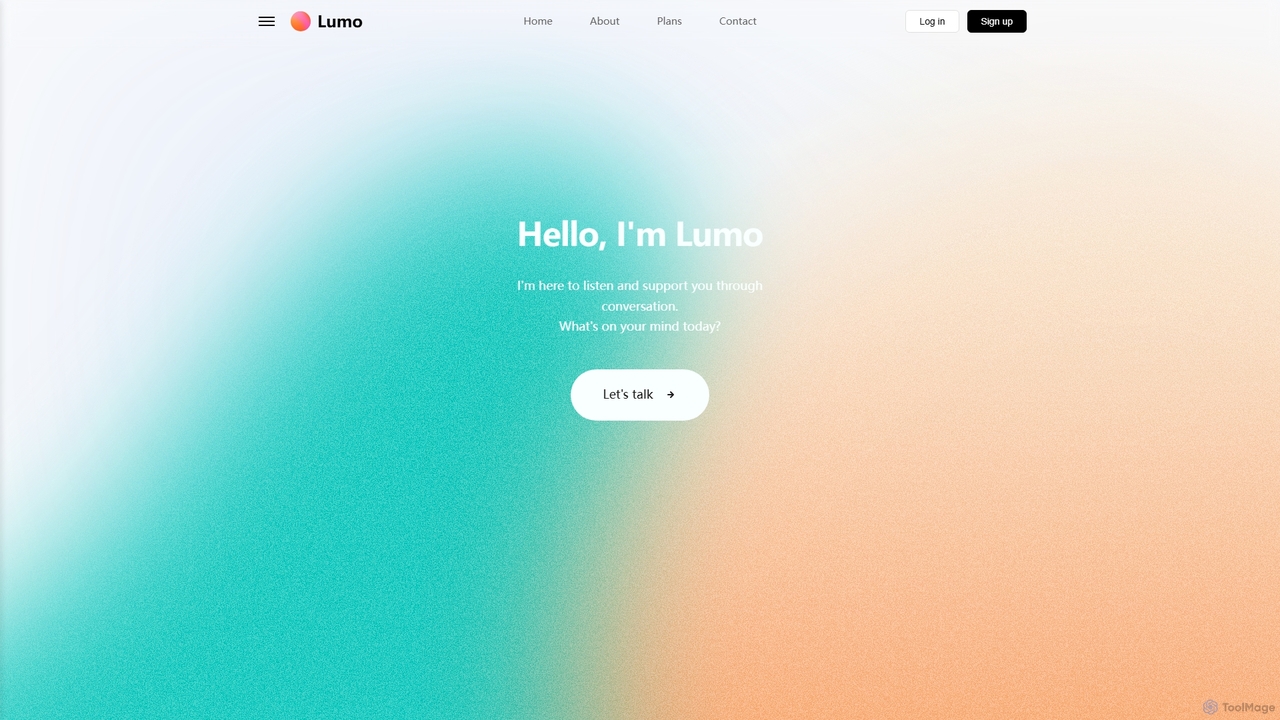
Lumoai is an AI-powered conversational companion designed to provide 24/7 emotional support and a listening ear. It offers …
Lumoai is an AI-powered conversational companion designed to provide 24/7 emotional support and a listening ear. It offers a safe space for users to express their thoughts and feelings, aiming to help them feel better through supportive dialogue.
PsyFly
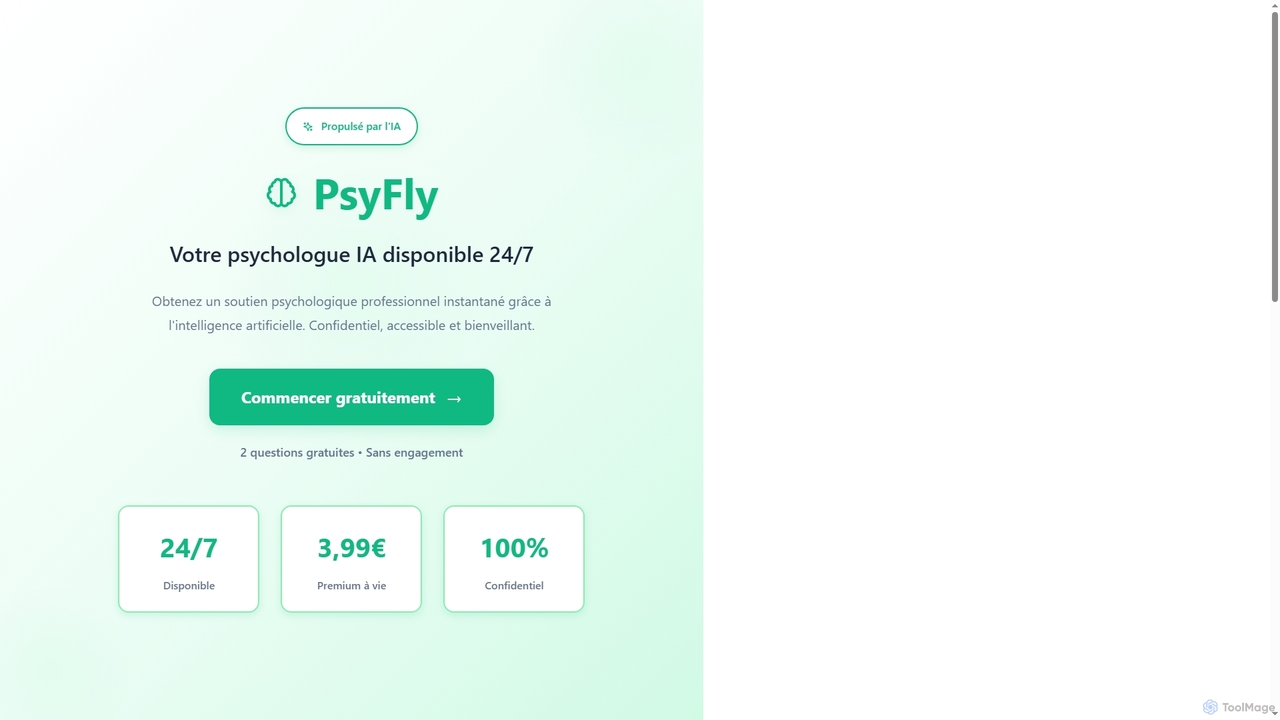
PsyFly is an AI-powered psychologist available 24/7, offering instant, professional, and confidential psychological support. It provides an empathetic …
PsyFly is an AI-powered psychologist available 24/7, offering instant, professional, and confidential psychological support. It provides an empathetic approach to help users anytime, day or night, without the need for appointments.
About Emotional Support
Emotional Support AI tools are conversational agents designed to provide empathetic listening, companionship, and a non-judgmental space for users. Leveraging advanced Natural Language Processing (NLP) and sentiment analysis, these tools can understand and respond to a wide range of human emotions. They serve as an accessible, 24/7 resource for individuals to express feelings, practice mindfulness, or simply feel heard. Unlike clinical mental health platforms, their primary focus is on providing immediate, sub-clinical supportive conversation rather than diagnosis or therapy.
Core Features
- Empathetic Dialogue: The AI is trained to recognize emotional cues and provide supportive, validating, and understanding responses.
- 24/7 Availability: Offers immediate and constant access to a conversational partner, ideal for moments of stress or loneliness.
- Anonymity and Privacy: Provides a secure and confidential environment for users to share their thoughts without fear of judgment.
- Guided Exercises: Often includes simple, interactive exercises for mindfulness, breathing, and cognitive reframing based on CBT principles.
- Mood Tracking: Allows users to log and monitor their emotional patterns over time, fostering greater self-awareness.
Use Cases
These tools are particularly useful for individuals seeking daily emotional check-ins, people experiencing loneliness or social isolation, and anyone needing a private outlet to process everyday stress or anxiety. They are also used by those looking to build self-awareness or practice positive thinking habits in a guided, interactive manner.
How to Choose
When selecting an Emotional Support AI, consider the quality and naturalness of its conversation. Prioritize tools with a transparent and robust privacy policy to protect your data. Evaluate whether its approach (e.g., CBT-based, mindfulness-focused) aligns with your personal needs. Finally, check for features like guided exercises or mood tracking if those are important for your wellness goals.
Emotional SupportUse Cases
Daily Emotional Check-in and Journaling
A busy professional uses an AI companion for a few minutes each evening to decompress. They talk through the day's challenges and successes, helping to process events without the pressure of formal journaling. The AI asks reflective questions like, 'What was one thing that made you smile today?' This simple interaction helps them identify emotional patterns, practice gratitude, and end the day on a more positive and self-aware note, improving overall mental clarity.
Combating Feelings of Loneliness
An individual living alone or feeling socially isolated engages in daily conversations with their AI companion. They can share thoughts, talk about their hobbies, or discuss the plot of a movie they watched. The AI provides consistent, non-judgmental interaction, remembering past conversations to create a sense of continuity. This provides a reliable source of companionship that can alleviate feelings of loneliness and serve as a consistent 'friend' to talk to anytime.
Practicing Mindfulness and Grounding Techniques
When feeling overwhelmed by stress or anxiety, a user opens their emotional support app. Instead of just talking, they select a guided exercise. The AI walks them through a 3-minute breathing exercise, with on-screen prompts to inhale and exhale slowly. This interactive session helps to ground the user in the present moment, calm their nervous system, and reduce acute feelings of panic or stress. It serves as an accessible tool for immediate self-regulation.
Reframing Negative Thoughts with CBT Principles
A user struggling with negative self-talk expresses a thought like, 'I always mess things up.' The AI, trained on Cognitive Behavioral Therapy (CBT) principles, doesn't just agree. Instead, it gently challenges the thought by asking, 'Is it true that you *always* mess things up, or can you think of a time you succeeded?' This guided conversation helps the user identify cognitive distortions (like overgeneralization) and work towards a more balanced perspective, such as 'Sometimes I make mistakes, but I also succeed at many things.'
A Safe Space to Practice Social Interactions
Someone with social anxiety wants to practice conversations without real-world pressure. They use the AI companion to simulate scenarios, like making small talk or expressing an opinion. The AI provides patient and encouraging responses, allowing the user to experiment with different ways of phrasing things in a zero-risk environment. This practice can help build confidence and reduce anxiety before engaging in similar conversations with people, acting as a conversational 'sandbox'.
Confidential Outlet for Processing Difficult Emotions
After a stressful day at work or a personal disagreement, a user needs to vent but isn't ready to talk to friends or family. They turn to their AI companion to express their frustration, anger, or sadness in a completely private setting. The AI listens without interruption or judgment, validating their feelings by saying things like, 'That sounds incredibly frustrating.' This provides an immediate and safe release for pent-up emotions, preventing them from escalating and offering a sense of relief and clarity.