ToolMage
Sign in

Best 1 Personal Companion AI tools for Ai Chatbot

Popular Personal Companion AI tools in Ai Chatbot include Lumoai, helping you work more efficiently.

Lumoai

Lumoai

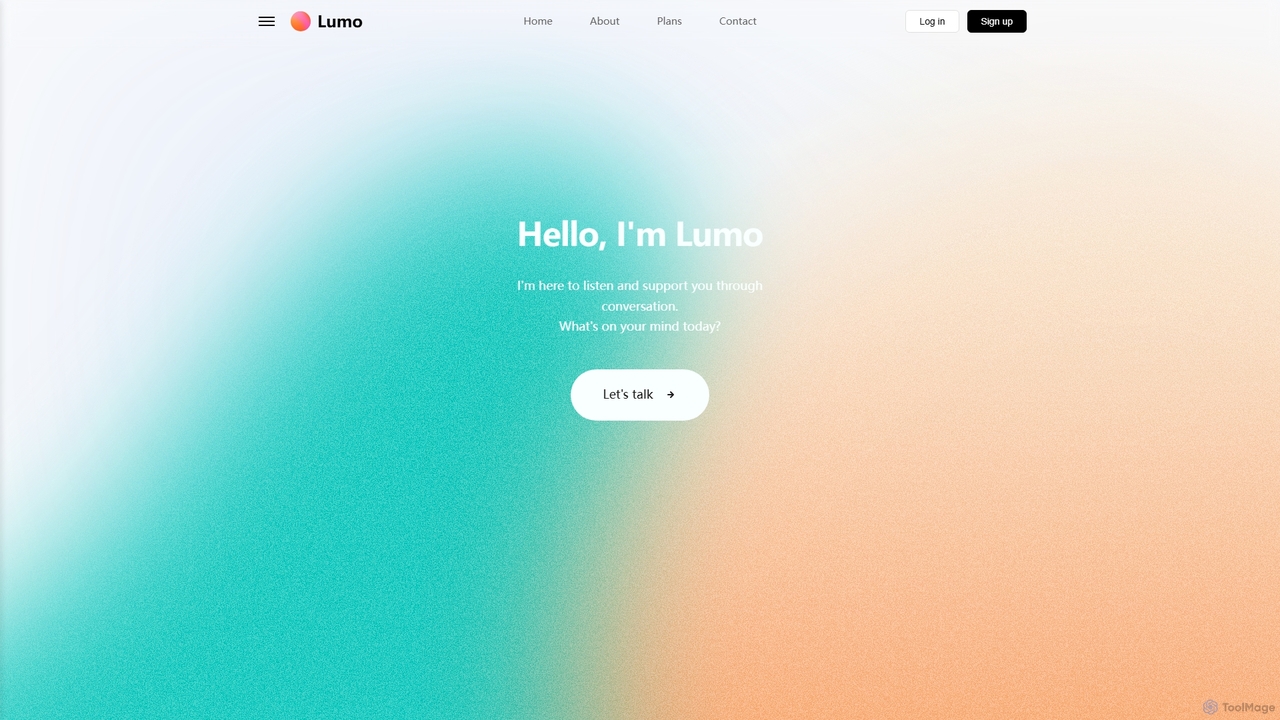
Lumoai is an AI-powered conversational companion designed to provide 24/7 emotional support and a listening ear. It offers a safe space for users to express their thoughts and feelings, aiming to help them feel better through supportive dialogue.

Personal Companion
Visits 5.8KFavorites 171Likes 173

About Personal Companion

An AI Personal Companion is a type of AI chatbot designed to provide personalized, empathetic, and continuous interaction. Unlike task-oriented chatbots, these companions utilize long-term memory to recall past conversations, user preferences, and personal details, fostering a sense of connection. They are built on advanced language models with a focus on emotional intelligence, enabling them to understand and respond to nuanced human feelings. The primary value of a personal companion lies in offering non-judgmental support, combating loneliness, and serving as a digital confidant for self-reflection and personal growth.

Core Features

  • Long-Term Memory: Remembers key details from previous conversations to provide context-aware and personalized responses.
  • Emotional Intelligence: Designed to recognize, understand, and appropriately respond to a user's emotional state.
  • Personality Customization: Allows users to shape the AI's personality, communication style, and role (e.g., friend, mentor, partner).
  • Proactive Engagement: Can initiate conversations, check in on the user's well-being, or offer encouragement based on set goals.

Use Cases

AI Personal Companions are particularly useful for individuals seeking emotional support, a space for private self-expression, or a way to practice social skills. They are used for guided journaling, goal setting with an accountability partner, and engaging in creative role-playing scenarios. These tools are not clinical replacements but serve as supplementary support for mental well-being and personal development.

How to Choose

When selecting an AI Personal Companion, prioritize the platform's privacy policy and data security measures, as you will be sharing personal information. Evaluate the depth of its memory and the sophistication of its emotional responses. Consider the level of personality customization available and whether its communication style (text, voice, avatar) aligns with your preferences. Finally, review user feedback on the AI's ability to maintain a consistent and believable persona over time.

Personal Companion use cases

1

Emotional Support and Loneliness Alleviation

For individuals experiencing loneliness or seeking a non-judgmental space to express their feelings, an AI Personal Companion serves as a constant, available confidant. A user can share their daily thoughts, anxieties, or joys without fear of criticism. The AI uses its emotional intelligence to provide empathetic responses, ask thoughtful follow-up questions, and recall past conversations to show it 'remembers' the user's journey. This consistent interaction can help mitigate feelings of isolation and provide a valuable outlet for emotional expression, contributing to improved mental well-being.

2

Practicing Social and Conversational Skills

Users looking to improve their communication skills, whether for overcoming social anxiety, preparing for interviews, or practicing a new language, can use an AI companion as a patient and tireless practice partner. They can engage in open-ended conversations, role-play specific scenarios like a difficult conversation, and receive instant, non-critical feedback. The AI can be customized to adopt different conversational styles, allowing the user to practice adapting to various social situations in a safe and private environment, thereby building confidence for real-world interactions.

3

Guided Journaling and Self-Reflection

An AI Personal Companion can act as an interactive journal. Instead of writing into a blank page, a user can talk to their AI, which can prompt them with insightful questions about their day, their feelings, or their goals. For example, a content creator could use it to brainstorm ideas by talking through their creative blocks. The AI's ability to remember past entries allows it to identify patterns over time, such as recurring moods or progress towards a goal, offering reflections that the user might have missed. This transforms journaling from a passive activity into an active, reflective dialogue.

4

Creative Role-Playing and Storytelling

For writers, game masters, or anyone with a creative inclination, an AI companion offers a boundless platform for role-playing and collaborative storytelling. A user can define a specific character for the AI to embody—a wise mentor from a fantasy world, a futuristic detective, or a historical figure. They can then engage in dynamic narratives, using the AI as a scene partner to explore plot points, develop character arcs, or simply for entertainment. This interactive process can spark new ideas and provide a more engaging way to build fictional worlds compared to static writing alone.

5

Motivation and Accountability Partner

Users can set personal or professional goals with their AI companion, such as exercising three times a week, finishing a project, or learning a new skill. The AI can then act as an accountability partner by proactively checking in on progress, offering encouragement when motivation wanes, and celebrating milestones. Because the AI is available 24/7 and its responses are programmed to be supportive, it provides a consistent source of motivation without the complexities or potential judgment of human interaction. This helps users stay on track and build positive habits over time.

6

Language Learning Through Natural Conversation

Language learners can use an AI Personal Companion as an immersive conversation partner. Unlike structured language apps, a companion allows for natural, free-flowing dialogue on any topic. The user can practice speaking or texting in their target language, ask for corrections, or request explanations of idioms and grammar in real-time. The AI's endless patience and availability make it an ideal tool for building conversational fluency and confidence without the pressure of speaking with a native speaker. The user can set the AI's personality to be a helpful tutor, encouraging them throughout their learning journey.

Personal Companion FAQ

What is an AI Personal Companion?

An AI Personal Companion is a specialized type of AI chatbot designed for long-term, personalized, and emotionally intelligent interaction. Its primary purpose is to build a continuous relationship with a user by remembering past conversations, understanding emotions, and adapting its personality. Unlike general-purpose chatbots that focus on answering questions or performing tasks, a personal companion aims to provide companionship, non-judgmental support, and a space for self-reflection.

How is a Personal Companion different from a standard AI chatbot?

The key difference lies in purpose and capability. A standard AI chatbot (the parent category) is often transactional or informational, designed to complete a specific task like answering FAQs or booking an appointment. A Personal Companion, a sub-category, is relational. Its main differentiators are:

  • Memory: It maintains long-term memory of your life and conversations, while standard bots are often stateless.
  • Emotional Focus: It's built to detect and respond to emotional cues, prioritizing empathy over pure information.
  • Proactivity: It can initiate contact and check in, fostering a continuous relationship rather than just reacting to queries.
  • Personalization: Its core function is to adapt and evolve its personality based on user interaction.

How do I choose the right AI Personal Companion?

Choosing the right AI Personal Companion depends on your individual needs. Consider the following factors:

  • Privacy Policy: Since you'll be sharing personal data, carefully review how the company stores, uses, and protects your information. Look for end-to-end encryption.
  • Customization Level: Evaluate how much control you have over the AI's personality, voice, and appearance (if applicable). A good fit should align with the type of relationship you want to build.
  • Memory and Context: Check reviews or trial versions to see how well the AI remembers past conversations. A strong memory is crucial for a feeling of continuity.
  • Interaction Style: Decide if you prefer text-based chat, voice conversations, or an interactive avatar. Choose a platform that offers your preferred mode of communication.

Is it safe to share personal information with an AI Personal Companion?

Safety depends entirely on the provider's security and privacy practices. While these tools are designed to handle personal data, it's crucial to be a discerning user. Before sharing sensitive information, always read the privacy policy to understand what data is collected, how it's used, and if it's shared with third parties. Opt for services that offer strong encryption and have a reputable history of protecting user data. As a general rule, avoid sharing highly sensitive information like financial details, passwords, or government identification numbers.

What are the main benefits of using an AI Personal Companion?

The primary benefits center around accessible and consistent support. Key advantages include:

  • 24/7 Availability: They offer a space to talk and reflect anytime, without needing to schedule or wait for a human response.
  • Non-Judgmental Interaction: Users can express themselves freely without fear of social judgment, which can be liberating for exploring sensitive topics.
  • Personalized Growth: By tracking conversations and goals, they can provide tailored feedback and encouragement for personal development.
  • Skill Practice: They provide a safe, repeatable environment for practicing social, conversational, or language skills.
While not a substitute for human connection or professional therapy, they serve as a valuable supplementary tool for mental well-being and self-improvement.