ToolMage
Sign in

Best 1 Avatars AI tools for Metaverse

Popular Avatars AI tools in Metaverse include Ready Player Me, helping you work more efficiently.

Ready Player Me
Freemium

Ready Player Me

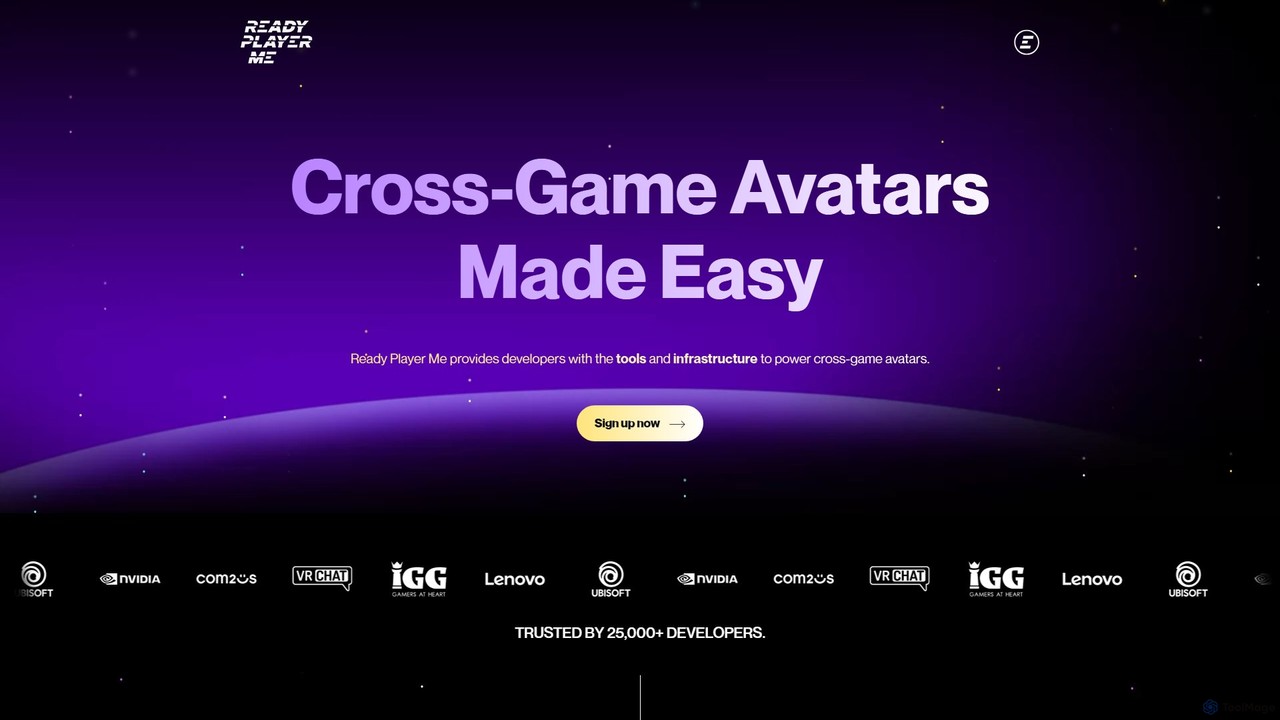
Ready Player Me is a cross-game avatar platform for developers, providing SDKs and tools to integrate a highly customizable 3D avatar system into games and metaverse applications. It leverages AI for avatar creation and offers monetization opportunities through a shared cosmetic economy.

3D Generation
Visits 42.6KFavorites 107Likes 113

About Avatars

AI Avatars are tools that leverage artificial intelligence to create, customize, and animate digital representations of users. These tools utilize advanced computer vision and generative AI to transform photos, text, or 3D models into expressive virtual identities. They enable users to establish a unique presence across various digital platforms, from social media to immersive virtual worlds, enhancing personal branding and interactive experiences. Within the broader Metaverse, AI Avatars serve as the primary means for users to embody and interact.

Core Features

  • AI-Powered Generation: Create avatars from text prompts, 2D images, or 3D scans with varying styles and realism.
  • Extensive Customization: Personalize facial features, hairstyles, clothing, accessories, and body types to match specific identities.
  • Emotion & Gesture Animation: Automatically generate realistic facial expressions, lip-syncing, and body movements for dynamic interactions.
  • Cross-Platform Compatibility: Export avatars in formats compatible with popular game engines, social platforms, and virtual meeting tools.
  • Real-time Interaction: Some tools allow for live avatar control and streaming, enabling real-time virtual presence.

Applicable Scenarios

AI Avatar tools are invaluable for content creators needing unique personas, businesses seeking engaging virtual assistants, and individuals desiring a personalized digital identity in virtual worlds. They streamline the creation of diverse characters for marketing campaigns, educational content, and interactive entertainment.

How to Choose

When selecting an AI Avatar tool, consider the desired level of realism or stylization, the depth of customization options, and the quality of animation capabilities. Evaluate its compatibility with your target platforms (e.g., Unity, Unreal Engine, VRChat) and the ease of use for your technical skill level. Finally, compare pricing models and the range of pre-built assets or templates available.

Featured tool rankings

Avatars use cases

1

Create Personalized Virtual Meeting Avatars

Business professionals can use AI Avatar tools to generate realistic or stylized digital representations of themselves for online conferences and webinars. This allows them to maintain a professional presence without needing to be on camera, reducing 'Zoom fatigue' while still conveying personality and engagement through animated expressions and gestures. It's particularly useful for large virtual events or when bandwidth is limited.

2

Develop Unique Social Media Personas

Content creators and influencers can leverage AI Avatars to build distinctive and memorable online personas for platforms like TikTok, Instagram, and YouTube. By generating a consistent, branded avatar, they can produce engaging short videos, stories, and posts without revealing their real identity or needing extensive video production. This helps in rapid content creation and establishing a unique brand identity that stands out.

3

Rapid Prototyping for Game Character Design

Game developers and 3D artists can use AI Avatar generators to quickly prototype a wide range of character concepts. Instead of spending hours on manual modeling, they can input descriptions or reference images to generate multiple avatar variations, exploring different styles, outfits, and features. This significantly accelerates the initial design phase, allowing for more iterative development and creative exploration before committing to final assets.

4

Enhance Digital Fashion Showcases

Fashion designers and brands can utilize AI Avatars to model their latest collections in virtual fashion shows or digital lookbooks. By generating diverse avatars with various body types and ethnicities, they can showcase their designs to a global audience without the logistical complexities and costs of physical models and venues. This enables more sustainable and inclusive fashion presentations, reaching a broader market efficiently.

5

Deploy Virtual Assistants for Customer Service

Companies can implement AI Avatars as interactive virtual assistants on their websites, mobile apps, or in VR/AR experiences. These avatars can provide personalized customer support, guide users through complex processes, or offer product recommendations with a human-like touch. The visual and animated nature of AI Avatars makes interactions more engaging and intuitive compared to text-based chatbots, improving user satisfaction and reducing support load.

6

Create Engaging Educational Content

Educators and e-learning platforms can utilize AI Avatars to present lessons, explain complex concepts, or narrate educational videos. An animated avatar can make learning more engaging and accessible, especially for younger audiences or those who prefer visual learning. This approach allows for consistent delivery of content, personalized tutoring simulations, and the creation of diverse virtual instructors without the need for human presenters.

Avatars FAQ

What are AI Avatars?

AI Avatars are digital characters created and animated using artificial intelligence. They serve as virtual representations of users or automated personas in various digital environments. These tools leverage generative AI to produce realistic or stylized human-like figures, often from simple inputs like text or photos, and can be endowed with expressions, gestures, and speech for dynamic interaction across platforms like virtual meetings, social media, and the Metaverse.

How do AI Avatar tools work?

AI Avatar tools typically work by using advanced machine learning models, particularly generative adversarial networks (GANs) or diffusion models, to create digital human representations. Users provide input such as text descriptions, 2D photos, or 3D scans. The AI then processes this data to generate a 3D model, apply textures, and rig it for animation. Some tools also incorporate natural language processing (NLP) for lip-syncing and computer vision for tracking real-time facial expressions, allowing for dynamic and interactive avatar performance.

What's the difference between AI Avatars and traditional 3D models?

The primary difference lies in the creation process and flexibility. Traditional 3D models are typically crafted manually by artists using software like Blender or Maya, requiring significant time and specialized skills for each unique model. AI Avatars, conversely, are generated or heavily customized using AI algorithms, often from simple inputs, allowing for rapid creation, iteration, and personalization. While traditional models offer ultimate artistic control, AI Avatars excel in speed, scalability, and accessibility for users without extensive 3D modeling expertise, making them ideal for dynamic content and virtual identities.

Who can benefit from using AI Avatar tools?

A wide range of users can benefit from AI Avatar tools. Content creators and social media influencers can build unique brand personas. Businesses can deploy virtual assistants for customer service or marketing. Educators can create engaging virtual instructors for e-learning. Game developers can rapidly prototype characters. Individuals can craft personalized digital identities for virtual worlds and social platforms. Essentially, anyone looking to establish a dynamic, customizable, and animated digital presence without extensive technical skills can find value in these tools.

What should I consider when choosing an AI Avatar platform?

When selecting an AI Avatar platform, consider several key factors. First, evaluate the desired level of realism versus stylization, as some tools excel in one over the other. Look at the depth of customization options for facial features, clothing, and accessories. Assess the quality and range of animation capabilities, including lip-syncing and emotional expressions. Ensure compatibility with your target platforms (e.g., game engines, social media, virtual meeting software). Finally, compare pricing models, ease of use, and the availability of pre-built assets or templates to match your project's needs and budget.