in3d
in3d is an AI-powered platform that enables users to create realistic, customizable 3D avatars from a simple phone …
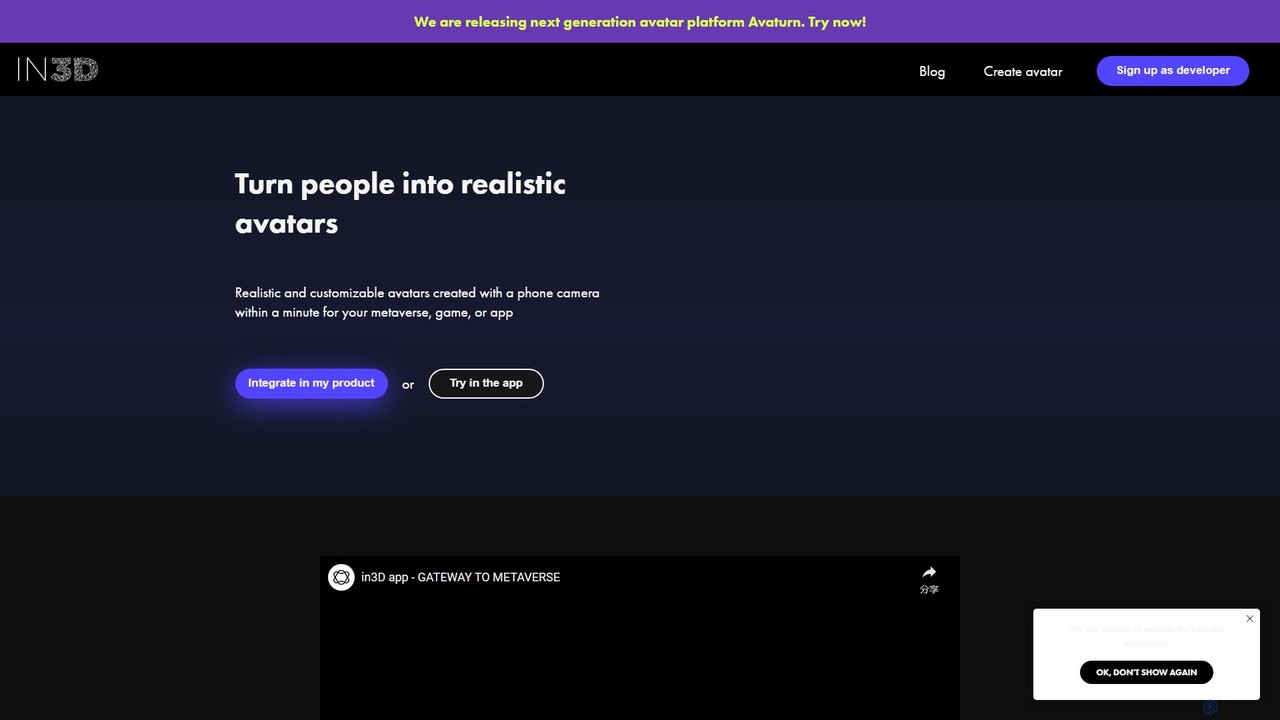
in3d is an AI-powered platform that enables users to create realistic, customizable 3D avatars from a simple phone camera scan in under a minute. It provides SDKs for easy integration into games, metaverses, and applications on Unity, Unreal Engine, and the web.
About Virtual Worlds
Virtual Worlds are immersive, persistent digital environments powered by AI, where users can interact with each other, AI-driven characters, and dynamic content. These platforms leverage advanced rendering, real-time interaction, and artificial intelligence to create rich, interactive experiences. They serve as a fundamental component of the broader metaverse, offering spaces for social connection, entertainment, education, and commerce.
Core Features
- AI-Powered NPCs & Content: Intelligent non-player characters and dynamically generated environmental elements enhance realism and interaction.
- Persistent Digital Environments: Worlds evolve and retain changes over time, creating a sense of continuity and history for users.
- Real-time Social Interaction: Users can communicate, collaborate, and engage with others through avatars, voice, and text.
- User-Generated Content Tools: Provide capabilities for users to create, customize, and share their own assets, experiences, and spaces within the world.
- Economic Systems: Often include virtual currencies, marketplaces, and ownership of digital assets (e.g., NFTs) for in-world transactions.
Applicable Scenarios
Virtual Worlds are extensively used in gaming for immersive role-playing and competitive experiences, in social platforms for global meetups and community building, and in entertainment for virtual concerts and interactive storytelling. They also provide innovative spaces for remote work collaboration and brand engagement.
How to Choose
When selecting a Virtual World, consider the level of immersion and graphical fidelity, the strength of its community and social features, and the robustness of its content creation tools. Evaluate the economic model, platform accessibility (VR/PC/mobile), and the extent of AI integration for dynamic experiences and intelligent agents.

Virtual WorldsUse Cases
Hosting Immersive Virtual Events and Concerts
Event organizers and artists can leverage Virtual Worlds to host large-scale virtual concerts, conferences, and exhibitions. Attendees create avatars, explore digital venues, and interact with performers and other participants in real-time, offering a global reach and unique interactive experiences that transcend physical limitations.
Creating Interactive Educational and Training Simulations
Educators and corporate trainers can build realistic training environments within Virtual Worlds. Students or employees can practice complex procedures, engage in role-playing scenarios with AI-driven characters, or explore historical sites, providing hands-on learning experiences that are safe, repeatable, and highly engaging, without the need for physical resources.
Developing AI-Powered Games and Interactive Narratives
Game developers and storytellers utilize Virtual Worlds to create next-generation games and interactive narratives where AI agents dynamically respond to player actions. This allows for branching storylines, personalized quests, and evolving game mechanics, leading to highly replayable and unique experiences for each player, pushing the boundaries of traditional gaming.
Building Virtual Showrooms and Digital Commerce Spaces
Retailers and brands can establish virtual showrooms and digital storefronts within Virtual Worlds. Customers can browse 3D product models, try on virtual clothing with their avatars, and interact with AI-powered sales assistants. This creates an engaging and convenient shopping experience, allowing brands to reach a global audience and offer unique product demonstrations.
Facilitating Remote Collaboration and Virtual Workspaces
Teams and organizations can utilize Virtual Worlds to create persistent virtual offices or collaborative spaces. Employees can meet as avatars, share screens, brainstorm on virtual whiteboards, and engage in more natural, spatial communication than traditional video calls. This enhances team cohesion and productivity for distributed workforces, fostering a sense of presence.
Designing Immersive Social and Community Hubs
Individuals and communities can build and customize their own social hubs within Virtual Worlds, offering unique spaces for friends to gather, share experiences, and participate in community-driven activities. These hubs often feature AI-powered moderation and content suggestions, fostering vibrant and safe online communities that extend beyond traditional social media platforms.