Avatar SDK
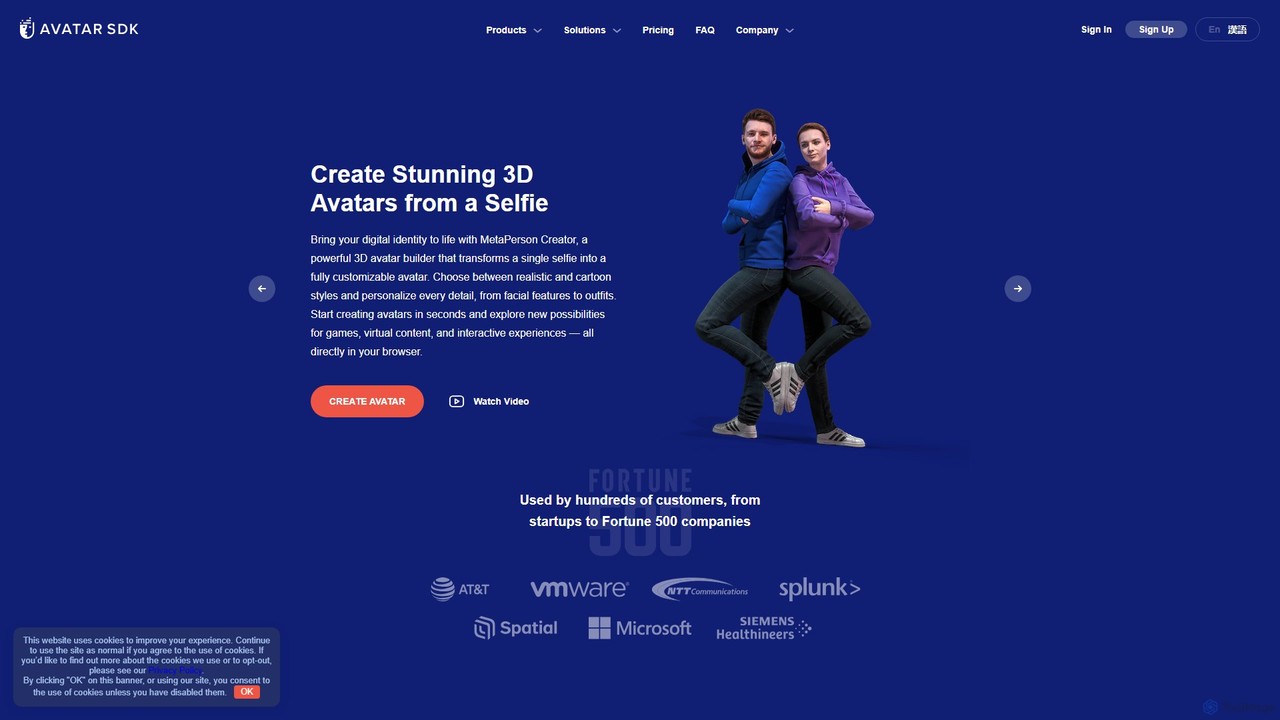
An advanced AI-powered Software Development Kit (SDK) for creating realistic and customizable 3D avatars from a single 2D …
An advanced AI-powered Software Development Kit (SDK) for creating realistic and customizable 3D avatars from a single 2D photo. Ideal for games, metaverses, and virtual communication applications.
About Virtual World
Virtual World tools are platforms for creating and experiencing persistent, immersive 3D digital environments. As a core component of the Metaverse, these tools provide the foundational technology for users to interact with each other and digital objects through personalized avatars. They enable the construction of everything from social hubs and games to professional training simulations and virtual marketplaces. The primary value lies in offering shared, real-time experiences that transcend physical distance.
Core Features
- World Building & Customization: Provides tools, often with no-code options, for users to design, build, and modify landscapes, architecture, and objects within the virtual space.
- Avatar Creation & Social Interaction: Allows for the creation of unique digital identities (avatars) and facilitates real-time communication through voice, text, and gestures.
- In-World Economy & Asset Support: Enables the creation, trade, and ownership of digital assets, often integrating with blockchain technology for NFTs and virtual currencies.
- Real-time Multiplayer Engine: The underlying technology that supports numerous users interacting simultaneously within the same instance of the world without significant lag.
- Cross-Platform Accessibility: Offers access through various devices, including VR headsets for full immersion, as well as standard PCs and sometimes mobile devices.
Use Cases
These platforms are widely used across various sectors. In entertainment, they host massive multiplayer games and virtual concerts. For business, they serve as venues for virtual conferences, remote collaboration, and client showrooms. Educational institutions use them to create interactive learning simulations and virtual classrooms, providing students with hands-on experiences in a safe environment.
How to Choose
When selecting a Virtual World tool, first consider its primary purpose—social, gaming, or professional. Evaluate the power and accessibility of its world-building tools; some require coding, while others are drag-and-drop. Investigate the economic model, whether it's a closed system or an open economy with real-world value. Finally, check hardware requirements and the size and activity level of its existing community.

Virtual WorldUse Cases
Hosting a Virtual Corporate Conference
An event manager for a global tech company uses a virtual world platform to create a branded, interactive conference venue. They build a main auditorium for keynotes, multiple breakout rooms for specialized sessions, and a networking lounge with spatial audio. Attendees join via PC or VR, interact with speakers, visit sponsor booths, and network with colleagues as avatars. This approach significantly reduces travel costs and carbon footprint while increasing accessibility for a global audience.
Creating an Interactive Digital Art Gallery
A digital artist or a gallery curator builds a multi-room virtual gallery to showcase a new collection of NFT art. Using the platform's world-building tools, they design the lighting, wall textures, and layout to complement the artwork. Visitors can walk through the gallery, view art from different angles, read artist statements, and even interact with the artist's avatar during a live opening event. A direct link to a marketplace allows for seamless purchase of the art pieces.
Developing an Educational Training Simulation
An educational institution creates a virtual laboratory for chemistry students. In this simulation, students can safely conduct complex experiments that would be hazardous or expensive in real life. They can mix chemicals, observe reactions in a controlled 3D environment, and reset the experiment instantly if they make a mistake. This immersive learning method improves comprehension and retention of difficult concepts by allowing students to learn by doing in a risk-free setting.
Launching a Digital Fashion Collection
A fashion designer or brand creates a line of virtual clothing and accessories for avatars. They use the platform to host a virtual fashion show in a custom-designed runway environment. Avatars of models walk the runway, showcasing the digital garments to a global audience of users and influencers. After the show, attendees can visit a virtual pop-up shop to try on and purchase the items for their own avatars, creating a new revenue stream and marketing channel for the brand.
Building a Community-Driven Social Hub
A group of users with a shared interest, such as a fan club for a movie franchise or a hobbyist group, builds their own persistent social club. They use the platform's tools to create themed rooms, a screening area for watching content together, and interactive games. This virtual space becomes their dedicated hangout spot for regular meetups, live events, and casual conversations, strengthening community bonds regardless of the members' physical locations.
Prototyping Architectural and Urban Designs
An architect or urban planner imports a 3D model of a new building or city district into a virtual world platform. This allows clients and stakeholders to experience the design at a 1:1 scale. They can walk through the building, assess spatial qualities, test different lighting conditions, and provide immediate, intuitive feedback before any physical construction begins. This process helps identify design flaws early and facilitates better-informed decision-making.