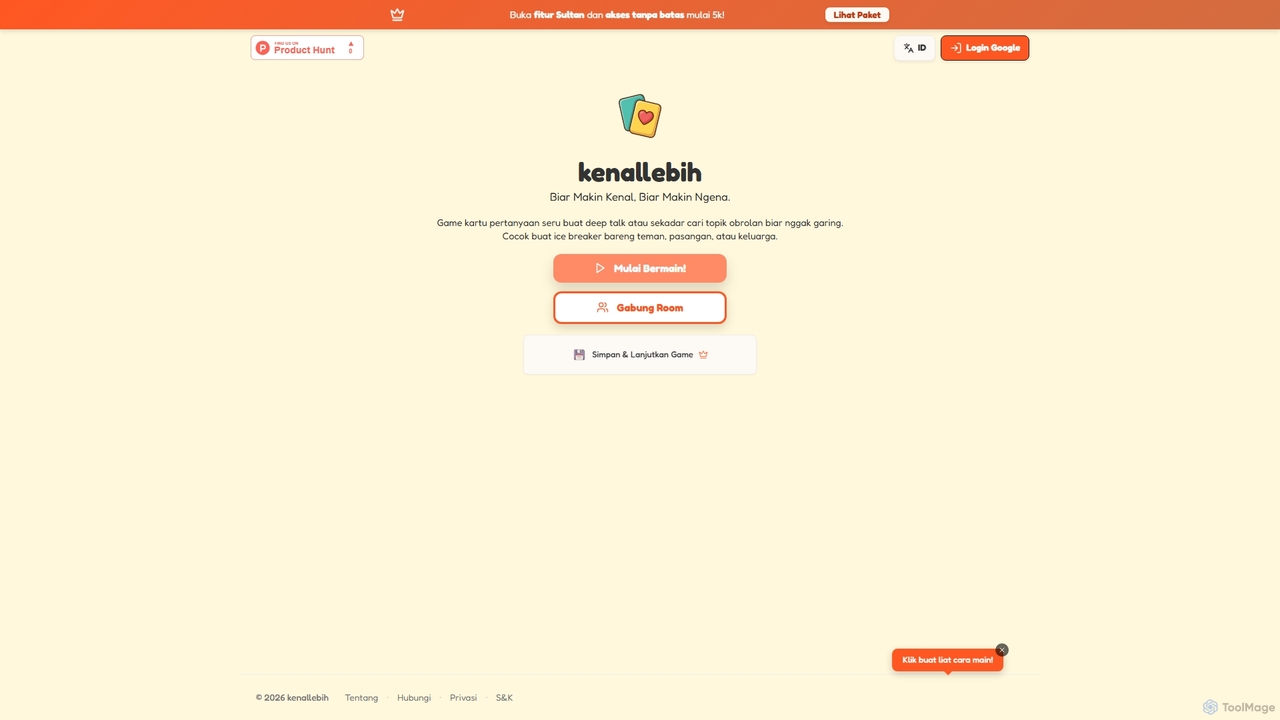
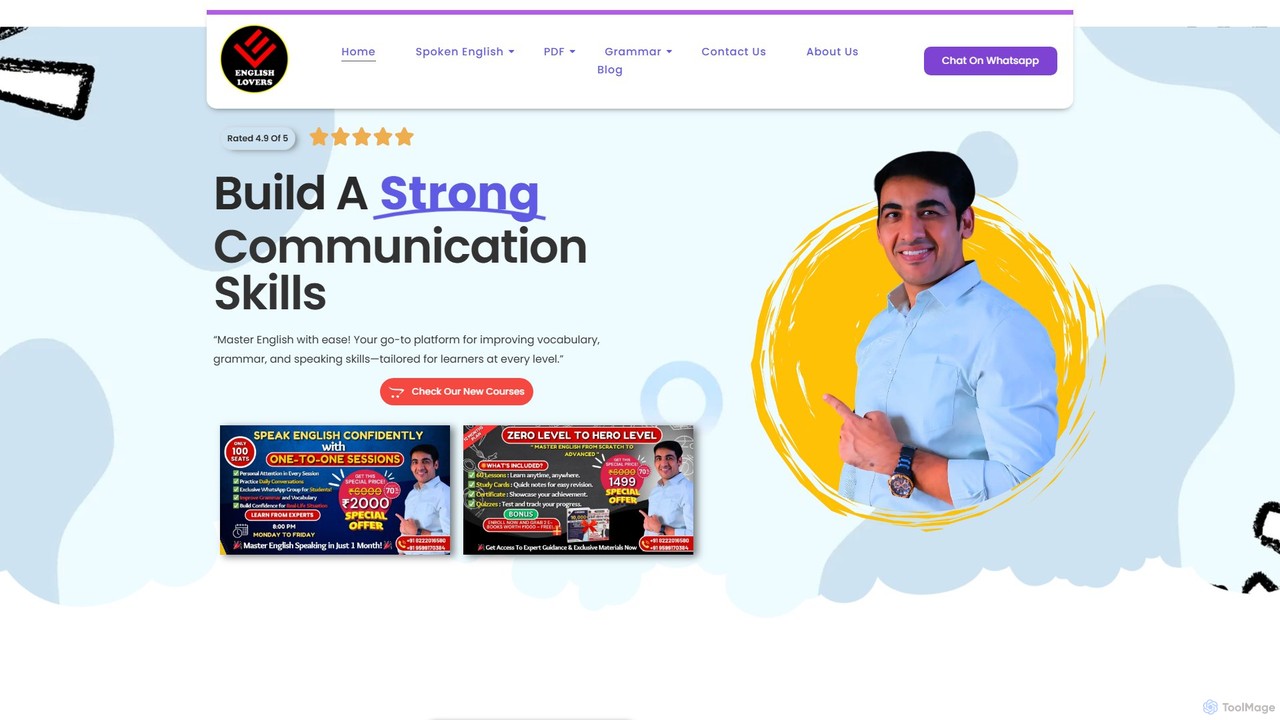
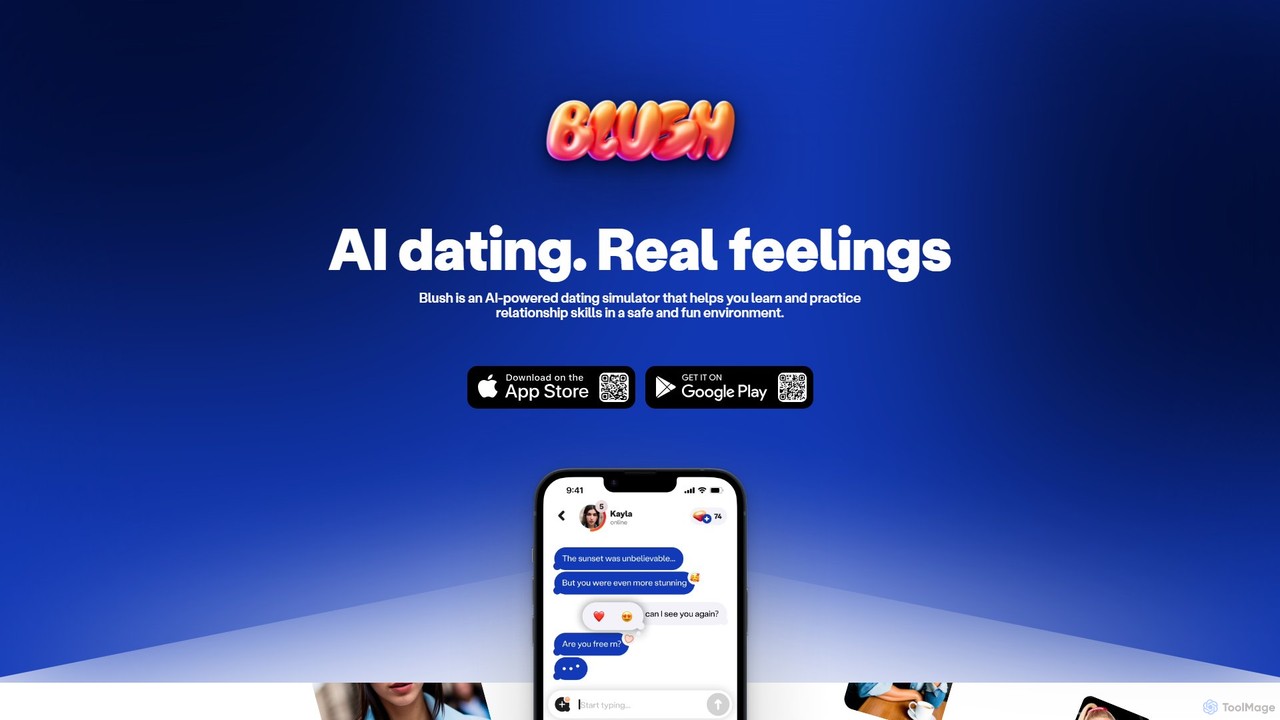
Communication Skills AI tools are a category of personal development applications that leverage artificial intelligence to enhance human interaction and expression. These tools utilize natural language processing, machine learning, and sometimes computer vision to analyze verbal and non-verbal cues, provide objective feedback, and simulate various communication scenarios. They empower users to refine their public speaking, interpersonal dialogue, negotiation tactics, and written clarity, ultimately fostering more effective and confident communication in professional and personal contexts.
Core Features
- Speech Analysis: Provides real-time feedback on speaking pace, volume, tone, and identifies filler words or repetitive phrases.
- Conversation Simulation: Offers interactive practice environments with AI personas for job interviews, sales pitches, or difficult conversations.
- Presentation Coaching: Analyzes presentation delivery, suggesting improvements for structure, content, and audience engagement.
- Writing Enhancement: Evaluates written text for clarity, conciseness, tone, and grammatical accuracy, offering suggestions for improvement.
- Non-verbal Feedback: (If video-based) Analyzes facial expressions, eye contact, and gestures to provide insights into body language.
Applicable Scenarios
Professionals preparing for high-stakes presentations, job seekers practicing interview responses, sales teams refining their pitches, and individuals aiming to improve daily interpersonal interactions can all benefit. These tools are particularly valuable for rehearsing critical dialogues, receiving unbiased feedback, and building confidence in diverse communication settings.
How to Choose
When selecting an AI communication skills tool, consider its primary focus (e.g., public speaking, writing, or general conversation), the depth and accuracy of its feedback mechanisms, and the realism of its simulation capabilities. Evaluate the range of supported languages, integration options with other platforms, and the tool's approach to user data privacy. User interface and ease of use are also important for consistent practice.