ToolMage
Sign in

Best 7 Goal Setting AI tools for Personal Development

Popular Goal Setting AI tools in Personal Development include beedone, Medoo, Vision Boards AI, FlowCoach AI, Runathon, AI Business Coach, and Ascend Coach, helping you work more efficiently.

Ascend Coach
Freemium

Ascend Coach

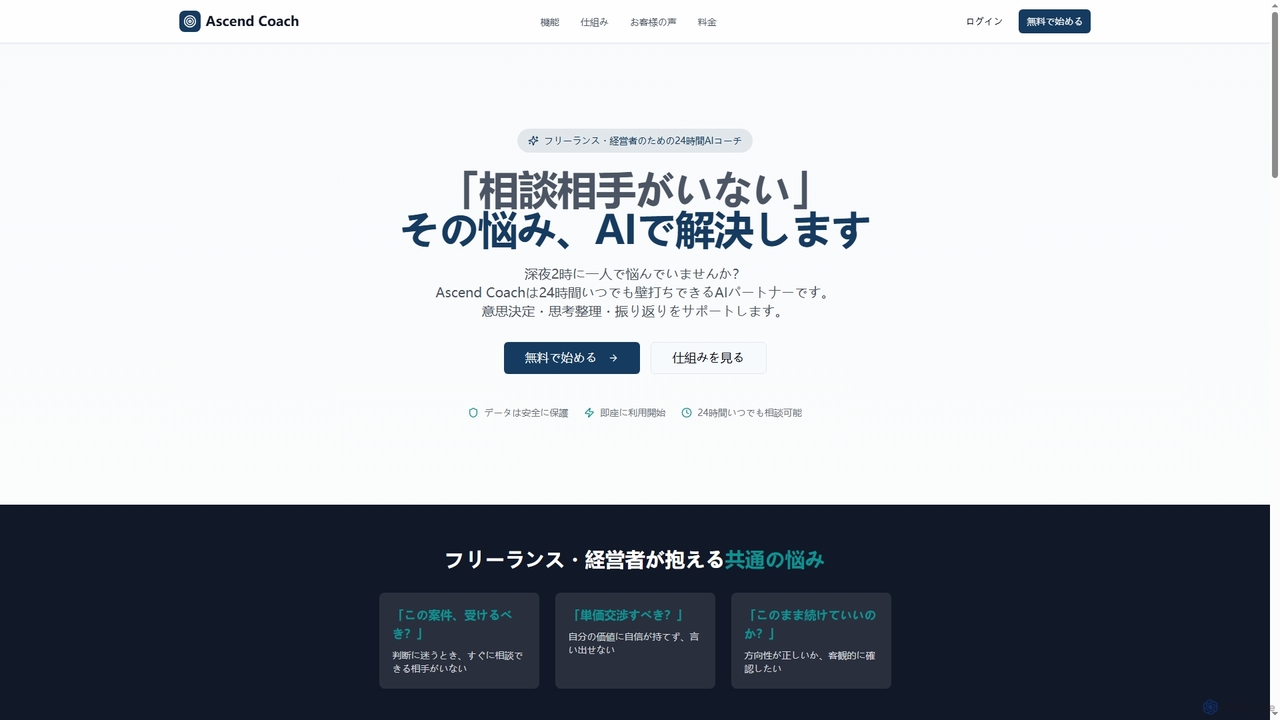
Ascend Coach is a 24/7 AI coaching partner designed for freelancers and business owners. It supports decision-making, thought organization, and reflective growth, helping users achieve their business goals efficiently and overcome challenges with continuous, personalized guidance.

Decision Making
Visits 4.1KFavorites 56Likes 61
FlowCoach AI
Freemium

FlowCoach AI

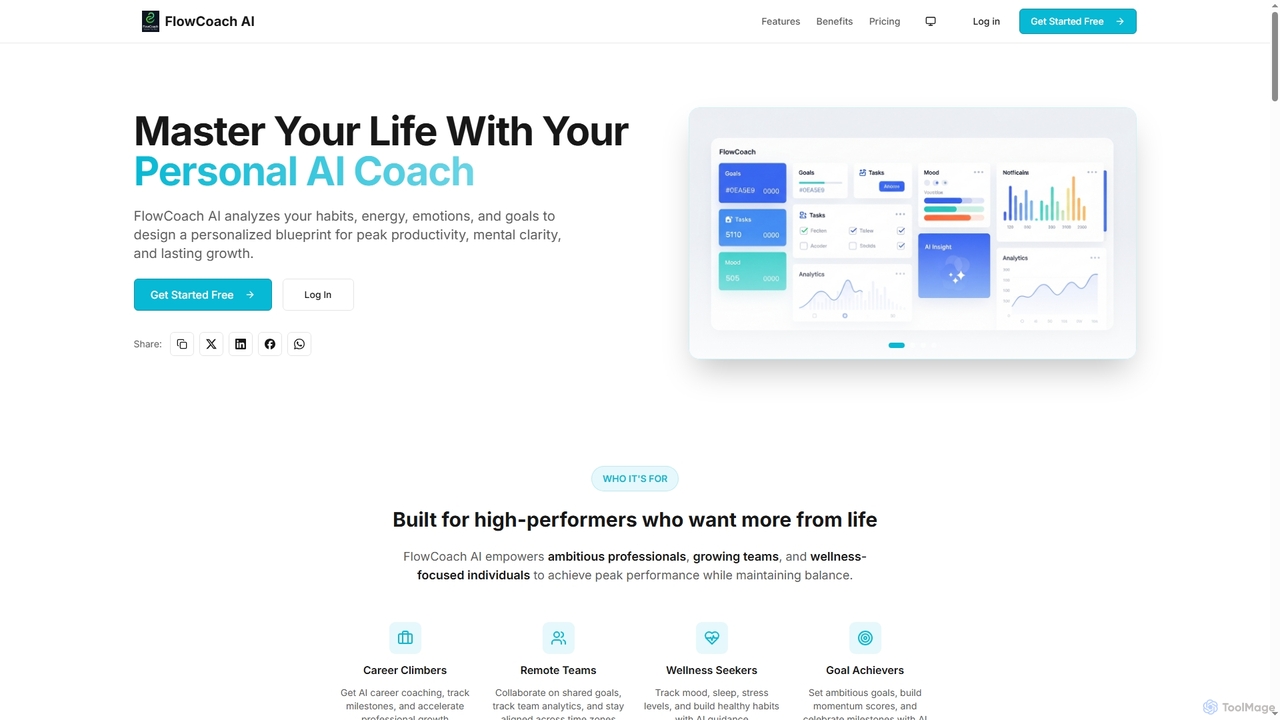
FlowCoach AI is an AI-powered personal coaching platform designed to enhance productivity, mental clarity, and personal growth. It analyzes habits, emotions, and goals to create a personalized blueprint for high-performers, teams, and wellness seekers. The platform integrates AI coaching, wellness tracking, goal management, and team collaboration to optimize various aspects of life.

Team Management
Visits 4.2KFavorites 64Likes 65
Runathon
Freemium

Runathon

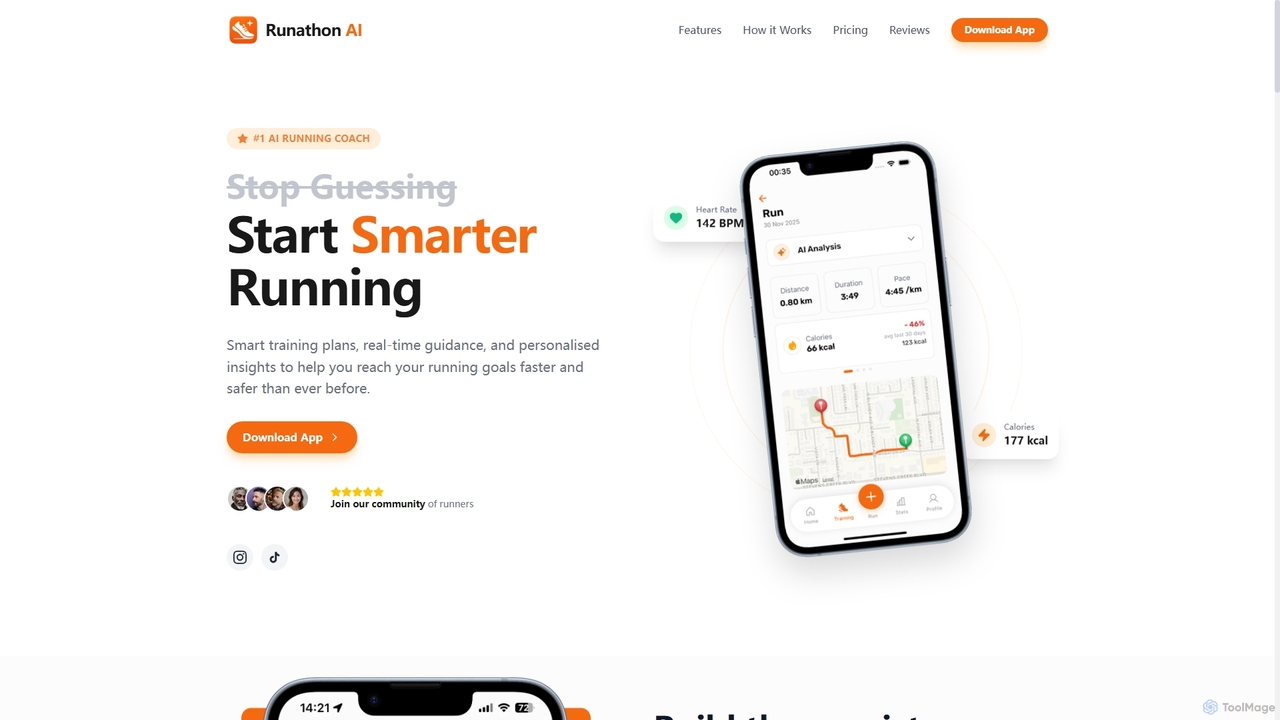
Runathon is an AI-powered running coach app that provides personalized training plans, real-time guidance, and adaptive insights to help runners achieve their fitness goals faster and safer. It tracks progress, adjusts workouts based on performance, and integrates with popular health platforms.

Running Coach
Visits 4.2KFavorites 91Likes 101
AI Business Coach
Paid

AI Business Coach

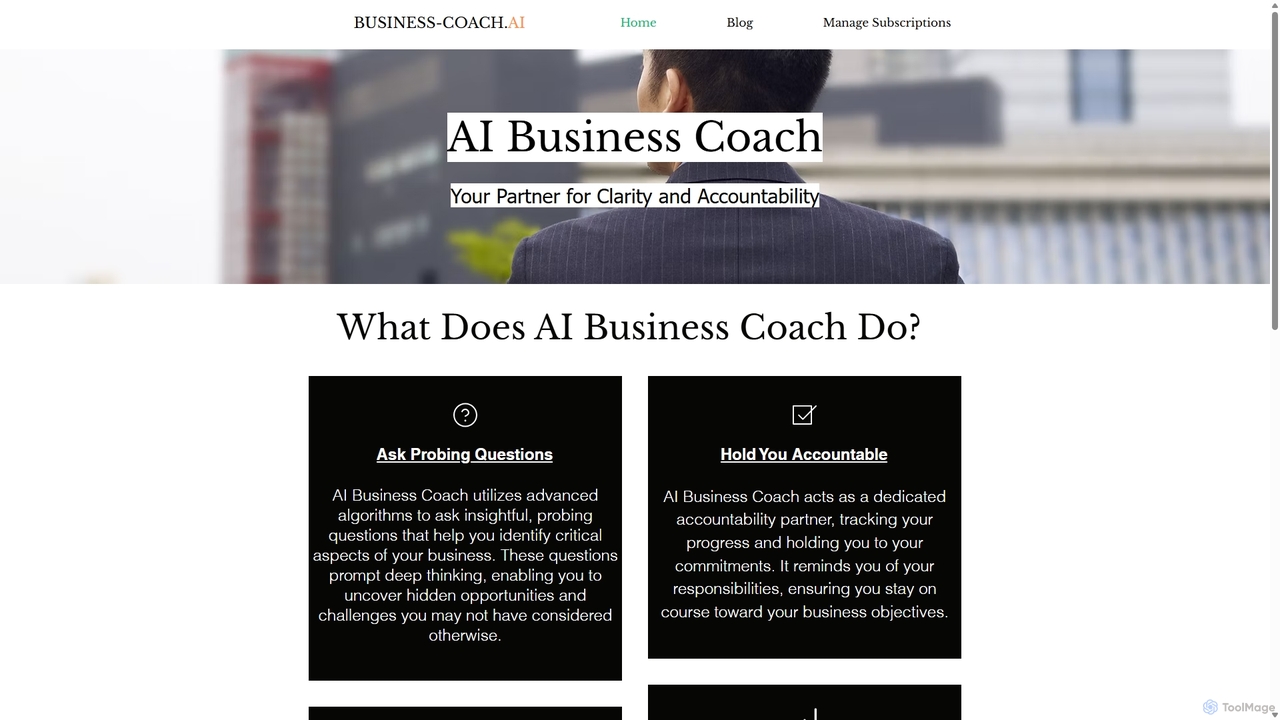
AI Business Coach is a personal business mentor that operates within Google Chat. It helps entrepreneurs and professionals gain clarity, enhance critical thinking, and maintain accountability by asking probing questions, providing access to a vast knowledge base, and tracking progress towards goals.

Entrepreneurship
Visits 4.1KFavorites 114Likes 112
Medoo
Freemium

Medoo

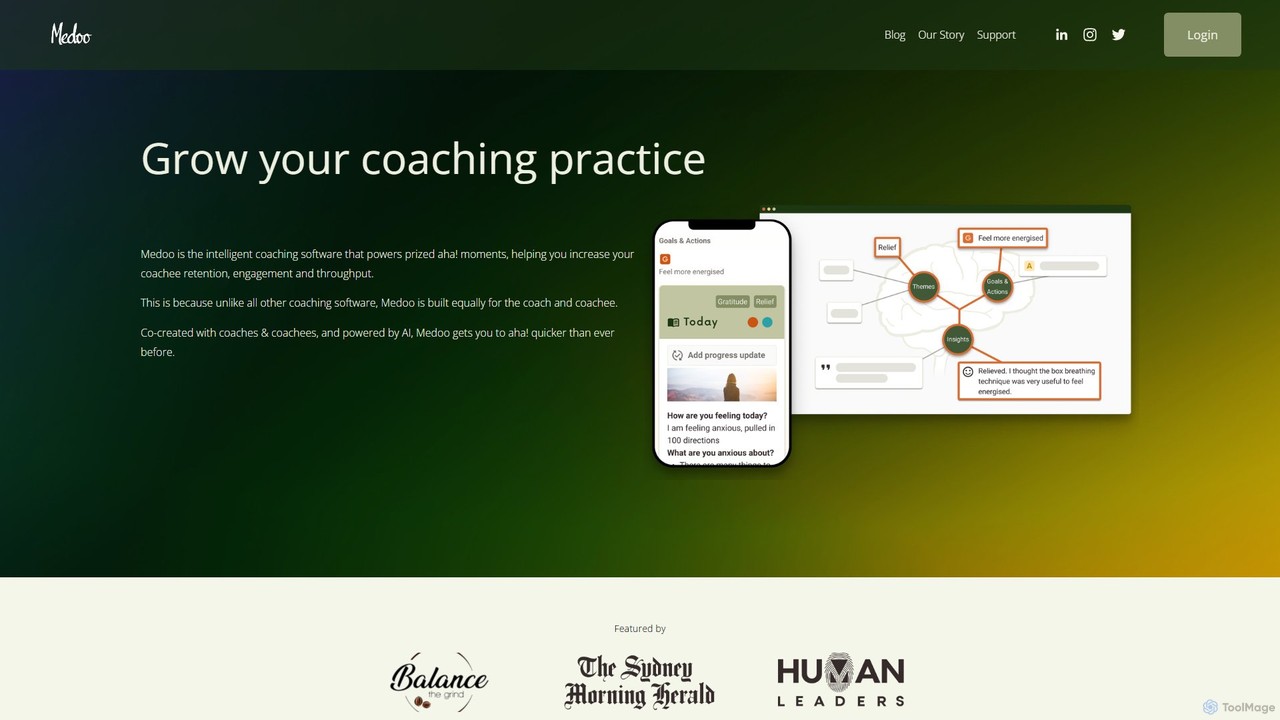
Medoo is an intelligent, AI-powered coaching software designed for coaches, therapists, and team leaders. It enhances client engagement and retention through a shared journal, goal tracking, and AI-generated insights, creating powerful 'aha!' moments for personal and professional growth.

Team Collaboration
Visits 4.8KFavorites 132Likes 136
beedone
Freemium

beedone

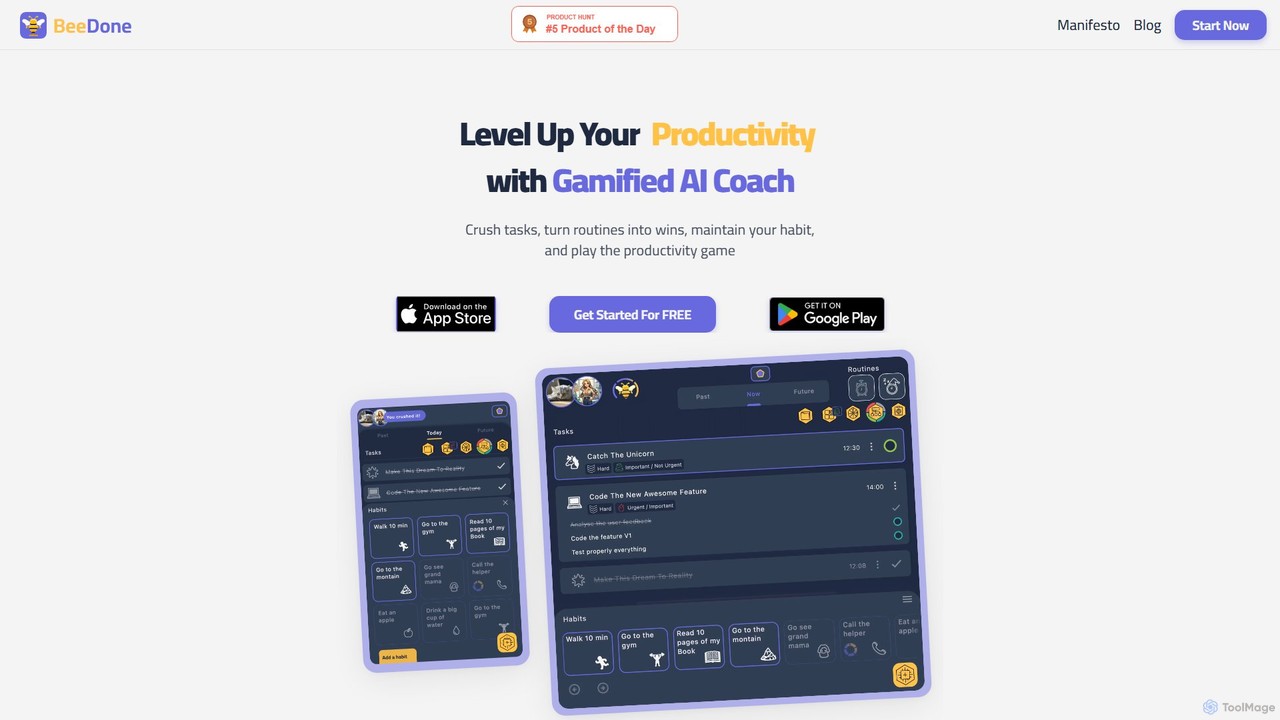
beedone is an AI-powered daily planner and task management game designed to make productivity fun and engaging. It helps users overcome procrastination and build lasting habits by combining smart to-do lists, gamified elements, and personalized routines. Elevate your efficiency and conquer your goals with this personal task wizard.

Goal Setting
Visits 9.7KFavorites 139Likes 155
Vision Boards AI
Paid

Vision Boards AI

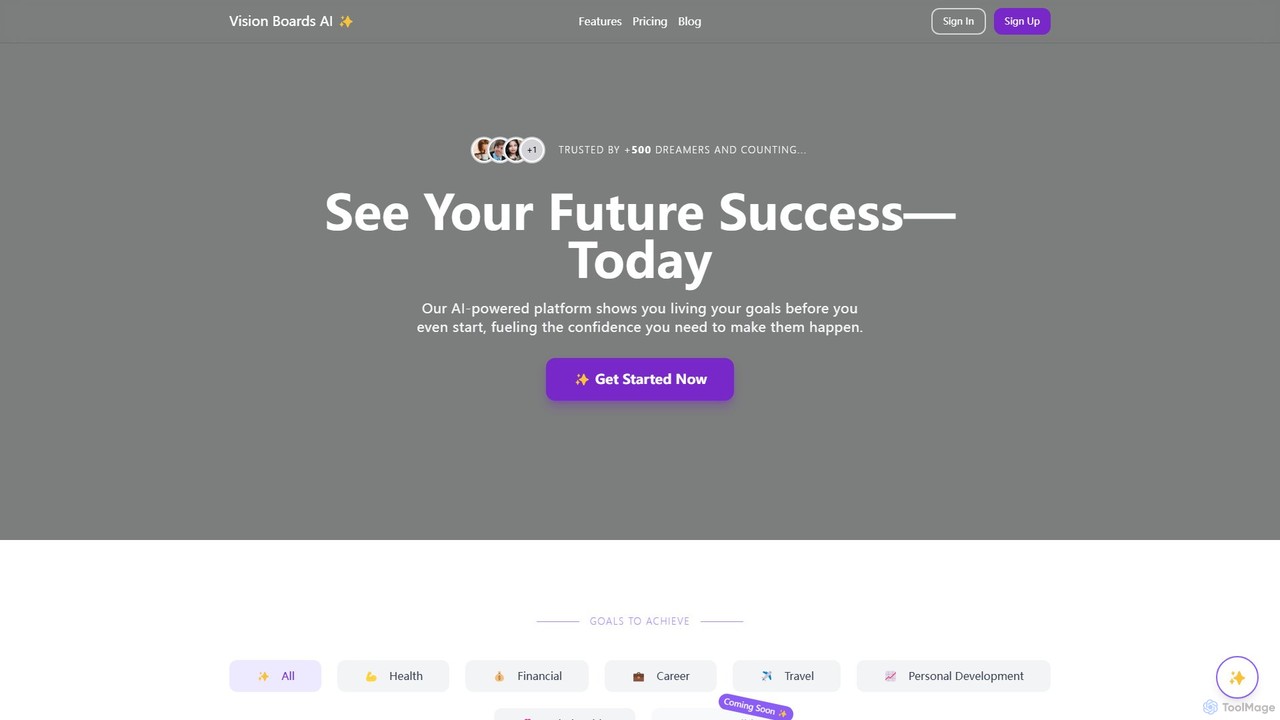
Vision Boards AI is an AI-powered platform that transforms your goals into personalized, photorealistic images. By visualizing yourself achieving your dreams in areas like career, health, and finance, the tool leverages psychological principles to boost motivation and accelerate success. It offers a unique, one-time payment model to create and download your custom vision boards.

Image Generation
Visits 4.3KFavorites 115Likes 121

About Goal Setting

AI Goal Setting tools are specialized applications that help individuals and teams define, track, and achieve long-term objectives. They utilize artificial intelligence to break down large ambitions into manageable steps, analyze progress patterns, and provide personalized recommendations to stay on track. These platforms move beyond simple to-do lists by creating dynamic, actionable roadmaps for personal development, career growth, or business milestones. Their core value lies in offering structured frameworks, data-driven insights, and motivational feedback to turn aspirations into reality.

Core Features

  • AI-Powered Goal Decomposition: Automatically breaks down a primary objective into smaller, sequential milestones and actionable tasks.
  • Progress Analytics & Forecasting: Visualizes progress with dashboards and uses historical data to predict completion timelines and identify potential roadblocks.
  • Personalized Action Plans: Suggests specific next steps, resources, or habit changes based on the user's goal and performance.
  • Motivational Feedback Loops: Delivers automated encouragement, reminders, and insights to maintain user engagement and momentum.

Use Cases

These tools are widely used by professionals for managing Objectives and Key Results (OKRs), entrepreneurs for tracking business growth milestones, students for structuring academic plans, and individuals for personal projects like fitness training or learning a new skill. They provide a clear framework for any long-term endeavor that requires consistent effort and tracking.

How to Choose

When selecting an AI Goal Setting tool, consider its support for different goal methodologies (e.g., SMART, OKRs). Evaluate its integration capabilities with other applications like calendars or project managers. Assess the depth of its analytics and reporting features, and consider the user interface's suitability for your specific planning style.

Featured tool rankings

Goal Setting use cases

1

Planning a Startup's Quarterly OKRs

A startup founder needs to align their team around key growth targets for the next quarter. They use an AI Goal Setting tool to define the primary Objective: 'Achieve Product-Market Fit'. The AI then helps break this down into measurable Key Results, such as 'Increase user retention by 15%', 'Conduct 50 customer interviews', and 'Achieve an NPS score of 40'. The tool automatically suggests tasks for each Key Result and assigns them to relevant team members, creating a clear, actionable roadmap visible to everyone.

2

Structuring a Personal Career Development Plan

A marketing professional aims to be promoted to a senior manager role within two years. Using an AI Goal Setting tool, they input this long-term goal. The AI suggests key milestones such as 'Complete a Leadership Certification', 'Successfully manage a high-impact campaign', and 'Mentor a junior team member'. For each milestone, the tool recommends specific actions, like enrolling in online courses or volunteering for project lead roles, and sets a timeline with reminders to ensure consistent progress toward the promotion.

3

Managing a Long-Term Fitness Goal

An individual decides to train for their first marathon, which is six months away. They use an AI Goal Setting app to create a training plan. The AI considers their current fitness level and generates a week-by-week schedule of runs, cross-training, and rest days. As the user logs their workouts, the tool's AI analyzes their performance, adjusts future workouts to prevent injury or burnout, and provides motivational messages and progress visualizations to keep them committed to their long-term goal.

4

Tracking Academic Goals for a University Student

A university student wants to achieve a high GPA while also building a portfolio for job applications. They use an AI Goal Setting tool to set a semester goal of a 3.8 GPA. The tool helps break this down into goals for each course, suggesting study schedules based on exam dates and assignment deadlines pulled from a synced calendar. It also allows them to set a parallel goal of 'Complete 3 portfolio projects', breaking it into research, design, and implementation phases with target completion dates for each.

5

Guiding a Sales Team to Meet Quotas

A sales manager sets a quarterly revenue target for their team. They use an AI Goal Setting platform that integrates with their CRM. The platform visualizes the team's overall progress toward the quota and also tracks individual performance. The AI identifies reps who are falling behind pace and suggests specific interventions, such as focusing on high-value leads or scheduling additional product training. This data-driven approach helps the manager provide targeted coaching and reallocate resources effectively to ensure the team goal is met.

6

Learning a New Language for Relocation

An individual plans to move to a new country in one year and needs to become proficient in the local language. They set a goal of 'Achieve B2 Level Proficiency' in an AI Goal Setting tool. The AI breaks this down into monthly milestones: 'Master basic grammar', 'Build a 1000-word vocabulary', 'Hold a 15-minute conversation', etc. It suggests daily tasks like 'Complete 2 app lessons', 'Practice speaking with a language partner', and 'Watch 30 minutes of local media'. The tool tracks consistency and provides feedback, helping the user build a sustainable learning habit.

Goal Setting FAQ

What are AI Goal Setting tools?

AI Goal Setting tools are specialized software designed to help users formulate, track, and achieve long-term objectives. Unlike simple task managers that focus on daily to-dos, these tools provide a strategic framework for larger ambitions. They use AI to break down goals into actionable steps, visualize progress over time, and offer personalized insights and motivation to keep users on track. They are ideal for personal development, career planning, and team-based objectives like OKRs.

How do AI Goal Setting tools differ from task managers?

The primary difference lies in their focus. Task managers (like To-Do lists) are tactical and focus on the 'what'—managing daily tasks and short-term activities. AI Goal Setting tools are strategic and focus on the 'why'—defining long-term outcomes and creating a roadmap to get there.

  • Goal Setting Tools: Focus on high-level objectives, progress over months or years, and strategic planning.
  • Task Managers: Focus on daily execution, checklists, and managing immediate workload.
Essentially, a goal setting tool helps you decide which mountain to climb, while a task manager helps you manage the individual steps of the climb.

Who should use an AI Goal Setting tool?

AI Goal Setting tools are beneficial for a wide range of users who want a structured approach to achieving long-term ambitions. This includes:

  • Professionals: For managing career development, tracking performance goals, or learning new skills.
  • Teams & Managers: For aligning team members around common objectives like OKRs and tracking collective progress.
  • Students: For planning academic semesters, managing study schedules, and working on long-term projects.
  • Individuals: For personal development goals such as fitness, learning a new hobby, or managing personal finance milestones.
Anyone who finds themselves setting big goals but struggling with the follow-through can benefit from the structure and accountability these tools provide.

What are the key features to look for in an AI Goal Setting tool?

When choosing an AI Goal Setting tool, look for features that support both planning and execution. Key features include:

  • Goal Decomposition: The ability for AI to break down large goals into smaller, manageable tasks or milestones.
  • Progress Visualization: Clear dashboards, charts, or timelines that show your progress over time.
  • Support for Frameworks: Compatibility with established methodologies like SMART goals or OKRs.
  • Integrations: The ability to connect with other tools you use, such as calendars, communication apps, or project managers.
  • Personalized Feedback: AI-driven insights, reminders, and motivational nudges to help you stay on course.

Can these tools integrate with other productivity apps?

Yes, many AI Goal Setting tools are designed to be part of a broader productivity ecosystem. Integration is a key feature for many platforms, allowing them to connect with applications you already use. Common integrations include:

  • Calendars: To sync deadlines, milestones, and schedule time for tasks (e.g., Google Calendar, Outlook).
  • Communication Tools: To send notifications and progress updates (e.g., Slack, Microsoft Teams).
  • Project/Task Managers: To link high-level goals with day-to-day tasks (e.g., Asana, Trello, Jira).
When choosing a tool, it's important to check its specific integration capabilities to ensure it fits seamlessly into your existing workflow.