Personal Development Best in category 4 results Emotional Intelligence AI Tool

Popular AI tools in the Emotional Intelligence field of Personal Development include Freudly、Heartune、PsychPal、Interachat, etc., helping you quickly improve efficiency.

PsychPal

PsychPal

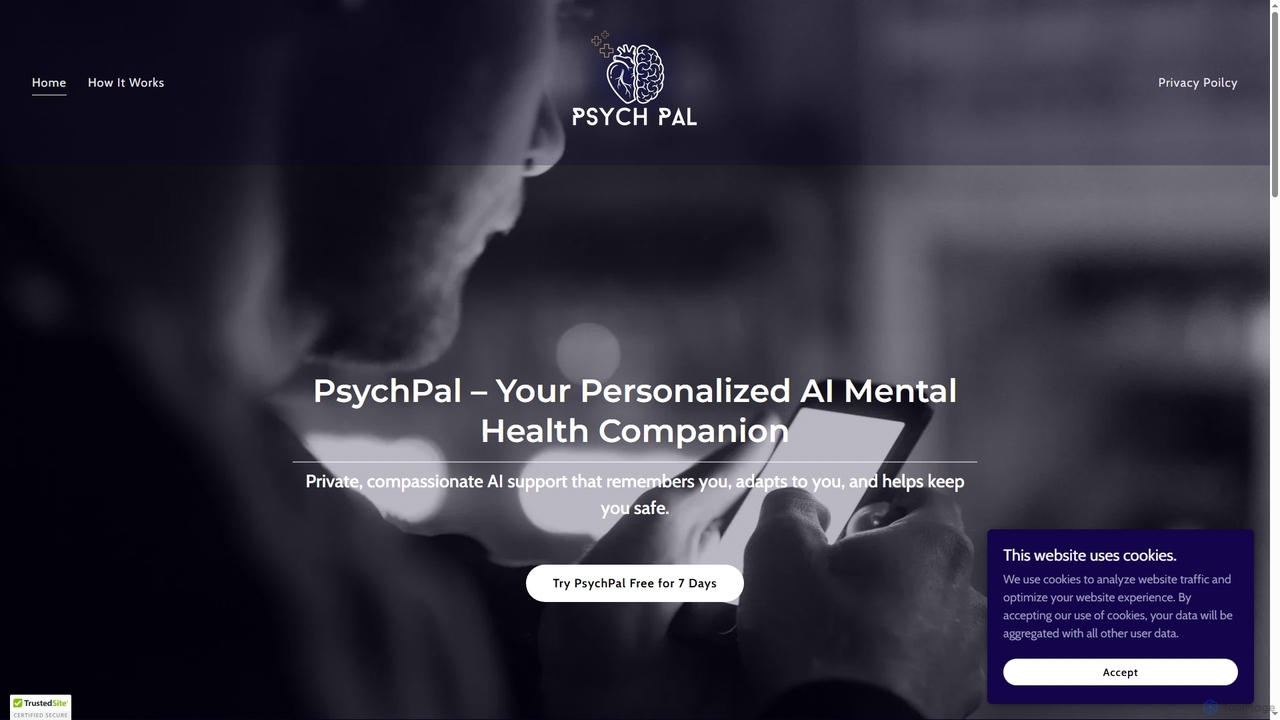
PsychPal is a personalized AI mental health companion offering private, compassionate support. It adapts to your needs, helps …

2.7K
Interachat

Interachat

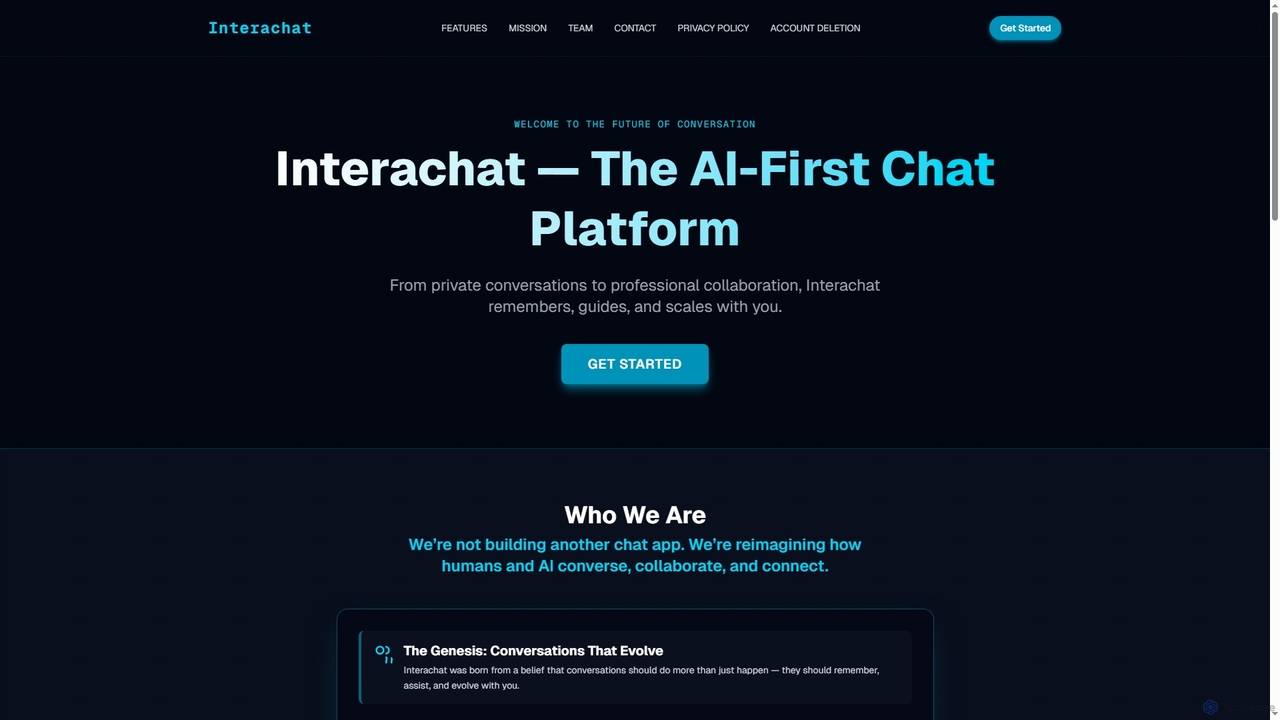
Interachat is an AI-first chat platform transforming conversations into intelligent, memory-driven, and private interactions. It offers an emotionally …

2.6K
Freudly

Freudly

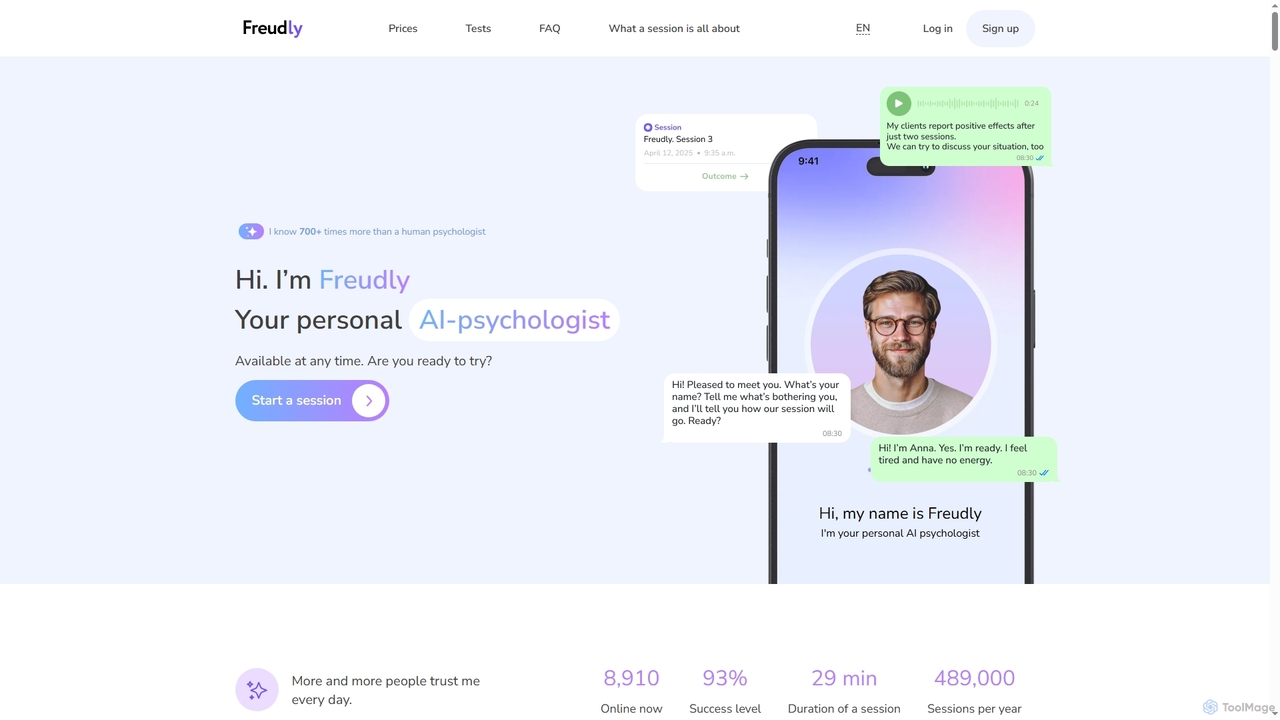
Freudly is an AI-powered personal psychologist offering 24/7 anonymous mental health support. It provides evidence-based therapy sessions, psychological …

256.1K
Heartune

Heartune

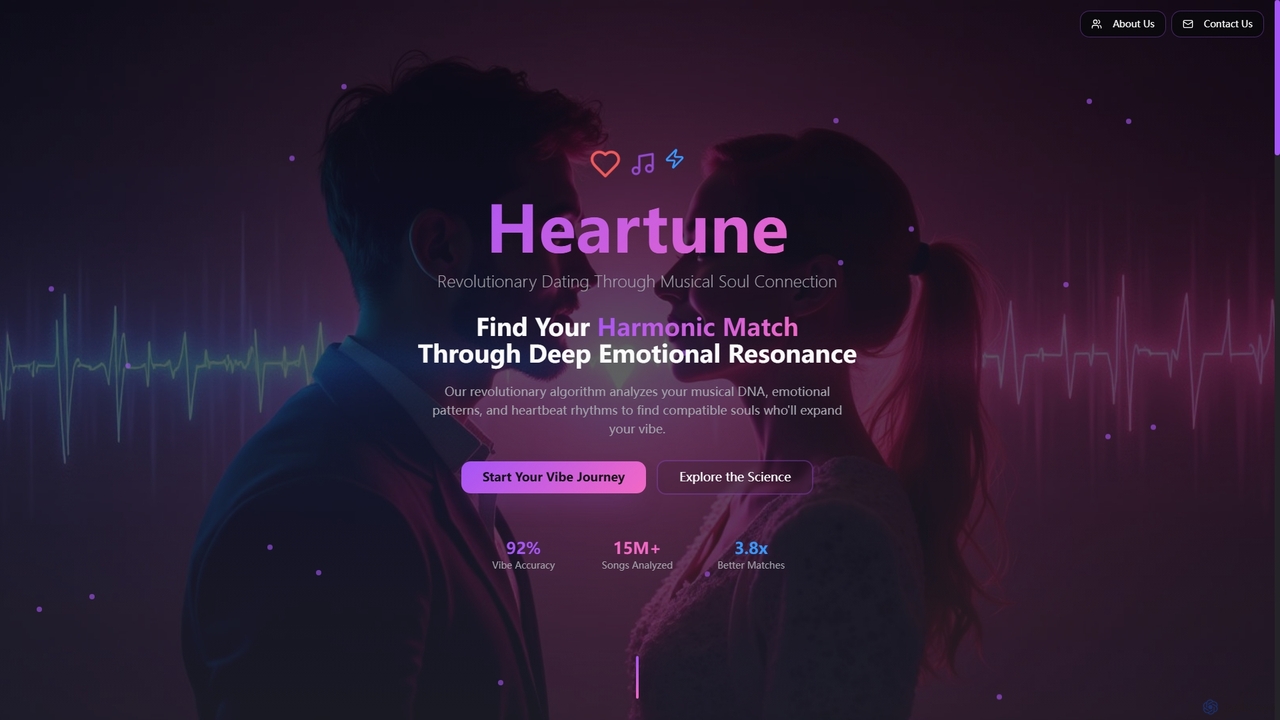
Heartune is a revolutionary AI-powered dating platform that connects individuals through deep musical and emotional resonance. It analyzes …

2.7K

About Emotional Intelligence

Emotional Intelligence AI tools are designed to enhance an individual's ability to understand, manage, and express emotions effectively. Leveraging advanced natural language processing and behavioral analytics, these platforms provide insights into emotional patterns and communication styles. They empower users to cultivate greater self-awareness, improve interpersonal relationships, and navigate social dynamics with enhanced empathy. These tools serve as a vital component within the broader field of personal development, offering data-driven pathways to emotional growth.

Core Features

  • Sentiment Analysis: Identifies emotional tone in text or speech to understand underlying feelings.
  • Behavioral Pattern Recognition: Detects recurring emotional responses or communication habits for self-reflection.
  • Personalized Feedback: Offers tailored advice for emotional regulation and social interaction based on user data.
  • Empathy Training Simulations: Provides interactive scenarios to practice understanding and responding to others' emotions.
  • Stress & Mood Tracking: Monitors emotional states over time to identify triggers and promote well-being.

Applicable Scenarios

These tools are highly valuable for individuals seeking self-improvement, professionals aiming to enhance leadership and team dynamics, and coaches or therapists supporting client emotional development. They can be used in corporate training for communication skills, personal development for stress management, and educational settings for fostering social-emotional learning.

How to Choose

When selecting an Emotional Intelligence AI tool, prioritize the accuracy of its emotional detection and the actionability of its insights. Ensure the tool offers robust data privacy and security measures, given the sensitive nature of emotional data. Consider its integration capabilities with your existing communication platforms and evaluate its user-friendliness for a seamless experience. Look for tools that provide personalized, evidence-based strategies rather than generic advice.

Emotional IntelligenceUse Cases

1

Enhance Professional Communication Skills

A sales professional uses an EI AI tool to analyze their email tone and meeting transcripts. The tool provides feedback on clarity, empathy, and potential misinterpretations, helping them refine their approach to build stronger client relationships and close deals more effectively. This leads to improved client satisfaction and higher conversion rates.

2

Improve Team Collaboration and Leadership

A team leader employs an EI AI platform to anonymously assess team sentiment during project discussions. The tool highlights areas of potential conflict or disengagement, allowing the leader to proactively address emotional dynamics, foster psychological safety, and guide the team towards more harmonious and productive collaboration.

3

Personal Stress Management and Emotional Regulation

An individual facing high-pressure situations utilizes an EI AI app to track their daily mood and identify stress triggers. The app offers guided exercises, mindfulness prompts, and personalized strategies for emotional regulation, helping the user develop resilience and maintain mental well-being.

4

Develop Empathy in Interpersonal Relationships

Someone struggling with understanding others' perspectives uses an EI AI tool with empathy training simulations. Through interactive role-playing and feedback, they learn to recognize non-verbal cues and emotional expressions, improving their ability to connect deeply with friends, family, and colleagues.

5

Support Coaching and Therapy Practices

A life coach integrates an EI AI assistant into their practice to provide clients with objective data on their emotional patterns and communication styles. This data complements coaching sessions, offering clients tangible insights for self-reflection and accelerating their emotional growth journey.

6

Optimize Customer Service Interactions

Customer service representatives use an EI AI tool that analyzes customer sentiment in real-time during calls or chats. The tool provides prompts to adjust tone, offer empathetic responses, and de-escalate tense situations, leading to higher customer satisfaction and improved service quality.

Emotional IntelligenceFrequently Asked Questions