ToolMage
Sign in

Best 3 Digital Legacy AI tools for Personal

Popular Digital Legacy AI tools in Personal include HereAfter AI, Maibrain, and MemoHugs, helping you work more efficiently.

Maibrain
Freemium

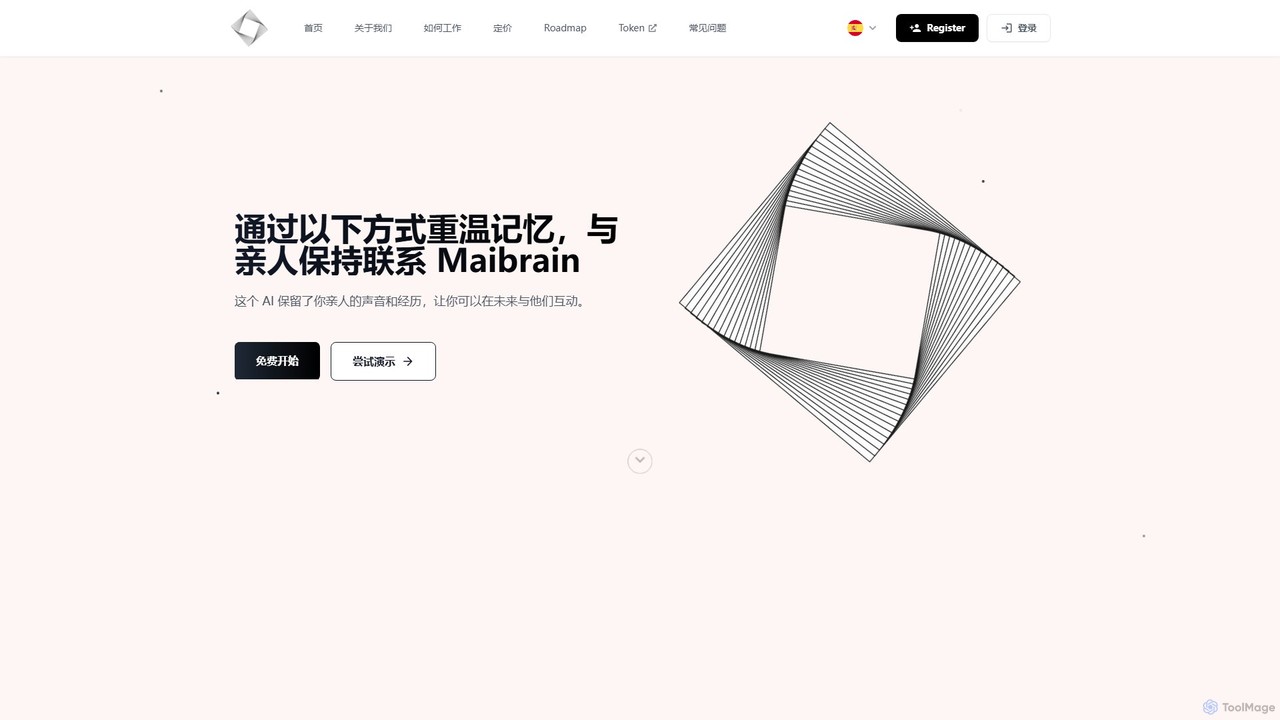
Maibrain

Maibrain is an AI platform that preserves the memories of your loved ones by cloning their voice and experiences. It allows you to create an interactive digital persona, enabling you to have conversations, relive special moments, and maintain a lasting emotional connection for generations to come.

Chatbots
Visits 5.7KFavorites 133Likes 146
HereAfter AI
Freemium

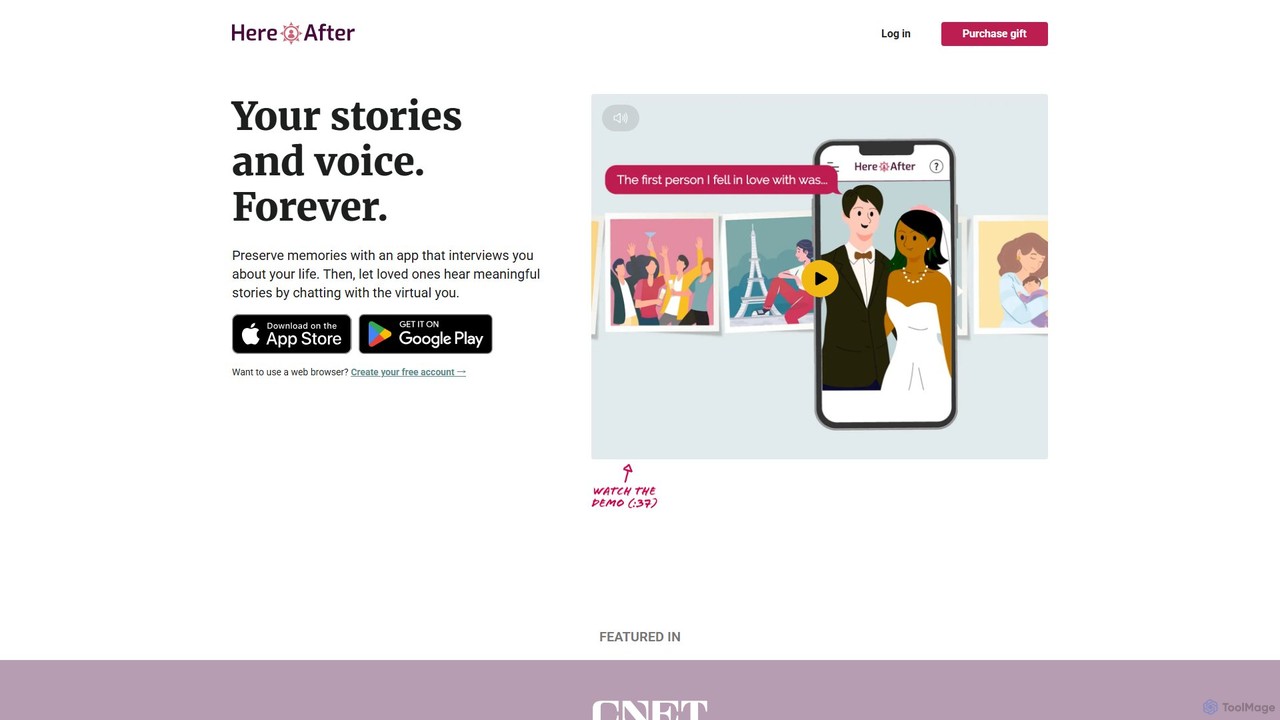
HereAfter AI

HereAfter AI is an interactive memory app that lets you preserve your life stories and personality through voice. It creates a conversational AI avatar that your family and friends can talk to, allowing them to hear your memories in your own voice, creating a living digital legacy.

Voice Cloning
Visits 34.9KFavorites 167Likes 142
MemoHugs

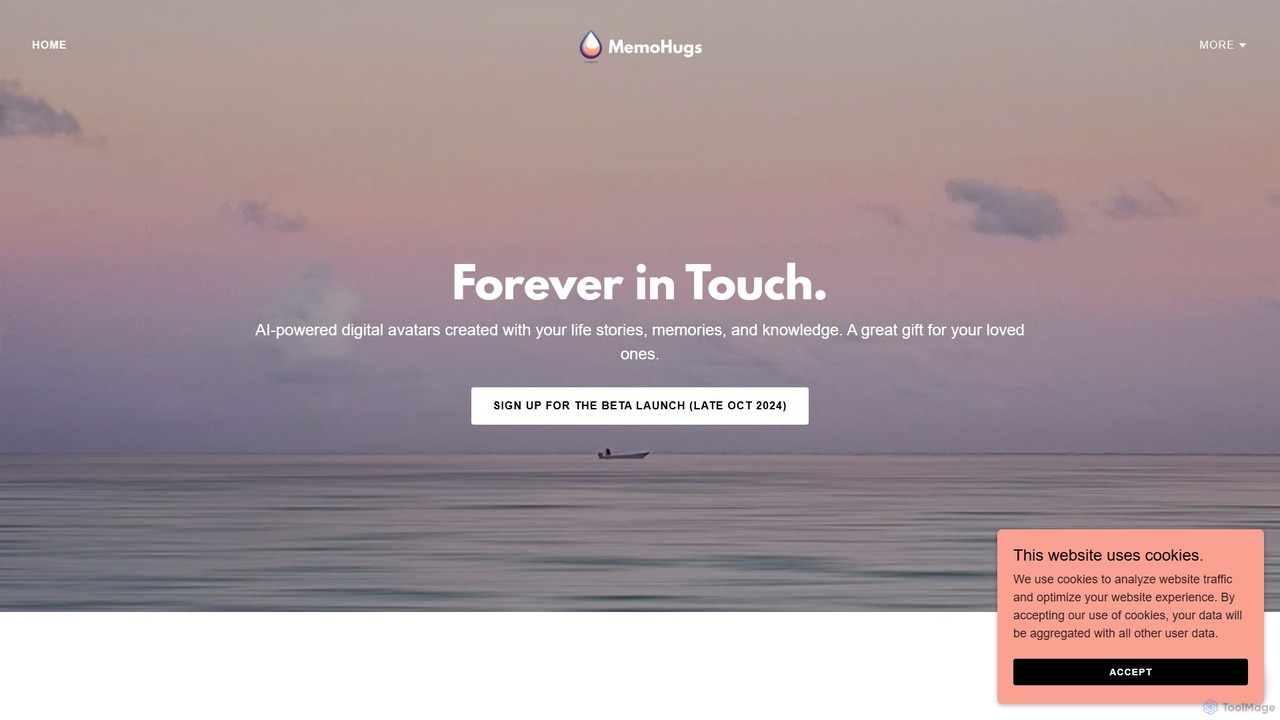
MemoHugs

MemoHugs creates AI-powered digital avatars from your life stories, memories, and knowledge. It serves as a lasting, interactive gift for loved ones, preserving your legacy and allowing you to stay forever in touch. Engage in chats and upload media to build a unique digital twin that reflects your personality and wisdom.

Digital Legacy
Visits 5.4KFavorites 118Likes 128

About Digital Legacy

Digital Legacy tools are AI-powered platforms designed to help individuals plan, manage, and secure their digital assets for future inheritance or deletion. These sophisticated tools leverage advanced encryption, automation, and sometimes AI-driven analysis to create a comprehensive inventory of online accounts, data, and digital property. They provide invaluable peace of mind by ensuring that digital footprints are handled precisely according to one's wishes, protecting privacy, and significantly easing the administrative burden on beneficiaries during difficult times. This proactive approach to digital afterlife planning is becoming increasingly crucial in our hyper-connected world, safeguarding both personal and professional online identities.

Core Features

  • Digital Asset Inventory: Securely catalog and store login credentials, account details, and important digital files across various platforms.
  • Beneficiary Assignment & Access Control: Designate trusted individuals to access or manage specific digital assets, with granular control over permissions and timing.
  • Automated Notification & Triggering: Set up automated alerts or controlled access releases to beneficiaries based on verified life events, such as incapacitation or death.
  • Secure Data Deletion: Implement robust protocols for the permanent and secure deletion of sensitive data, accounts, or entire digital profiles.
  • Legal Document Integration: Seamlessly link digital asset plans with traditional legal wills or comprehensive estate planning documents for a unified legacy strategy.

Use Cases

These tools are vital for anyone with a significant online presence, from individuals managing personal social media and email accounts to professionals with extensive digital portfolios, intellectual property, and cryptocurrency holdings. They are primarily used by those seeking to proactively manage their digital footprint, ensuring their online identity and assets are protected and either passed on or removed responsibly. Families and legal professionals also heavily utilize these platforms to navigate the complexities of digital estate settlement, streamlining access, ensuring compliance, and preventing potential disputes.

How to Choose

When selecting a Digital Legacy tool, prioritize robust security measures, including end-to-end encryption, multi-factor authentication, and clear data privacy policies. Evaluate the breadth of digital assets supported, from social media and cloud storage to financial accounts and cryptocurrencies, ensuring it covers all your needs. Assess the platform's ease of use for both the planner and designated beneficiaries, along with the clarity and reliability of its triggering mechanisms. Furthermore, consider its legal compliance with relevant estate laws and the transparency of its pricing models and customer support. A comprehensive solution should offer flexibility and peace of mind.

Digital Legacy use cases

1

Ensuring Social Media & Email Account Access

An individual wants to ensure their personal social media profiles (e.g., Facebook, Instagram) and email accounts are either memorialized, deleted, or transferred to a designated family member after their passing. Digital Legacy tools allow them to list these accounts, specify actions, and assign a trusted contact who can initiate these processes, preventing accounts from remaining dormant or being misused, and preserving their online narrative.

2

Securing Cryptocurrency & Digital Wallet Inheritance

A cryptocurrency investor holds significant digital assets in various wallets and exchanges. They use a Digital Legacy tool to securely store wallet keys, seed phrases, and exchange login details, along with instructions for their transfer. This ensures that beneficiaries can safely access and inherit these volatile assets without losing them due to forgotten passwords or lack of access, a common challenge in digital asset inheritance.

3

Preserving Family Digital Photos & Documents

A parent has thousands of cherished family photos, videos, and important documents stored across cloud services and local drives. They utilize a Digital Legacy tool to create an inventory of these digital archives, specify which family members should receive access, and provide clear instructions for their retrieval. This guarantees that invaluable memories and critical records are preserved and passed down to future generations, rather than being lost or inaccessible.

4

Managing Business Digital Assets for Entrepreneurs

An entrepreneur or small business owner has numerous digital assets crucial to their operations, including website hosting, domain registrations, software licenses, and client databases. They employ a Digital Legacy tool to document all these assets, assign access to business partners or designated successors, and outline continuity plans. This proactive measure ensures business operations can continue smoothly in their absence, protecting their legacy and preventing operational disruptions.

5

Automating Digital Account Deletion for Privacy

An individual highly values their online privacy and wishes for certain sensitive accounts or data to be permanently deleted upon their death, rather than being passed on. They configure a Digital Legacy tool to identify these specific accounts (e.g., dating apps, health portals, private forums) and execute secure deletion protocols. This ensures their personal data does not fall into unintended hands, upholding their privacy wishes beyond their lifetime.

6

Facilitating Digital Estate Planning for Legal Professionals

A legal professional specializing in estate planning uses Digital Legacy tools to help clients comprehensively manage their digital footprint as part of their will. The tool assists in cataloging all digital assets, integrating them into legal documents, and providing a secure, verifiable mechanism for beneficiaries to gain access. This streamlines the complex process of digital estate settlement, ensuring legal compliance and reducing the administrative burden on executors.

Digital Legacy FAQ

What are Digital Legacy tools?

Digital Legacy tools are specialized platforms designed to help individuals plan for the management, transfer, or deletion of their digital assets after their death or incapacitation. They act as a secure vault for online account credentials, digital documents, photos, and other virtual properties. Their core purpose is to ensure that your digital footprint is handled according to your wishes, providing peace of mind and simplifying the process for your beneficiaries.

How do I choose the right Digital Legacy tool?

When selecting a Digital Legacy tool, consider several key factors. Prioritize security features like strong encryption and multi-factor authentication to protect sensitive data. Evaluate the range of digital assets the tool supports, from social media to cryptocurrencies. Look for user-friendliness for both you and your designated beneficiaries. Assess the clarity and reliability of its triggering mechanisms, legal compliance, and the transparency of its pricing and customer support. A good tool offers flexibility and comprehensive coverage.

Why is Digital Legacy planning important?

Digital Legacy planning is crucial because our lives are increasingly digital, yet traditional wills often overlook online assets. Without a plan, valuable digital memories (photos, emails), financial assets (cryptocurrency, online banking access), or even professional accounts can be lost, inaccessible, or misused. It protects your privacy, prevents identity theft, eases the administrative burden on your family, and ensures your digital wishes are respected, avoiding potential legal complications or disputes.

What types of digital assets can Digital Legacy tools manage?

Digital Legacy tools can manage a wide array of digital assets. This includes social media accounts (Facebook, Instagram, X), email accounts (Gmail, Outlook), cloud storage (Dropbox, Google Drive), online banking and investment accounts, cryptocurrency wallets, domain names, websites, software licenses, digital photos and videos, e-books, and even gaming accounts. Essentially, any online account or digital file that holds personal, financial, or sentimental value can be included in your digital legacy plan.

How do Digital Legacy tools differ from standard password managers?

While both manage credentials, Digital Legacy tools have a distinct focus. Standard password managers are for daily access and personal convenience, securely storing passwords for your active use. Digital Legacy tools, however, are specifically designed for post-mortem or incapacitation scenarios. They include features like beneficiary assignment, automated access release based on verified events, and secure deletion protocols, which go beyond simple password storage to ensure your digital assets are managed according to your long-term wishes, often integrating with legal estate plans.