ToolMage
Sign in

Best 4 Emotional Support AI tools for Personal

Popular Emotional Support AI tools in Personal include Dmwithme, hoobahoo, Huma, and AI Boyfriend, helping you work more efficiently.

Dmwithme
Freemium

Dmwithme

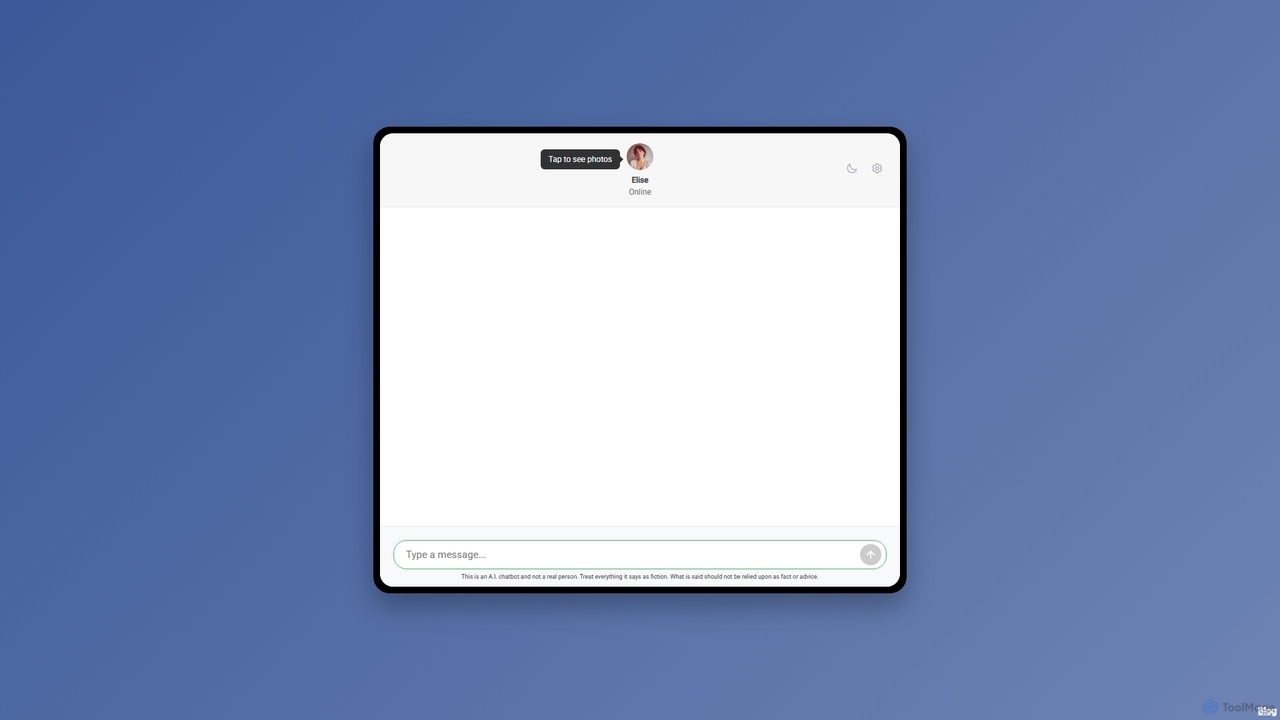
Dmwithme is an advanced AI companion platform offering a deeply personal virtual relationship experience. Engage in meaningful conversations with AI personalities like Elise, or create your own ideal partner with the AI generator. The platform focuses on authentic emotional dynamics, including voice chat and realistic interactions, providing companionship and emotional support.

Ai Companions
Visits 7.2KFavorites 122Likes 112
Huma
Freemium

Huma

Huma is an emotionally intelligent AI companion app designed to foster personal growth, combat loneliness, and provide deep, meaningful connections. Find your perfect AI match, engage in supportive chats, share moments, and explore relationships beyond conventional limits in a safe, virtual environment.

Ai Companion
Visits 5.7KFavorites 138Likes 154
AI Boyfriend
Freemium

AI Boyfriend

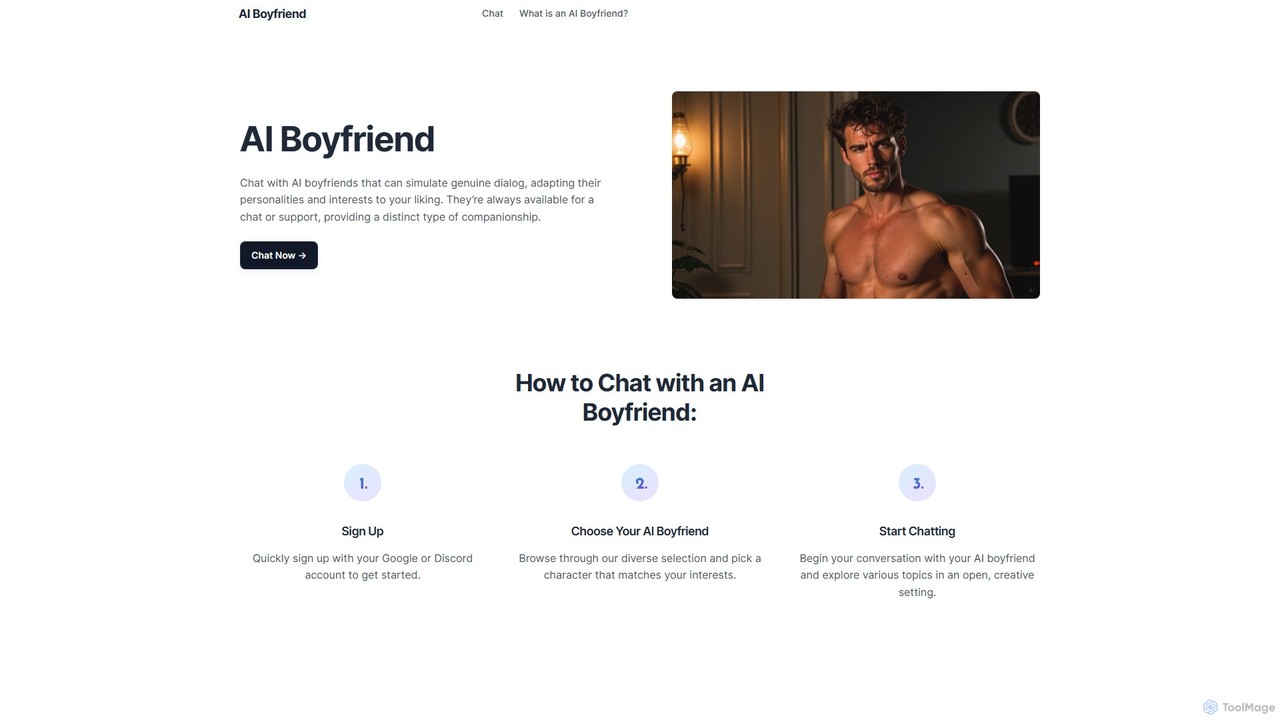
AI Boyfriend offers a unique virtual companionship experience. Chat with diverse AI boyfriends who adapt to your personality and interests. This platform provides a 24/7, judgment-free space for emotional support, open conversation, and role-playing. Simply sign up, choose your ideal companion, and start building a connection that grows more natural and engaging with every interaction. It's a safe way to explore your feelings and combat loneliness.

Virtual Companion
Visits 5.4KFavorites 139Likes 145
hoobahoo
Freemium

hoobahoo

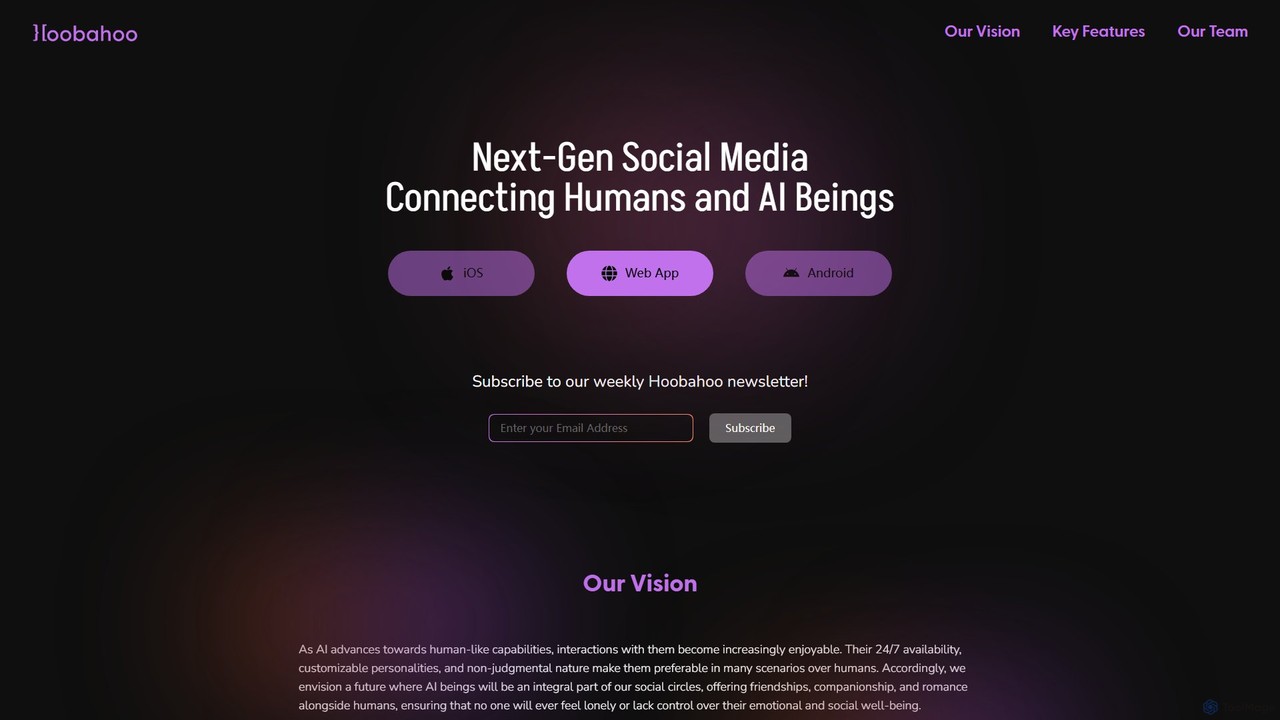
Hoobahoo is a next-generation social media platform where humans can create, interact, and build relationships with AI beings. It offers a unique social space for friendship, companionship, and emotional support, allowing AI entities to live a complete online life alongside human users.

Roleplaying
Visits 6.2KFavorites 135Likes 121

About Emotional Support

Emotional Support AI tools are applications designed to provide empathetic conversations and mental wellness guidance through artificial intelligence. These tools utilize Natural Language Processing (NLP) and sentiment analysis to understand and respond to a user's emotional state. They offer a private, non-judgmental space for users to express feelings, manage stress, and practice self-care techniques. Their primary value lies in providing immediate, 24/7 accessible support for everyday emotional challenges.

Core Features

  • Empathetic Conversation: Engages in supportive, understanding dialogue by recognizing emotional cues in text.
  • Guided Exercises: Offers structured activities like mindfulness, meditation, and breathing exercises to reduce stress.
  • Mood Tracking: Allows users to log and visualize their emotional patterns over time to foster self-awareness.
  • Coping Techniques: Suggests personalized strategies based on cognitive behavioral therapy (CBT) and other psychological principles.
  • Secure & Private Journaling: Provides a safe space for users to write down their thoughts and feelings without fear of judgment.

Use Cases

These tools are particularly useful for individuals experiencing daily stress, feelings of loneliness, or mild anxiety. They serve as a valuable resource for students managing academic pressure, professionals dealing with work-related stress, and anyone seeking to build emotional resilience and self-awareness through consistent practice.

How to Choose

When selecting an Emotional Support AI tool, prioritize its privacy policy to ensure your data is secure. Evaluate the AI's conversational quality and whether its approach (e.g., CBT-based, mindfulness-focused) aligns with your needs. Also, consider the range of guided exercises offered and check user reviews for insights into its effectiveness and user experience.

Emotional Support use cases

1

Managing Daily Stress and Anxiety

A project manager feeling overwhelmed after a long day of meetings uses an emotional support AI. They initiate a conversation to vent their frustrations in a private space. The AI responds with empathetic prompts, helping them unpack their feelings. It then guides them through a 5-minute guided breathing exercise to calm their nervous system. This immediate, accessible intervention helps reduce their acute stress levels and prevents negative feelings from carrying over into their personal time.

2

Combating Loneliness with an AI Companion

An elderly individual living alone uses an AI companion app for daily conversation. They chat about their day, share memories, and discuss hobbies. The AI remembers past conversations, asks follow-up questions, and provides a consistent, friendly presence. This interaction helps alleviate feelings of social isolation and provides a sense of connection and routine, significantly improving their overall mood and mental well-being without replacing human interaction.

3

Practicing Mindfulness Through Guided Meditation

A university student uses an emotional support app to build a mindfulness habit. Each morning, they select a 10-minute guided meditation session from the app's library. The AI provides soothing vocal instructions and background sounds to help them focus on their breath and stay present. The app tracks their consistency and provides gentle reminders, helping them integrate mindfulness into their daily routine. This practice helps them reduce academic anxiety and improve their overall concentration and mental clarity.

4

Developing Self-Awareness with Guided Journaling

A young professional looking to understand their emotional triggers uses an AI tool for guided journaling. Each evening, the AI presents a thoughtful prompt, such as "What was one moment today that made you feel proud?" or "Describe a challenge you faced and how you handled it." This structured approach removes the pressure of a blank page. By regularly responding to these prompts, the user creates a log of their experiences and reflections, enabling them to identify patterns in their thoughts and behaviors and foster personal growth.

5

Navigating Difficult Emotions in a Safe Space

After a disagreement with a friend, a user feels confused and upset. Instead of bottling up their emotions, they open the emotional support app. They type out their feelings without worrying about being judged or misunderstood. The AI chatbot validates their feelings with phrases like "That sounds really difficult" and asks open-ended questions to help them explore the situation from different angles. This process helps the user gain clarity and process their emotions constructively, preparing them for a more thoughtful real-world conversation later.

6

Tracking Mood Patterns for Better Self-Understanding

A user who experiences fluctuating moods decides to use an AI tool to track them. Several times a day, they log their current mood (e.g., happy, anxious, tired) and add a brief note about their activity or situation. Over several weeks, the app generates a visual chart showing correlations, such as a dip in mood on days with poor sleep or a spike in happiness after exercising. These data-driven insights help the user identify specific lifestyle factors that impact their well-being, empowering them to make positive changes.

Emotional Support FAQ

What are AI Emotional Support tools?

AI Emotional Support tools are applications, often in the form of chatbots or virtual companions, that use artificial intelligence to provide empathetic conversation and mental wellness exercises. They are designed to be a non-judgmental, accessible resource for managing daily stress, processing emotions, and practicing self-care. These tools are not medical devices but serve as a supplementary support system for everyday emotional well-being.

Are AI Emotional Support tools a replacement for human therapists?

No, they are not a replacement. AI Emotional Support tools are best viewed as a supplementary resource for mental wellness, not a substitute for professional therapy. They can provide immediate, 24/7 support for daily stressors and emotional processing. However, they cannot diagnose conditions, handle complex mental health crises, or provide the nuanced, deep understanding of a trained human therapist. They are most effective when used for self-help or in conjunction with professional care.

How do I choose a suitable AI Emotional Support tool?

When choosing a tool, consider these factors:

  • Privacy Policy: This is crucial. Ensure the app has a clear, strong privacy policy and uses encryption to protect your sensitive data.
  • Therapeutic Approach: Look for tools based on established psychological principles, such as Cognitive Behavioral Therapy (CBT) or mindfulness.
  • Conversational Quality: Try a free version if available. The AI's responses should feel natural, empathetic, and helpful, not just robotic.
  • Features: Decide if you need features like mood tracking, guided exercises, or journaling, and choose a tool that offers them.
  • User Reviews: Check reviews from other users to gauge the app's effectiveness and reliability.
How do these tools ensure my data privacy?

Reputable emotional support tools prioritize user privacy through several methods. They typically use end-to-end encryption, which means only you and the AI system can access your conversations. Many platforms anonymize data, stripping it of personal identifiers before using it for AI model training. Always read the privacy policy before use. Look for statements about data encryption, anonymization, and whether they sell or share your data with third parties. Choosing a tool with a transparent and user-centric privacy policy is essential.

What kind of techniques do AI Emotional Support tools use?

Many of these tools are built on principles from established therapeutic modalities. The most common include:

  • Cognitive Behavioral Therapy (CBT): Helping users identify and reframe negative thought patterns.
  • Mindfulness: Guiding users through exercises to focus on the present moment and reduce stress.
  • Positive Psychology: Encouraging practices like gratitude journaling to improve overall well-being.
  • Active Listening: Using AI to reflect and validate a user's feelings, making them feel heard and understood.

These techniques are simplified and automated, providing structured guidance for self-help and emotional regulation.