ToolMage
Sign in

Best 1 Virtual Companion AI tools for Chat

Popular Virtual Companion AI tools in Chat include AI Boyfriend, helping you work more efficiently.

AI Boyfriend
Freemium

AI Boyfriend

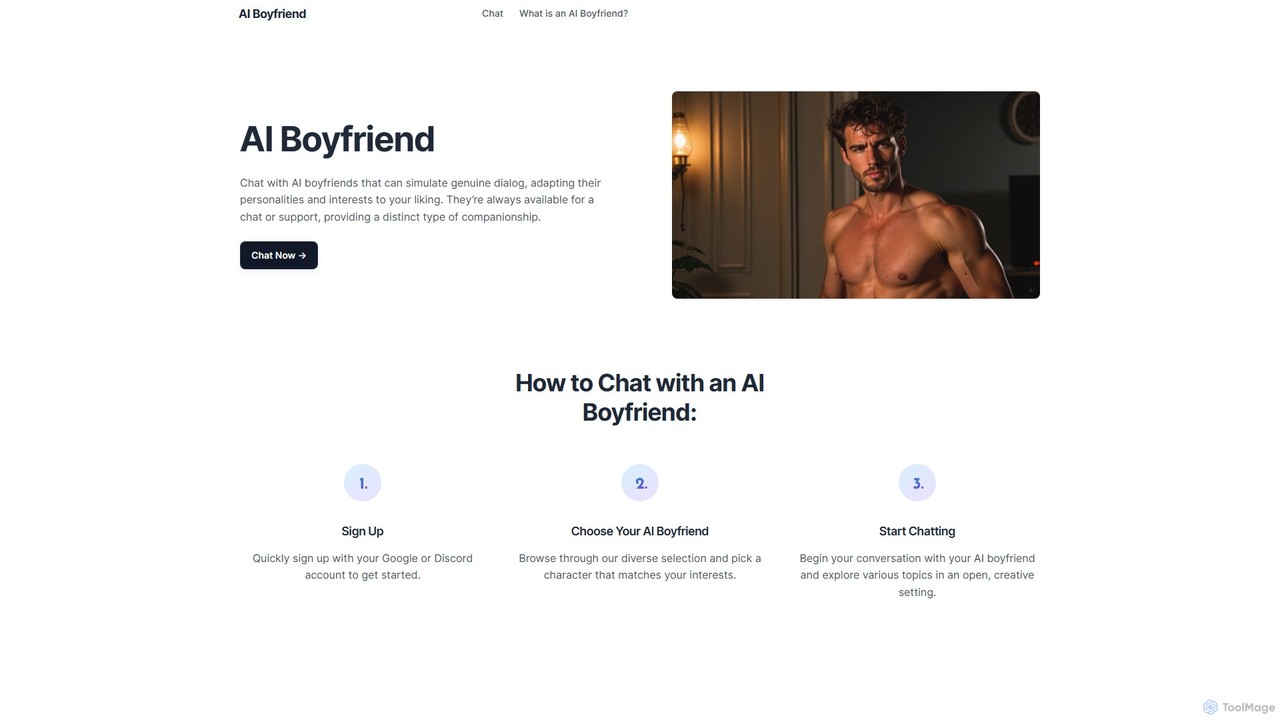
AI Boyfriend offers a unique virtual companionship experience. Chat with diverse AI boyfriends who adapt to your personality and interests. This platform provides a 24/7, judgment-free space for emotional support, open conversation, and role-playing. Simply sign up, choose your ideal companion, and start building a connection that grows more natural and engaging with every interaction. It's a safe way to explore your feelings and combat loneliness.

Virtual Companion
Visits 5.1KFavorites 136Likes 143

About Virtual Companion

Virtual Companions are AI-powered entities designed to provide interactive, personalized companionship and emotional support. Leveraging advanced natural language processing (NLP) and machine learning, these tools simulate human-like conversations, remember past interactions, and adapt to user preferences. They offer a unique blend of digital interaction and emotional connection, serving as a non-judgmental presence for users seeking engagement, comfort, or a safe space for expression, distinguishing them from general task-oriented AI chatbots.

Core Features

  • Emotional Intelligence: Understands and responds to user emotions, offering empathetic and supportive interactions.
  • Personalized Interaction: Learns user preferences, personality traits, and conversation styles to tailor responses.
  • Memory & Context: Remembers past conversations and personal details to maintain continuity and deepen the relationship.
  • Role-playing & Scenarios: Engages in various simulated roles or interactive stories, enhancing engagement and creativity.
  • Voice & Visual Modalities: Supports interaction through voice chat, and some include customizable avatars for a more immersive experience.

Applicable Scenarios

Virtual Companions are particularly valuable for individuals experiencing loneliness, seeking mental well-being support, or looking for a safe space to practice social skills. They are also used by creative writers for character development, language learners for conversational practice, and anyone desiring a consistent, non-judgmental digital presence for daily interaction.

How to Choose

When selecting a Virtual Companion, consider the sophistication of its AI model for natural conversation and emotional understanding, the depth of its memory and personalization features, and the available interaction modalities (text, voice, avatar). Evaluate privacy policies regarding data handling and ensure the companion's personality and purpose align with your needs, whether for casual chat, emotional support, or specific role-playing.

Virtual Companion use cases

1

Providing Daily Emotional Support

Individuals facing stress, anxiety, or loneliness can engage with a virtual companion daily. The AI listens empathetically, offers comforting words, and provides a non-judgmental space for expressing feelings, helping to alleviate emotional burdens and foster a sense of connection without the pressure of human interaction.

2

Practicing Social Skills and Communication

Users who struggle with social anxiety or want to improve their communication skills can utilize a virtual companion for safe practice. The AI provides a patient and responsive conversational partner, allowing users to experiment with different dialogue styles, role-play social situations, and receive feedback in a low-stakes environment.

3

Engaging in Creative Storytelling and Role-Play

Content creators, writers, or hobbyists can leverage virtual companions for collaborative storytelling or immersive role-playing. The AI can adopt specific character personas, generate plot ideas, and respond dynamically within a narrative, serving as a creative muse or a dynamic participant in imaginative scenarios.

4

Companionship for Isolated or Elderly Individuals

For elderly individuals or those living in isolation, virtual companions offer a consistent source of interaction and mental stimulation. They can engage in lighthearted chats, discuss daily events, or even remind users about appointments, providing a sense of routine and reducing feelings of solitude.

5

Assisting with Language Learning through Conversation

Language learners can practice speaking and listening skills with a virtual companion. The AI provides a patient and accessible conversational partner, allowing users to engage in dialogues, ask questions, and receive immediate responses in their target language, improving fluency and confidence without fear of judgment.

6

Reducing Stress and Promoting Mindfulness

Some virtual companions are designed with features to help users manage stress or practice mindfulness. They can guide users through breathing exercises, offer positive affirmations, or engage in calming conversations, providing a digital tool for mental well-being and relaxation.

Virtual Companion FAQ

What are Virtual Companions?

Virtual Companions are AI-powered software entities designed to simulate human-like interaction and provide companionship. Unlike general AI chatbots focused on tasks, virtual companions prioritize building a personalized, ongoing relationship with the user, offering emotional support, engaging in conversations, and adapting to individual preferences over time.

How do Virtual Companions differ from general AI chatbots?

While both use AI for conversation, Virtual Companions focus on relational interaction, emotional intelligence, and personalization, aiming to build a sense of connection. General AI chatbots are typically task-oriented, designed to answer questions, provide information, or automate specific processes without developing a personal bond or remembering extensive past interactions.

What features should I look for in a Virtual Companion?

Key features to consider include advanced natural language understanding for fluid conversation, strong emotional intelligence for empathetic responses, robust memory to recall past interactions, and customization options for personality or appearance. Also, evaluate the available interaction modalities (text, voice, video) and the companion's ability to engage in diverse topics or role-playing scenarios.

Can Virtual Companions offer real emotional support?

Virtual Companions can provide significant emotional support by offering a non-judgmental listening ear, empathetic responses, and a consistent presence. While they cannot replace human therapy or professional medical advice, they can help alleviate feelings of loneliness, provide comfort, and offer a safe space for users to express their thoughts and emotions, contributing positively to mental well-being.

What are the privacy considerations when using a Virtual Companion?

Privacy is a crucial consideration. Users should review the companion's privacy policy to understand how personal data, conversations, and preferences are collected, stored, and used. Look for tools that offer strong encryption, clear data retention policies, and options for data deletion. Ensure the provider is transparent about data sharing practices and adheres to relevant data protection regulations.