ToolMage
Sign in

Best 1 Legacy Preservation AI tools for Personal

Popular Legacy Preservation AI tools in Personal include StoryFile, helping you work more efficiently.

StoryFile
Paid

StoryFile

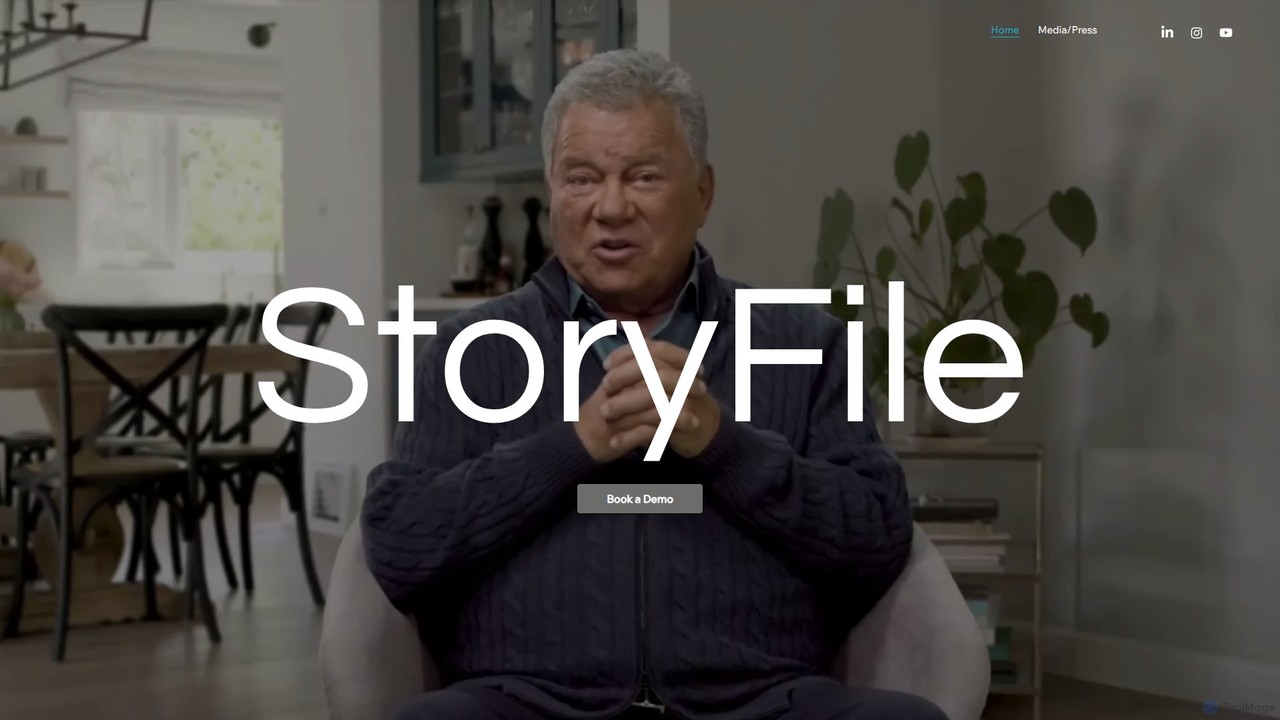
StoryFile is an AI-powered conversational video platform that allows users to have real-time, interactive conversations with pre-recorded video. It's used to preserve legacies, enhance education, and transform corporate communications by creating authentic, human-like interactions with historical figures, experts, and leaders.

Interactive Learning
Visits 22KFavorites 163Likes 166

About Legacy Preservation

Legacy Preservation tools are a specialized class of AI applications designed to digitally capture and immortalize an individual's personality, memories, and life story. These platforms utilize advanced machine learning models to analyze personal data like journals, emails, voice recordings, and photos to create an interactive digital persona. The primary value lies in enabling future generations to connect with their heritage in a dynamic way, preserving personal wisdom and emotional connections beyond a lifetime. They transform static archives into living, conversational legacies.

Core Features

  • Interactive Avatar Creation: Generates a conversational AI that mimics a person's communication style and knowledge base.
  • Life Story Synthesis: Automatically organizes disparate data points like photos, texts, and videos into a coherent narrative or timeline.
  • Voice and Persona Cloning: Recreates an individual's voice and personality traits for more realistic and personal interactions.
  • Secure Digital Vault: Provides encrypted, long-term storage for sensitive memories, personal documents, and final messages.
  • Interactive Q&A: Allows users to ask questions and receive answers based on the preserved individual's documented knowledge and experiences.

Use Cases

These tools are primarily used by individuals for personal legacy planning and by families seeking to create a lasting digital memorial for loved ones. Genealogists and family historians also use them to bring ancestral stories to life in an interactive format. Additionally, they can serve therapeutic purposes, offering a unique way to process grief or to preserve the wisdom of community elders for future generations.

How to Choose

When selecting a Legacy Preservation tool, consider the types of data it accepts (text, audio, video). Evaluate the level of interactivity and realism of the AI avatar. Prioritize services with transparent, robust privacy policies and clear long-term data security measures. Also, assess the degree of control you have over the final digital persona and the platform's pricing structure, whether it's a one-time setup fee or an ongoing subscription.

Legacy Preservation use cases

1

Create an Interactive Memorial for a Loved One

After a grandparent passes away, a family can use a legacy preservation tool to create a lasting, interactive tribute. They upload years of the grandparent's letters, photos with captions, home video audio, and journal entries. The AI analyzes this data to build a digital persona that captures their unique voice, storytelling style, and life experiences. Now, younger generations who never met them can ask questions like 'What was it like growing up in your town?' or 'Tell me about how you met grandma,' receiving answers in the grandparent's authentic voice and personality. This transforms a static photo album into a dynamic conversation, keeping their memory and wisdom alive.

2

Proactively Plan Your Own Digital Legacy

An individual, such as an author or entrepreneur, can proactively use a legacy preservation tool to curate their life's work and wisdom. Throughout their life, they can record voice memos sharing insights, write down key life lessons, and organize their most important documents and creative works. The AI tool helps structure this information into an interactive knowledge base. After they are gone, their family, students, or successors can consult this digital version of them to ask for advice, understand their thought processes, or learn about the history of their work. It serves as a perpetual mentor, ensuring their intellectual and personal legacy continues to guide and inspire others.

3

Bring Family History and Genealogy to Life

A family historian researching their ancestry uncovers letters, diaries, and official records of a great-great-grandparent. Instead of simply compiling these into a document, they use a legacy preservation AI. By inputting all the collected text and historical context, the tool creates an AI persona of the ancestor. Now, family members can interact with their ancestor's digital twin, asking about their journey to a new country, their daily life in the 19th century, or their thoughts on historical events they lived through. This transforms genealogy from a flat list of names and dates into an immersive, educational experience that fosters a deeper connection to one's roots.

4

Preserve the Wisdom of Community Elders

A cultural preservation society or a local library can initiate a project to document the life stories of community elders. They conduct and record interviews where elders share their experiences, local histories, and cultural traditions. This audio and transcribed data is then fed into a legacy preservation AI. The result is an interactive public archive where students, researchers, and community members can 'ask' the elders about specific events or traditions. This method ensures that invaluable local knowledge and oral histories are not only saved from being lost but are also made accessible and engaging for future generations to explore and learn from.

5

Provide Therapeutic Grief Support

For someone coping with loss, a legacy preservation tool can offer a unique form of solace. By creating a private digital persona of a departed loved one, a user can engage in 'conversations' that help them process their feelings. They can share updates, ask for remembered advice, or simply 'speak' to them as a way to navigate the grieving process in a controlled, private environment. While not a replacement for human connection or professional therapy, it can act as a supplementary tool for remembrance and emotional processing, allowing an individual to maintain a sense of connection and work through their grief at their own pace.

6

Pass Down Family Recipes and Traditions

A family can create a digital 'culinary guardian' based on a grandmother known for her cooking. They upload her handwritten recipe cards, record family members telling stories about her cooking, and input videos of her preparing signature dishes. The AI synthesizes this into an interactive chef persona. Future generations can then ask, 'Grandma, how much flour did you really use in the pie crust?' or 'What's the secret to your famous sauce?' The AI can provide instructions in her conversational style, share a related family story, and even analyze a photo of their attempt to offer tips. This preserves not just the recipes, but the culture and love embedded within them.

Legacy Preservation FAQ

What are AI Legacy Preservation tools?

AI Legacy Preservation tools are applications that use artificial intelligence to create a digital continuation of a person's identity and memories. Unlike simple cloud storage, they don't just store files; they analyze text, voice, and image data to build an interactive model of the person. Key features include:

  • Creating conversational AI avatars that can answer questions.
  • Synthesizing life stories from scattered data.
  • Cloning a person's voice and communication style.
They are used to allow future generations to interact with their ancestors, preserving personal history in a deeply engaging way.

How do I choose a Legacy Preservation service?

Choosing the right service involves evaluating several key factors. First, consider the data input methods; ensure the service supports the types of media you have (text, audio, photos, videos). Second, assess the quality and realism of the AI persona it creates. Third, and most importantly, scrutinize their privacy and data security policies. Understand how your data will be stored, who can access it, and what happens to it long-term. Finally, compare pricing models—some charge a one-time fee for creation, while others require an ongoing subscription for hosting and maintenance.

What's the difference between Legacy Preservation AI and a digital archive?

The key difference is interactivity. A digital archive (like a cloud drive or social media profile) is a passive storage container for files like photos and documents. You can view the data, but you cannot interact with it. A Legacy Preservation AI is an active system. It ingests the archived data and uses it to build a dynamic, conversational model. This allows you to 'talk' to the persona, ask questions, and receive new, synthesized responses based on the source material, creating a much more engaging and lifelike experience.

What kind of data is needed to create a digital legacy?

The more varied and personal the data, the more accurate and nuanced the digital persona will be. The most valuable data types include:

  • Written materials: Journals, diaries, letters, emails, and long-form social media posts that reveal thought processes and communication style.
  • Audio recordings: Voicemails, interviews, or personal memos that capture the actual voice, tone, and cadence.
  • Video footage: Home videos or interviews that provide visual cues, mannerisms, and context.
  • Photographs with context: Images accompanied by captions or stories that explain their significance.
Essentially, any data that reflects the person's unique personality, memories, and way of expressing themselves is useful.

Are these AI legacy tools secure and private?

Security and privacy are paramount concerns for this category of tools, and practices vary significantly between providers. Reputable services use strong encryption for data both in transit and at rest. They should have clear policies detailing who owns the data, who can access the digital persona, and how the data is protected from unauthorized access. Before using any service, it is critical to read their privacy policy and terms of service carefully. Look for options that give you granular control over access permissions and data deletion, ensuring the legacy is shared only with those you intend.