ToolMage
Sign in

Best 8 Interactive Learning AI tools for Education

Popular Interactive Learning AI tools in Education include StoryFile, Ask Famous People, Chai Reader, Fableoo, FanChat, V5games, MeslAI, and KPainter, helping you work more efficiently.

KPainter

KPainter

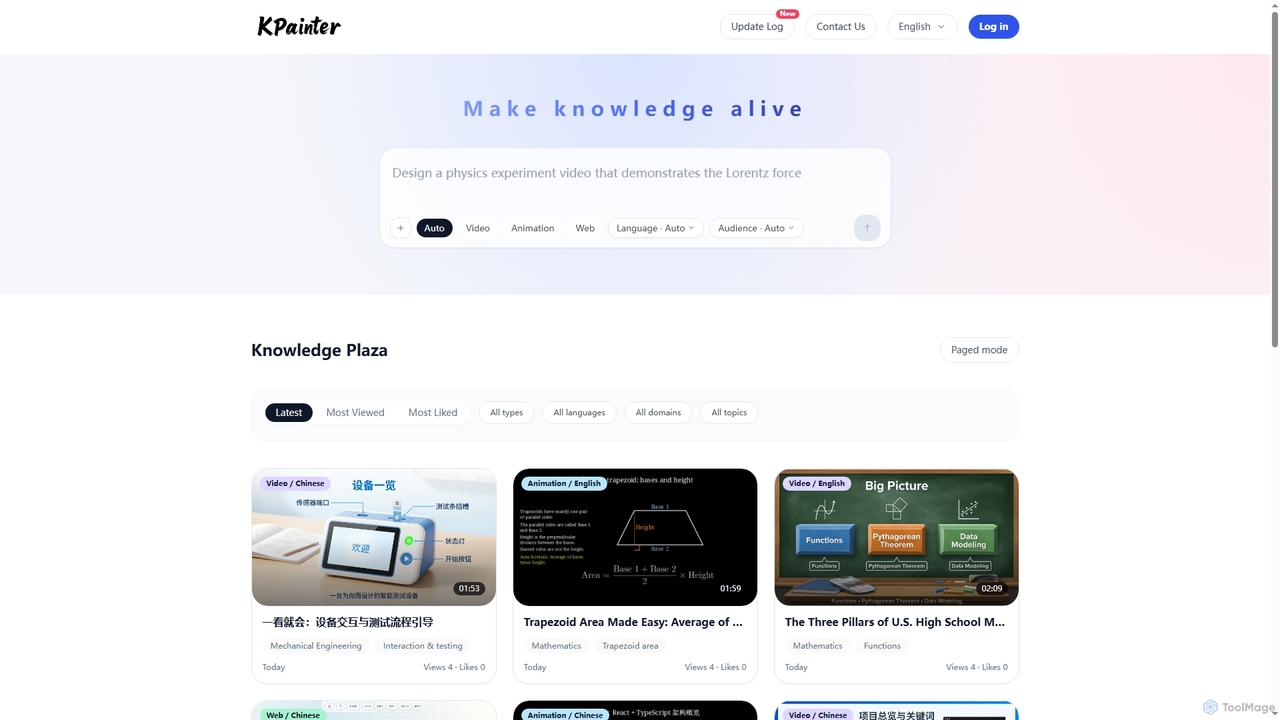
KPainter is an innovative AI tool that transforms static knowledge from text, images, or PDFs into dynamic, interactive, and multimodal educational content. It generates engaging videos, animations, and web experiences, making complex ideas tangible and learning personalized for various audiences.

Video Generation
Visits 3.4KFavorites 41Likes 47
Chai Reader

Chai Reader

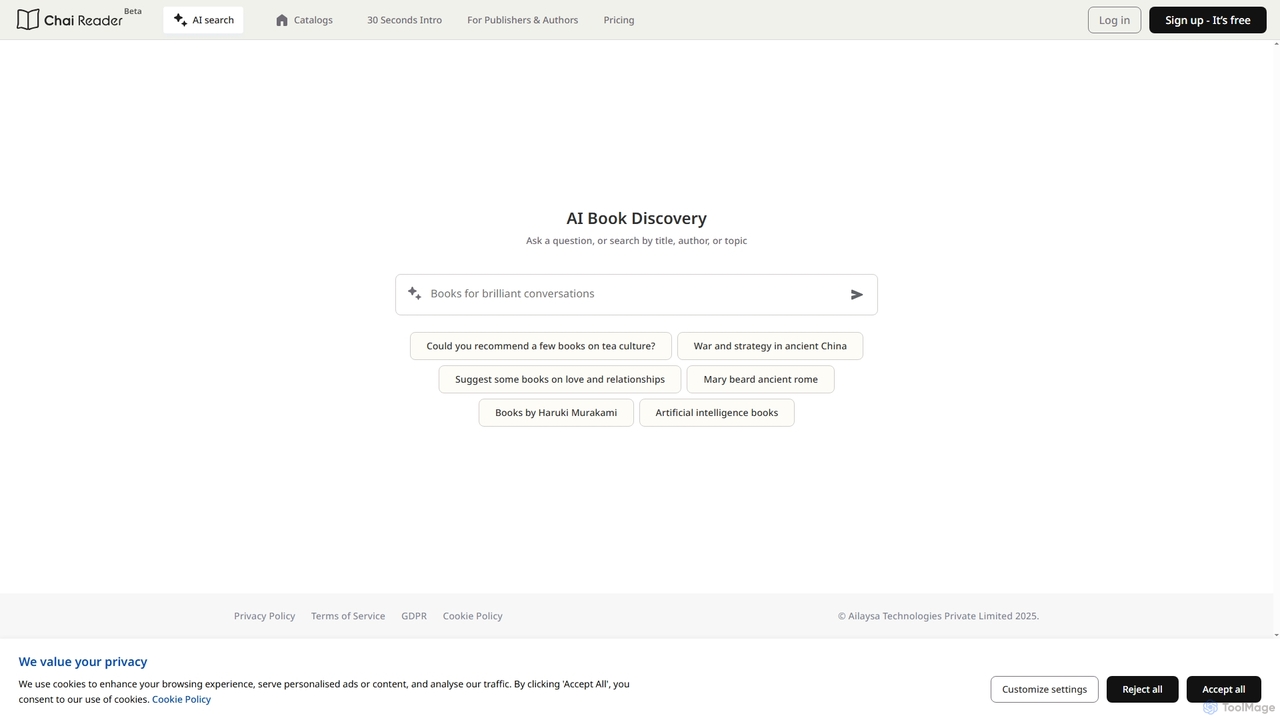
Chai Reader is an advanced AI-powered platform that transforms reading into an interactive experience. It helps users discover books through AI-driven search and recommendations, offering a unique "Chatbooks" format for engaging with content before and after purchase.

Content Generation
Visits 4.1KFavorites 109Likes 129
Fableoo
Freemium

Fableoo

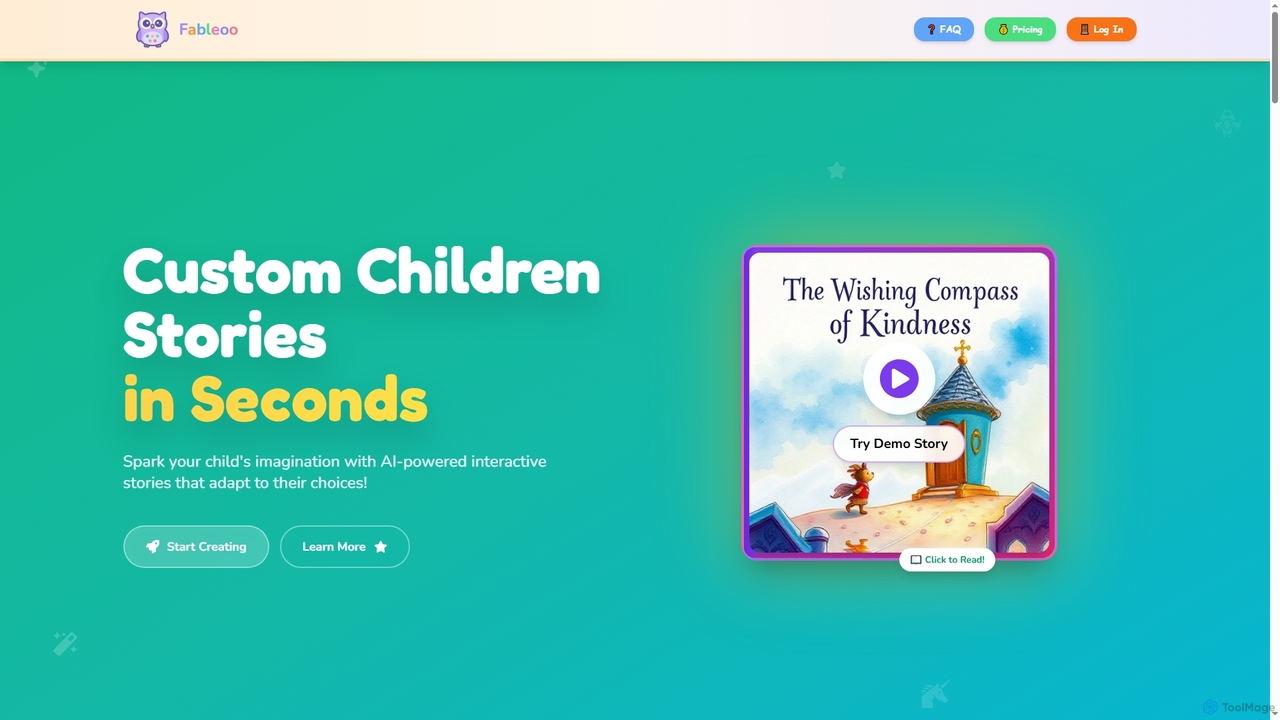
Fableoo is an AI-powered platform that transforms children into creative storytellers by generating interactive, personalized adventures based on their choices. It fosters imagination, critical thinking, and tech literacy in a safe, engaging environment.

Storytelling
Visits 3.9KFavorites 109Likes 122
V5games
Freemium

V5games

V5games is a premier online platform for AI-powered text adventure games. It allows users to discover, play, and create immersive, dynamic narrative experiences. Using advanced AI, it transforms classic interactive fiction into infinitely replayable adventures driven by natural language.

Interactive Learning
Visits 3.5KFavorites 62Likes 57
FanChat
Freemium

FanChat

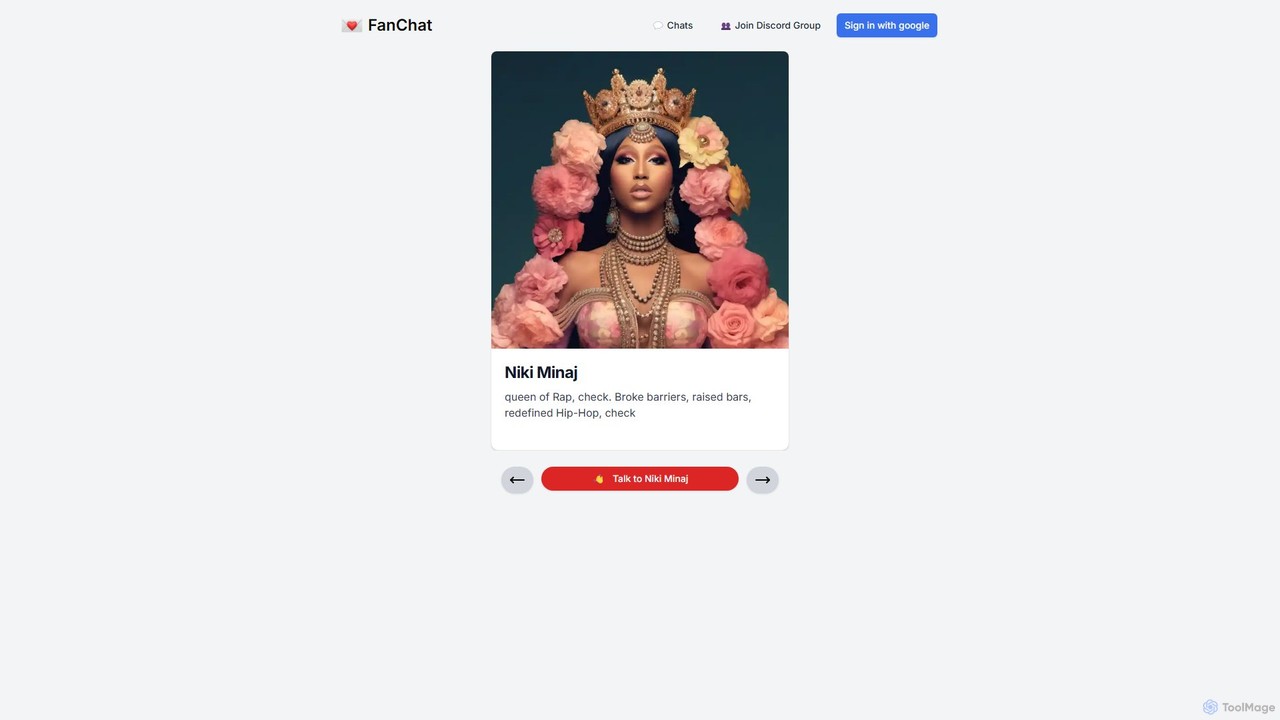
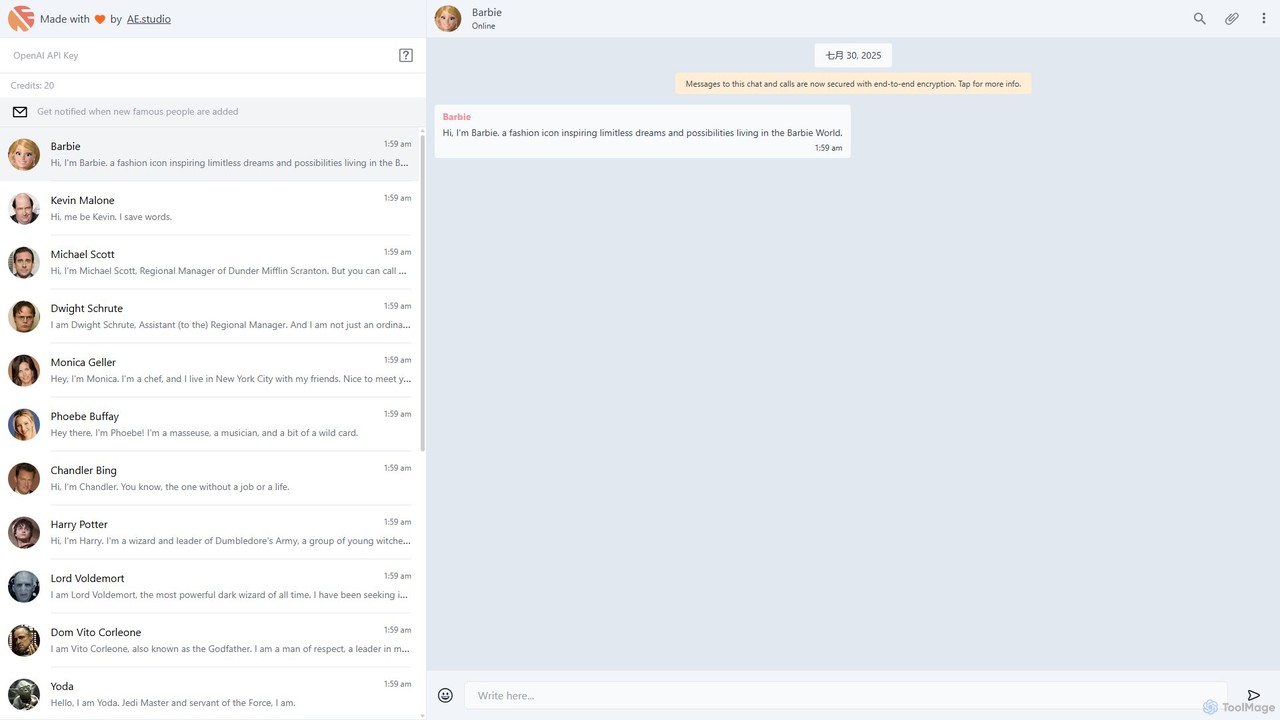
FanChat is an innovative AI chat platform that allows you to have real-time conversations with AI versions of your favorite celebrities, historical figures, and fictional characters. Experience an unprecedented level of fan interaction, satisfy your curiosity, or learn about history in a fun, engaging way. Whether for entertainment, education, or creative inspiration, FanChat offers a unique window into the minds of icons.

Interactive Learning
Visits 3.6KFavorites 97Likes 88
MeslAI
Freemium

MeslAI

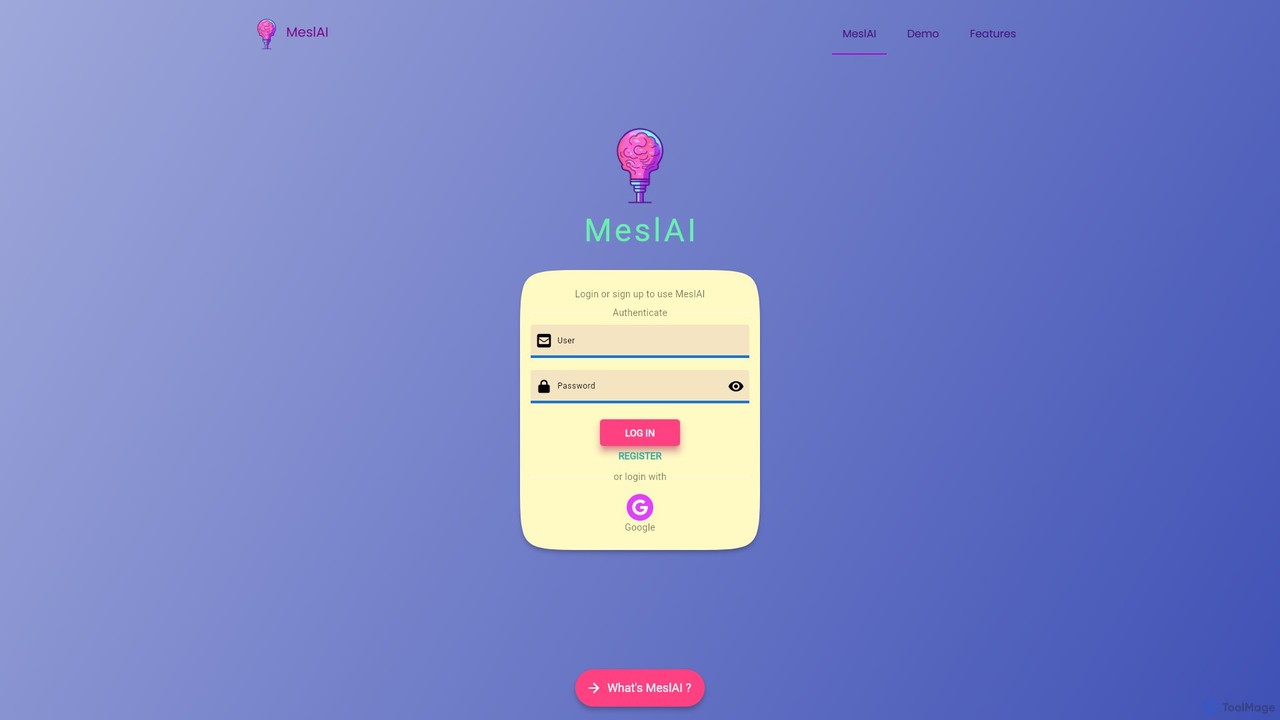
MeslAI offers a unique platform to engage in realistic voice calls with AI-powered clones of famous personalities. Connect with historical figures, scientists, and thinkers for immersive conversations, advice, and a novel learning experience, all powered by advanced voice synthesis technology.

Voice Synthesis
Visits 3.4KFavorites 126Likes 123
StoryFile
Paid

StoryFile

StoryFile is an AI-powered conversational video platform that allows users to have real-time, interactive conversations with pre-recorded video. It's used to preserve legacies, enhance education, and transform corporate communications by creating authentic, human-like interactions with historical figures, experts, and leaders.

Interactive Learning
Visits 16.3KFavorites 118Likes 109
Ask Famous People
Freemium

Ask Famous People

Engage in interactive conversations with AI-powered personas of historical figures, celebrities, and fictional characters. A unique platform for entertainment, education, and creative inspiration.

Interactive Learning
Visits 4.9KFavorites 92Likes 99

About Interactive Learning

Interactive Learning tools are AI-driven platforms that create dynamic, personalized educational experiences. They utilize technologies like natural language processing and machine learning to facilitate two-way engagement, moving beyond passive content consumption. This approach transforms study into active participation, significantly enhancing knowledge retention and practical skill development. Users receive instant feedback, practice in simulated environments, and follow learning paths that adapt to their individual progress.

Core Features

  • Personalized Learning Paths: The AI analyzes user performance to dynamically adjust the difficulty and content of lessons.
  • Real-time Feedback: Provides immediate corrections and suggestions on tasks, from coding errors to language pronunciation.
  • Conversational AI Tutors: Simulates realistic dialogues for practicing languages, sales pitches, or customer service skills.
  • Interactive Simulations: Offers risk-free virtual environments for hands-on practice in fields like medicine, engineering, or finance.
  • Gamified Challenges: Incorporates points, leaderboards, and rewards to increase motivation and engagement.

Use Cases

These tools are widely used by students seeking personalized tutoring, professionals acquiring new practical skills, and corporate training departments. Common applications include language fluency practice, software development training through interactive coding exercises, and medical students practicing procedures in virtual labs.

How to Choose

When selecting an Interactive Learning tool, consider the subject matter specialization and the depth of its curriculum. Evaluate the quality and immediacy of the feedback mechanism. Assess the level of personalization and how well the platform adapts to your learning pace. Finally, check for progress tracking features and compatibility with other educational systems you may use.

Featured tool rankings

Interactive Learning use cases

1

Practice Conversational Language Skills

A language learner preparing for an exam uses an AI tutor to improve their speaking fluency. They engage in daily conversations on various topics, from ordering food to discussing current events. The AI provides instant feedback on their pronunciation, grammar, and word choice, highlighting areas for improvement. This consistent, pressure-free practice helps the learner build confidence and speak more naturally, accelerating their progress far more effectively than passive listening exercises.

2

Master Coding with Interactive Challenges

A junior developer aims to master a new programming language. Instead of just reading documentation, they use an interactive learning platform that presents a series of coding challenges. For each challenge, they write code directly in the browser. The AI system instantly runs the code, checks it for correctness, and provides contextual hints and explanations for errors. This hands-on, immediate feedback loop allows the developer to learn by doing, understand complex concepts faster, and retain information more effectively.

3

Corporate Sales Role-Playing Simulation

A company's training department uses an AI simulation tool to onboard new sales representatives. The tool presents various customer scenarios and personas, such as an indecisive client or an aggressive negotiator. The trainee interacts with the AI customer via text or voice, practicing their pitch and objection-handling skills. The AI analyzes their responses, providing a detailed report on their performance, including empathy score, clarity, and use of key selling points. This allows for scalable, consistent training without needing senior staff for every role-play session.

4

Personalized K-12 Math Tutoring

A middle school student struggling with algebra uses an AI-powered learning app. The app first assesses their knowledge to identify specific weak points, such as factoring polynomials. It then generates a personalized lesson plan with interactive exercises and step-by-step video explanations. When the student gets stuck, they can ask the AI tutor for a hint or a different explanation. The system adapts in real-time, providing more practice on difficult topics until mastery is achieved, offering a level of individualized attention that is difficult to achieve in a traditional classroom.

5

Risk-Free Medical Procedure Simulation

A surgical resident practices a complex laparoscopic procedure using a virtual reality (VR) simulation powered by AI. The system provides a highly realistic anatomical model and simulates tissue response to the resident's actions. The AI offers real-time haptic feedback through specialized controllers and guidance if a mistake is made. After the session, it generates a detailed performance report, analyzing metrics like precision, time taken, and economy of motion. This allows for repeated practice and skill refinement in a safe, controlled environment before operating on actual patients.

6

Enhance Public Speaking with an AI Coach

A project manager preparing for a major client presentation uses an AI public speaking coach. They record themselves practicing their speech, and the tool analyzes both the audio and video. It provides feedback on their pacing, use of filler words like 'um' and 'ah', tone of voice, and even body language such as eye contact and gestures. The AI generates a report with specific, actionable suggestions, such as 'try to slow down by 10%' or 'increase vocal variety in this section'. This allows the manager to identify and correct habits they were unaware of, leading to a more polished and impactful delivery.

Interactive Learning FAQ

What are AI Interactive Learning tools?

AI Interactive Learning tools are educational platforms that use artificial intelligence to create an active, two-way learning experience. Unlike traditional online courses that deliver static content, these tools engage users through simulations, conversational practice, and personalized quizzes. Their primary goal is to enhance skill development and knowledge retention by allowing users to learn by doing and receive immediate, tailored feedback.

How to choose the right Interactive Learning tool?

To choose the right tool, consider these factors:

  • Subject Focus: Ensure the tool specializes in the skill you want to learn, whether it's a programming language, a foreign language, or a medical procedure.
  • Feedback Quality: Look for tools that provide specific, actionable, and immediate feedback rather than just a simple pass/fail score.
  • Adaptivity: A good tool should personalize the learning path, adjusting the difficulty based on your performance.
  • Realism of Simulation: For skill-based training (like sales or surgery), evaluate how accurately the simulation mimics real-world scenarios.
What's the difference between Interactive Learning and traditional online courses?

The main difference is the mode of engagement. Traditional online courses (part of the broader Education category) primarily involve one-way information delivery, such as watching video lectures or reading articles. Interactive Learning tools, a specialized subset, focus on two-way interaction. They require active user input—speaking, coding, or performing actions in a simulation—and provide dynamic, AI-driven feedback. In short, traditional courses are for knowledge acquisition, while interactive tools are for skill application and practice.

Who can benefit from Interactive Learning tools?

A wide range of users can benefit. This includes:

  • Students: Those seeking personalized tutoring for subjects like math or science, or practicing for standardized tests.
  • Professionals: Individuals looking to upskill or reskill in practical areas like coding, data analysis, or digital marketing.
  • Language Learners: Anyone wanting to improve conversational fluency through practice with an AI partner.
  • Corporate Training: Companies using simulations to train employees in sales, customer service, or complex operational procedures.
How does AI provide real-time feedback in these tools?

AI provides real-time feedback by using various machine learning models tailored to the task. For language learning, Natural Language Processing (NLP) models analyze pronunciation, grammar, and syntax. In coding tutors, the AI runs the code against predefined tests and uses static analysis to identify errors and suggest improvements. In simulations, the AI compares user actions against an optimal pathway or a set of rules, providing immediate guidance when the user deviates. This instant analysis is what makes the learning loop so effective.