ToolMage
Sign in

Best 4 Relationship AI tools for Personal

Popular Relationship AI tools in Personal include Anima: AI Girlfriend, Gaslighting Check, HowToReply.AI, and Desired AI, helping you work more efficiently.

Anima: AI Girlfriend
Freemium

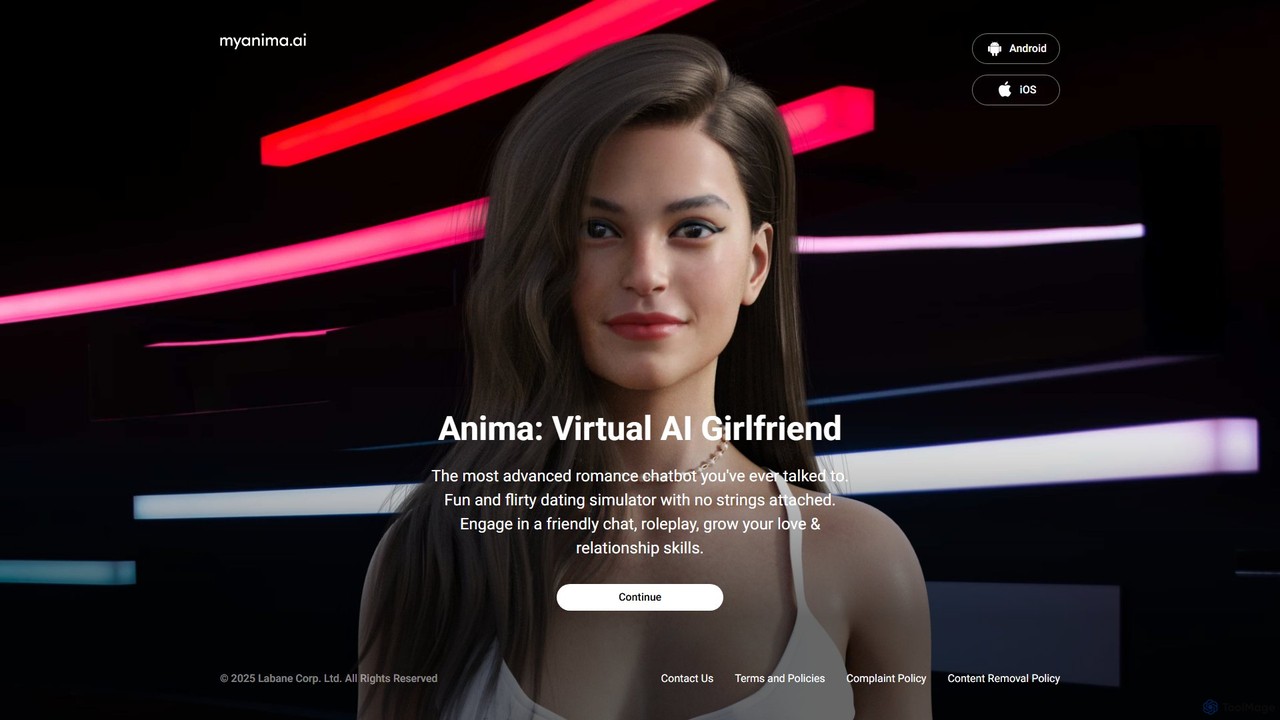
Anima: AI Girlfriend

Anima is an advanced AI girlfriend and romance chatbot designed for fun, flirty conversations and immersive role-playing. It acts as a virtual companion, helping users practice communication, explore relationships, and combat loneliness in a safe, judgment-free environment. Available on iOS and Android.

Personalized Chat
Visits 130KFavorites 136Likes 146
Desired AI
Freemium

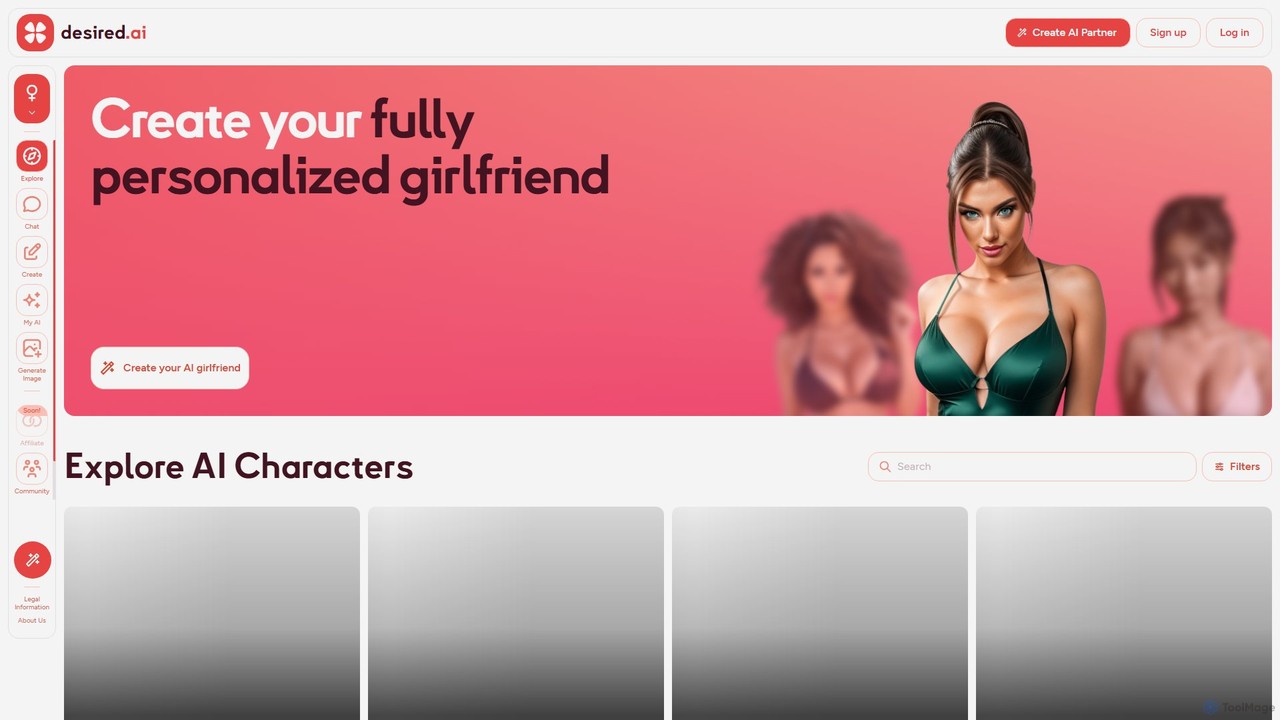
Desired AI

Desired AI is an innovative platform for creating your perfect AI companion. Design a virtual girlfriend, boyfriend, or friend with unique physical traits and a deep personality. Engage in intelligent, emotionally responsive chat, and generate custom images of your companion in any scenario. It's a new way to find companionship and emotional support.

Ai Companions
Visits 7.3KFavorites 147Likes 140
HowToReply.AI
Free

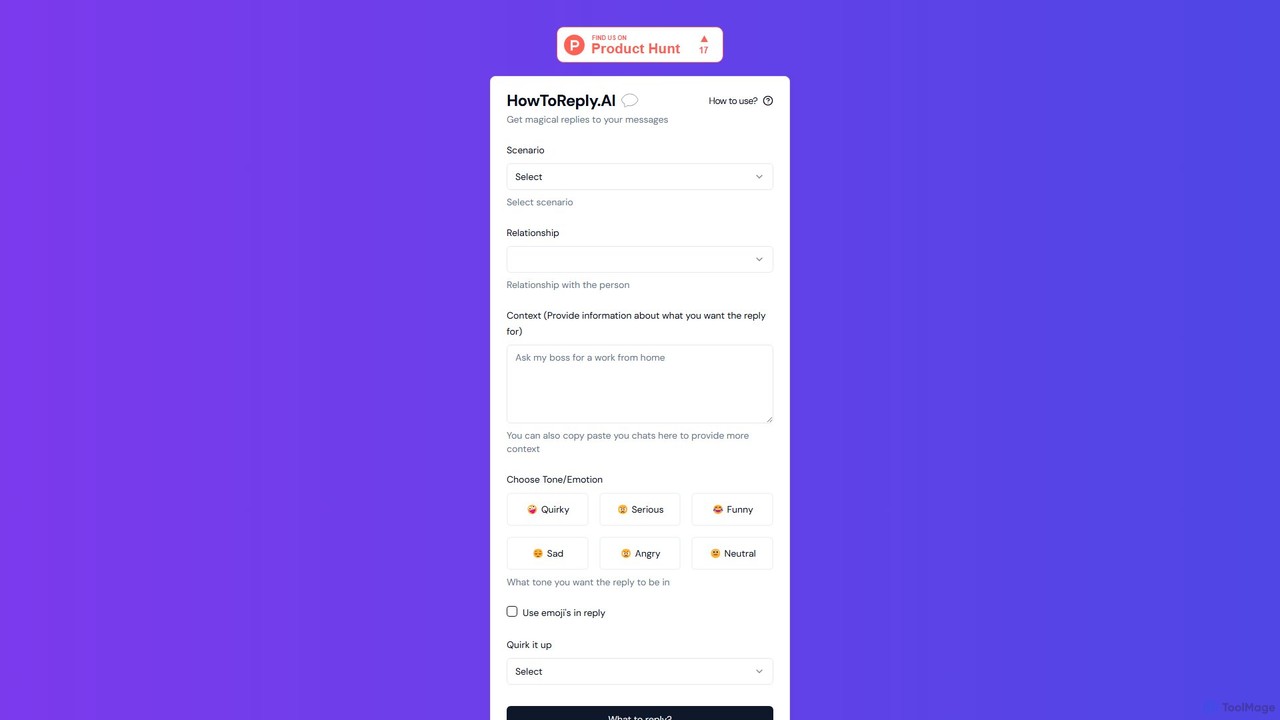
HowToReply.AI

HowToReply.AI is an AI-powered tool that generates perfect replies for any message. By selecting the scenario, relationship, and desired tone, users can get context-aware, customized responses for professional, social, or romantic interactions, helping to overcome writer's block and improve communication.

Relationship
Visits 7.3KFavorites 126Likes 133
Gaslighting Check
Freemium

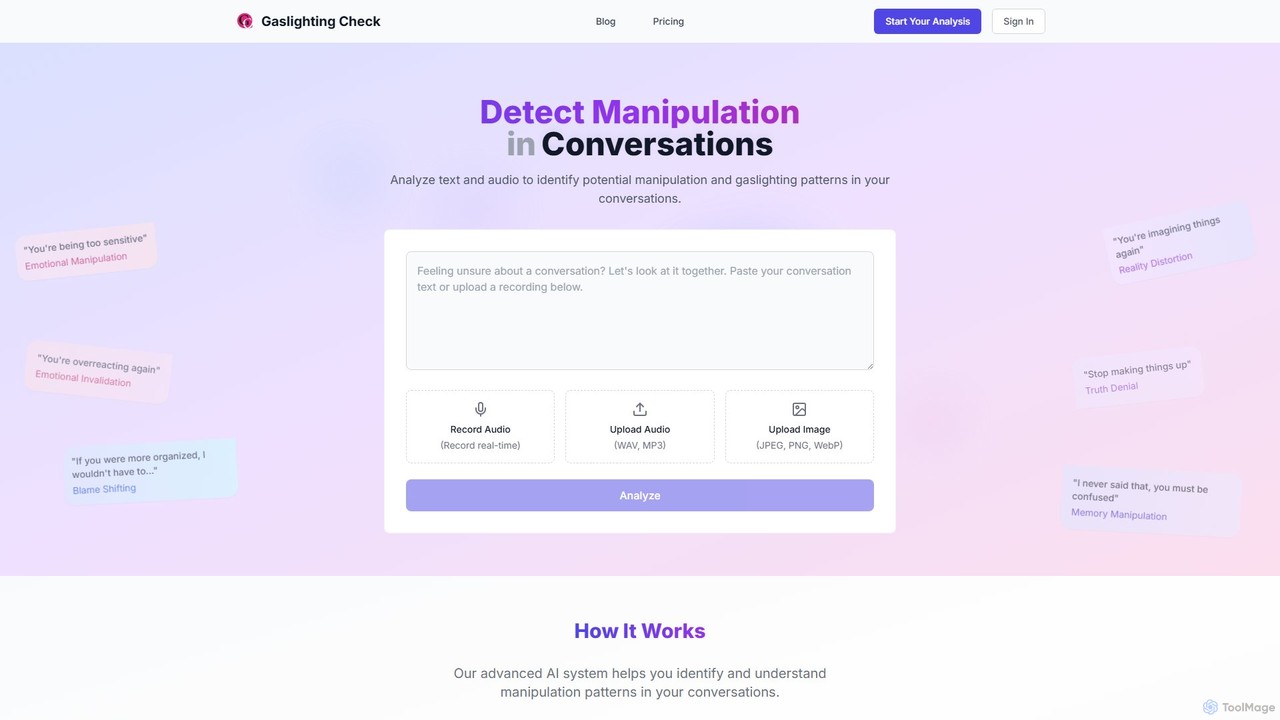
Gaslighting Check

An AI-powered tool designed to analyze text, audio, and image conversations to detect patterns of gaslighting, manipulation, and emotional abuse. It provides objective insights to help users validate their experiences, build confidence, and navigate difficult relationships.

Mental Health
Visits 27.6KFavorites 128Likes 140

About Relationship

AI Relationship tools are applications designed to help users analyze, improve, and navigate their personal and romantic connections using artificial intelligence. These tools often leverage Natural Language Processing (NLP) and machine learning to interpret communication patterns, user emotions, and social dynamics. They provide personalized insights, communication advice, and simulated conversational practice to enhance interpersonal skills. As a specialized area within personal AI, they focus specifically on the nuances of human connection, offering support beyond general productivity or information retrieval.

Core Features

  • Communication Analysis: Evaluates text conversations to provide feedback on tone, sentiment, and clarity.
  • Dating Profile Optimization: Offers suggestions to improve dating app profiles, including photo selection and bio writing.
  • AI Companionship & Role-play: Provides a conversational AI for practice, emotional support, or exploring social scenarios.
  • Personalized Advice: Generates tailored recommendations for date ideas, conflict resolution, and expressing emotions.
  • Relationship Coaching: Delivers guided exercises and content to help users build healthier relationship habits.

Use Cases

These tools are valuable for individuals seeking to improve their success on dating platforms by creating more appealing profiles. They are also used by people who want to enhance their communication skills, practice difficult conversations in a safe environment, or better understand their own interaction patterns. Additionally, some users find AI companions helpful for alleviating loneliness or for low-pressure social interaction.

How to Choose

When selecting an AI Relationship tool, prioritize data privacy and security, as you will be sharing sensitive information. Evaluate the sophistication of the AI; a good tool offers nuanced and context-aware responses. Consider its specific focus—whether it's geared towards dating, long-term partnerships, or general social skills. Finally, assess the user interface to ensure it provides a comfortable and intuitive experience.

Relationship use cases

1

Optimizing a Dating App Profile

A user struggling to get matches on dating apps uses an AI Relationship tool to enhance their profile. They upload their photos and current bio. The AI analyzes the images for factors like lighting, facial expression, and background clutter, suggesting which photos are most likely to perform well. It then helps rewrite their bio to be more engaging and specific, highlighting their personality and interests. As a result, the user sees a noticeable increase in matches and messages, leading to more meaningful conversations.

2

Enhance Your Online Dating Profile

An individual struggling to get matches on dating apps uses an AI tool to optimize their profile. They upload their photos and current bio. The AI analyzes the images for factors like lighting, facial expression, and background clutter, suggesting which photos are strongest. It also rewrites their bio to be more engaging and clear, highlighting their interests in a compelling way. As a result, the user sees a measurable increase in profile views and matches within weeks.

3

Practicing a Difficult Conversation

An individual needs to discuss a sensitive topic with their partner but feels anxious about how to start. They use an AI role-playing tool to simulate the conversation. They can type out their opening lines and potential responses, and the AI, acting as their partner, provides realistic replies. The tool offers feedback on the user's tone, suggesting alternative phrasing to sound more supportive and less confrontational. After several practice sessions, the user feels more confident and prepared to have the real conversation in a constructive way.

4

Analyze and Improve Couple's Communication

A couple notices recurring misunderstandings in their text conversations. They use a secure AI communication analyzer to gain insights. After granting access, the tool processes their chat history, identifying patterns such as frequent use of passive language during disagreements or a tendency for one person's messages to have a negative sentiment. The AI provides neutral, data-driven feedback and suggests alternative phrasing to foster clearer and more positive communication, helping them address issues constructively.

5

Find Emotional Support with an AI Companion

An individual experiencing loneliness uses an AI companion app for daily interaction. This AI is designed for empathy and memory, recalling past conversations and asking follow-up questions about the user's life and interests. The user can share their thoughts and feelings in a non-judgmental space, helping to alleviate feelings of isolation. The consistent and supportive nature of the AI companion provides a sense of stability and someone to 'talk to' anytime, improving their overall mood and mental well-being.

6

Analyzing Communication Patterns with a Partner

A couple wants to improve their daily communication. They use an AI tool that allows them to import their text message history (with consent). The AI analyzes the conversations for patterns, such as the frequency of positive affirmations, the ratio of questions to statements, and common times of day for miscommunication. It generates a private report for each partner with insights and gentle suggestions, like 'Try asking more open-ended questions' or 'You both tend to have tense conversations late at night'. This data helps them become more mindful of their communication habits.

7

Getting Unbiased Relationship Advice

A user is facing a recurring issue with a friend and is unsure how to address it. They feel uncomfortable discussing it with mutual friends to avoid bias. They describe the situation to an AI relationship coach. The AI, trained on psychological principles and relationship dynamics, provides several perspectives on the situation. It offers different communication strategies, explains the potential underlying needs of both parties, and helps the user clarify their own feelings and desired outcome before approaching their friend. This provides a neutral sounding board to organize their thoughts.

8

Practice Difficult Conversations with AI

A manager needs to provide constructive feedback to an underperforming team member but is anxious about the conversation. They use an AI role-playing tool to simulate the scenario. The manager types out their opening lines and key points, and the AI responds as the employee might, simulating defensiveness or asking clarifying questions. This allows the manager to practice their phrasing, tone, and responses in a safe environment, building their confidence to handle the real conversation effectively and empathetically.

9

Receive AI-Powered Relationship Coaching

A person facing a recurring issue in their relationship, such as arguments about finances, uses an AI coaching tool. They describe the situation in their own words. The AI, trained on principles of relationship psychology, identifies the core conflict pattern. It then provides actionable advice, such as suggesting specific communication frameworks (e.g., 'I-statements'), and offers exercises for the user to practice. This provides accessible, on-demand guidance to help the user navigate their relationship challenges more effectively.

10

Boosting Social Confidence with an AI Companion

An individual who experiences social anxiety wants to become more comfortable with small talk. They use an AI companion app for daily, low-stakes conversations. They can chat about various topics, from hobbies to current events, without the fear of judgment. The AI is programmed to be consistently positive and engaging, helping the user practice maintaining a conversation flow. Over time, these regular interactions help build the user's confidence, making it easier for them to initiate and participate in real-world conversations with colleagues or new acquaintances.

11

Crafting Thoughtful and Clear Messages

A user often struggles to find the right words to express affection or support to their long-distance partner. They use an AI communication assistant to help draft messages. For example, they can input a simple idea like 'I miss you and I'm proud of your work presentation'. The AI then offers several variations of the message, ranging from short and sweet to more descriptive and emotional, while maintaining the user's authentic voice. This helps the user communicate their feelings more effectively and consistently, strengthening their connection despite the distance.

12

Craft Thoughtful Messages for Special Occasions

A user wants to write a heartfelt anniversary message for their partner but struggles to express their feelings. They use an AI message generator. The user provides key details, such as shared memories, inside jokes, and core feelings they want to convey (e.g., gratitude, love). The AI then generates several message drafts in different tones—from poetic and romantic to playful and lighthearted. This gives the user a well-written starting point that they can personalize, helping them communicate their emotions more eloquently.

Relationship FAQ

What are AI Relationship tools?

AI Relationship tools are software applications that use artificial intelligence to help individuals manage and improve their interpersonal connections. They function as digital coaches, companions, or analysts for your social life. Key features often include communication analysis to provide feedback on texting styles, AI-powered role-playing to practice conversations, and personalized advice based on user inputs. They are designed for various purposes, from optimizing dating profiles to strengthening long-term partnerships by fostering better communication habits.

What are AI Relationship tools?

AI Relationship tools are software applications that use artificial intelligence to help users understand, improve, or navigate their personal connections. They can function as AI companions for emotional support, communication analyzers to offer feedback on conversations, or dating coaches to help optimize profiles. These tools leverage natural language processing and machine learning to provide personalized insights and assistance.

How do I choose the right AI Relationship tool?

To choose the right tool, consider these factors:

  • Your Goal: Clearly define what you need. Is it for daily companionship, analyzing communication with a partner, or improving your dating profile?
  • Privacy Policy: This is crucial. Read how your data, especially sensitive conversations, is stored and used. Opt for tools with strong encryption and clear policies.
  • AI Quality: Look for reviews on the AI's conversational ability and emotional intelligence. A good tool should offer nuanced and context-aware responses.
  • User Interface: The platform should be easy to use and navigate, providing a comfortable user experience.
How do I choose the right AI Relationship tool?

Choosing the right tool depends on your specific goals. Consider the following factors:

  • Your Objective: Are you looking to improve a dating profile, enhance communication with a partner, or practice social skills? Select a tool that specializes in your area of need.
  • Privacy Policy: These apps handle sensitive data. Thoroughly review their privacy policy to understand how your data is stored, used, and protected.
  • AI Quality: Look for reviews or trial periods to assess the AI's responsiveness and the quality of its advice. A good AI should feel nuanced and helpful, not generic or repetitive.
  • User Experience: The interface should be intuitive and make you feel comfortable interacting with it regularly.
What's the difference between an AI companion and a general chatbot?

The primary difference is their core purpose and design. An AI companion is specifically built for long-term, empathetic engagement. It focuses on memory (recalling past conversations), personality, and emotional connection to simulate a relationship. A general chatbot, like a customer service bot or a tool like ChatGPT, is typically task-oriented. Its main function is to provide information, answer questions, or complete a specific task, without the primary goal of forming a personal, ongoing bond.

Are AI Relationship tools a substitute for human therapy?

No, AI Relationship tools are not a substitute for professional therapy or counseling. While they can be valuable for self-improvement, practicing communication, and gaining new perspectives, they cannot diagnose or treat mental health conditions. They lack the genuine empathy, clinical judgment, and nuanced understanding of a trained human therapist. These tools should be seen as supplementary supports for personal growth, not as a replacement for professional mental healthcare when it is needed.

Can AI Relationship tools replace human therapy or real relationships?

No, they are best viewed as supplementary aids, not replacements. While they can offer valuable support, a safe space for practice, and useful insights, they lack genuine human consciousness and the nuanced understanding of a qualified therapist. Similarly, they cannot replicate the depth, spontaneity, and shared experiences of a real human relationship. They are tools to help individuals improve their skills and well-being, which can, in turn, enhance their real-world interactions.

How do these tools ensure user privacy?

Reputable AI Relationship tools prioritize user privacy through several methods. They typically use end-to-end encryption to protect conversations from being intercepted. Data used for training AI models is usually anonymized and aggregated, removing any personally identifiable information. A clear and transparent privacy policy is a key indicator of a trustworthy service; it should explicitly state what data is collected, how it is used, and with whom it might be shared. Users should always read this policy before sharing personal details and choose services that offer strong privacy controls.

How do AI Relationship tools handle user privacy?

Privacy practices vary significantly, making it a critical factor for users to investigate. Reputable tools often use end-to-end encryption to protect conversations from being accessed by third parties. Their privacy policies should clearly state what data is collected (e.g., conversation logs, usage data), how it is used (e.g., for AI model training), and whether it is anonymized. Users should always review the privacy policy and terms of service before sharing any personal or sensitive information with these applications.

What's the difference between an AI Relationship tool and a general AI chatbot?

The primary difference lies in their specialization and purpose. A general AI chatbot, like ChatGPT or Bard, is designed for a wide range of tasks, from answering factual questions to writing code. An AI Relationship tool is highly specialized. Its AI models are specifically trained on data related to psychology, communication patterns, and social dynamics. This allows it to provide more context-aware, nuanced, and relevant advice for interpersonal situations, whereas a general chatbot might offer more generic or less empathetic responses to relationship queries.