Personal Best in category 7 results Skill Development AI Tool

Popular AI tools in the Skill Development field of Personal include Talkio、Tutor AI、Phrasium、MySivi、Sidetrain、Foxus AI、The Cognity, etc., helping you quickly improve efficiency.

Phrasium

Phrasium

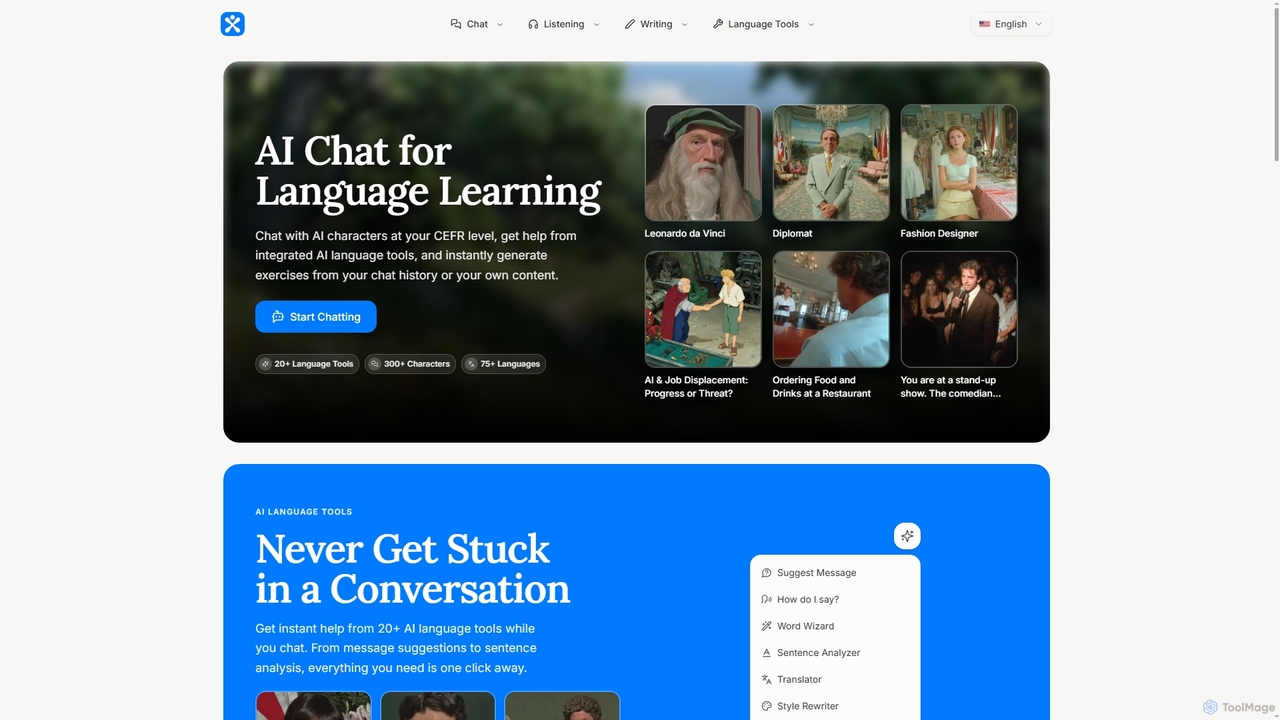
Phrasium is an AI-powered language learning platform that enables users to practice conversations by chatting with over 300 …

69.3K
Foxus AI

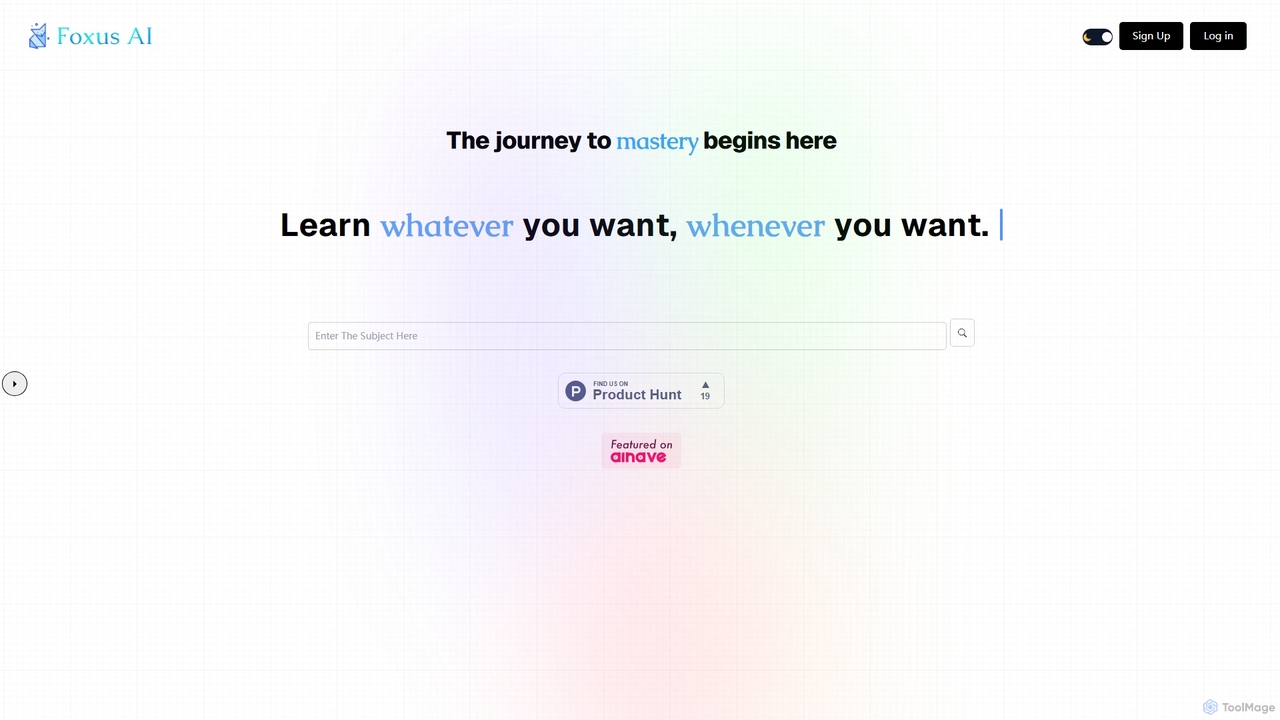
Foxus AI

Foxus AI is an innovative platform that generates personalized learning sessions on any topic you can imagine. Simply …

2.4K
Talkio

Talkio

Talkio is an AI-powered language learning platform designed to improve your conversational fluency. Practice speaking with an intelligent …

154.6K
Sidetrain

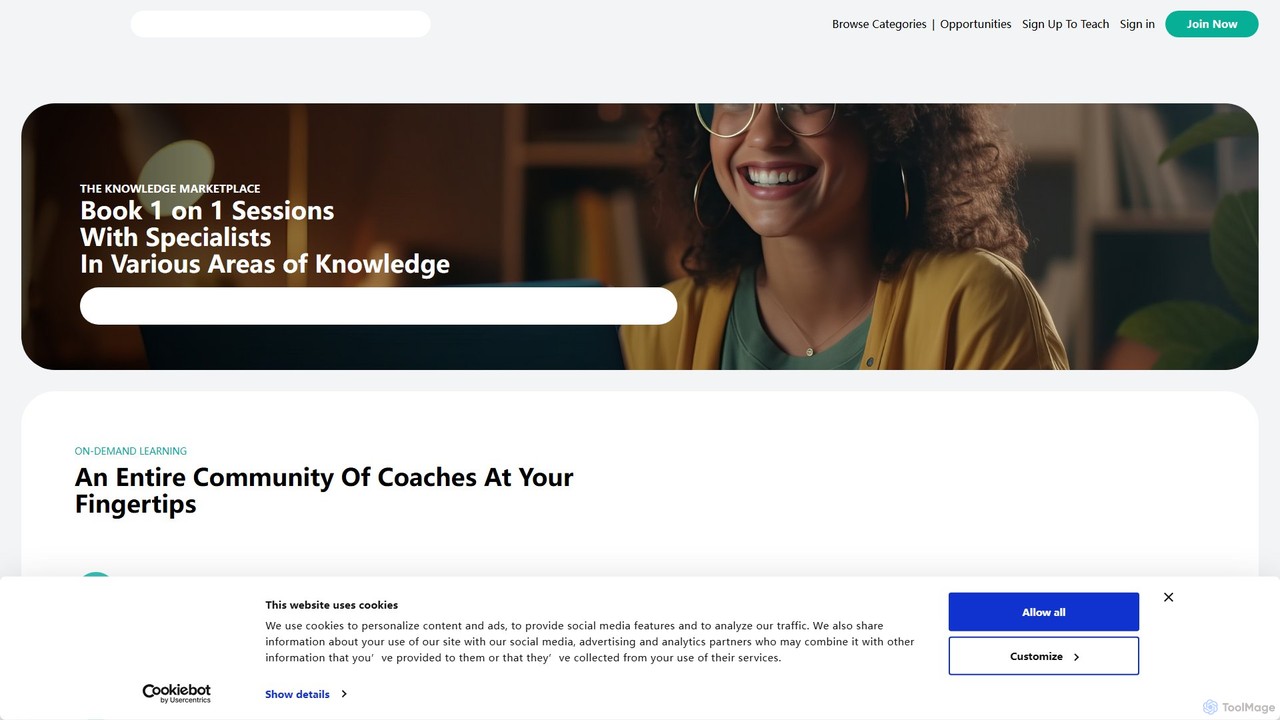
Sidetrain

Sidetrain is an AI-powered mentorship platform that allows you to learn anything from a personalized AI mentor. Choose …

8.3K
MySivi

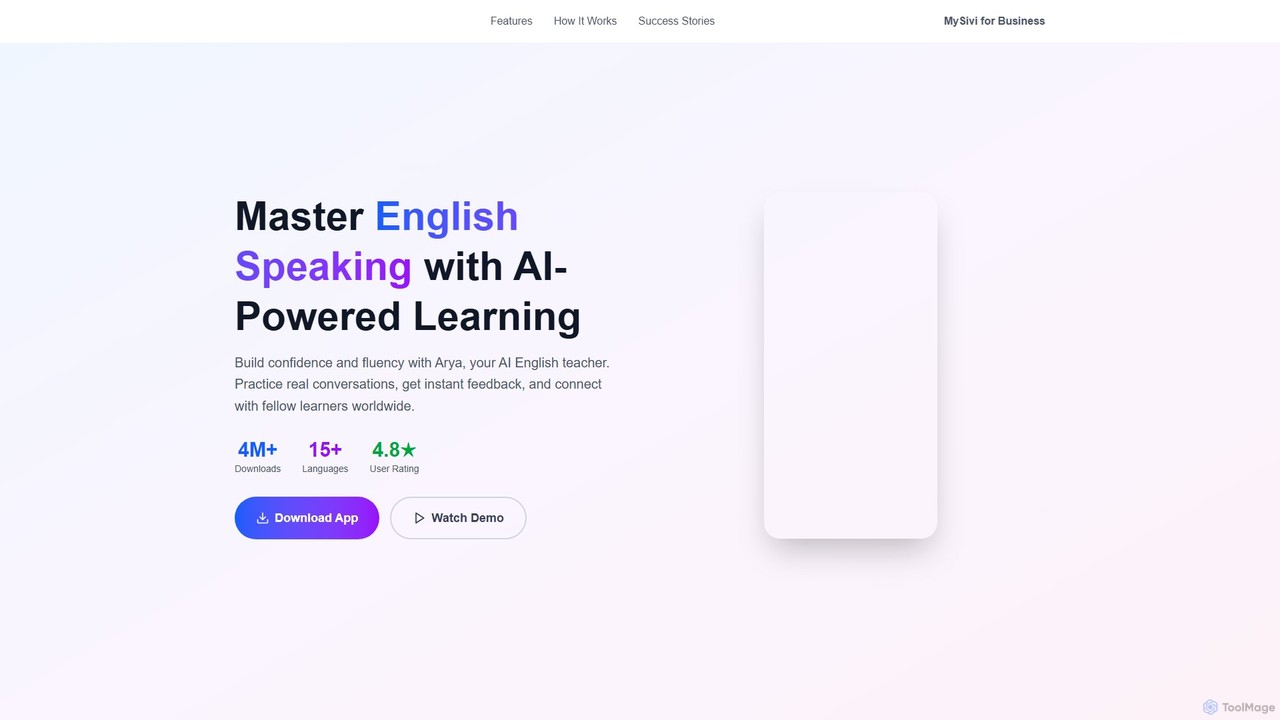
MySivi

MySivi is an AI-powered English speaking app designed to help users master English fluency and confidence. It features …

20.5K
Tutor AI

Tutor AI

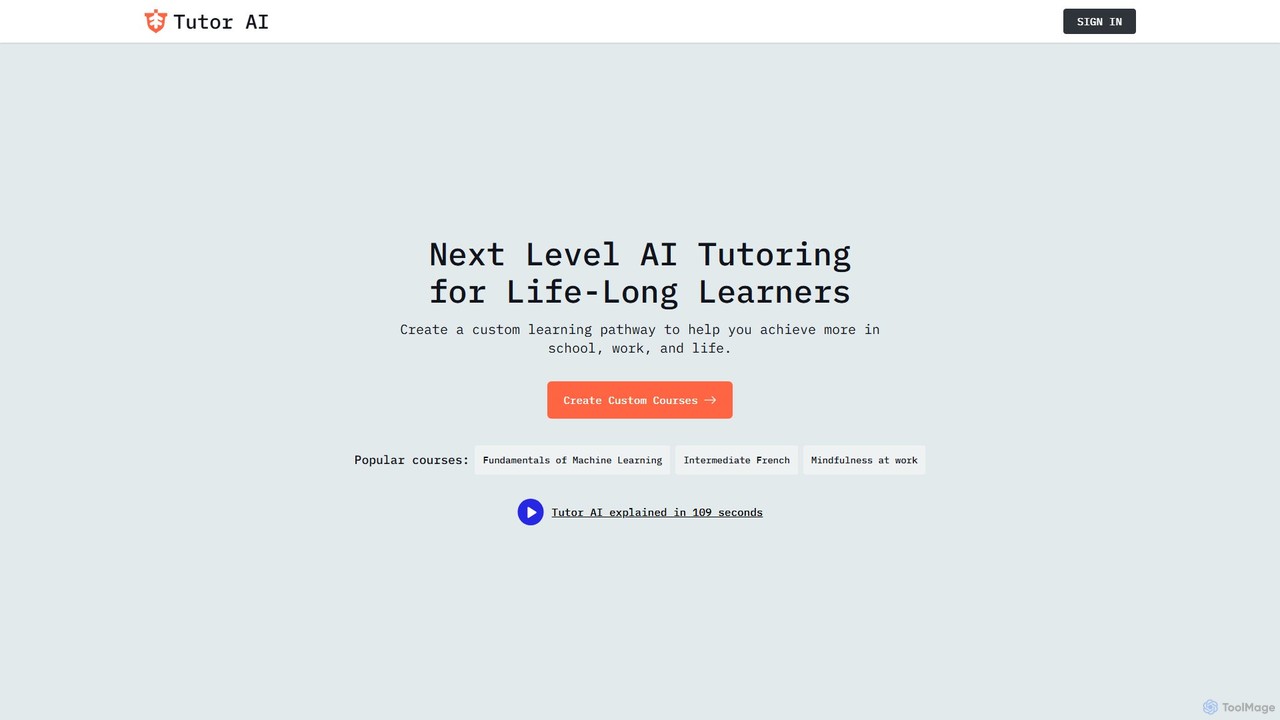
Tutor AI is a personal AI tutor that creates custom learning pathways and on-demand courses on any subject. …

105.5K
The Cognity

The Cognity

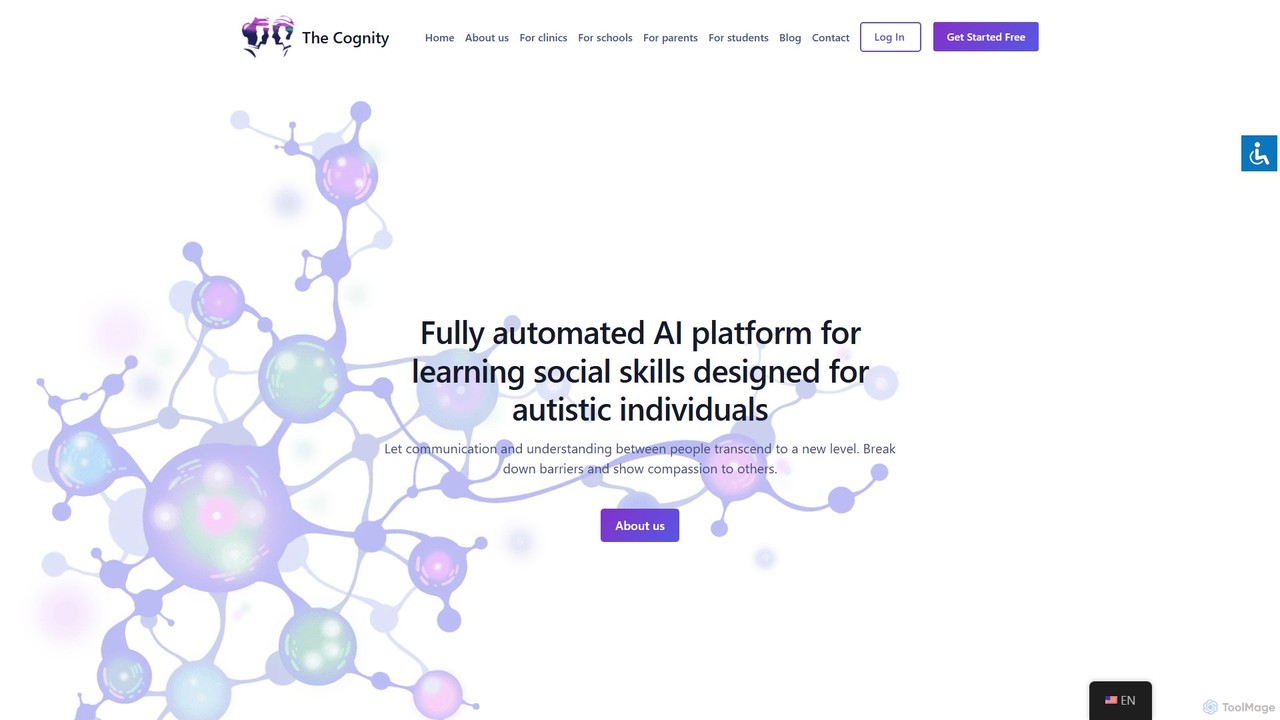
The Cognity is a fully automated AI platform designed to help autistic individuals learn and train social skills. …

2.3K

About Skill Development

AI Skill Development tools are applications that leverage artificial intelligence to create personalized and interactive learning experiences. They utilize machine learning algorithms to analyze a user's current abilities and goals, then generate customized learning paths and adaptive exercises. These tools provide real-time feedback, simulate real-world scenarios, and identify knowledge gaps, making the learning process more efficient and effective than traditional methods. As part of the Personal AI toolset, they focus specifically on structured and measurable skill acquisition.

Core Features

  • Personalized Learning Paths: Creates custom curricula based on individual goals and performance data.
  • Interactive Simulations: Offers hands-on practice in realistic, AI-driven environments for skills like coding or negotiation.
  • Real-time Feedback: Provides instant analysis and suggestions on performance, from code syntax to speech clarity.
  • Adaptive Difficulty: Automatically adjusts the complexity of tasks to match the user's progress and keep them challenged.
  • Performance Analytics: Tracks progress over time and highlights specific areas needing improvement with detailed data.

Use Cases

These tools are used by students, professionals, and lifelong learners across various fields. Programmers use them to master new coding languages, managers to improve communication skills, and language learners to practice conversation. They are valuable for corporate training, academic education, and personal self-improvement, offering a scalable way to provide one-on-one style coaching.

How to Choose

When selecting an AI Skill Development tool, first consider the specific skill you want to learn. Evaluate the quality and depth of the feedback mechanism—it should be constructive and actionable. Assess the degree of personalization offered and the realism of its practice simulations. Also, check for progress tracking features and consider the pricing model, whether it's a subscription or a one-time purchase.

Skill DevelopmentUse Cases

1

Master Coding with an AI Tutor

A junior developer aims to learn Python for data science. They use an AI Skill Development tool that provides interactive coding challenges, automatically reviews their code for errors and inefficiencies, and explains complex concepts with simplified analogies. The platform tracks their progress, identifies weak areas (e.g., recursion), and suggests targeted exercises, significantly accelerating their learning curve compared to just watching video tutorials.

2

Enhance Public Speaking Confidence

A project manager preparing for a major client presentation uses an AI coach. They practice their delivery in front of their webcam, and the AI analyzes their speech for pace, volume modulation, use of filler words like 'um' and 'ah,' and even provides feedback on eye contact. This allows for repeated, private practice with objective feedback, building confidence and refining their performance before the actual event.

3

Accelerate Foreign Language Fluency

A student learning Spanish engages in daily conversations with an AI language partner. The AI can discuss a wide range of topics, understand different accents, and provide instant corrections on grammar and pronunciation. Unlike practicing with a human tutor, the AI is available 24/7 and offers a non-judgmental environment to make mistakes and learn from them, rapidly improving conversational skills.

4

Refine Sales and Negotiation Skills

A sales team uses an AI-powered role-playing platform for training. New hires practice handling common customer objections and navigating difficult negotiation scenarios with an AI avatar. The system provides a score and detailed feedback on their empathy, clarity, and use of effective sales techniques, allowing them to hone their skills in a controlled environment before interacting with real clients.

5

Prepare for Technical Job Interviews

A software engineer looking for a new role uses an AI interview preparation tool. The platform simulates a real technical interview, asking common data structure and algorithm questions. It analyzes the candidate's spoken answers, the code they write in a shared editor, and their problem-solving approach, then provides a detailed report on their performance and suggests areas for improvement.

6

Learn a Musical Instrument with AI Feedback

An aspiring guitarist uses an app that listens to them play through their device's microphone. The AI provides real-time feedback on their timing, rhythm, and pitch accuracy for each note. It can isolate difficult sections of a song for focused practice and gamifies the learning process with scores and progress tracking, keeping the user motivated and ensuring they build a solid technical foundation.

Skill DevelopmentFrequently Asked Questions