Personal Best in category 2 results Storytelling AI Tool

Popular AI tools in the Storytelling field of Personal include Kindred Tales、TheLegacy, etc., helping you quickly improve efficiency.

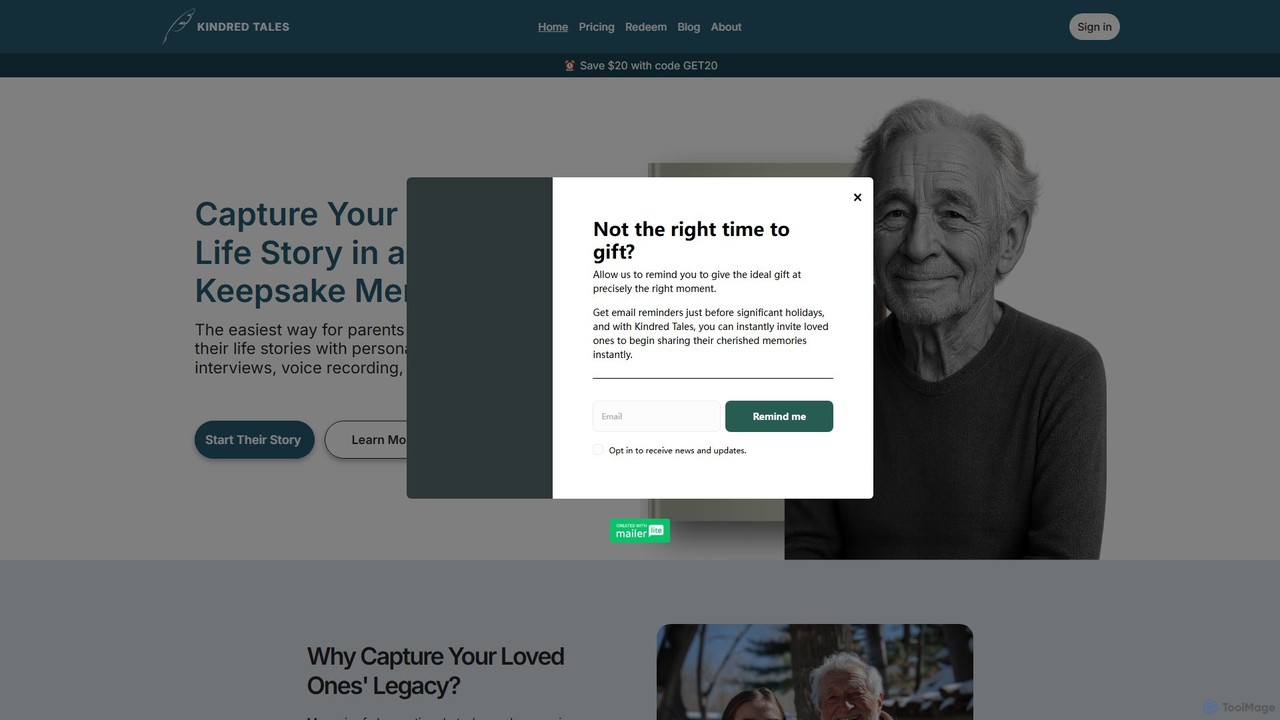
Kindred Tales

Kindred Tales

Kindred Tales is an AI-powered service that helps you capture a loved one's life story and transform it …

5.7K
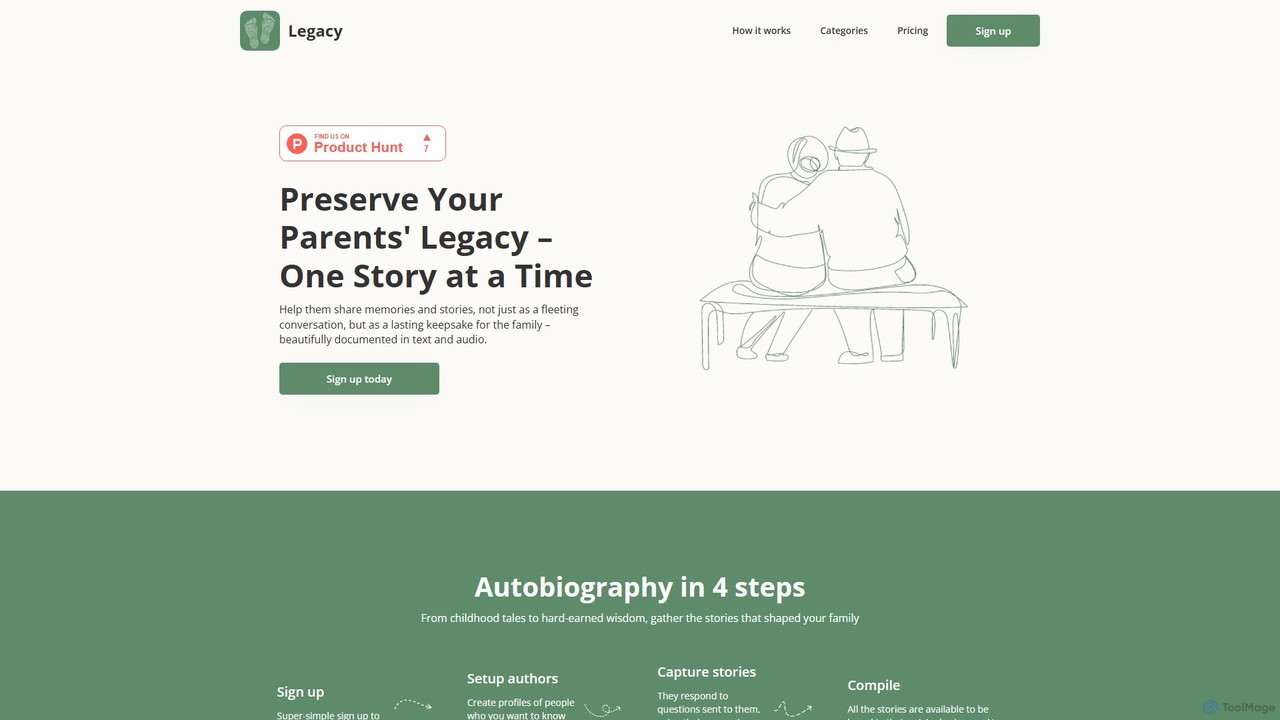
TheLegacy

TheLegacy

TheLegacy is an AI-powered platform designed to help you preserve your family's history. It allows you to capture …

3.0K

About Storytelling

AI Storytelling tools are a specialized class of generative AI designed to create coherent, engaging, and structured narratives. These tools leverage large language models (LLMs) trained on vast literary datasets to understand plot structure, character development, and narrative pacing. They empower writers, marketers, and creators to generate story ideas, draft scenes, or develop entire interactive narratives. Unlike general AI writers, they focus specifically on narrative elements like conflict, resolution, and emotional arcs, offering a more guided creative process.

Core Features

  • Plot Generation: Creates story outlines, key plot points, and complete narrative arcs from simple prompts.
  • Character Development: Generates detailed character profiles, including backstories, motivations, and personality traits.
  • Interactive Narrative Design: Builds branching storylines and choice-based adventures for games or interactive fiction.
  • Genre and Style Adaptation: Produces content in specific genres like fantasy or sci-fi and can mimic various authorial styles.
  • Scene Expansion: Elaborates on a brief concept to create a fully developed scene with dialogue, description, and action.

Use Cases

AI Storytelling tools are widely used by fiction authors and screenwriters to overcome writer's block and brainstorm ideas. Game developers utilize them to rapidly prototype questlines and character dialogues. Marketers also employ these tools to craft compelling brand stories for advertising campaigns and 'About Us' pages.

How to Choose

When selecting an AI Storytelling tool, consider the level of creative control it offers over the plot and characters. Evaluate its range of supported genres and styles to ensure it matches your needs. Also, assess its output formats (e.g., script, prose, outline) and its ability to maintain character consistency throughout a long narrative.

StorytellingUse Cases

1

Crafting Personalized Bedtime Stories

A parent looking to create unique stories for their child can use an AI Storytelling tool. By inputting key elements like the child's name, their favorite animal, and a moral theme (e.g., 'the importance of sharing'), the AI generates a complete, age-appropriate short story. This process takes only a few minutes and results in a new, engaging narrative every night, fostering the child's imagination and love for reading without the parent having to invent stories from scratch.

2

Brainstorming Plot Twists for a Novel

A fiction writer experiencing writer's block can leverage an AI Storytelling tool to explore new narrative directions. By providing a summary of their current plot and character profiles, they can ask the AI to generate multiple 'what if' scenarios or unexpected plot twists. For example, 'What if the loyal sidekick is secretly the villain?' The tool can produce several variations of this twist, helping the author break through creative hurdles and add layers of complexity and surprise to their manuscript.

3

Developing Questlines for an Indie Game

An indie game developer or narrative designer can significantly speed up their workflow using an AI Storytelling tool. To create a new quest, they can define the main objective, key locations, and important NPCs. The AI then generates a structured questline, including steps, potential obstacles, and snippets of dialogue for the characters involved. This allows the developer to quickly build a narrative framework, saving dozens of hours that can be reallocated to gameplay mechanics and level design.

4

Creating Brand Storytelling Content for Marketing

A content marketer can use an AI Storytelling tool to develop a compelling narrative around a brand's origin or a product's journey. By providing key brand values, target audience demographics, and a core message, the tool can generate several story concepts. For instance, it can frame the brand's story as a 'hero's journey' or a 'founder's struggle.' This approach produces more emotionally resonant copy for 'About Us' pages, social media campaigns, and video scripts than a simple list of features and benefits.

5

Generating Scripts for Short Animated Videos

A social media manager or animator can use an AI Storytelling tool to quickly draft scripts for short videos. They can input the core message, desired tone (e.g., humorous, educational), and a basic character concept. The AI then generates a scene-by-scene script, complete with suggested dialogue, actions, and even visual cues. This process can reduce the scriptwriting phase from days to hours, allowing creators to move faster to storyboarding and animation, thereby increasing their content output significantly.

6

Designing Interactive Fiction for Education

An educator or instructional designer can create engaging, choice-based learning modules with an AI Storytelling tool. To teach a historical event, they can set up the initial scenario and define key decision points for the student. The AI helps write the branching narrative paths and the consequences for each choice, creating an immersive 'choose your own adventure' experience. This interactive method improves student engagement and helps them understand the complexities and consequences of historical decisions more deeply than traditional reading.

StorytellingFrequently Asked Questions