Personal Best in category 3 results Well Being AI Tool

Popular AI tools in the Well Being field of Personal include Write Me A Prayer、Rage Text Preventer、PrayerPath, etc., helping you quickly improve efficiency.

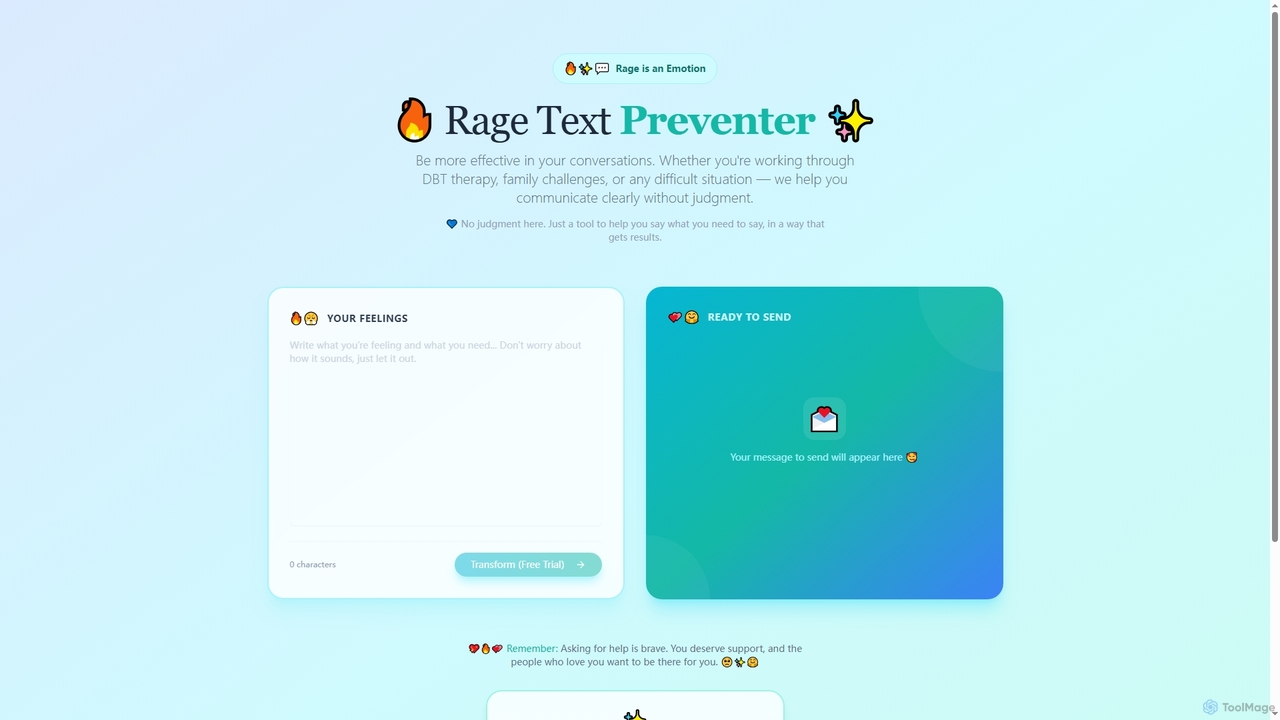
Rage Text Preventer

Rage Text Preventer

An AI-powered communication tool that helps you transform emotionally charged or angry texts into clear, effective, and non-judgmental …

2.9K
Free
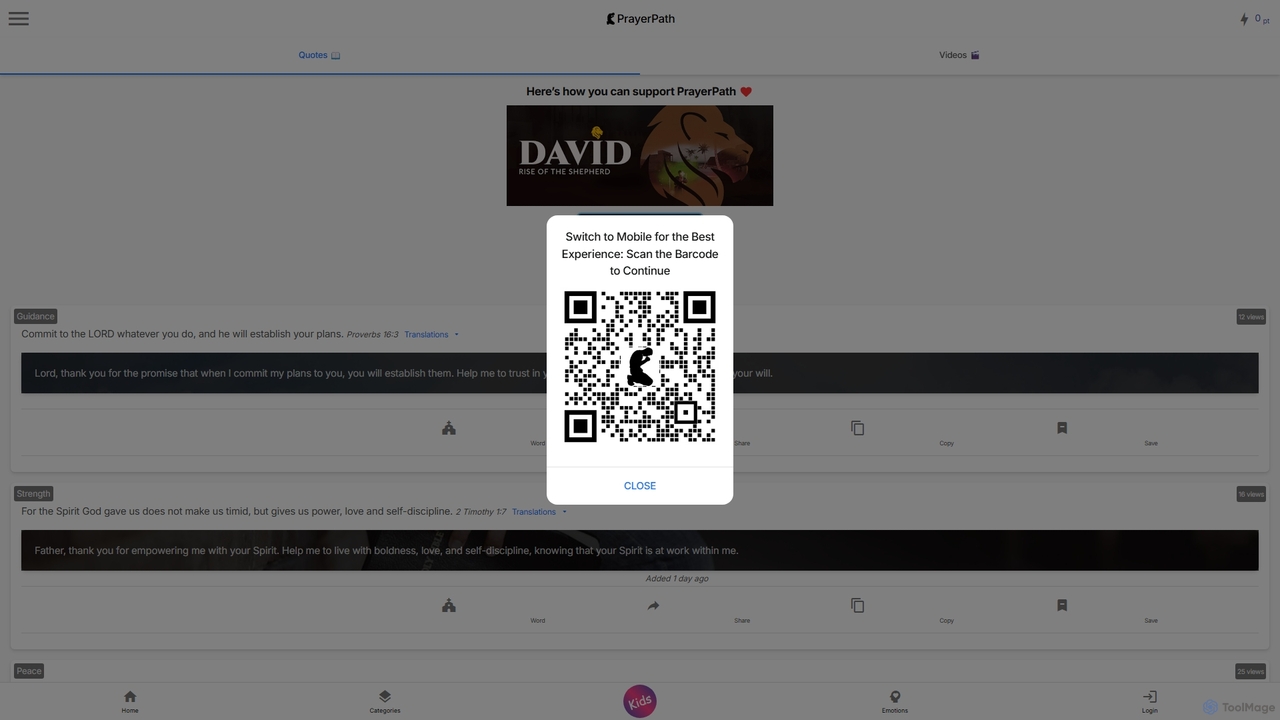
PrayerPath

PrayerPath

PrayerPath is a digital spiritual companion designed to deepen your faith. It offers daily devotionals, thematically categorized Bible …

2.8K
Free
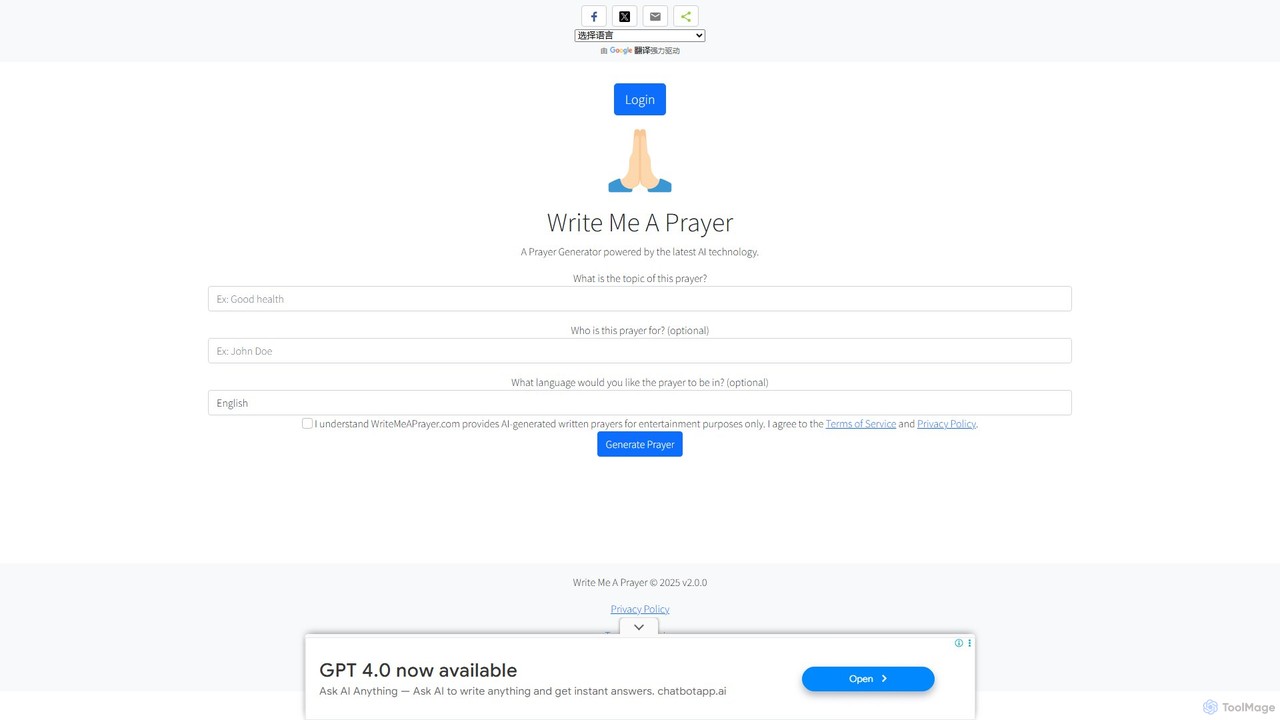
Write Me A Prayer

Write Me A Prayer

Write Me A Prayer is an AI-powered tool designed to help users craft personal and meaningful prayers. By …

4.6K

About Well Being

Well Being AI tools are a specialized category within personal AI solutions, designed to actively support and enhance an individual's mental, physical, and emotional health. These tools leverage artificial intelligence to provide personalized insights, guidance, and interventions for various aspects of personal well-being. They aim to improve stress management, sleep quality, fitness, nutrition, and mindfulness, offering tailored recommendations for a healthier and more balanced lifestyle.

Core Features

  • Personalized Health Tracking: AI analyzes user data (e.g., sleep, activity, mood, diet) to provide tailored insights and recommendations for health improvement.
  • Mental Wellness Support: Offers AI-guided meditations, mood tracking, cognitive behavioral therapy (CBT) exercises, and stress reduction techniques.
  • Fitness & Nutrition Coaching: Provides AI-driven workout plans, personalized meal suggestions, progress tracking, and performance analysis.
  • Sleep Optimization: Monitors sleep patterns, identifies potential issues, and suggests personalized strategies for improving sleep quality and duration.
  • Habit Formation & Goal Setting: Uses AI to help users build positive habits, set achievable goals, and track progress with intelligent nudges and motivational feedback.

Use Cases

Individuals seeking to proactively manage their health and personal growth frequently utilize Well Being AI tools. They are ideal for those looking to reduce stress, improve sleep, maintain fitness, or cultivate mindfulness. These tools offer a structured and personalized approach to achieving specific health and wellness objectives, adapting to individual needs and progress over time.

How to Choose

When selecting a Well Being AI tool, consider its specific focus (e.g., mental health, fitness, sleep), the depth of personalization offered, and its data privacy policies. Evaluate the range of features, the scientific backing of its methodologies, and user reviews for effectiveness. Also, check for integration capabilities with other health devices and the overall user interface for ease of use.

Well BeingUse Cases

1

Managing Daily Stress & Anxiety

Individuals experiencing daily stress or anxiety can utilize AI mindfulness applications. These tools provide personalized meditation sessions, guided breathing exercises, and mood tracking features. By engaging with these AI-driven interventions, users can effectively reduce stress levels, improve emotional regulation, and cultivate a greater sense of calm throughout their day.

2

Optimizing Sleep Quality

Users struggling with sleep can leverage AI-powered sleep trackers and optimization platforms. These tools monitor sleep patterns, identify disruptions, and offer data-driven recommendations on ideal bedtime routines, environmental adjustments, and relaxation techniques. The goal is to enhance restorative sleep, leading to improved energy levels and cognitive function.

3

Personalized Fitness & Nutrition Planning

Fitness enthusiasts and those aiming for healthier eating habits can benefit from AI coaching platforms. These tools generate customized workout routines and meal plans based on individual goals, dietary preferences, and progress. This ensures efficient and sustainable health improvements, helping users achieve their fitness and nutrition objectives effectively.

4

Building Positive Habits & Self-Discipline

Individuals looking to cultivate new positive habits, such as daily journaling, hydration, or regular exercise, can use AI habit trackers. These tools provide intelligent reminders, visualize progress, and offer motivational feedback. This consistent support helps users build self-discipline and integrate desired behaviors into their daily lives successfully.

5

Enhancing Mental Resilience & Focus

Professionals and students can utilize AI tools designed for cognitive training and focus enhancement. These applications offer exercises to improve concentration, manage distractions, and build mental fortitude. By engaging with these tools, users can boost their productivity, maintain focus during demanding tasks, and develop stronger mental resilience.

6

Supporting Chronic Condition Lifestyle Management

Patients managing chronic conditions like diabetes or hypertension can use AI platforms to support their lifestyle. These tools monitor vital signs, track medication adherence, and provide personalized lifestyle advice regarding diet and exercise. This complements medical treatment, empowering patients to actively participate in their long-term health management.

Well BeingFrequently Asked Questions